Off-Market Homes in Utah: What They Are and How Buyers Find Them First
Off-market homes sell outside the MLS through agent networks, direct outreach, and predictive data platforms. Here's how Utah buyers can access these properties before they hit Zillow — and what to watch out for.
Utah's housing market doesn't wait. In markets like St. George, Lehi, and Salt Lake City, well-priced homes routinely go under contract within days of listing — sometimes before most buyers have even seen them. For anyone who's lost a bid to a cash offer that appeared out of nowhere, the frustration is real: it can feel like the best properties are spoken for before the public ever gets a shot.
Often, they are.
A growing number of Utah transactions happen entirely outside the Multiple Listing Service. These are off-market properties — homes that sell through private networks, direct outreach, or platforms that surface them before a sign goes in the yard. If you've been struggling to compete in Utah's active market, understanding how off-market transactions work — and how to access them — is worth your time.
What "Off-Market" Actually Means
An off-market home is simply a property that isn't listed on the MLS, the shared database that feeds Zillow, Realtor.com, and every other public search portal you've used. The home may be for sale — the owner may be actively considering offers — but the listing hasn't been submitted to the public system.
This happens for several reasons. Some sellers prefer privacy and don't want buyers walking through while they're still living there. Others are testing the waters — curious about value without fully committing to a public sale. Estate sales and probate situations often move through private channels before any formal listing is prepared. And increasingly, sellers in competitive markets receive unsolicited offers from buyers who found them through other means, and accept without ever going public.
The result is a layer of real estate activity that exists below the surface of what most buyers see. In a state like Utah, where population growth has consistently outpaced housing supply in many areas, that layer matters.
Why Utah Makes This Particularly Relevant
Utah has seen sustained growth across most of its metro areas for the better part of a decade. The Wasatch Front, the St. George basin, and markets like Midway and Cedar City have all experienced the combination of rising demand and constrained inventory that pushes serious buyers toward any advantage they can find.
In that environment, waiting for MLS listings to appear puts you in a reactive position. By the time a home shows up on Zillow, the listing agent may already have a showing backlog and multiple offers incoming. Off-market access shifts the dynamic: instead of competing with every buyer who set up the same search alert, you're engaging with sellers before the field opens up.
This is especially useful for buyers with specific needs — a particular school district in Provo, a certain lot size in Heber Valley, a walkable neighborhood in Salt Lake City — where inventory is thin enough that waiting for the right listing to appear publicly can take months. That's just as true in fast-growing suburbs like West Jordan and West Valley City, where good properties in tight school zones rarely sit long enough to make it into a normal search alert.
How Buyers Find Off-Market Properties in Utah
There's no single path. Off-market access comes from several overlapping sources, and the buyers who find the most opportunity tend to work more than one of them.
Agent networks and pocket listings
The most consistent source of off-market access is still a well-connected local agent. Agents talk to each other constantly, and properties often move through professional networks before they're formally listed. When a seller mentions they're thinking about selling, their agent may quietly reach out to colleagues representing active buyers. If your agent is active in the specific market you're targeting — not just Utah generally, but your specific city or neighborhood — they'll hear about these conversations first.
Direct mail and owner outreach
Some buyers take a more proactive approach: identifying neighborhoods they want to be in and sending letters directly to homeowners. This sounds old-fashioned, and it is — but it works often enough that serious buyers in tight markets still do it. The key is targeting the right addresses, which historically meant driving through neighborhoods and manually identifying properties that showed signs of potential seller motivation (deferred maintenance, long ownership tenure, estate markers). Time-intensive, but direct.
Foreclosure and probate pipelines
Properties moving through foreclosure, probate, or tax delinquency processes have a public record trail, and investors have mined these records for decades. Buyers willing to deal with the complexity of distressed properties or estate situations can sometimes access homes well before any public listing.
Investor networks and wholesalers
Wholesalers — investors who put properties under contract and then assign those contracts to end buyers — operate almost entirely off-market. They do the work of identifying motivated sellers, and they pass a portion of that deal to buyers who are ready to move quickly. Not every transaction from these channels is a good deal, but for buyers who understand what they're looking at, this is a real source of inventory.
The Technology Layer: Predictive Platforms
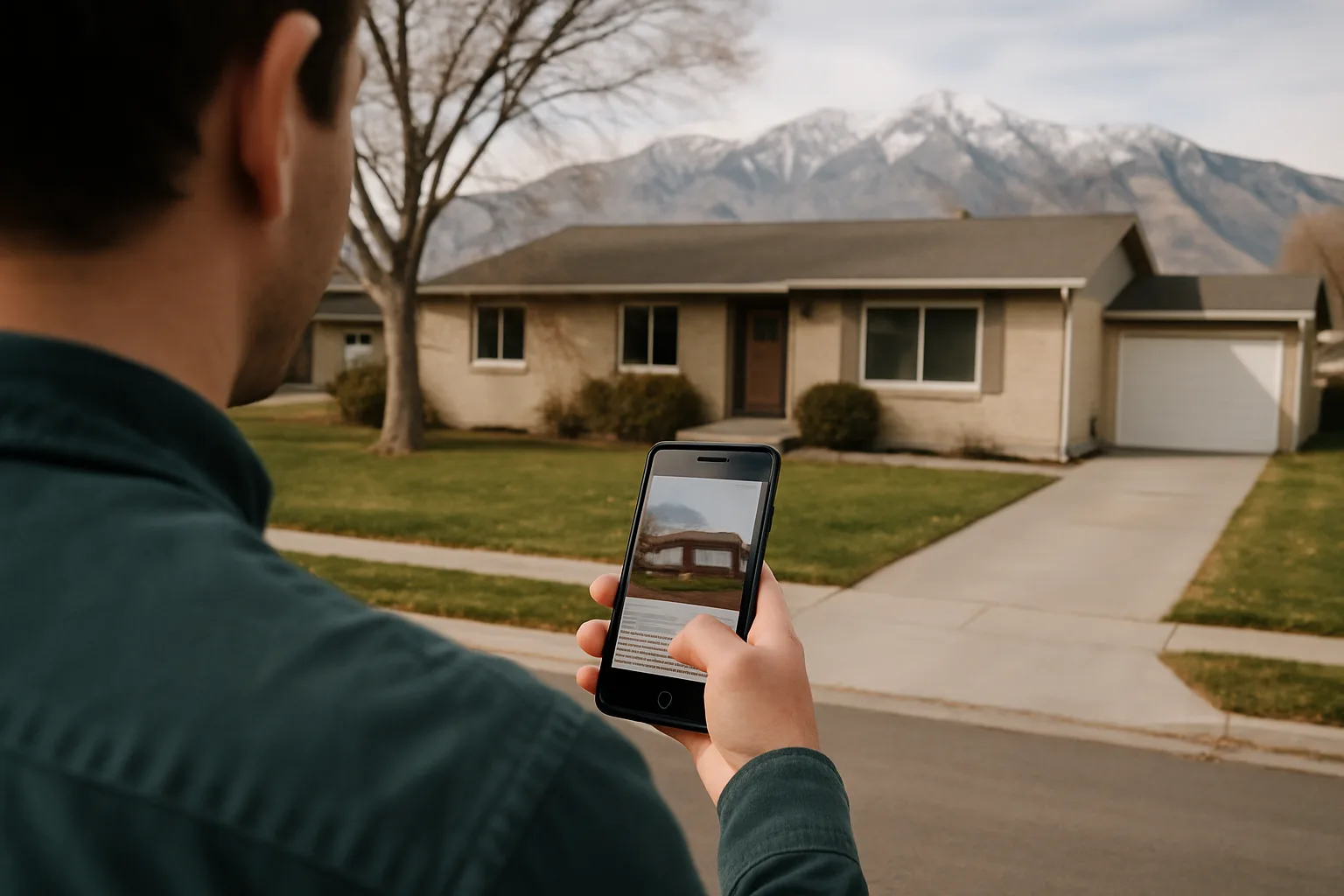
The newer development in off-market real estate is the emergence of platforms that try to identify likely-to-sell properties before the owners themselves have made a decision. These tools use machine learning to analyze patterns across hundreds of property and behavioral signals — ownership tenure, equity position, recent local sales activity, permit history, tax payment patterns, life events correlated with mobility, and more.
The output is a ranked list of properties in a given area, scored by their statistical likelihood of coming to market in the near term. A buyer or agent can use that list to prioritize outreach — contacting homeowners who may be 6 to 12 months away from selling, long before they've called an agent or requested a valuation.
The most mature example of this approach in the US was AnyCurb, a predictive real estate marketplace built on a proprietary algorithm analyzing over 300 property and owner features. The platform reached third-party verified 85% predictive accuracy and was acquired by Gauntlet Funding in 2021.
Behind it was the kind of purpose-built real estate software infrastructure that makes this category work at scale — MLS data integration, behavioral modeling, off-market discovery scoring, and data-feed licensing built into a single platform.
Development teams specializing in real estate technology, like Mind Studios, have built exactly this kind of stack: predictive marketplaces, MLS-integrated data pipelines, and property scoring systems designed for the operational reality of the US market.
For buyers, the practical implication is this: if you're working with an agent or a platform that has access to predictive scoring data, your off-market universe expands meaningfully. Instead of relying entirely on who your agent knows or how many letters you're willing to send, you have a data-informed shortlist of properties that are statistically likely to become available.
This technology isn't yet standard in most local markets — including Utah — but it's moving in that direction, and savvy buyers are paying attention.
What to Actually Do With This Information
Understanding that off-market properties exist is one thing. Positioning yourself to access them is another. A few practical steps for Utah buyers:
Choose your agent carefully, and specifically. Off-market access depends almost entirely on the agent's local relationships. An agent who works primarily in Salt Lake County is less useful if you're targeting Washington County, home to fast-growing suburbs like Washington. Ask agents directly how they access off-market inventory and what their process is for identifying pre-listing opportunities in your target area.
Be specific about what you want. Off-market outreach only works when you know exactly what you're looking for. Sellers and wholesalers who hear "we're open to anything in the right price range" won't prioritize you. Buyers who say "we're looking for a 4-bedroom on a half-acre lot in a specific school district, and we can close in 30 days" get taken seriously. This is also where evaluating property amenities before buying a Utah home pays off — it sharpens exactly what you should be asking for.
Get your financing ready before you need it. Off-market sellers accept offers quickly or not at all. A pre-approval letter from a lender is the floor; cash buyers or buyers with strong proof of funds have a structural advantage. If you're financing, make sure your lender can move fast and that your agent can represent you convincingly in a low-documentation situation.
Don't wait for the right market conditions. In Utah, "waiting for the market to soften" has been the wrong call for most of the past decade in most markets. Off-market strategies work regardless of interest rate environment — they're about inventory access, not timing.
Ask your agent about data tools. Some brokerages and agents now have access to predictive data feeds or off-market platforms. It's worth asking. The gap between buyers who are working with good data and buyers who are refreshing Zillow every morning is real and widening.
The Honest Tradeoff
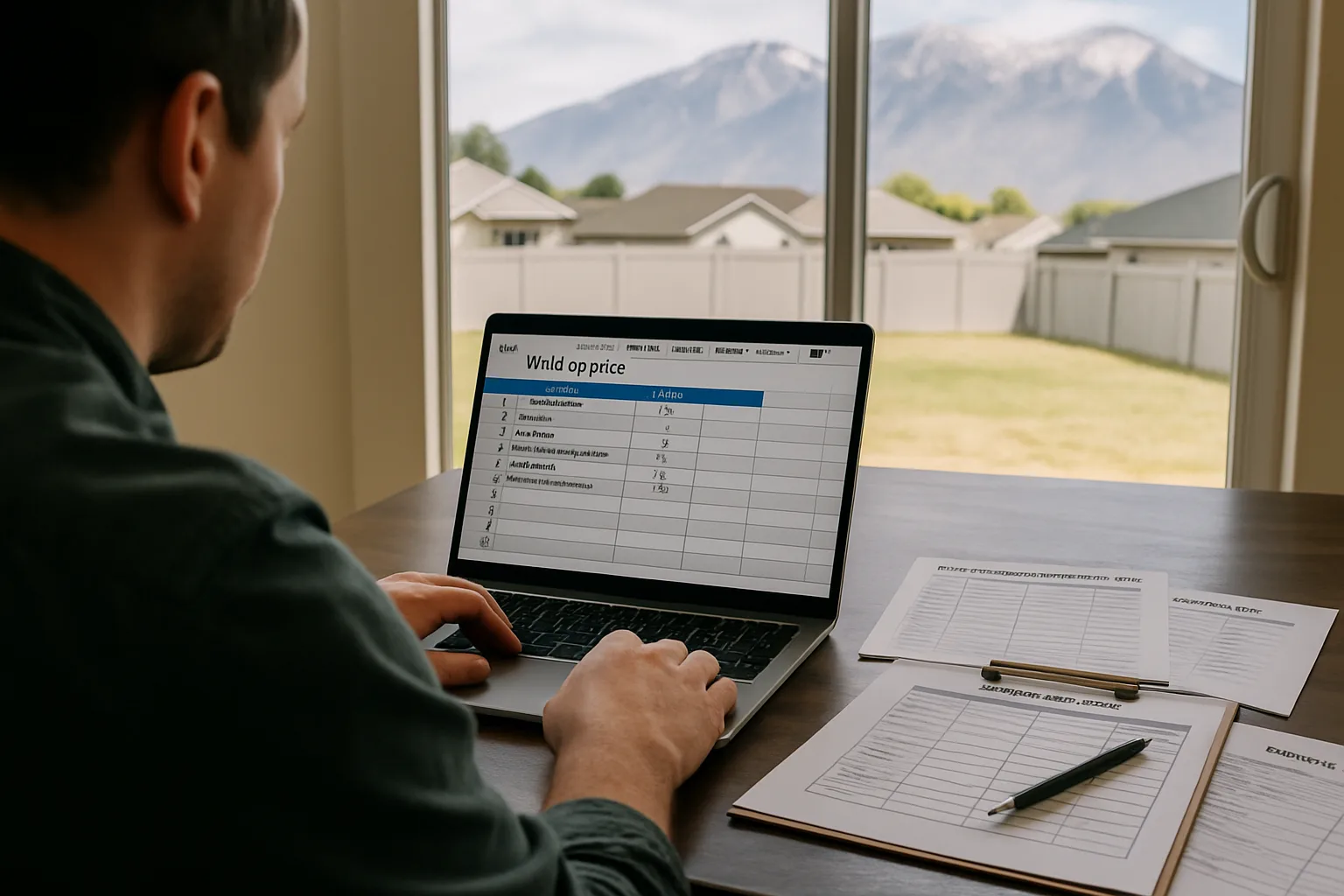
Off-market properties are not automatically good deals. The absence of public competition doesn't mean the price is favorable — it means you have less pricing context. Without comparable offers coming in, you're negotiating without the market feedback that normally disciplines pricing.
This is where your agent's comparative market analysis becomes critical. Before you make any off-market offer, you need a current comps analysis specific to the neighborhood and property type — the same logic behind why comparable home sales matter when pricing a home. Off-market access is worth pursuing; off-market urgency that skips the valuation work is not.
With the right preparation and the right agent, though, off-market is one of the few remaining ways to find meaningful inventory advantages in Utah's competitive housing market. The buyers who figure that out first are the ones making offers on properties most buyers never knew were available.
Frequently asked questions
What does it mean when a Utah home is sold off-market?
Are off-market homes cheaper than MLS listings in Utah?
How do I find off-market real estate listings in Utah?
Is it risky to buy a home without seeing comparable sales?
Why is Utah's housing market especially competitive right now?
Do I need cash to compete for an off-market property?
Keep reading
More from the blog
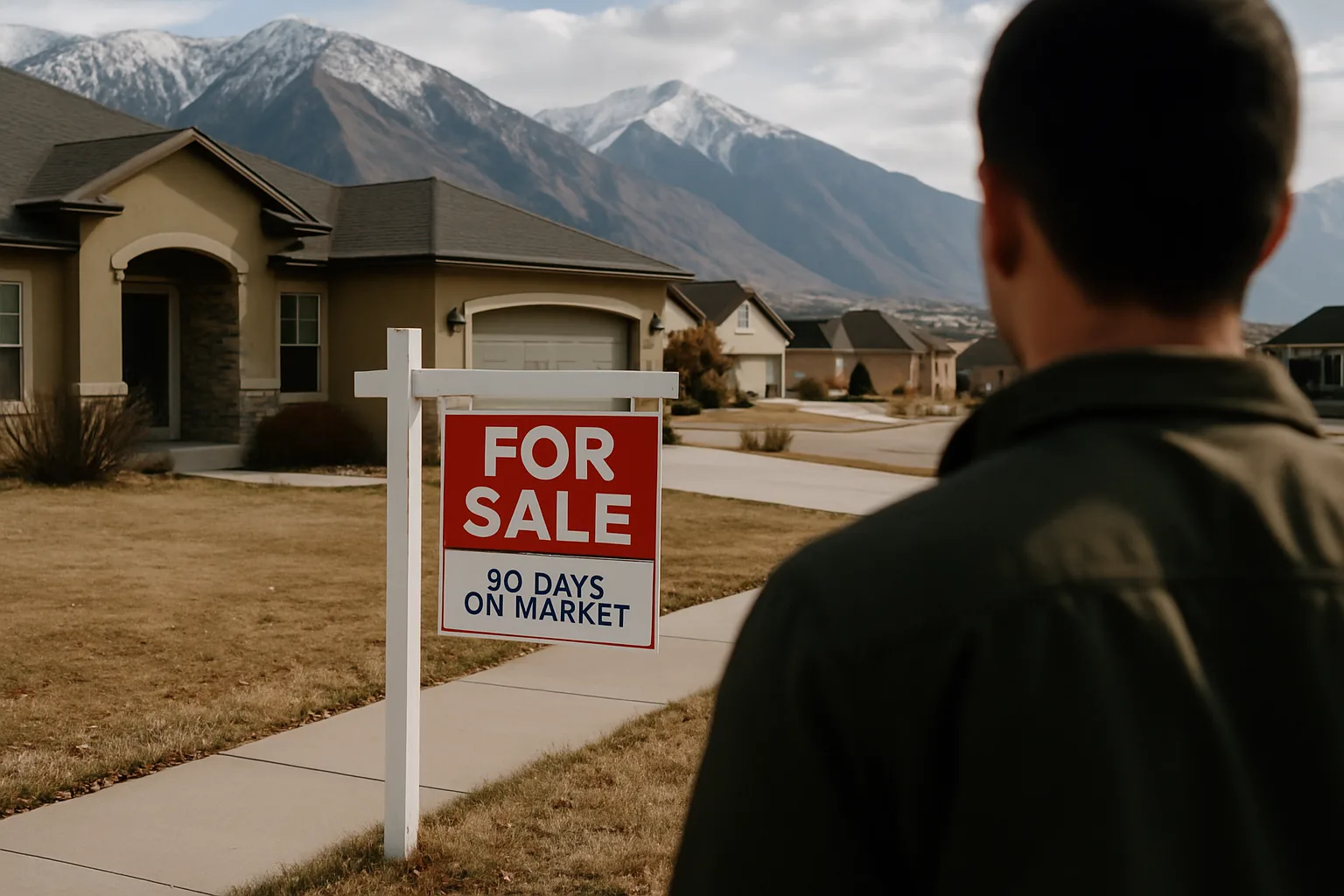
Why Utah Homes Aren't Selling in Fall 2026: What 18,000 Active Listings Show

Fall Color Drives by Home Base: Which Wasatch Front Canyon Is Closest in 2026

Wasatch Front Halloween 2026: Haunts, Corn Mazes and Witch Displays by Scare Level