Why the Best Real Estate Photography Starts With the House, Not the Camera
Great real estate photography isn't about the widest lens or the cleanest corner — it's about understanding how a house and its landscape work together. This guide, featuring insights from LA-based House of Pix, explains why the same principles apply to Utah's mountain and desert homes.
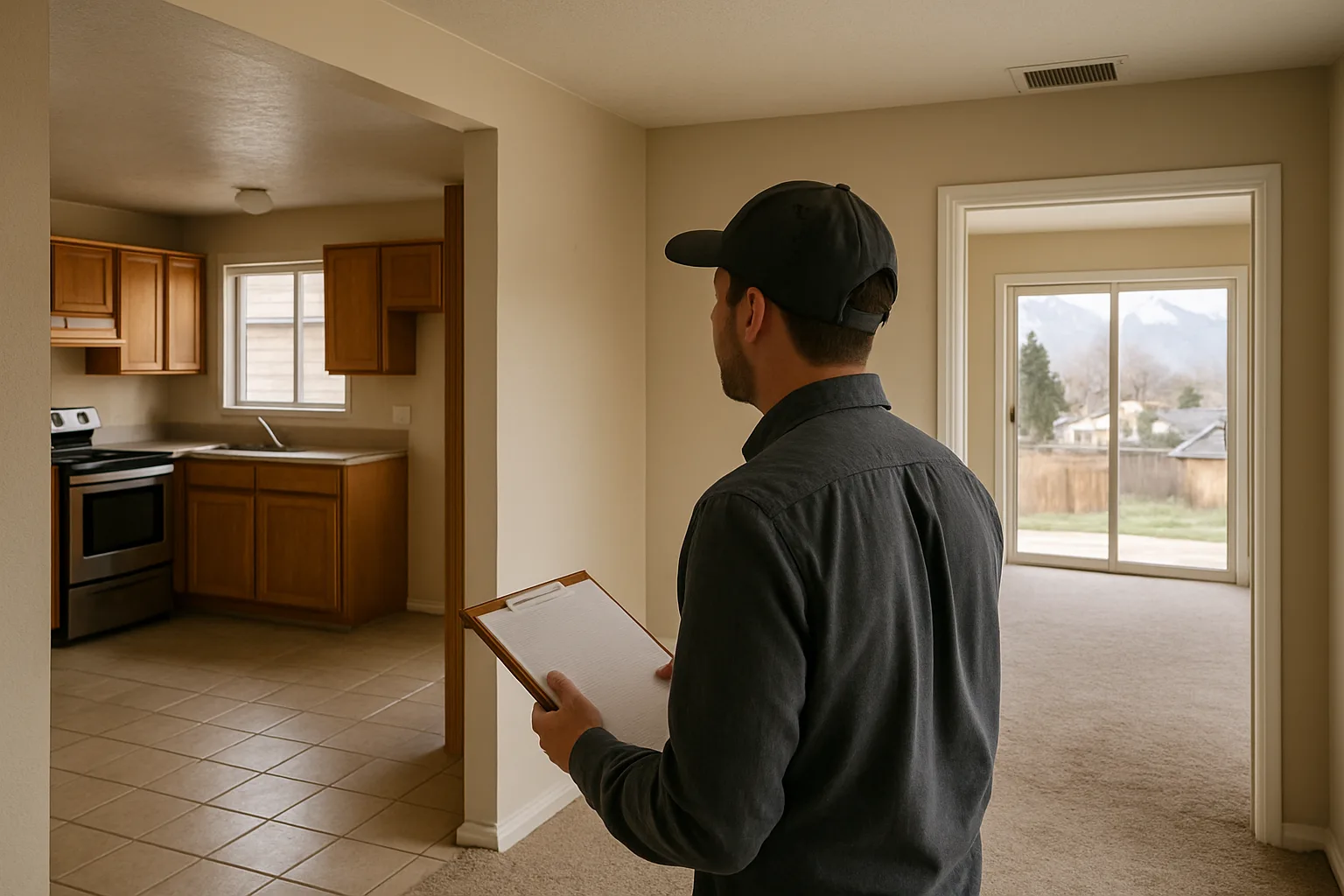
There is a fairly fixed visual style associated with real estate photography. The photographer enters a room, looks for the cleanest corner, sets up a wide-angle lens and then attempts to display as much of the room as possible. In many cases this method is entirely satisfactory. However, the more architecturally special a property is, the less useful that technique becomes. A house situated around a distant view, a mid-century house with windows carefully positioned, or a Spanish Revival style property having unusual interior transitions cannot always be expressed through a series of ordinary corner shots.
That question is especially pertinent in Utah, since the landscape often plays just as important a role in a house's appeal as the building does. Features such as mountain views, established forests, desert ground and steep changes in elevation can all affect the way a property should be photographed. In order to find out how photographers deal with houses where the architecture and the surroundings are inseparable, we talked to House of Pix, a real estate photography business based in Los Angeles which has carried out a great deal of work with Spanish, Craftsman, mid-century and contemporary homes all over Southern California.
Finding the Camera Position That Reveals the Architecture
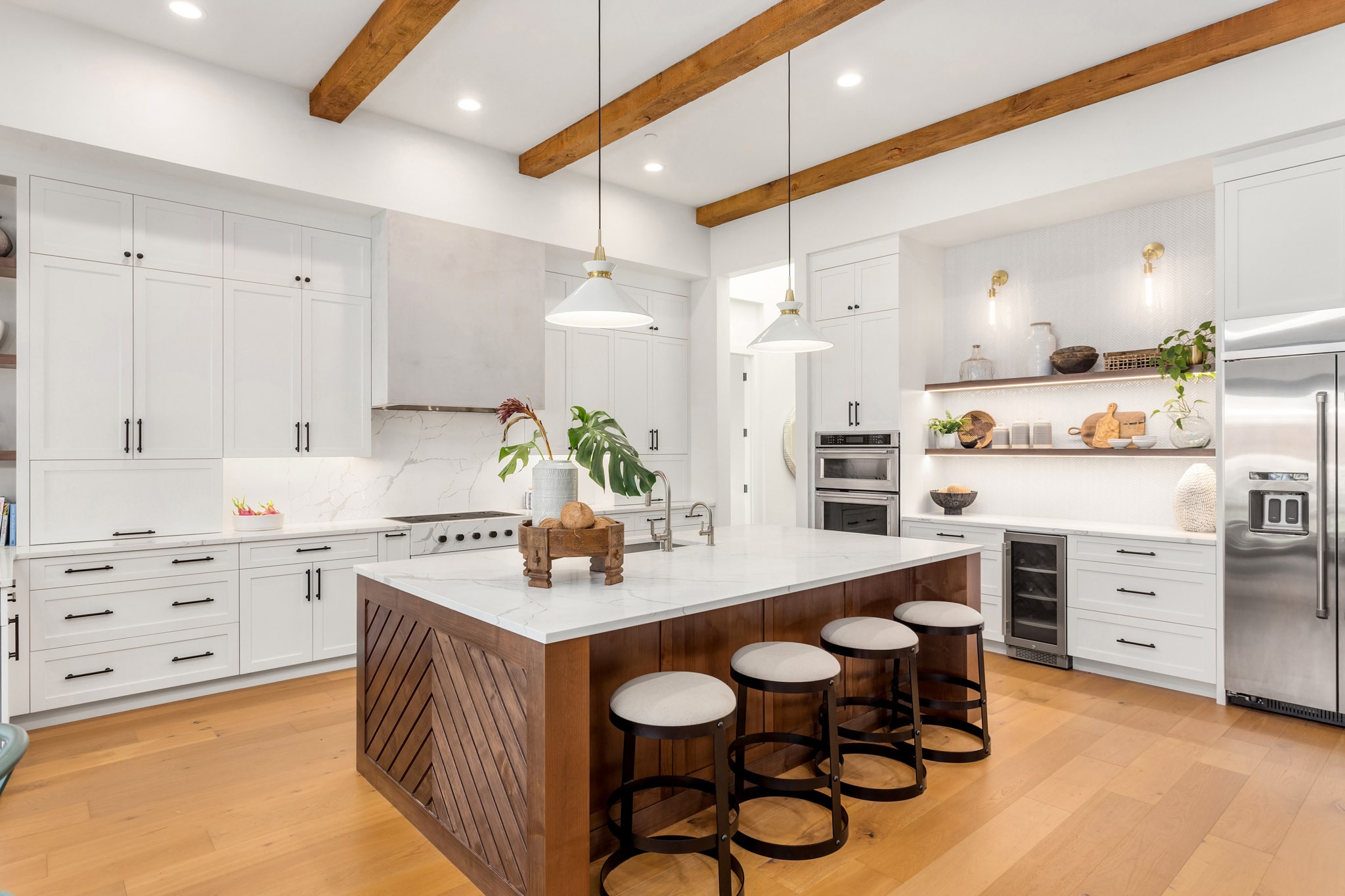
An experienced photographer quickly discovers that the most obvious camera position is not necessarily the right one. It's simple enough to go into a bedroom or living room, put the tripod in a corner and take a technically good photograph. But problems arise when a house has been designed with the relationships between its different rooms in mind: for instance, a doorway might align with another room, a window could form a frame around a hillside, or a wall of glass might be deliberately used to connect the living area with a garden or with the view beyond. In such cases, attempting to include everything from the corner actually ends up hiding the architectural features rather than showing them.
In some houses the best photograph is nearly taken straight on. Yet it is seldom easy just to stand in the middle of the room to achieve the right composition. For example, moving two steps to the right could suddenly make a doorway line up with a window, while a slight shift to the left might enable the eye to move smoothly from the foreground through the house and on towards the landscape beyond. Although these adjustments are only measured in feet, or even inches, they can entirely alter the way the house is perceived in the photograph.
Reading a House's Architectural Period Before Shooting It
This is particularly clear when it comes to photographing older architectural styles. For example, in places like Pasadena, a great deal of the housing was built many decades ago, so photographers frequently come across Craftsman houses, Spanish Revival homes and mid-century buildings which were constructed during separate periods of Southern California's architectural history. The various features of these houses only start to make sense after you know how they work with natural light.
There are times when a photographer finds oneself in a house in the late afternoon and the sunlight passes through a certain window at just the right angle, falling across a wall, a wooden surface or some other architectural feature. At that moment the design becomes obvious. The architect who had designed the house many decades before certainly didn't leave instructions for a future real estate photographer, yet the building still holds hints as to how it was meant to be experienced. The more homes from that period you photograph, the more such moments build up into a kind of experience.
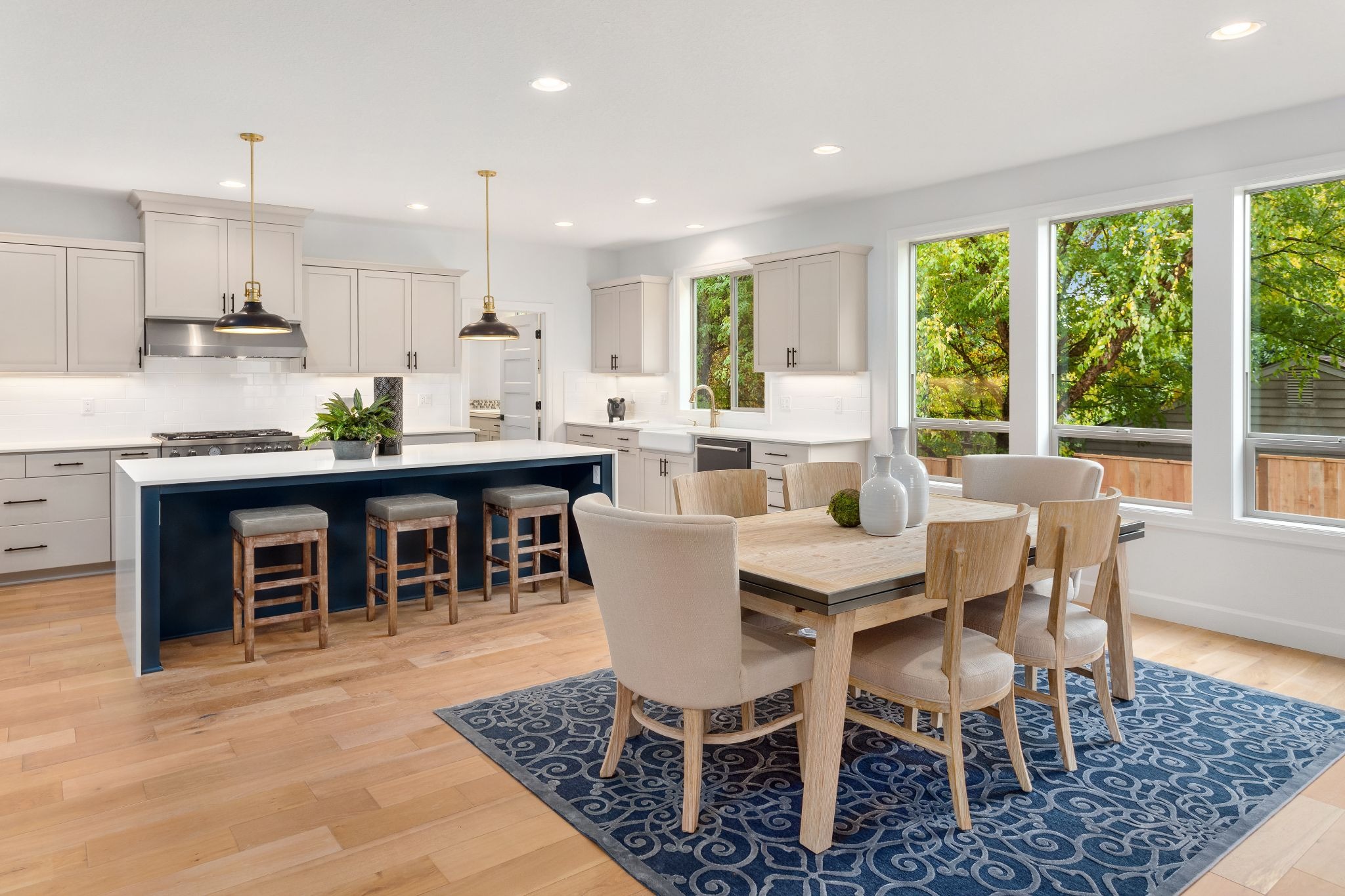
It is not easy to substitute that kind of experience with a checklist, since there is no guide which states that every Spanish Revival house should be photographed from a specific angle or that each mid-century home should be approached in a different way. On the contrary, the photographer learns slowly to pick up on certain patterns, such as where the architecture leads the eye, how deep overhangs influence the interior lighting, at what point wood tones start to take on colour, or how large areas of glass were meant to link the interior with the exterior.
Why Utah's Landscape Changes the Photography Approach
The same principle holds true in Utah, even though the architecture and landscape differ. On many mountain properties, such as those found in mountain communities like Midway or high-desert settings like Pine Valley, large windows are used precisely because the view is one of the reasons why the house is situated there. These windows are not simply openings that have to be positioned correctly; they are an element that contributes to the property's value. If a photographer increases the brightness of the room without at the same time adjusting the exterior exposure, the mountains or the surrounding landscape can vanish into a bright white window. If the photograph is exposed only for the scenery, then the interior will become unnaturally dark. It is necessary for the photograph to preserve both the exterior and the interior.
One reason why a single HDR process cannot be used in every room of every property is that HDR, although a very useful method in real estate photography, does still demand judgment. In some cases it is necessary to preserve more of the exterior exposure, in others to make the interior brighter, and in houses with very large windows a great deal more control may be needed than is usual with a typical suburban property. Human judgment is still important here. The photographer has to know what the eye should notice first and how much light each part of the photograph should be allowed to retain.
It is precisely for this reason that the choices made in presenting properties are so important. In Southern California, for example, the attraction might be the Pacific Ocean, a canyon or the view of the Los Angeles skyline. In Utah it could be a mountain range, a wooded hillside or a striking desert landscape, such as the red rock scenery found near Toquerville or New Harmony. Although the geography differs, the principle remains the same: the surrounding environment can never always be regarded as background and at times the landscape is included in the listing.
Using Drone Photography With a Purpose
That same thing applies to how drone photography should be used. Aerial photography is most useful when it provides information that cannot be obtained from photographs taken on the ground. For example, if you lift a drone away from a property on a hillside in Los Angeles you can see how the house relates to Downtown LA, the coastline or the neighbouring area. Likewise, a similar photograph taken in Utah could show how a house is situated against the mountains or how much of the property is surrounded by trees. In such cases the drone image has a purpose; it is giving the buyer details about the location, scale and setting rather than just adding another dramatic picture to the gallery.
Choosing the Right Lens Instead of the Widest One
When it comes to choosing a lens, just as much self-restraint is needed. Wide-angle lenses are useful in real estate photography since buyers need to get a clear idea of the dimensions and the relationships between different parts of a room. However, greater width does not mean that it is better. A very wide photograph may make a room look impressive on line yet produce a completely different impression when the buyer actually enters the property. The furniture starts to stretch out towards the edges, the walls seem farther apart than they really are and the proportions of the room become hard to judge.
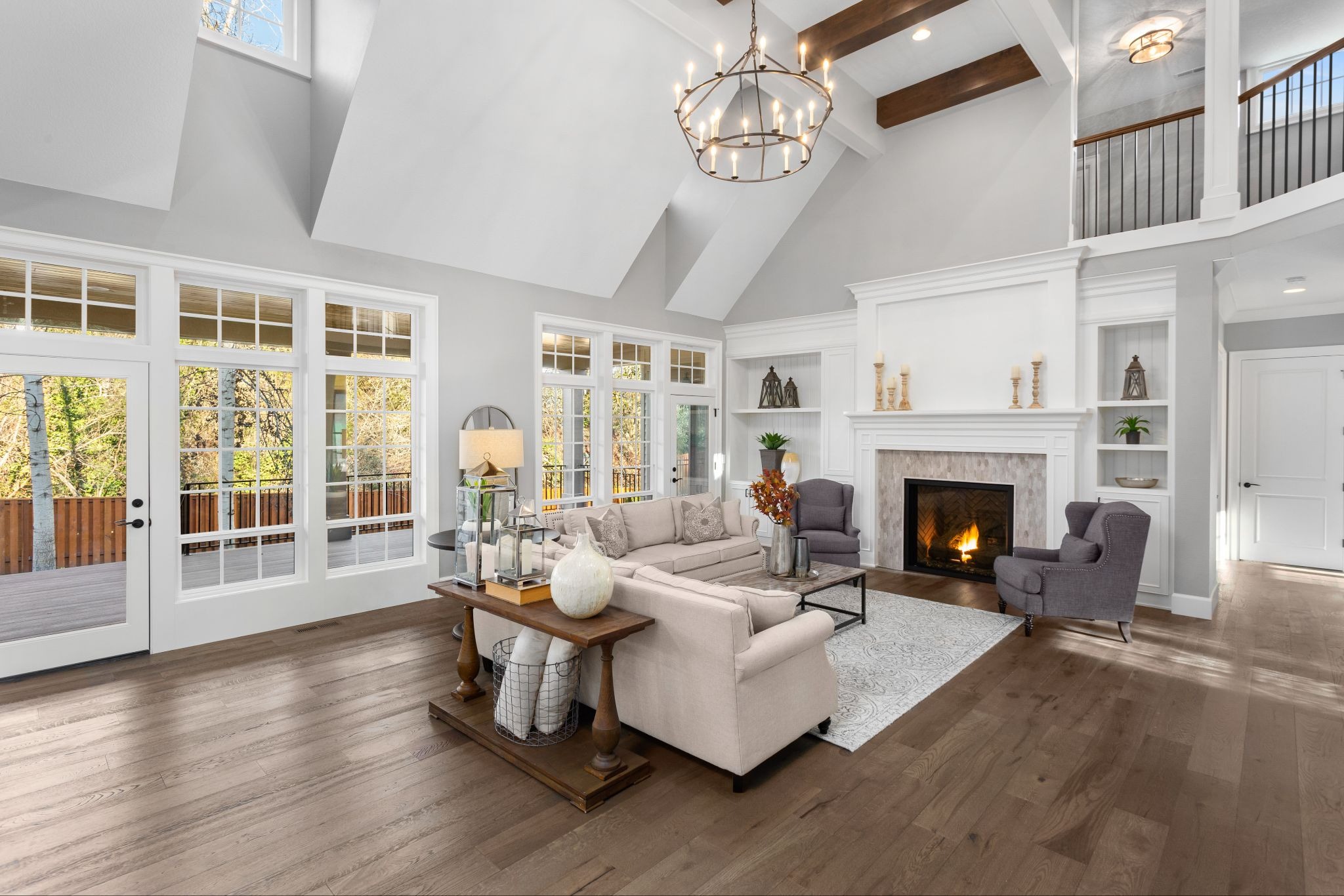
Usually House of Pix chooses to work with a 24mm field of view when it is possible to do so. This gives a wide enough angle to make sense of the room without causing all the interior details to appear exaggerated. Above all, it prompts the photographer to compose the scene rather than just take in the entire area. In some cases, moving forward will yield a better photograph than retreating as far as possible into a corner. A more tightly framed image is often more successful in showing the materials, the architecture, or the way the different spaces relate to one another.
Why Timing the Shoot Matters as Much as Camera Position
How important timing can be is just as great as the position of the camera. The best time to take a photograph of a house isn't just a matter of one preferring the light of morning over that of afternoon; it depends on the direction the property faces and on what the photographer wants to show. For instance, a home by the coast with a view towards the Pacific can become hard to photograph in the later part of the day as the sun moves closer to the water and glare starts to interfere with the view. When the ocean is one of the key features for which the property is being sold, arranging the photography around that kind of light becomes an integral part of the photography.
The same reasoning can be applied to mountain properties. The photographer must take into account the direction in which the house faces, the positions of the main windows, and the times when the surrounding landscape will be in the most useful light. The ideal time for viewing a house might have very little to do with convenience and everything to do with what the architecture and setting require.
Solving Problems in the Room, Not in Photoshop
Even before the photograph is taken, there is another minor decision to be made. It is sometimes the case that agents ask whether an object that is unwanted can simply be removed later on in Photoshop. Although digital retouching does have its place, the simpler approach is generally to deal with the room on the spot. If a chair is blocking a view, then move it. If an item on a countertop is distracting the composition, take it away before taking the photograph. It is usually better to resolve the visual issue while being in the room than to depend on editing software to reconstruct the scene later. Sellers preparing a listing may also want to review how furniture and staging affect what buyers offer, since the same room adjustments that help a photograph often help a showing too.
In the case of expensive or architecturally important houses, this method is especially important. Such properties don't necessarily require a greater number of photographs; instead, they require more careful observation. The photographer must spend sufficient time looking at the house in order to realise what merits attention. It could be the way in which two rooms align through a doorway, the way that the afternoon light falls on the original woodwork, the relationship between the living room and the pool, or the way in which the house has been situated against a mountain. Homeowners going through this kind of pre-listing prep often also work through broader steps for making a home more appealing before selling it.
Letting the House Tell Its Own Story
It is often the case that these details distinguish a technically correct photograph of a property from one that actually conveys something about the house. When House of Pix has been taking photographs of older buildings in Pasadena, including mid-century homes, it has come across this issue many times, the way in which the interior spaces, the glass, the landscaping and natural light combine to form part of the story.
The same principle applies to Utah. A house situated in the mountains should have the atmosphere of a mountain dwelling. A property in the desert shouldn't be photographed as if its surroundings didn't matter. A historic house must keep the features which give it its place in the architectural period to which it belongs. The photographer's job is not to apply the same visual formula to all kinds of property, but rather to grasp what the home is already attempting to communicate.
A good real estate photographer shouldn't aim to make each house appear exactly as impressive as the others. Instead, they should identify the features that make that specific property worth viewing and then locate the right light, composition and angle so that someone else can see them as well.
Frequently asked questions
Why does real estate photography matter more for architecturally unique homes?
What lens is best for photographing a house's interior?
How does Utah's landscape affect how a home should be photographed?
Is drone photography necessary for every home listing?
Should sellers remove clutter before or after professional photos are taken?
What time of day is best for photographing a home?
Keep reading
More from the blog

Inherited a House? The Order to Tackle Each Step
Utah's New Detached ADU Law and Garage Apartments
How Home Search Apps Use Your Data: Utah Buyer Guide