Nest Protect Replacement Guide: First Alert SC5 vs. Kidde vs. X-Sense Smoke and CO Alarms
Nest Protect is discontinued. When to replace it, how the First Alert SC5 links with Nest units, what UL 217 and UL 2034 mean, and the best alternatives.
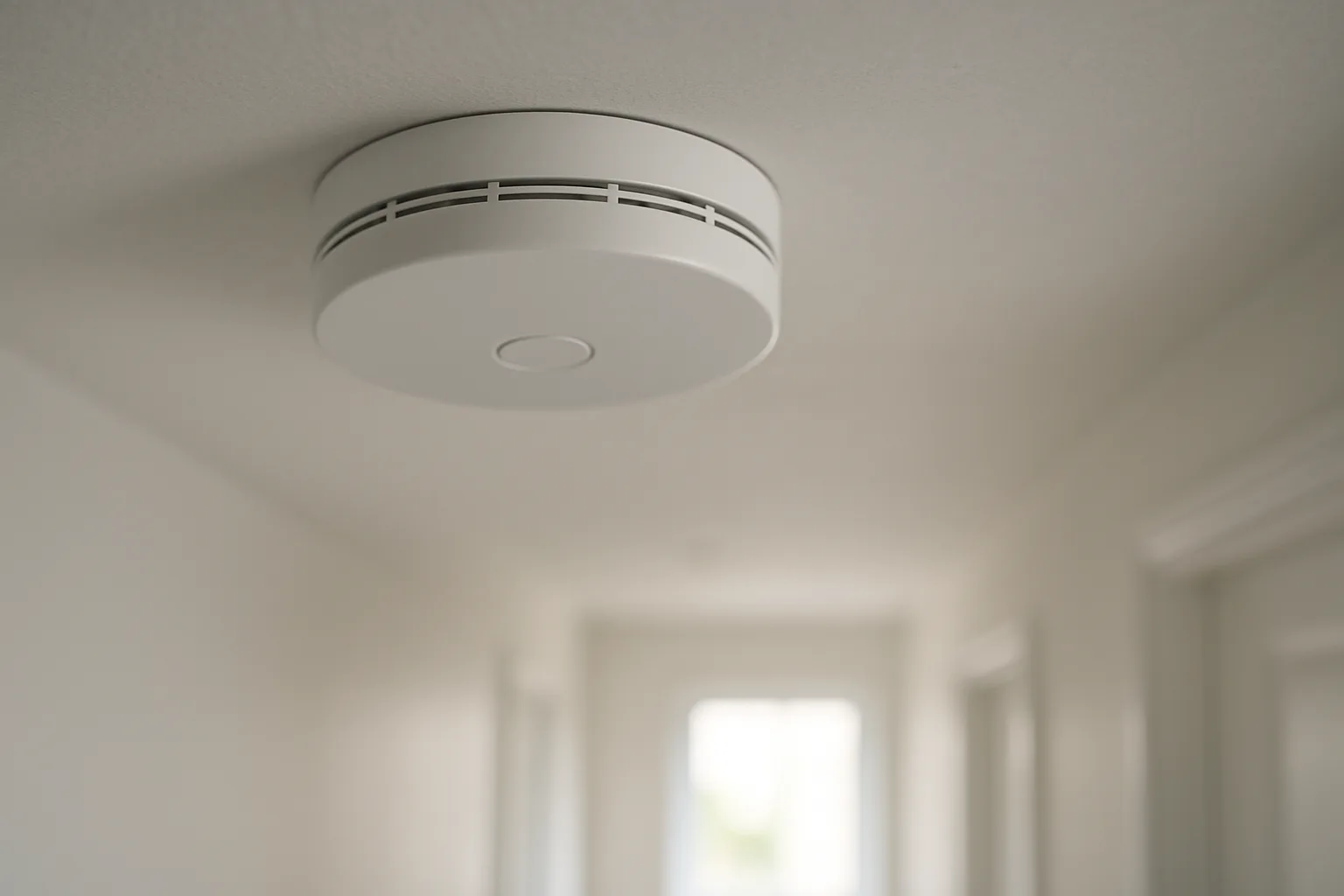
Google has stopped making the Nest Protect, the smoke and carbon monoxide alarm that made "smart" a household term for safety devices. Existing units keep working, but every alarm has a hard replacement date printed on it, and many Nest Protects installed during its first years are reaching theirs now. That leaves owners choosing a replacement, ideally one that still talks to the rest of their alarms. This guide covers what Google has said about the Nest Protect, which smart alarms replace it, how interconnection works, and what the UL 217 and UL 2034 labels on the box actually mean.
As an Amazon Associate, Best Utah Real Estate earns from qualifying purchases. Product picks are based on published specs and independent testing data, not paid placement.
Quick verdict: the best Nest Protect replacements
- Best direct replacement for a battery Nest Protect: the First Alert SC5 Battery Smart Smoke & CO Alarm, the model Google names as its replacement. It fits the Nest mounting bracket and links to remaining Nest Protects in the Google Home app.
- Best direct replacement for a wired Nest Protect: the First Alert SC5 Hardwire, which includes an adapter plug so the existing wiring doesn't need to be redone.
- Best wireless interconnect without Wi-Fi: the X-Sense wireless interconnected smoke and CO combo (6-pack), for homes with no interconnect wiring that don't need phone alerts.
- Best non-smart hardwired combo: the Kidde 30CUA10-V, with a 10-year sealed backup battery and voice alerts.
- Best non-smart battery combo: the Kidde 30CUD10-V, a sealed 10-year battery alarm with no batteries to change.
What happened to the Nest Protect
Google announced that it would stop manufacturing the Nest Protect and sell the remaining stock until it ran out. It said existing units would keep working and receive support through their expiration dates, and it partnered with First Alert on a replacement. Those expiration dates are fixed by certification rules, not by Google's plans. According to Google's Nest Protect replacement page, a second-generation Nest Protect must be replaced 10 years after its manufacture date, and Google's help pages put the first generation at 7 years.
The replacement date appears in the Google Home app under the device's technical information, next to "Replace by," and is printed on the back of the alarm. When that date arrives, the alarm should come down, whether or not it still seems to work.
Smart smoke and CO alarm comparison
| Model | Power | Smart features | Interconnect | Standards listed |
|---|---|---|---|---|
| First Alert SC5 Battery | Six replaceable 3V lithium batteries | First Alert app and Google Home; voice location alerts | With other SC5s and 2nd gen Nest Protects via Google Home | UL 217 9th Edition, UL 2034 |
| First Alert SC5 Hardwire | 120V AC with 3V lithium battery backup | Same as battery model | Same, plus select First Alert hardwired alarms | UL 217, UL 2034 |
| X-Sense wireless interconnected combo | 10-year sealed lithium battery | None (no app) | RF wireless, up to 18 compatible X-Sense alarms | UL 217 and UL 2034, per X-Sense |
| Kidde 30CUA10-V | 120V AC with 10-year sealed backup | None; voice alerts | Hardwired with compatible Kidde alarms | UL listed |
| Kidde 30CUD10-V | 10-year sealed battery | None; voice alerts | None (standalone) | UL listed |
Specs are from manufacturer and retailer listings. Check the current model number and the date of manufacture on the box, since alarms count their 10-year life from manufacture, not purchase.
First Alert SC5: the official successor
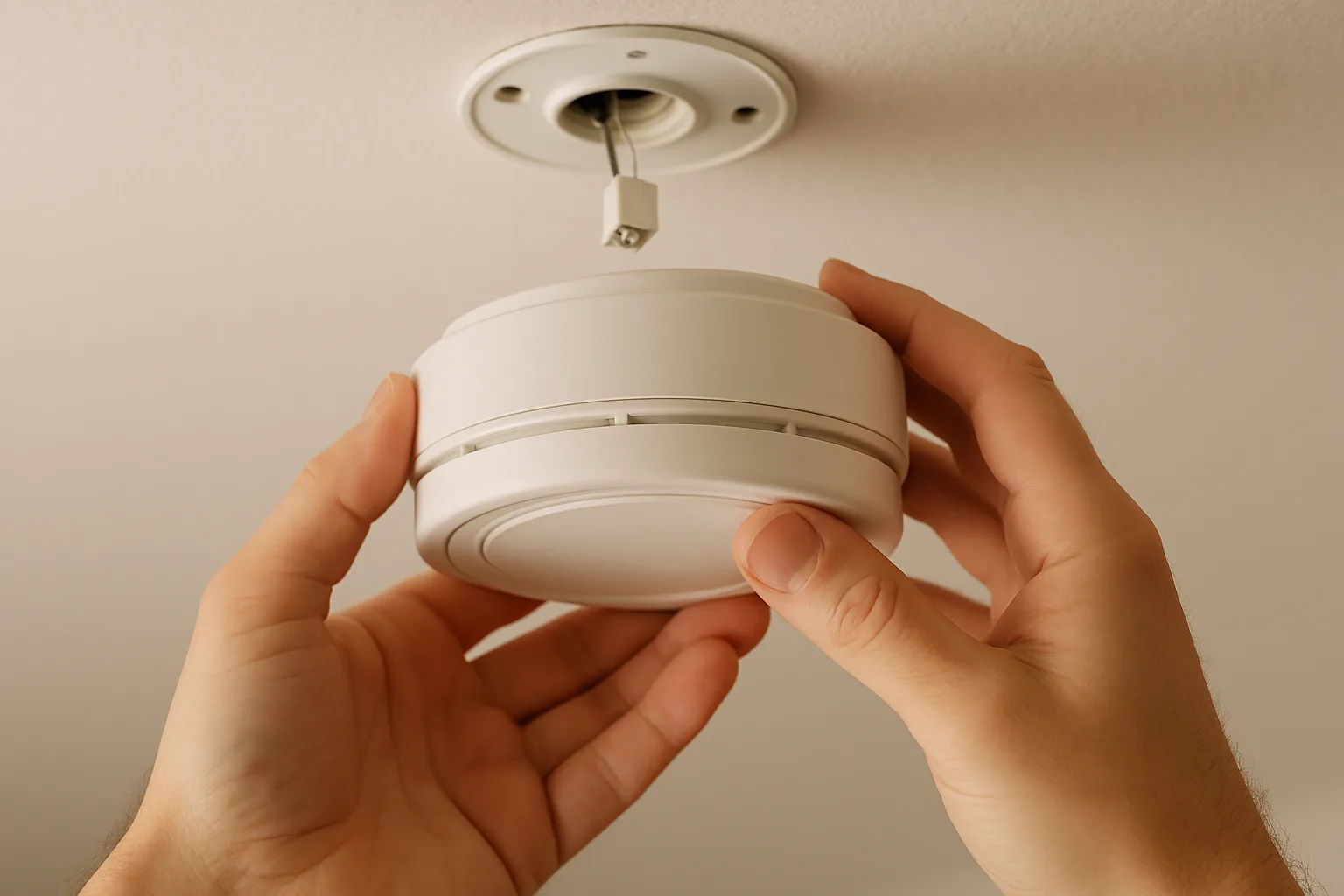
The SC5 is the alarm Google points Nest owners toward, and it was built to make the swap simple. It uses the same mounting bracket as the Nest Protect, so the old backplate can stay on the ceiling. The hardwired version adds a quick-connect adapter plug for Nest's wiring harness. Each unit pairs a photoelectric smoke sensor with an electrochemical CO sensor, and voice alerts announce both the danger and its location ("smoke in the hallway") so a household knows where to look.
The First Alert app sends phone alerts, shows battery levels and can run tests remotely, which ends the classic 2 a.m. low-battery chirp. First Alert lists the SC5 under UL 217 9th Edition for smoke and UL 2034 for carbon monoxide, and says its Precision Detection technology is designed to tell cooking smoke from a real fire.
There are trade-offs. Interconnection with remaining Nest Protects works only through the Google Home app and a Google account, and coverage at launch noted it isn't a Matter device, so it doesn't plug into Alexa or Apple Home. First Alert also doesn't list a nightlight like the Nest Protect's Pathlight, a feature some owners relied on in dark hallways.
First Alert SC5 Battery Smart Smoke and CO AlarmView on Amazon →
Battery or hardwired?
The rule is simple: replace like with like. A home with wired Nest Protects has 120V wiring at each location and should get the SC5 Hardwire, which runs on house power with a lithium backup. A home with battery Nest Protects should get the battery SC5. The hardwired model can also interconnect with select older First Alert hardwired smoke, CO and heat alarms, which helps in homes with a mix of alarms.
First Alert SC5 Hardwire Smart Smoke and CO AlarmView on Amazon →
Why interconnection matters
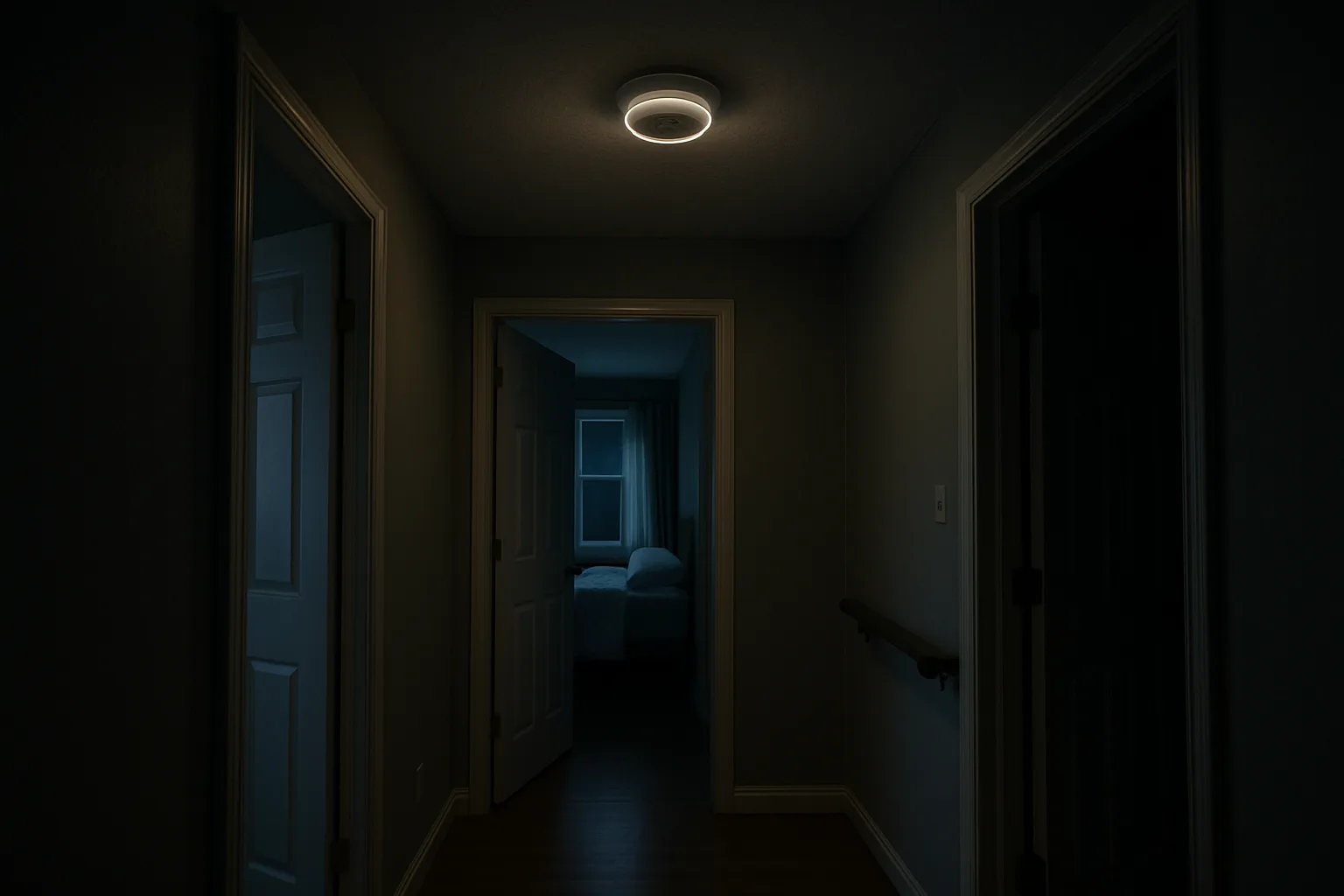
Interconnected alarms all sound when any one of them detects a problem. A fire in a basement can be invisible from a second-floor bedroom with the door closed, and an alarm that only sounds downstairs may never wake anyone upstairs. The National Fire Protection Association recommends smoke alarms inside every bedroom, outside each sleeping area and on every level of the home, interconnected so that all of them sound together.
There are three ways to get there:
- Hardwired interconnect. Common in newer homes: a third wire links every alarm. Replacements must be from a compatible brand family, which is why Kidde-to-Kidde or First Alert-to-First Alert swaps are easiest.
- Wireless (RF) interconnect. Battery alarms like the X-Sense combo talk to each other by radio, with no wiring and no Wi-Fi. A good fit for older homes and for adding alarms in rooms that never had one.
- Smart interconnect. The SC5 links through the First Alert and Google Home apps and adds phone alerts, which is the only option that reaches an owner who is away from home.
UL 217 and UL 2034: what the labels mean
UL 217 is the safety standard for smoke alarms. Its newer editions changed how alarms are tested. According to UL Standards & Engagement, the 8th edition added tests for flaming and smoldering fires in polyurethane foam, the material in most modern sofas and mattresses, plus a cooking nuisance test meant to cut false alarms from ordinary cooking. UL notes that people often disable alarms that go off while they cook, sometimes with deadly results, and that faster-burning modern furnishings leave far less time to escape than in past decades. Alarms certified to the newer editions use more advanced or multiple sensors to tell smoke types apart.
UL 2034 is the standard for residential carbon monoxide alarms. CO is colorless and odorless, so an alarm is the only practical warning. The Consumer Product Safety Commission reports more than 200 deaths a year in the U.S. from accidental non-fire CO poisoning linked to consumer products, and recommends CO alarms with battery power or battery backup on every level of the home and outside sleeping areas.
A combination alarm that lists both standards covers both hazards in one device, which halves the number of units to buy and replace. Homes with gas appliances, a fireplace or an attached garage need CO protection most.
The non-smart options
X-Sense wireless interconnected combo
This six-pack suits a whole home at once. Each unit combines smoke and CO detection, runs on a sealed 10-year lithium battery, and links to the others by radio, with up to 18 compatible X-Sense alarms in one linked group, according to the listing. Walls, floors and appliances can shorten radio range, so units far apart should be tested together after setup. There is no app and no phone alert, so it is a safety upgrade rather than a smart one.
Kidde 30CUA10-V and 30CUD10-V
For owners who want reliable alarms without an app, Kidde's pair covers both cases. The 30CUA10-V is hardwired, with a 10-year sealed battery backup, voice alerts ("Fire!" or "Warning, carbon monoxide"), an 85-decibel horn and interconnection with compatible Kidde hardwired alarms. The 30CUD10-V is the battery version, with a sealed battery meant to last the alarm's full 10-year life. Both are good choices for bedrooms, basements and rentals where phone alerts aren't needed.
Replacing alarms: a quick checklist
- Check the manufacture date on every alarm; replace any that are 10 years old or have no date.
- Replace wired units with wired units and keep interconnected systems on compatible brands.
- Turn off the breaker before removing a hardwired alarm.
- Test every alarm after installation, then monthly.
- Remove old Nest Protects from the Google Home app and recycle them according to local rules for lithium batteries.
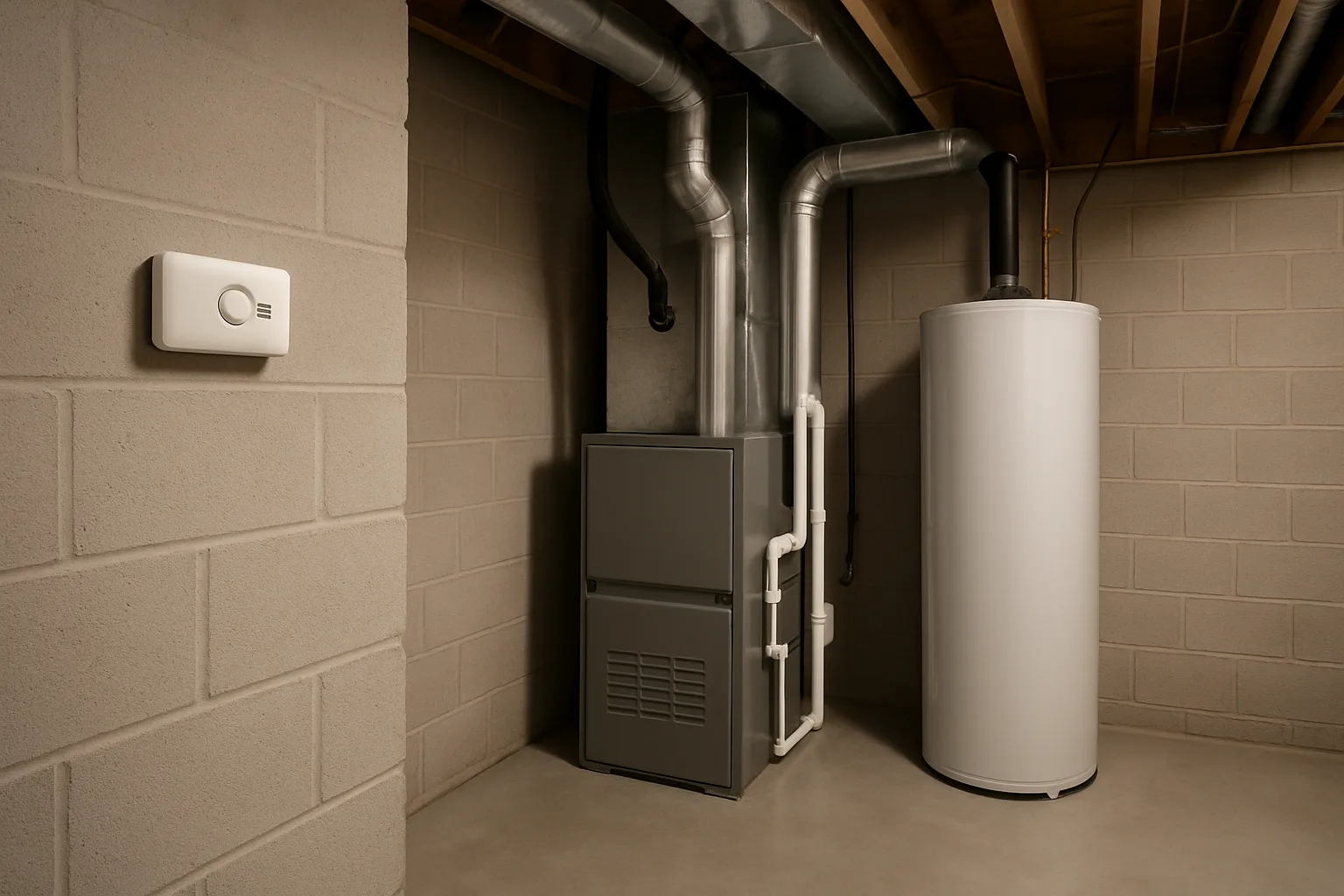
Smoke and CO alarms are part of the same safety routine as furnace care; the HVAC maintenance guide covers the annual checks that keep gas appliances from producing CO in the first place. Homes built around Google Home may also find the Nest vs. Ecobee thermostat comparison useful when deciding what else to keep in that ecosystem. Working, current alarms are also something home inspectors and buyers notice.
Bottom line
For anyone replacing a Nest Protect, the First Alert SC5 is the straightforward choice: it fits the old bracket, links to remaining Nest units in Google Home and carries current UL 217 and UL 2034 listings. Battery homes should get the battery SC5 and wired homes the hardwired one. Owners who don't need phone alerts can get dependable protection from an X-Sense wireless set or Kidde's 10-year combos. Whatever the choice, every alarm in the home should be under 10 years old and, ideally, interconnected.
Posted by Kristopher Larson
Frequently asked questions
Is the Nest Protect discontinued?
Yes. Google stopped manufacturing the Nest Protect and sold remaining stock until it ran out. Existing units keep working and are supported through their expiration dates, and Google partnered with First Alert on a replacement smart smoke and CO alarm.
When does a Nest Protect need to be replaced?
Google says a second-generation Nest Protect must be replaced 10 years after its manufacture date, and a first-generation unit after 7 years. The date appears in the Google Home app under the device's technical information, next to "Replace by," and on the back of the alarm.
What is the best replacement for a Nest Protect?
The First Alert SC5 Smart Smoke & CO Alarm is the replacement Google recommends for the second-generation Nest Protect. It uses the same mounting bracket, comes in battery and hardwired versions, and links with remaining Nest Protects through the Google Home app. Battery Nest Protects should be replaced with the battery SC5 and wired ones with the hardwired SC5.
Can First Alert alarms interconnect with Nest Protect?
Yes. The First Alert SC5 can interconnect with second-generation Nest Protect alarms, battery and wired, when both are set up in the Google Home app with a Google account. When one alarm detects smoke or CO, the linked alarms sound too.
What do UL 217 and UL 2034 mean on a smoke alarm?
UL 217 is the safety standard for smoke alarms; its newer editions added tests for smoldering and flaming polyurethane foam fires and a cooking nuisance test to reduce false alarms from cooking. UL 2034 is the standard for residential carbon monoxide alarms. A combination alarm listing both covers smoke and CO in one device.
Where should smoke and carbon monoxide alarms be installed?
NFPA recommends smoke alarms inside every bedroom, outside each sleeping area and on every level of the home, including the basement, interconnected so all sound together. The CPSC recommends CO alarms on every level and outside sleeping areas. Local codes may require more, so check the local building or fire code.
Keep reading
More from the blog
Electric Pressure Washers: Which PSI and GPM Matter, and Budget vs. Premium Picks
How to Choose an Air Purifier by Room Size and CADR: Coway vs. Levoit vs. Winix
Robot Vacuum and Mop Buying Guide: Mop Types, Docks, Obstacle Avoidance and Top Picks