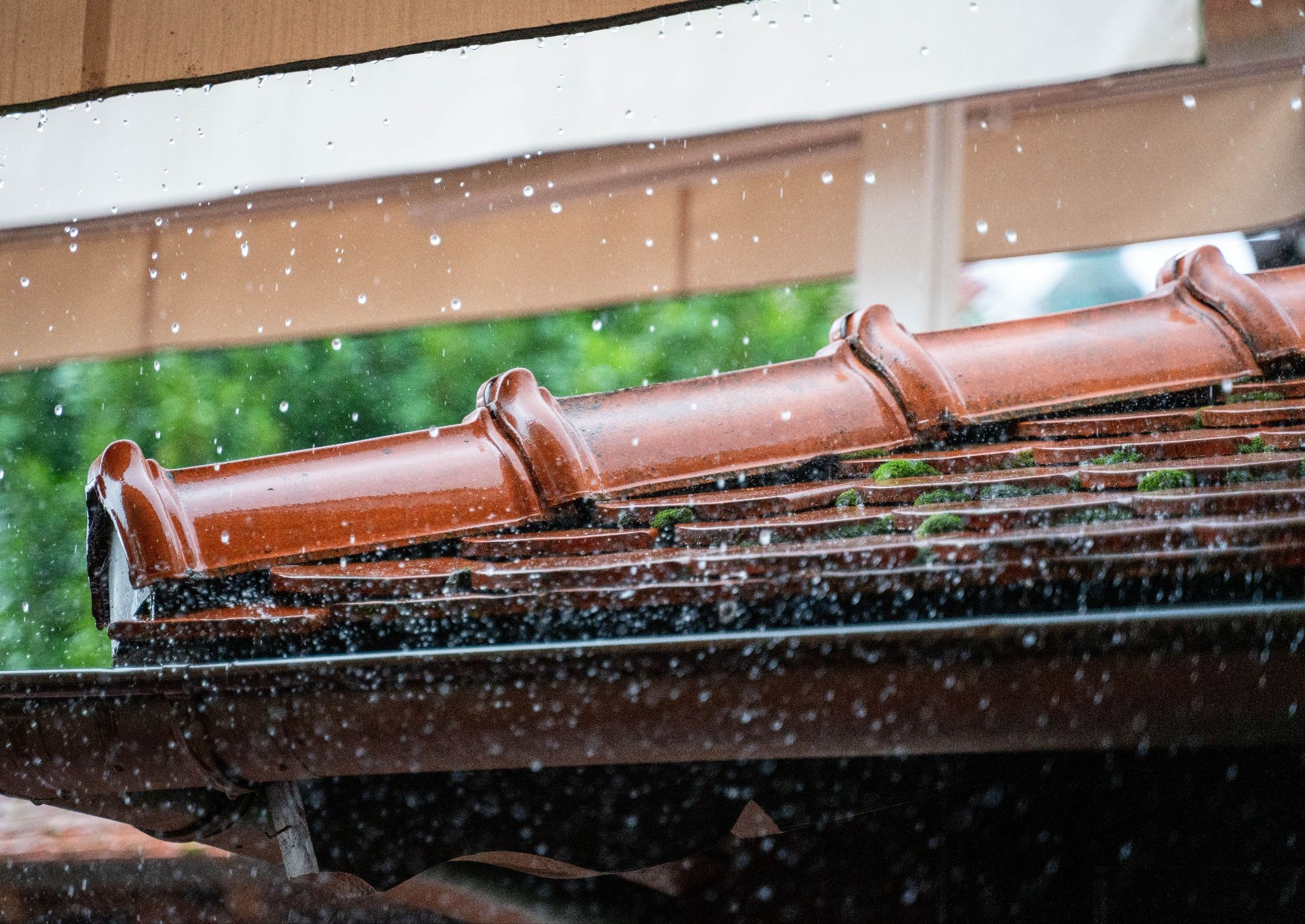
Homeowners Upgrade Roof Drainage to Prevent Foundation Erosion
Upgrading roof drainage keeps heavy rain from saturating the soil around your foundation. Learn about gutter sizing, materials, guards and downspout extensions.
Upgrading residential drainage systems protects home foundations from heavy rainwater runoff. Proper upgrades guarantee efficient water discharge throughout the year.
Heavy rain surges and severe storm runoff put intense pressure on your roof every time a storm rolls through your neighborhood. When water pours off your shingles without proper control, the soil surrounding your foundation absorbs thousands of gallons of excess liquid within minutes.
Upgrading your home drainage system stops destructive ground saturation before structural shifts happen. Upgraded channels safely carry rain far away from your walls, preserving your property value year after year. For related problems, see our guides on foundation repair and basement waterproofing and common roofing problems after heavy rain.
Why Does Roof Pitch Dictate Your Home's Drainage Needs?
Steeper roof slopes force rainwater down toward your eaves at extreme velocities. Standard shallow channels frequently splash over when fast-moving water surges off sharp roof angles.
Data published by This Old House indicates that an inch of rain falling on a typical 2,000-square-foot roof produces roughly 1,250 gallons of direct runoff water needing immediate diversion. A steep pitch concentrates that massive volume into rapid bursts along your roofline.
Selecting wider drainage channels creates the depth required to catch rapid downhill flows without spilling over. Matching channel capacity directly to your roof slope prevents localized ground erosion along your perimeter.
How Do You Calculate Your Roof's Precipitation Capacity?
Calculating total runoff capacity requires measuring your roof footprint alongside local storm intensity factors. You multiply your square footage by your roof pitch factor to determine exact gallon output during heavy downpours.
Higher pitch factors increase effective surface area, pushing standard five-inch channels beyond safe operational limits. Installing six-inch trough capacity manages peak surge volumes comfortably.
Proper sizing keeps water moving continuously toward downspouts without backed-up pooling. Calculated drainage capacity protects your exterior fascia boards from constant moisture exposure.
How Can Professional Sizing and Guards Protect Your Foundation?
Custom drainage layouts channel heavy downpours away from your exterior walls before water collects near your basement. Hiring specialists like MY Pittsburgh Gutters guarantees your installation features seamless troughs designed specifically for your roof dimensions. Adding gutter guards keeps leaves from clogging downspouts during autumn downpours.
Professional maintenance services remain budget-friendly, with seasonal gutter cleaning starting at $250. Replacement gutters start at $750 for complete peace of mind. Custom seamless options direct continuous water flow into underground drains, safeguarding your foundation footings.

Which Durable Materials Resist Severe Weather Conditions?
Choosing weather-resistant materials protects your investment through winter freezes and summer heat. Heavy-gauge metal options prevent warping, rusting, and cracking across changing seasons.
Heavy aluminum construction: Resists corrosion while remaining light enough to prevent structural pull on fascia boards.
Seamless copper systems: Offer premium longevity and natural weather resistance that lasts for decades.
Thick steel channels: Provide maximum impact strength against falling tree branches and heavy ice buildup.
Rigid vinyl components: Deliver affordable rust-proof performance for mild climate regions.
How Do Downspout Extensions Prevent Ground Saturation?
Redirecting discharged water several feet away from your foundation wall prevents soil expansion. Downspouts discharging directly against exterior walls saturate the earth right beside concrete footings.
Installing rigid underground pipe extensions directs intense runoff toward safe drainage zones or storm basins. Splash blocks offer basic surface deflection for mild rain events.
Extended discharge routes keep basement walls dry during multi-day storm cycles. Controlling water destination completes your home protection strategy.
Upgrading your residential roof drainage system secures your home against costly foundation settling and structural erosion. Custom seamless channels paired with correct sizing keep heavy rain flowing safely off your roof without damaging nearby ground. Investing in durable materials and professional maintenance protects your property throughout every seasonal weather surge. Utah homeowners preparing for storms can also review the El Niño winter prep plan.
Frequently asked questions
How much water runs off a roof during one inch of rain?
Should I choose five-inch or six-inch gutters for a steep roof?
How far should downspouts discharge from the foundation?
What gutter material lasts longest?
Do gutter guards help protect a foundation?
Keep reading
More from the blog

Utah's 2026 Property Tax Rate Increases: Eagle Mountain, Roy and What Owners Actually Pay

Utah Holiday Lights 2026: Displays by Region, Dates and Tips

Luxury Home Auction Misconceptions, Addressed Directly