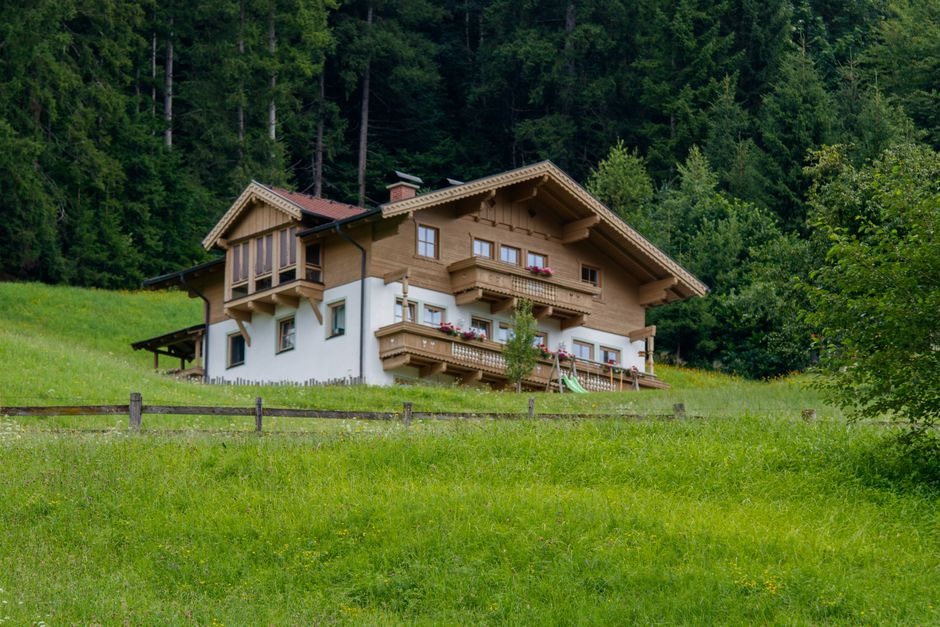
Mountain Property Buyers Prioritize Local Market Guidance in Seasonal Shifts
Mountain real estate brings seasonal pricing, access, zoning and inspection challenges. Here is how local expertise helps buyers evaluate properties and close with confidence.
Navigating competitive mountain housing markets requires localized real estate strategies, clear financial planning, and expert regional home guidance.
Buying real estate in mountain communities means managing distinct conditions that standard suburban markets never experience. Local zoning rules, weather patterns, and fluctuating seasonal valuations affect property values throughout the calendar year.
You need a clear strategy to evaluate mountain properties before making a financial commitment. Aligning your purchasing strategy with regional expertise protects your investment and simplifies every step of the transaction. Start by preparing your finances before buying a Utah home.
How Do You Access Property Search Tools for Your Search?
Finding the ideal mountain sanctuary begins with reliable market data and customized listing portals. You can get started by exploring filtered property listings tailored for mountain home buyers. Advanced search tools allow you to narrow down homes by elevation, acreage, proximity to ski resorts, and seasonal accessibility. Pairing online discovery tools with professional advisory services guarantees that you remain well-informed throughout your search.
Selecting prospective listings with clear search criteria saves valuable time and keeps your goals focused. Reliable search platforms aggregate active market listings, property history details, and zoning categories in one convenient location. Using these digital tools alongside professional real estate guidance simplifies your acquisition process from initial search to closing day. Utah options include Midway and Pine Valley.
What Key Factors Impact Mountain Land and Residential Homes?
Mountain terrain introduces unique structural and legal considerations for property buyers. Steep slopes require thorough geological assessments, while elevation affects winter access, snow removal budgets, and heating efficiency. Building codes regulate roof load capacities, tree clearing, and foundation designs to handle heavy snowfall and high wind conditions. Hillside buyers should also check landslide risk before buying.
Evaluating undeveloped land requires even greater attention to municipal infrastructure. Water rights, well depth requirements, and septic engineering options determine whether a parcel supports construction. Utility hookups can cost more when lines must cross rocky terrain or steep grades.
Before submitting an offer on mountain property, review these practical physical details:
Verify seasonal access: Check whether roads receive public snowplowing or require private contractor services.
Inspect utility connections: Determine electric, gas, and internet availability along property boundaries.
Assess site topography: Examine drainage patterns and slope stability for future building foundations.
Review zoning laws: Confirm local setback rules, short-term rental regulations, and height limits.
Why Is Working With Regional Brokerage Specialists Critical?
Local real estate professionals understand how seasonal shifts impact inventory and pricing patterns. Market activity surges during resort seasons before cooling off during shoulder months. Local agents track off-market inventory, monitor localized price fluctuations, and identify realistic valuation trends across nearby valleys.
According to research published by the National Association of Realtors, 32% of buyers in niche housing sectors named neighborhood market expertise as their primary criterion when selecting a real estate agent. Regional specialists help you navigate local seller expectations and complex environmental disclosures. Their insights protect you from paying premium prices during peak tourism windows when standard market metrics might misrepresent long-term values.
How Do You Navigate Buyer Contingencies and Closing Steps?
Specialized inspections must evaluate wood-burning stoves, chimney flues, private septic systems, and domestic water wells. Standard home inspectors might miss regional hazards like ice damming risks, foundation shifting caused by freeze-thaw cycles, or soil erosion around perimeter structures.
Contract deadlines require careful coordination with lenders who understand rural property appraisals. Appraisers must use relevant regional comparable sales rather than broad county averages that skew asset values. Building buffer time into your purchase agreement gives you adequate room to resolve title issues, verify boundary markers, and finalize hazard insurance coverage before closing.
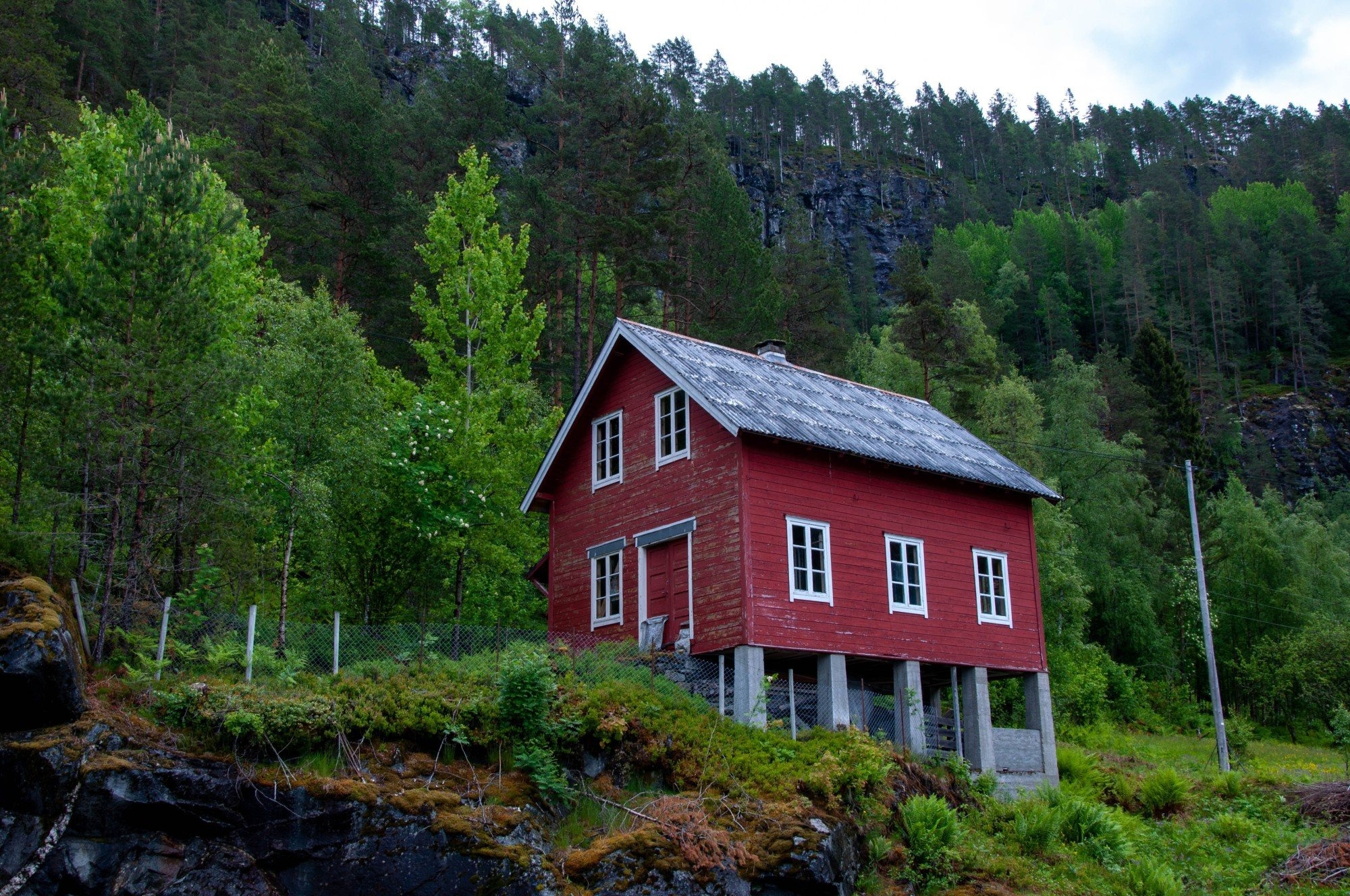
Partnering with seasoned local representatives transforms a complex buying process into an organized, rewarding experience. Experienced regional advisors guide you through shifting seasonal trends, technical land details, and closing steps with confidence. With skilled local representation in your corner, you can acquire your ideal mountain home and protect your long-term investment goals.
Frequently asked questions
What should I check before buying a mountain home?
Why does a local agent matter in mountain real estate markets?
How does elevation affect the cost of owning a mountain home?
What extra inspections do mountain properties need?
Is buying undeveloped mountain land different from buying a home?
Keep reading
More from the blog

Luxury Home Auction Misconceptions, Addressed Directly

10 Modern Home Upgrades to Help Your Utah Home Sell Faster
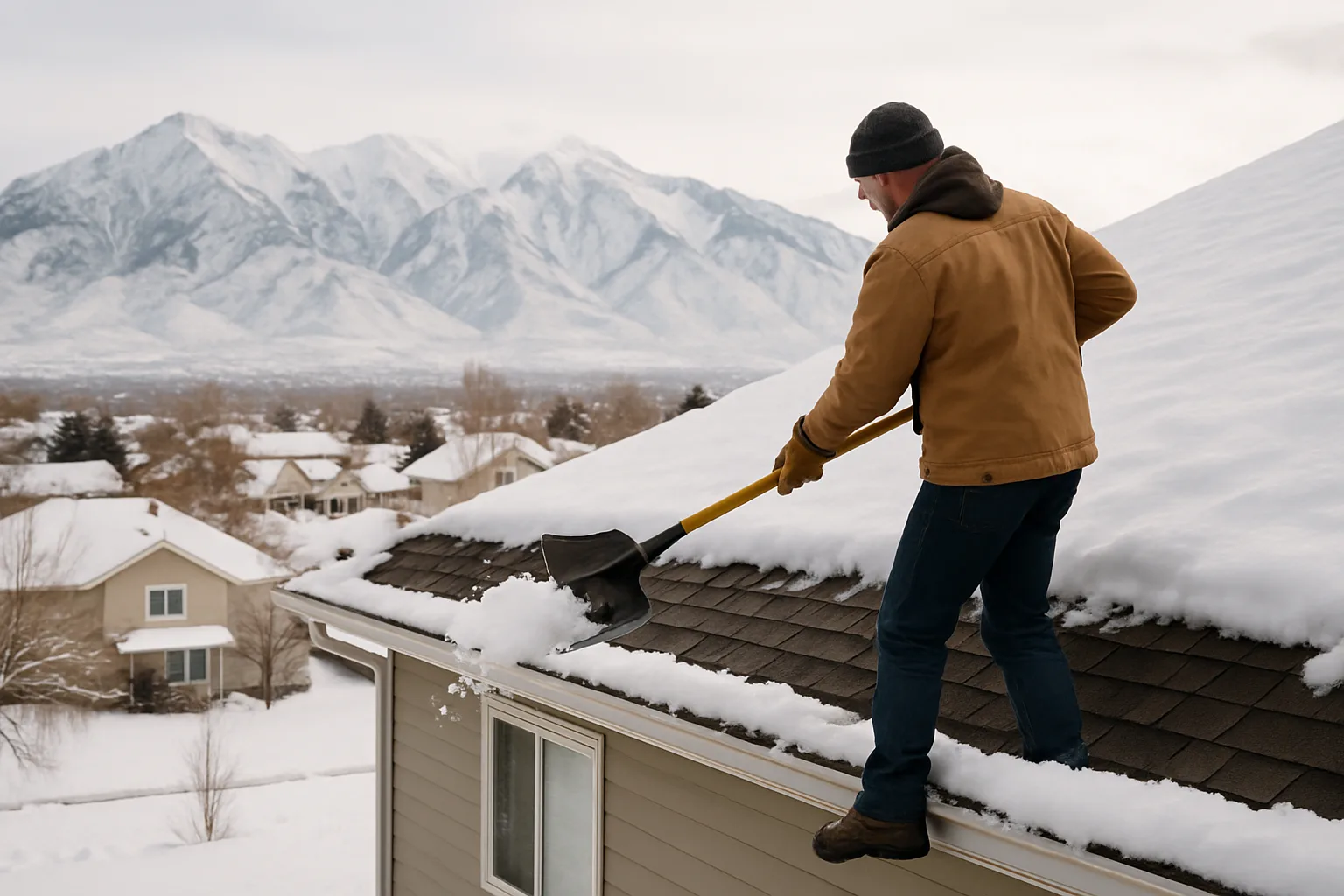
El Niño Winter 2026–27: A Month-by-Month Prep Plan for Utah Homeowners