
Protect Your Family Online While Searching for Utah Homes
House hunting online exposes families to fake listings, phishing emails, and wire fraud. This guide covers practical steps Utah home buyers can take to verify websites, protect personal information, and work safely with real estate professionals.
Source: Pexels.com
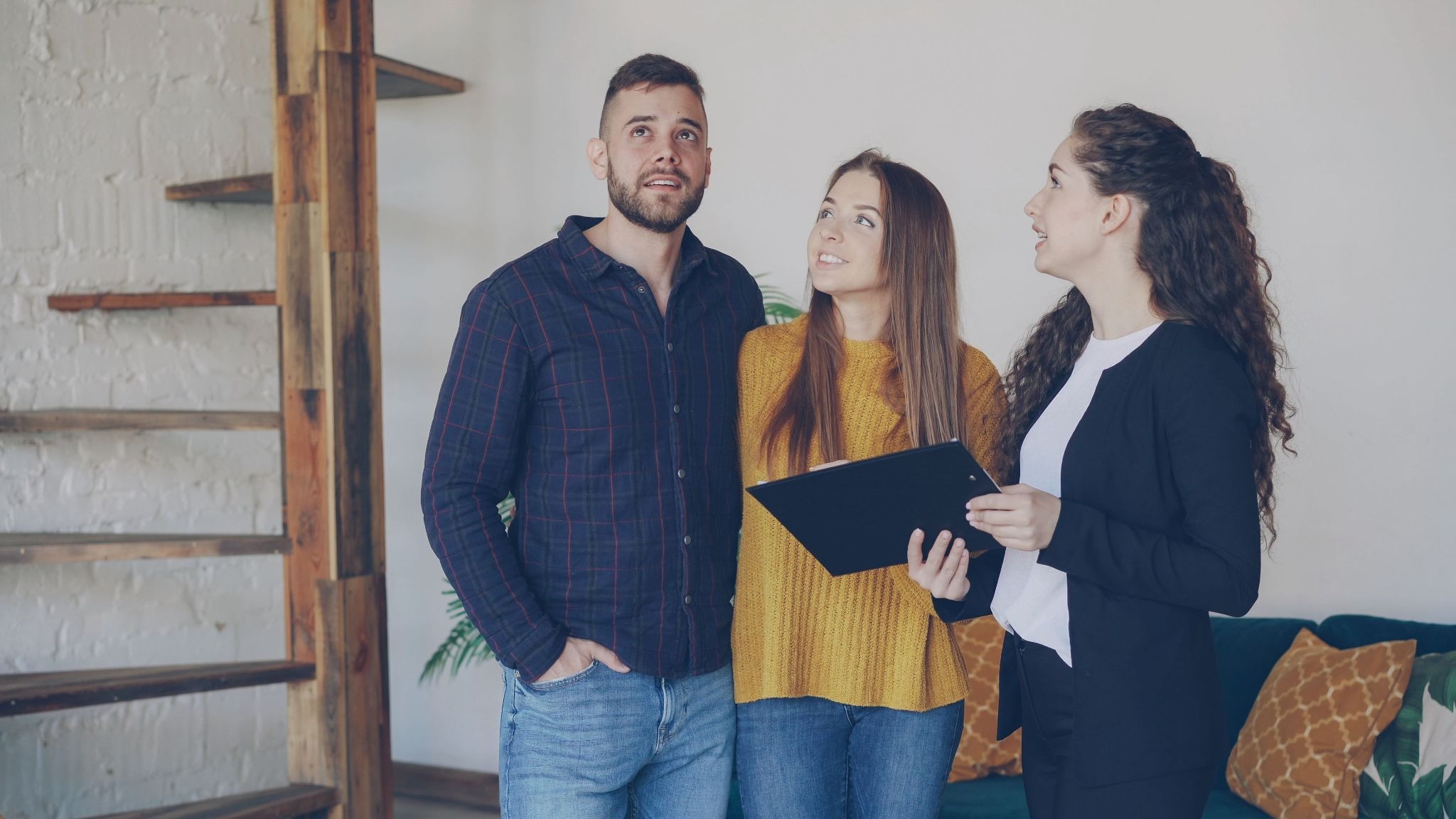
For a home buyer, the whole process begins with such zest and excitement that it's very hard to resist a real estate search after work and on the weekends. Most families will, in general, be able to spend several hours a day looking at houses for sale, visiting different areas, learning how the schools are, and consulting with realtors until the purchase is done.
Searching for the perfect home can be a very emotional experience. Simply put, buying a new place becomes a whole-family affair. The family will spend a lot of time preparing by using digital and physical channels to view listings and explore surrounding neighborhoods, whether they're browsing fast-growing suburbs like Washington, Utah or considering a smaller market such as Toquerville. They will try to learn about the different educational programs at schools in the area.
Verify Websites Before Clicking
A typical house shopping expedition involves going through all sorts of websites dozens of times. Property websites, loan calculators, neighborhood information, moving services, and also financial references all demand research.
Parents can use a link scanner before opening any unusual website to determine if a site is legitimate and safe to visit. This simple precaution is especially important for real estate ads that arrive by email, are shared on social media, or appear on the web. If you spot a dangerous website or phishing email quickly, you can reduce the risk of malware infection, information theft, or falling for a scam.
Be Cautious With Property Listings
Online, people can easily compare houses and apartment listings across the United States. Unfortunately, some criminals use this to create fake listings and scam you out of money.
You might be dealing with a fake listing on a lesser-known site if a property seems way out of its price range compared to other homes for sale. Be cautious of requests to deposit before you can see the property. This is especially common with vacation-style listings, so if you're evaluating a short-term rental purchase, it helps to also understand what makes a rental listing genuinely competitive before assuming a too-good-to-be-true deal is real.
Protect Personal Information
House hunting generally requires you to share a lot of personal details. In the mortgage application, for instance, when discussing loan options or walking through properties you like, you will probably hand over details about yourself, such as your name, home address, cell number, or even banking information.
Future homebuyers must know that they shouldn't be careless about disclosing their private information on the web. They should submit or upload documents only through secure websites with appropriate privacy features and safeguards. Don't share confidential information through channels with low or no security. It's also worth reviewing the details buyers often overlook before closing, since many scams exploit the paperwork gaps that show up in the final stretch of a transaction.
Watch for Phishing Emails
Phishing scams remain the top method criminals use to target realtors and their clients. They utilize different approaches to disguise themselves as lenders, title firms, real estate agents, or other service providers to make you share your personal and confidential details.
They often create a sense of urgency in these communications. A recipient of such emails may be requested to confirm their personal information or, worse, open email attachments and click on strange URLs or links in the email body. One particularly tricky technique involves scammers diverting payments by sending false wiring instructions.
Secure Your Home Wi-Fi Network
Many families look up houses they want to buy online using their personal devices at home. Securing internet access helps keep the data communicated between devices safe.
A secure wireless network at home is a must-have alongside Wi-Fi, which is not just an encrypted connection but also guarded with a strong password. And the regular updating of your router firmware will help you in the long run, as it gives you a better chance of fighting cyberattacks that target the security loopholes that may still be visible in your outdated systems. Newer defenses are continuously being introduced, and they will safeguard your network against threats that are yet to emerge.
Verify Requests for Money
One of the worst real estate frauds involves misleading payment instructions. Cybercriminals may be reading your messages, and they could try to trick you into sending or depositing money into the wrong account, which would cost you money.
Double-check if anyone asks you to deposit earnest money for a purchase, make a down payment on a property, pay closing costs, or make a wire transfer. Just because the email is supposedly from someone your agent or seller said will be involved in the transaction doesn't mean it's safe. You should still call that person using a number not provided in the email to verify that it is really them. If you're moving faster than usual to get a competitive offer accepted, it's still worth pausing to confirm the wire details even when you're focused on how to speed up financing from offer to closing.
Work With Trusted Professionals
You can rely on professionals like agents and brokers for reliable support and guidance in the journey of getting a house or simply looking at different houses. Main contributors to the feelings of security and peace of mind of homebuyers are licensed real estate agents, mortgage consultants, home inspectors, and title companies.
It's not only a good idea but also an efficient one to involve the whole team of experts in the home-buying transaction in one place, enabling them to work together as a single unit and avoid misunderstandings in terminology. Besides, getting the involvement of professional advisors at the very beginning will allow you to detect the issues that might lead to a hassle later and will, in addition, help you to avoid potential problems as well as any red flags. If you're relocating to a growing market, a resource like moving to St. George: where to live and what to check can help you separate legitimate due-diligence steps from red flags.
Stay Safe While Finding Your Utah Home
Thanks to the internet, finding a dream house is very easy, and one can look for Utah real estate on the internet from a coffee shop, park, or even a hotel. But this convenience also means the need for greater caution and online security measures.
Families need to verify that the site they are browsing is genuine. Then, they will have to safeguard all sensitive information and keep an eye out for phishing emails. If one is in good spirits and fully prepared, one can browse for homes without even being aware that it is risky if one's computer is hacked through internet connections or theft.
Frequently asked questions
How can I tell if a Utah home listing is a scam?
What should I do if I get a suspicious wiring instructions email during closing?
Is it safe to search for homes on public Wi-Fi?
What personal information should I avoid sharing during a home search?
How do phishing scams target Utah home buyers specifically?
Should I work with a real estate agent to avoid online scams?
Keep reading
More from the blog
How to Measure and Replace an Odd-Size Window
Shower Curtains for Utah Short-Term Rentals: A Buyer's Guide

Easy Steps to Building a Pond in Your Backyard
