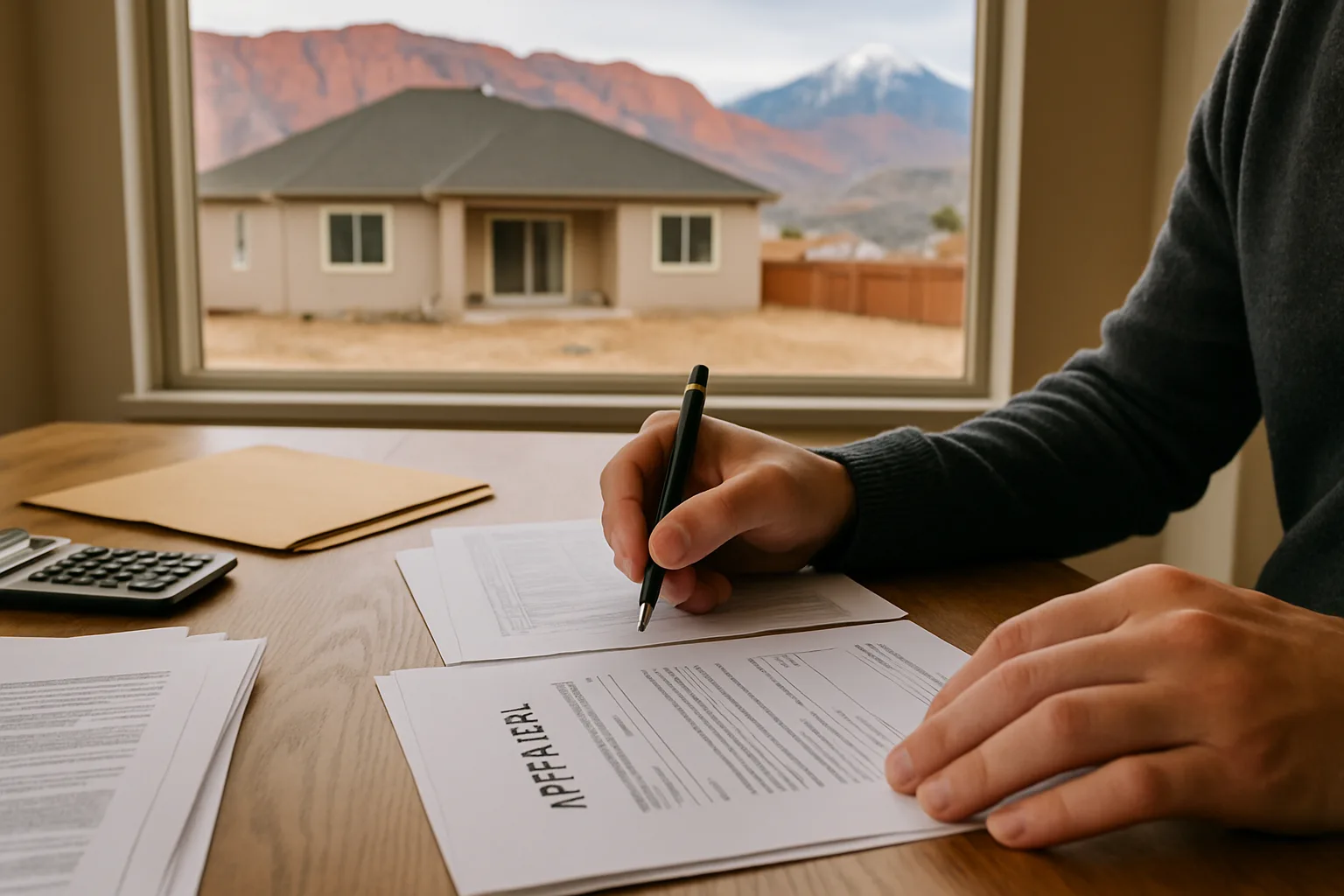
From Offer to Closing: How to Speed Up Property Financing
A step-by-step guide for real estate investors on how to move quickly from an accepted offer to a closed deal, covering pre-approval, DSCR lenders, cash reserves, entity paperwork, and appraisals.
In real estate investing, time is money. Think about it: If a deal gets stuck in underwriting, your profit margins could shrink since carrying costs rise. The seller might become anxious, and competing investors start circling your property like sharks. In a hot market, financing speed is the ultimate tiebreaker between a closed deal and a missed opportunity.
If you want to beat the competition and secure your next asset, you can’t afford to close the deal at a snail’s pace. Here is a practical, step-by-step guide to take you from an accepted offer to a successful closing as quickly as possible. If you're evaluating inflation-resistant investment strategies alongside your financing timeline, these same principles apply to Utah rental purchases.
Step 1: Get Pre-Approved and Have Your Property Numbers Ready
Get a mortgage pre-approval from your bank before you begin your property search. If you wait until after your offer is accepted to start the financing conversation, you risk losing valuable time. Locking in a purchase price proves to sellers that you are a serious buyer. Since rental income drives everything in investor financing, gather your projected rent, comparable lease data, and expense estimates ahead of time. For example, if you are looking at DSCR loans in Texas, lenders will calculate your debt service coverage ratio by dividing monthly rent by the mortgage payment. If you're financing a short-term rental, collect nightly pricing data from comparable listings, too — the same due diligence applies whether you're buying in Washington, Utah or a fast-growing Wasatch Front suburb.
Step 2: Choose a Lender That Underwrites on Cash Flow
Not all lenders move at the same pace, and the difference usually comes down to what they're verifying. Banks and lenders who rely on personal tax returns and W-2s will spend weeks digging through years of documentation. On the other hand, portfolio or DSCR lenders underwriting on the property's actual income may be able to confirm eligibility within a day or two of reviewing the deal, as there's less paperwork to sift through.
Step 3: Get Your Cash Reserve Ready Early
Most investor loans require you to show liquidity with several months of reserves. Lenders will want to see that you have enough cash reserve to cover three to six months of mortgage payments. They will accept savings, brokerage accounts, or retirement balances, but you must prove the funds exist. Pull these asset statements before you submit an offer so you don't have to scramble for them once underwriting has started.
Step 4: Decide How You're Taking Title Before Closing Day
Are you closing under an LLC or a corporate entity? If so, get your operating agreement, articles of organization, and EIN letter organized immediately. Taking title is important in investor financing because it legally establishes who owns the property. Lenders need to verify that your entity is legally formed and in good standing. This is one of the most common places deals stall, usually because no one thought to check the corporate paperwork until the final week of closing. If you haven't formed your entity yet, review how to set up an LLC for your rental property in Utah well before you're under contract.
Step 5: Ask for a Fast Appraisal and Rental Survey
Once you're under contract, the appraisal and the rental income survey will take the most time, often between two and three weeks. Therefore, as soon as your offer is accepted, ask your lender how quickly they can schedule them. Make sure they assign an appraiser who specializes in investment properties; a general residential appraiser can hold up the process with endless follow-up questions. A thorough roof inspection and property condition report can also help the appraisal move faster by heading off surprises.
Step 6: Clear Underwriting Conditions the Same Day
Remember, every single day you sit on an underwriting request for a document, the clock is ticking. When you treat a lender's request as something that can be put off until the weekend, it can easily add more days to your closing timeline. Create a dedicated digital folder where you can collate your entity documents, lease agreements, and bank statements before you even apply. This way, when a condition comes up, you can respond the exact same day.
Final Thoughts
Closing a rental property deal in about 30 days isn't a matter of luck; you just need to be systematic and get your paperwork in order early in the process, choose a lender whose underwriting model fits how your income works, and stay responsive when underwriting is underway. So, follow all steps above in the order they are, and you will be closing deals faster than your competitors.
Frequently asked questions
How long does it typically take to close on an investment property?
What is a DSCR loan and why do investors use it?
How much in cash reserves do lenders require for investment properties?
Should I buy a rental property under an LLC in Utah?
Why do investment property appraisals take longer than regular home appraisals?
What's the fastest way to clear underwriting conditions on a rental loan?
Keep reading
More from the blog

How Utah Decides Where Homeless Shelters Go: Siting Rules and Public Records in 2026
Sign PDF Online: Fastest Way to Manage Digital Documents

When a Utah HOA Stops Working: Who Pays for Roads, Walls and Common Areas