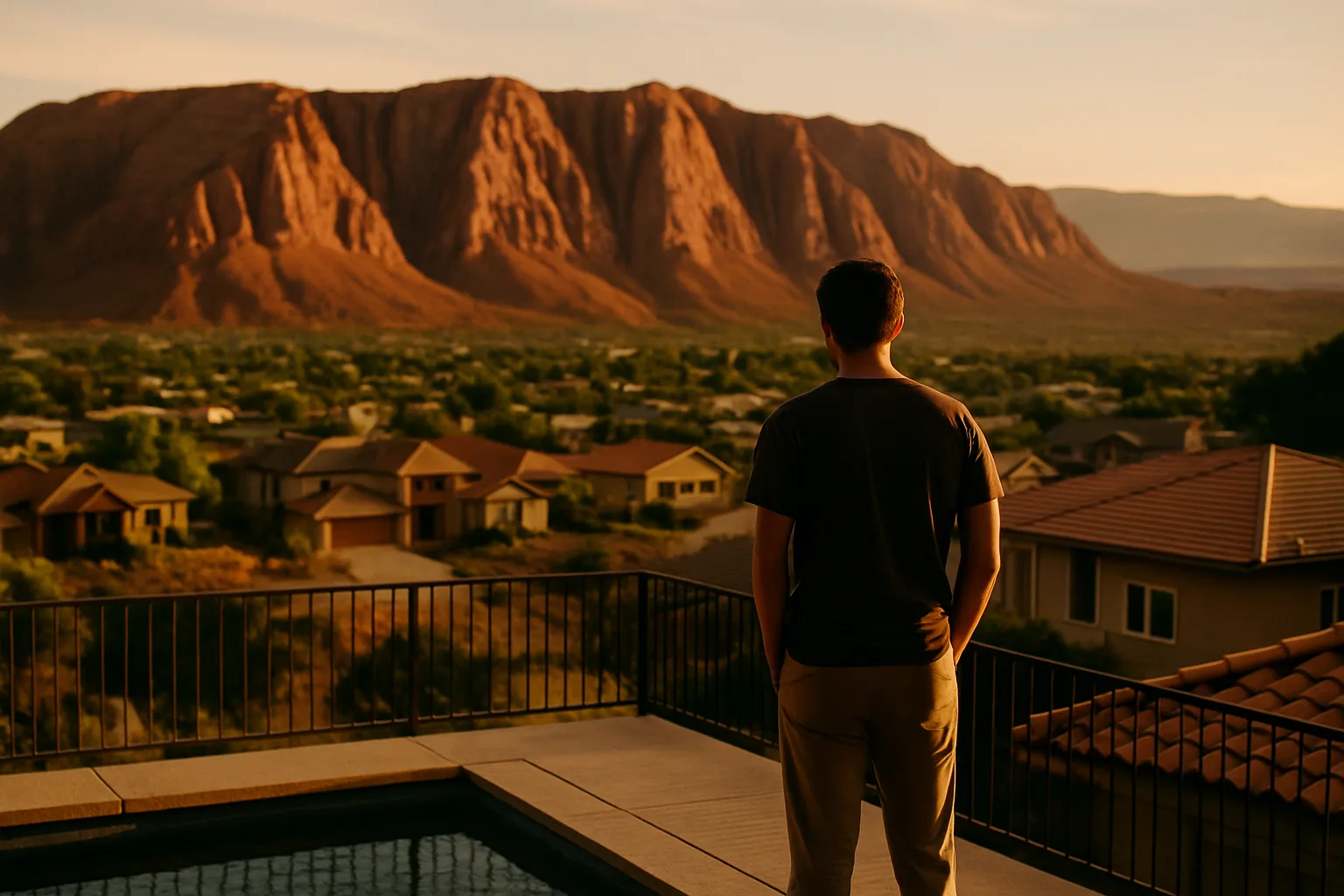
Moving to St. George Utah: Where to Live, What Homes Cost, and What to Check
A neighborhood-by-neighborhood guide to moving to St. George, Utah, covering current home prices, negotiating conditions, and the due diligence buyers need before choosing a community.
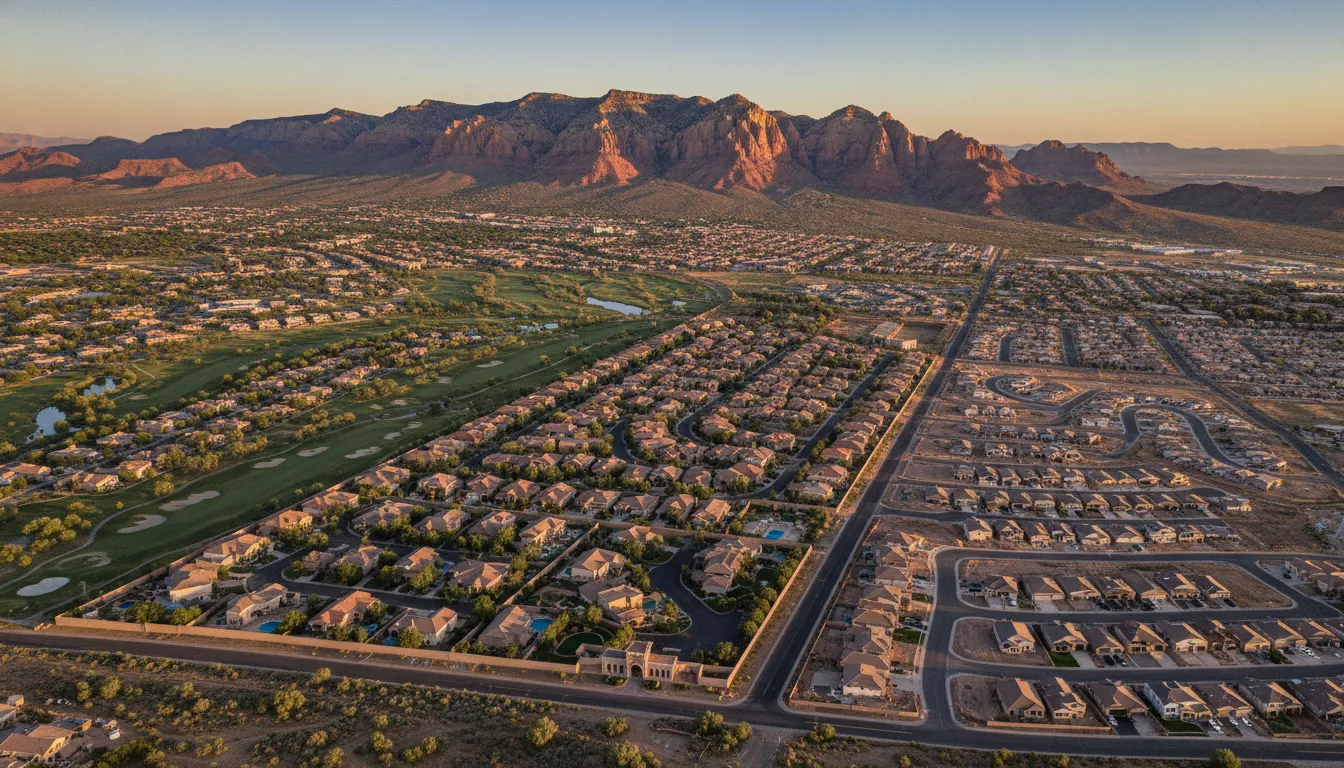
St. George offers far more variety than a quick online home search suggests. A buyer can choose historic streets near downtown, golf-oriented communities on the west side, gated red-rock neighborhoods, family-focused subdivisions, age-qualified housing, or newer master-planned developments with extensive amenities.
Choosing the right area requires more than comparing bedrooms, square footage, and finishes. Traffic patterns, HOA rules, future construction, school boundaries, lot conditions, short-term rental restrictions, and the age of the home can all shape daily life and long-term ownership costs.
This overview explains where to live in St. George, Utah, what recent local sales data indicates about home prices and negotiating conditions, and how buyers can narrow their search with confidence.
What Is It Like to Live in St. George?
St. George is a fast-growing Southern Utah city known for desert scenery, warm weather, outdoor recreation, golf, and access to services. Its neighborhoods range from established central areas with mature trees to new communities still surrounded by active construction.
That range makes St. George appealing to many types of households, including retirees looking for low-maintenance living, families seeking parks and detached homes, buyers prioritizing views, and second-home owners interested in amenity-rich communities.
For buyers researching current listings and communities across the state, Best Utah Real Estate provides Utah-focused home search resources and market information.
St. George Home Prices and Negotiating Conditions
Recent MLS sales data discussed for St. George placed the median sold price at approximately $536,900. The typical median property had three bedrooms, two and a half bathrooms, roughly 2,000 square feet, and sold for about $259 per square foot.
Price alone does not determine negotiating room. Listing history, condition, location, days on market, competing inventory, and seller motivation all matter. The same sales data showed a median marketing period of 53 days. Median sales were about 98.5% of the final list price and approximately 96% of the original asking price, reflecting the impact of price reductions on some listings.
Homes that sold within their first 30 days averaged about 98.4% of asking price. Properties that stayed on the market longer than 120 days averaged closer to 90% of their original list price. These figures are market snapshots, not guaranteed outcomes for an individual property.
Practical takeaway: A buyer should not make an offer based solely on an area-wide percentage. A well-priced, recently listed home may require stronger terms than an older listing with several price changes, deferred maintenance, or limited appeal.
Best St. George Neighborhoods by Lifestyle
Downtown and Central St. George for Established Homes and Convenience
Central St. George is a strong match for buyers who value established streets, mature landscaping, architectural variety, and proximity to retail, restaurants, parks, business areas, Utah Tech University, and freeway access.
Housing includes older homes, historic properties, remodeled residences, and homes that retain original layouts and systems. The charm and lot character can be meaningful advantages, but buyers should inspect the age and condition of major components carefully, including a thorough roof inspection before making an offer.
Roof age and expected replacement needs
HVAC condition and service history
Plumbing materials and prior repairs
Window condition and energy performance
Permits and quality of additions or remodels
Central locations can also mean more activity and traffic than outer neighborhoods. Buyers who prefer an established neighborhood and quick access to city amenities may find that trade-off worthwhile.
Foremaster and Red Cliffs for Medical Access, Views, and Central Location
The Foremaster and Red Cliffs area offers convenient access to the freeway, shopping, restaurants, hospitality, and medical facilities, including the main regional hospital. Housing choices include single-family homes, townhomes, condominiums, and some newer development.
Homes above the hospital may offer elevated views across St. George and can feel more removed from busy corridors. Lower areas closer to commercial services may experience heavier commuter traffic, particularly during morning and evening travel periods.
This area can suit buyers who want central access and value being close to healthcare, retail, and major roads.
Green Valley, Sunbrook, Southgate, and Divario for Golf and West-Side Living
Green Valley and nearby west-side communities offer a mix of established homes, townhomes, golf-adjacent properties, resort-oriented housing, and newer construction. Sunbrook Golf Course is a key feature of the area, and some homes overlook or sit near golf fairways.
Southgate and Sunbrook may appeal to buyers looking for a golf lifestyle, while Divario provides a newer development option on the west side. New restaurants, retail, and family amenities such as Thunder Junction Park add to the area's convenience.
Many properties in these communities have HOAs. A lower purchase price can be offset by higher monthly dues, so buyers should calculate the full monthly cost before comparing homes — see this breakdown of where HOA fees actually go.
Buyers drawn to golf-centered living can also review St. George golf course options and nearby communities.
Entrada and The Ledges for Red Rock Views, Gated Living, and Low Maintenance
Entrada and The Ledges sit along the Snow Canyon and Highway 18 corridors, where the red and white rock scenery is a major part of the appeal. These areas include gated communities, golf properties, custom homes, luxury residences, and many single-level homes with low-maintenance landscaping.
These neighborhoods may be especially attractive to buyers seeking views, privacy, walking paths, golf access, and a quieter residential setting. They also tend to attract households that prefer smaller yards and less outdoor maintenance.
View protection deserves special attention. An empty lot next to a home may eventually be developed, and a future structure could affect a mountain, city, or red-rock view. Buyers should investigate the ownership and development status of neighboring parcels before assigning a premium value to a view.
Little Valley, Hidden Valley, Desert Hills, and Stone Cliff for Parks and Detached Homes
Little Valley, Hidden Valley, and Desert Hills are popular for detached homes, neighborhood parks, varied lot sizes, and a suburban feel. Little Valley is particularly associated with pickleball and family-oriented recreation.
Stone Cliff offers a different experience within the broader southeast area. It features a more elevated setting, gated sections, and higher-end homes that may appeal to buyers seeking privacy and views.
Homes in southeast St. George can be farther from freeway entrances and certain major retail areas. Before making an offer, buyers should assess driving routes, school boundaries, drainage, topography, and undeveloped land nearby. New commercial development and amenities may improve convenience over time, but nearby construction can also change traffic and noise conditions.
Bloomington Hills for Mature Streets and Varied Lots
Bloomington Hills provides an established setting with mature landscaping, older homes, remodeled properties, golf-area housing, and lot configurations that can vary more than those in newer subdivisions. The location also offers convenient access to both southern and central St. George.
Older homes may provide more space between neighboring properties, but buyers should account for potential updates to roofs, heating and cooling systems, landscaping, and drainage. A thorough review of renovation history can help distinguish a cosmetic refresh from a more complete renovation.
Flood-zone status, drainage patterns, golf course proximity, and access to major roads should be part of the evaluation. For a broader look at nearby community choices, review the best areas around St. George.
SunRiver for Age-Qualified Retirement Living
SunRiver is an age-qualified community that attracts many retirees seeking a social, lower-maintenance lifestyle. Homes in the community have often been available in the mid-$400,000s to $500,000s, although pricing varies by property, condition, upgrades, and market conditions. Buyers weighing this stage of life may also want to read this guide to retiring in St. George, which covers HOA fees and healthcare access in more detail.
Before purchasing in an age-qualified community, buyers should review:
Age and occupancy requirements
HOA dues and services included
Landscaping and exterior maintenance responsibilities
Community amenities and access rules
Guest and occupancy policies
Garage size and storage needs
Long-term lifestyle needs matter as much as the home itself. A buyer should consider how the property will work several years into retirement, not only whether it fits current preferences.
Desert Color for Resort Amenities, New Construction, and Multiple Home Types
Desert Color is a large master-planned community with detached homes, townhomes, condominiums, trails, clubhouse amenities, lagoon and beach-oriented features, and continuing residential and commercial development. It offers a distinctly different environment from older parts of St. George.
Buyers may find short-term-rental-eligible homes starting in the $400,000s to $500,000s, while smaller non-rental condominiums may be available in the high $200,000s. Eligibility, pricing, and rules can change, so each property must be verified individually.
The trade-off for new amenities is continuing growth. Construction activity, future commercial development, and increasing traffic should be expected in a developing master-planned area. Buyers considering rental use should also read the rules affecting vacation rentals in St. George before relying on projected income, and may find it useful to compare Pecan Valley Resort against Desert Color as rental-eligible options.
Desert Canyons and the Southern Parkway Corridor for Newer Homes Near the Airport
South of the airport, Desert Canyons and the Southern Parkway growth corridor offer newer homes and a more removed feel. Highway 7 provides relatively direct access to major shopping and services, while the surrounding area continues to develop.
This location may suit buyers who prefer newer construction, proximity to the airport, and a neighborhood that feels less central. However, development activity can remain nearby for years. Heavy equipment, new roads, construction traffic, and changing views are realistic considerations in emerging areas.
How to Choose the Right Part of St. George
A useful approach is to identify the priorities that cannot be compromised, then compare neighborhoods against those priorities.
Established setting and central convenience: Downtown or central St. George
Medical access, retail, and central transportation: Foremaster and Red Cliffs
Golf, west-side amenities, and HOA communities: Green Valley, Sunbrook, Southgate, or Divario
Luxury, gates, scenery, and low-maintenance living: Entrada or The Ledges
Detached homes, parks, and suburban neighborhoods: Little Valley, Hidden Valley, or Desert Hills
Mature streets with varied lots: Bloomington Hills
Age-qualified retirement housing: SunRiver
New construction and master-planned amenities: Desert Color
Newer homes near the airport and future growth: Desert Canyons and Southern Parkway
Buyer Due Diligence Checklist for St. George Homes
In St. George, the details surrounding a property can be as important as the house itself. A buyer should complete due diligence before removing contract contingencies or finalizing a purchase.
Review HOA Documents Thoroughly
HOA rules and costs vary substantially among St. George communities. Buyers should read the CC&Rs, bylaws, budget information, and any available meeting records. Key questions include:
What are the monthly dues and transfer fees?
What maintenance does the HOA cover?
Are there parking restrictions?
Are pets limited by number, size, or type?
What landscaping standards apply?
Are rentals permitted, restricted, or prohibited?
Are there occupancy limits or guest rules?
Which amenities are included with ownership?
Buyers who prefer fewer restrictions should verify whether a home has no HOA rather than assuming an established neighborhood is exempt from one.
Verify Short-Term Rental Eligibility
Short-term rentals are not automatically allowed throughout St. George. Rentals shorter than 28 days are generally limited to properly designated and zoned locations, and HOA rules can add another layer of restrictions.
A home should never be purchased as an Airbnb or vacation rental based only on nearby listings or an informal statement. The specific property's zoning, city requirements, HOA documents, and any required approvals should be confirmed before an offer depends on rental income.
Check Flood Zones, Drainage, and Soil Conditions
Flood-zone status, drainage patterns, and blue clay concerns can affect insurance, maintenance, construction choices, and resale considerations. Buyers should review property disclosures, maps, inspection findings, and site-specific conditions rather than relying on neighborhood assumptions.
Investigate Adjacent Land and Future Development
Undeveloped land can be owned by a builder, private party, public agency, the state, or the Bureau of Land Management. Ownership and zoning can provide clues about what may be built nearby, though future development plans can change.
This step is especially important for properties marketed for open space, quiet surroundings, or protected views.
Consider Home Orientation and Outdoor Use
St. George's sunny climate makes outdoor orientation important. Buyers should think about when they expect to use the yard, patio, pool, driveway, or front entry. Morning sun, afternoon heat, shade patterns, and prevailing views can influence comfort more than a floor plan may suggest.
Confirm School Boundaries Directly
St. George is served by the Washington County School District. School assignments can change as new schools open and population patterns shift. Families should verify current boundaries directly with the district before making a purchase decision based on a particular school.
Common Mistakes When Buying a Home in St. George
Assuming every St. George home permits short-term rentals. City zoning and HOA rules both matter.
Ignoring HOA costs while focusing on sale price. Monthly dues can significantly affect affordability.
Paying for a view without investigating vacant neighboring land. Future construction may alter the view.
Overlooking major systems in an older home. Roofs, HVAC systems, plumbing, windows, and additions deserve close inspection.
Assuming a new neighborhood is complete. Development, construction traffic, and commercial growth can continue for years.
Using citywide market statistics as an offer formula. Each property requires a listing-specific analysis.
Failing to verify school boundaries. Boundary information should be confirmed before closing.
Final Takeaway
St. George is not one uniform housing market. Its established central neighborhoods, golf communities, luxury red-rock enclaves, retirement housing, family-oriented subdivisions, and growth corridors each offer different benefits and trade-offs.
The strongest home search begins with lifestyle priorities, then tests each property against practical concerns such as HOA restrictions, future development, drainage, home condition, orientation, school boundaries, and rental rules. Buyers who evaluate both the home and its surrounding context are better positioned to choose a St. George neighborhood that fits for the long term.
Additional relocation considerations, including climate, cost, and community trade-offs, are covered in this St. George Utah relocation guide.
Frequently asked questions
What is the median home price in St. George, Utah right now?
Which St. George neighborhoods are best for retirees?
Where should families look for homes in St. George?
Can any home in St. George be used as an Airbnb or short-term rental?
How far is St. George from Las Vegas and the airport?
How much can buyers realistically negotiate on a St. George home?
St George, Utah housing market
A quick read on what homes are doing in St George right now — pulled live from the MLS.
Keep reading
More from the blog

Why People Are Moving to St. George, Utah in 2026
Pecan Valley Resort vs. Desert Color: St. George Rental Guide
Casitas & House Hacking: How St. George Buyers Afford More Home