Understanding the Impact of Natural Disasters on Your Roof
High winds, hail, and heavy rain can quietly compromise a roof's structural integrity long before leaks appear indoors. This guide covers how storms damage roofs, how to spot hidden hail and water damage, and which materials offer the best long-term protection.
Severe weather events test the structural strength of every home across the country. High winds, freezing ice, and heavy downpours can strip away protective exterior layers in minutes. Unchecked storm damage quickly threatens the safety of your entire household.
Recognizing early warning signs prevents expensive structural restoration work later. Property owners must understand how major environmental threats affect house tops to keep families completely secure. Proactive care guarantees long term safety against unpredictable climate patterns, which matters just as much for Wasatch Back homes in Midway as it does for desert properties near Washington, Utah.
How Severe Storms Attack Structural Integrity
Strong weather systems generate extreme wind pressures capable of lifting outer building materials. Uplift forces separate shingles from roof decks, leaving underlying plywood vulnerable to severe rain. Wind gusts loosen flashing around vulnerable chimneys and wall joints.
High winds turn yard items and loose debris into high-speed airborne projectiles. Direct impacts crush outer seals, split wooden rafters, and tear off protective trim pieces. Even small flying objects create hidden microfractures in outer protective layers.
Heavy downpours quickly overwhelm clogged drainage systems during continuous weather events. Water pools along roof valleys, soaking into inner framing and starting internal structural rot. Long-standing pools eventually cause interior ceiling sagging and drywall damage.
Identifying Hidden Damage After Severe Hailstorms
Ice impacts during severe weather cause immediate surface bruises on asphalt materials. Direct strikes dislodge mineral granules, exposing inner asphalt layers to harsh ultraviolet light. Weakened spots rapidly deteriorate under intense sunshine.
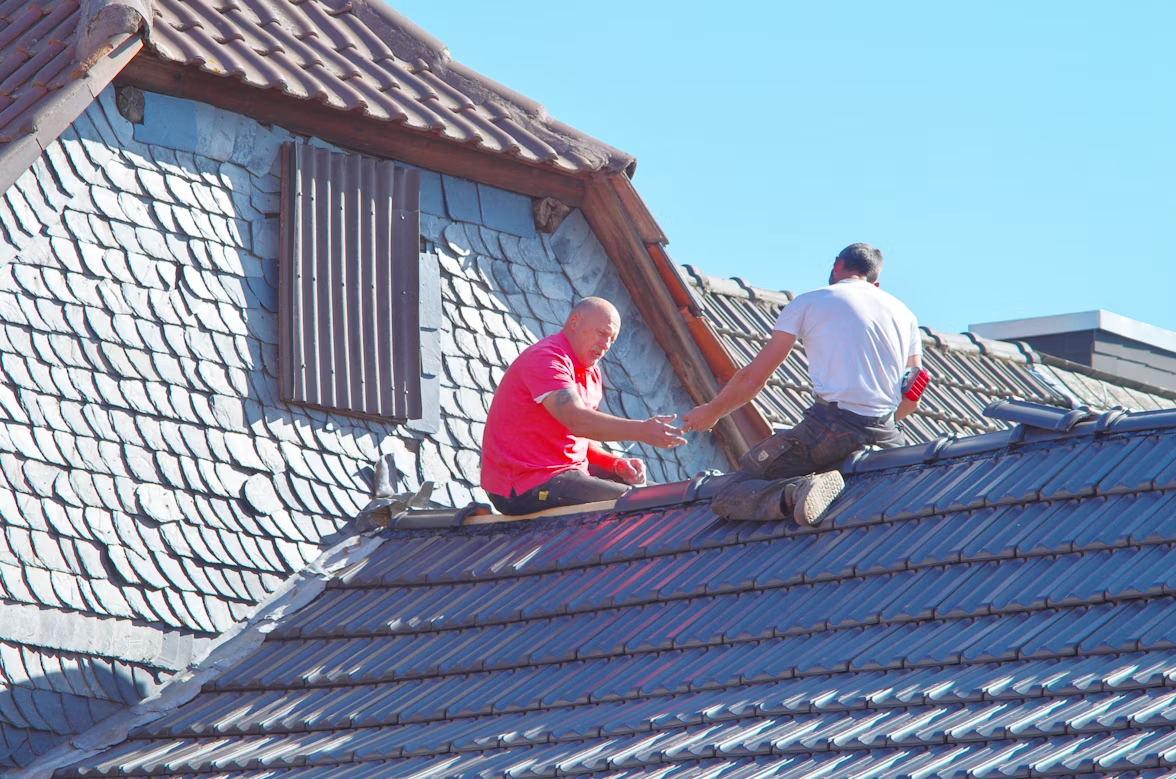
Homeowners often miss subtle hairline cracks in wood framing following extreme storm events. Scheduling professional roof repair after hail damage restores compromised structural barriers before leaks spread indoors. Early inspections prevent minor surface indentations from turning into major internal ceiling leaks.
Granule loss leaves underlayment materials exposed to sun and heat degradation. Structural seals break down rapidly once protective mineral shields wash into downspouts. Early detection stops minor surface denting from evolving into total system failure.
Financial Consequences of Severe Convective Storms
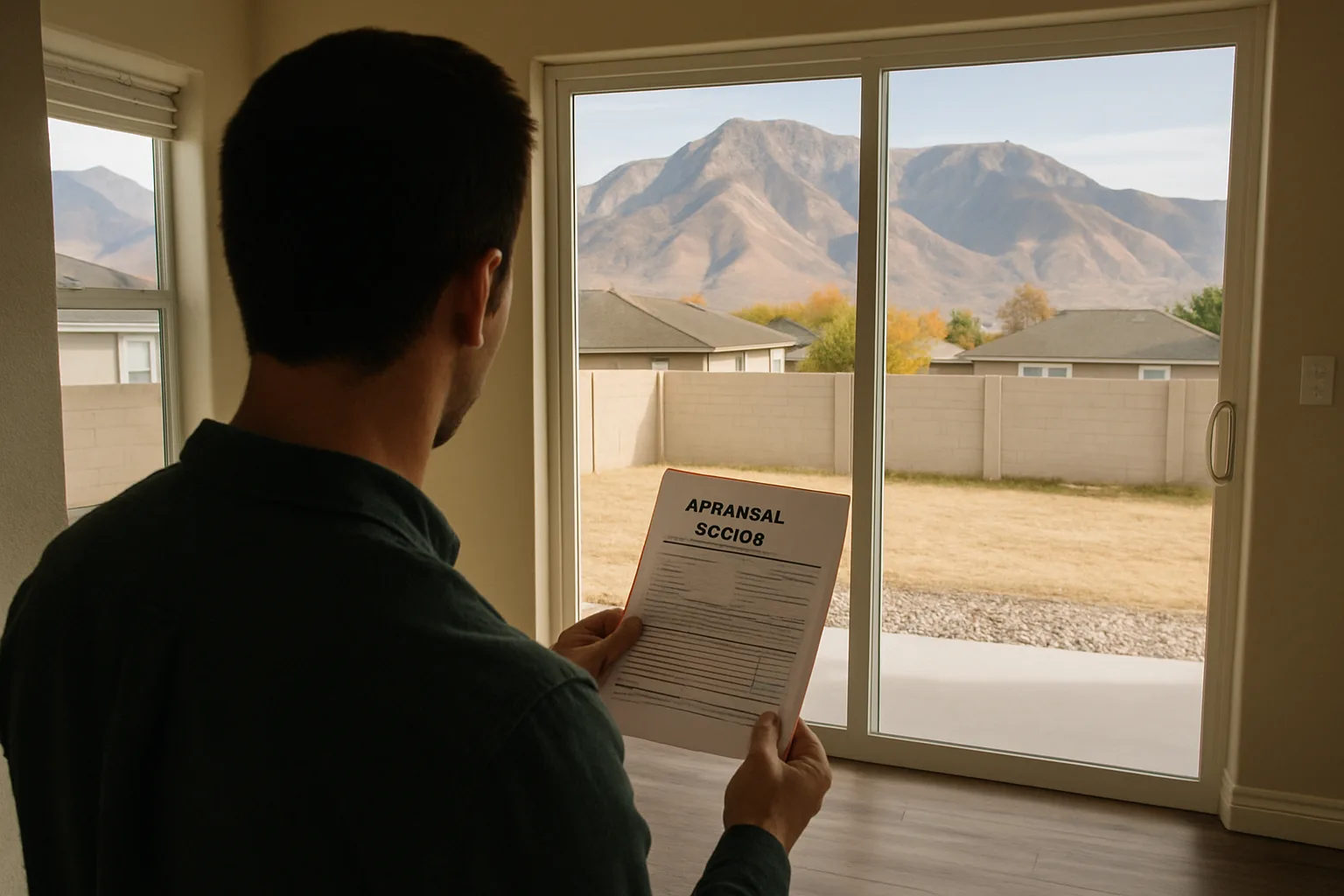
Storm damage financial losses reach massive numbers every single year across the nation. Recent industry research indicates hail claims represent 50% to 80% of annual severe convective storm damage costs. These figures highlight the immense economic burden placed on property owners annually, which is a key reason to prepare your finances thoroughly before buying a Utah home with an older roof.
Property owners facing unexpected restoration expenses must navigate complex insurance claim procedures. Comprehensive photo documentation collected right after a storm helps validate insurance claims. Detailed records speed up approval times and secure fair reimbursement amounts.
Ignoring minor surface cracks leads to significantly higher repair bills down the road. Water entering small framing gaps destroys interior drywall, ceiling tiles, and electrical wiring. Timely structural care minimizes total out-of-pocket repair expenditures, and can even affect your assessed value for Utah property taxes if left unaddressed.
Critical Steps for Post-Disaster Safety Inspections
Safety remains the top priority when evaluating a home after severe weather clears. Ground-level checks using powerful binoculars reveal missing shingles without risking personal injury. Walking on damaged house tops creates severe safety hazards for untrained individuals.
Property owners should look for specific visual indicators of storm impact from the ground:
Dented metallic gutters, downspouts, and rooftop vent caps
Missing, curled, or cracked asphalt shingles near outer edges
Large piles of loose shingle granules collecting near downspout outlets
Attic space inspections provide clear evidence of structural breaches above living quarters. Dark water stains, sagging wood panels, or damp insulation require immediate repair work. Identifying moisture early keeps wood framing strong and mold-free.
Handling Hazardous Materials in Older Structures
Clearing storm debris from vintage properties requires extra caution and proper safety equipment. Environmental safety agencies note older building materials like roof shingles and ceiling tiles often contain hazardous asbestos. Unplanned disturbances make storm recovery far more complex for aging homes, including many historic properties in towns like Parowan.
Disturbing broken shingles during cleanup operations releases invisible hazardous fibers into surrounding air. Breathing these airborne particles poses serious long-term health risks for property owners. Proper safety containment barriers must remain active throughout cleanup operations.
Contractors specializing in hazardous material mitigation must examine damaged historical buildings carefully. Certified professionals safely clean up contaminated building materials using specialized containment gear. Expert handling guarantees compliance with strict environmental health standards.
Preventing Water Intrusion Under Compromised Shingles
Water entering small gaps beneath outer shingles causes fast internal material decay. Accumulated moisture rots underlying wooden decking, weakening the entire structural frame of the house. Undetected leaks spread quickly across wooden support beams.
Emergency tarping offers immediate temporary protection as homeowners arrange full restoration. Installing heavy-duty plastic covers prevents incoming rainwater from saturating internal structural support beams. Quick temporary shielding shields interior rooms from water damage.
Synthetic underlayment products provide far superior water resistance compared to standard felt paper. Adding stronger modern sub-layers safeguards structures against future extreme rainfall events. Quality moisture barriers keep interior spaces dry through severe downpours.
Choosing Impact-Resistant Materials for Future Protection
Selecting high-durability building products reduces structural vulnerability during future weather events. Class 4 impact-rated shingles endure heavy ice strikes without splitting or losing protective coatings. Durable materials offer long-term defense against unpredictable weather patterns.
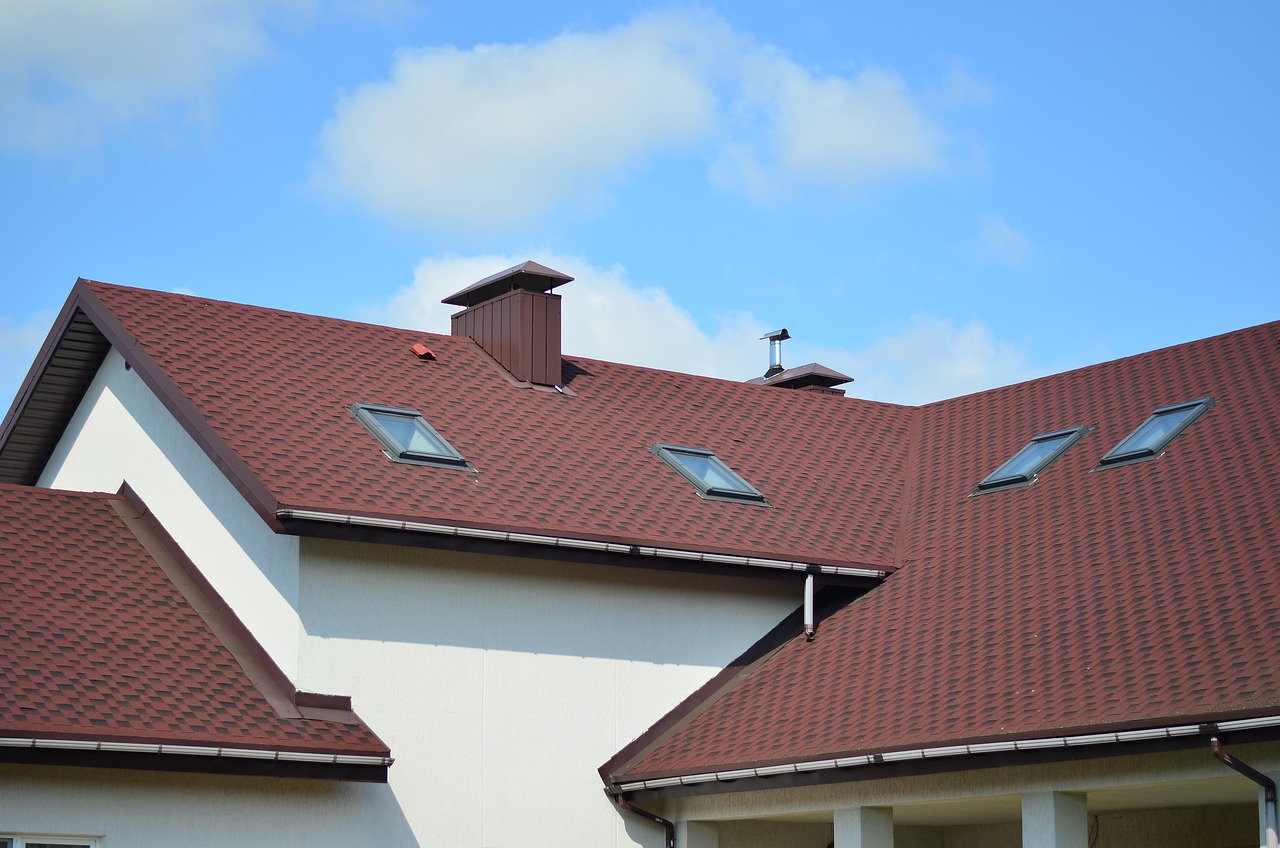
Interlocking metal panel systems offer superior wind uplift protection during major windstorms. Metal surfaces shed heavy rain and snow efficiently, shielding roof decks underneath. Modern designs combine extreme durability with attractive exterior aesthetics.
Investing in quality building materials protects general property value and minimizes long term maintenance costs. Stronger house tops withstand severe local weather patterns and deliver reliable protection. Premium roofing upgrades provide lasting peace of mind for every homeowner, and can be a smart consideration when reviewing overlooked details before closing on a home.
Taking swift action after major weather events keeps homes structurally sound and watertight. Routine maintenance combined with professional property checks minimizes unexpected structural restoration bills. Early intervention saves significant time and money over the lifetime of your property.
Choosing high-quality replacement materials guards your home against upcoming seasonal weather challenges. Protecting house tops preserves complete structural strength for many years to come. Wise investments today secure comfortable living spaces for years ahead.
Frequently asked questions
How do I know if my roof has hidden hail damage?
How much of a roof storm claim does insurance typically cover?
Is it safe to inspect my own roof after a storm?
What roofing material holds up best against Utah's severe weather?
Could my older Utah home's roof contain asbestos?
How quickly should storm roof damage be repaired to avoid bigger problems?
Keep reading
More from the blog
Pre-Purchase Home Plumbing Inspection Guide for Buyers
The Field Kit Every Property Manager Should Carry

Preparing Your Finances Before Buying a Utah Home