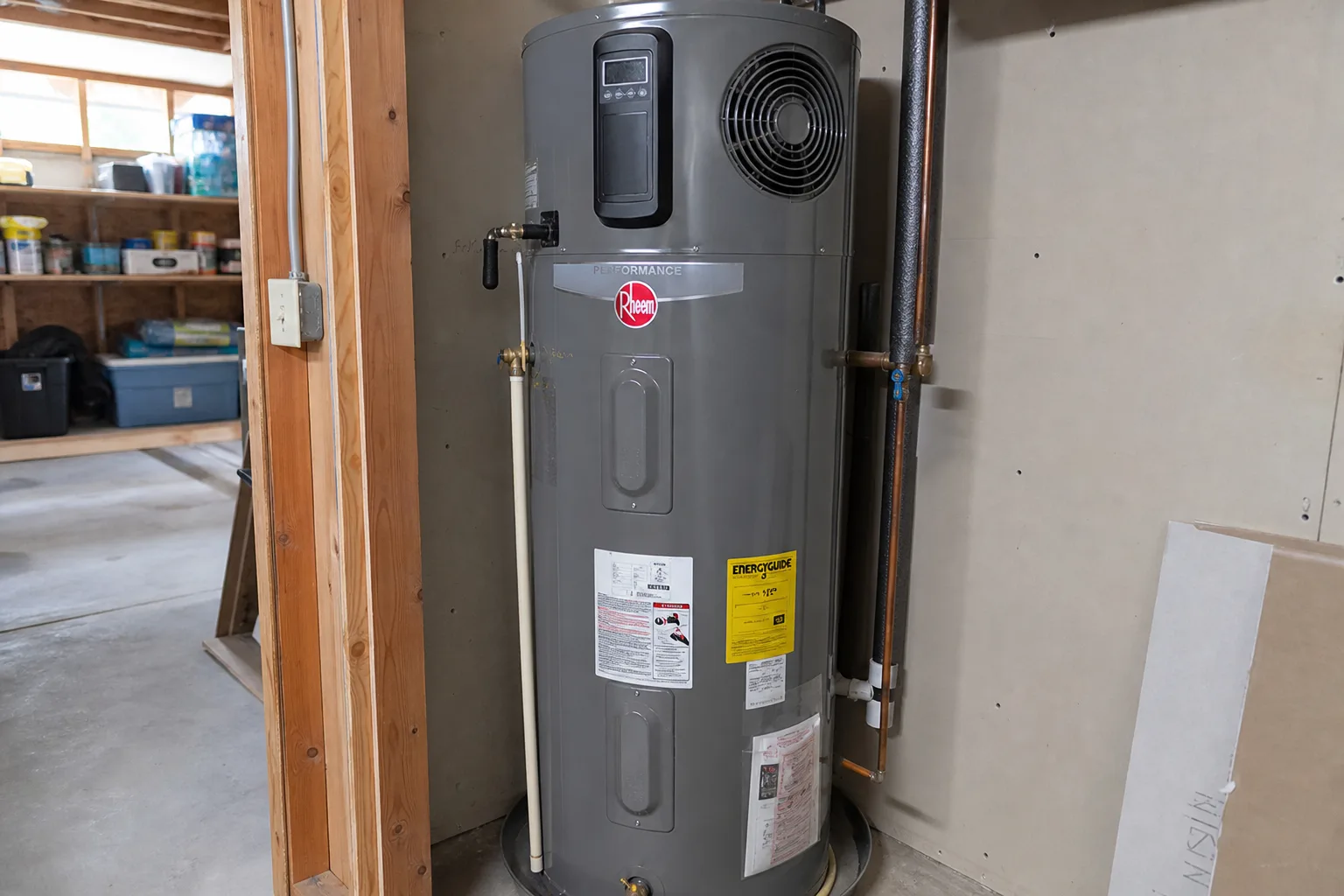
Does Water Heater Increase Home Values?
A new, energy-efficient hot water system can make a home more appealing, though it won't guarantee a higher price. Learn what buyers value and what to check before upgrading.
Yes, installing a new, energy-efficient hot water system can increase your home's value, but it doesn't guarantee a higher selling price. Buyers can benefit from lower running costs, reliable hot water and fewer immediate maintenance concerns.
The Australian Government's YourHome guide identifies efficient hot water systems as a feature that can improve a property's resale value. Research from the University of Melbourne also found that energy-efficient homes attracted higher sale prices, although the study assessed overall home energy performance rather than individual appliances.
But is replacing your current system worth the investment before selling? That depends on its age, condition, replacement cost and what buyers expect from your property. Here's what you should know before deciding to upgrade, and the guide to planning a home renovation can help you budget the work.
What Makes a Hot Water System Valuable to Homebuyers?
During a property inspection, buyers can check the hot water system's age, condition and available documentation. Some will also want to know what type of system is installed and if it can support their household's daily water usage. These details help them assess the property's existing features and any expenses they might face after moving in. Let's look at four factors that can influence their decision.
#1 Lower Household Energy Costs
An energy-efficient hot water system can lower household electricity or gas bills, making your home more appealing to cost-conscious buyers. Water heating accounts for around 15–30% of household energy use in Australia, so your choice of system can affect ongoing expenses.
For example, if you install a heat pump hot water system, it can use approximately 30% of the energy consumed by a conventional electric resistance system. This gives potential buyers an opportunity to save on electricity costs over time.
#2 Reliable Hot Water Supply
Your hot water system should provide enough hot water for everyday household activities. If it's too small, a family could run out of stored hot water when several people shower, wash dishes or do laundry around the same time.
A system that's properly sized for the household can give potential buyers confidence that they won't need to replace or upgrade it soon after moving in.
#3 System Age and Remaining Service Life
An ageing hot water system can make buyers concerned about repair or replacement costs after moving in. If your system is relatively new and well-maintained, it can give them greater confidence in its condition. Check for signs of wear, leaks, corrosion or inconsistent heating before putting your property on the market.
#4 Installation Quality and Compliance
A hot water system installed by a licensed plumber can give buyers confidence that the work meets Australian plumbing and safety requirements. The National Construction Code sets requirements for heated water services, including temperature controls to reduce scalding risks.
Keep your installation records and relevant compliance documents available for potential buyers. These can help demonstrate that the system was installed correctly and reduce concerns about plumbing defects or unexpected repair costs.
Which Types of Hot Water Systems Offer Better Long-Term Value?
Not all hot water systems offer the same financial benefits. Some have lower upfront costs, while others use less energy and cost less to operate over time. Here's how four common systems compare.
Hot Water System | Long Term Value for Homeowners |
Electric storage | Costs less to install than many alternatives but can have higher electricity bills, particularly when using standard electricity tariffs. |
Gas continuous flow | Heats water on demand without a storage tank. Running costs depend on gas prices, household usage and system efficiency. |
Heat pump | Uses less electricity than conventional electric storage systems, helping reduce ongoing bills. However, the initial purchase and installation costs are higher. |
Solar hot water | Uses energy from the sun to heat water, reducing reliance on purchased electricity or gas. Installation costs, roof suitability and backup heating affect its overall value. |
If you're deciding between gas and electric systems, comparing a gas vs electric hot water heater can help you understand the differences in installation requirements, energy consumption and ongoing costs. Your property's existing connections and household hot water demand will also influence which option works best.
What Should Homeowners Check Before Upgrading?
Before replacing your hot water system, check if the new unit suits your household, property and budget. A higher purchase price doesn't always result in lower overall costs. Here are the main things to check:
Current system condition: Check for leaks, corrosion, inconsistent water temperatures and recurring repairs.
Household hot water demand: Choose a system that can handle the number of people living in your home and their daily usage.
Purchase and installation costs: Compare quotes that include the unit, labour, plumbing modifications and any electrical work required.
Energy performance: Compare energy consumption and estimated running costs using Australian Government energy guidance and available product performance data.
Warranty and maintenance: Check the manufacturer's warranty, servicing requirements and expected maintenance expenses.
Government rebates: Check available federal and state incentives for eligible heat pump or solar hot water upgrades before purchasing.
Ask your licensed plumber to recommend suitable options and provide a written quote covering the full installation. This will help you compare systems based on their total cost, not just the advertised purchase price.
Give Buyers One Less Expense to Worry About
A new hot water system won't guarantee a higher selling price, but a reliable, energy-efficient unit can make your home more appealing to buyers. If your current system is ageing or requires frequent repairs, replacing it can help address concerns about future expenses. Other upgrades, like boundary and curb appeal improvements, can also support resale value. The goal is to leave potential buyers confident that your home's hot water system won't require an immediate investment after moving in.
If you inherited an older property, see the order to tackle each step for repairs and upgrades.
Frequently asked questions
Does replacing a water heater increase home value?
Should I replace my water heater before selling my house?
Which type of hot water system adds the most value?
How much energy does water heating use in a home?
What paperwork should I keep for a new hot water system?
Keep reading
More from the blog
Tiny Homes in Utah: Zoning, Building Code and the 2026 Backyard ADU Law
Planning a Backyard Shed for a Utah Home: What to Check

Property Boundary Upgrades That Boost Curb Appeal