Common Mistakes First-Time Homebuyers Make When Moving In
Closing day feels like the finish line, but the real mistakes happen after. A look at the moving and paperwork slip-ups that cost first-time homebuyers the most.
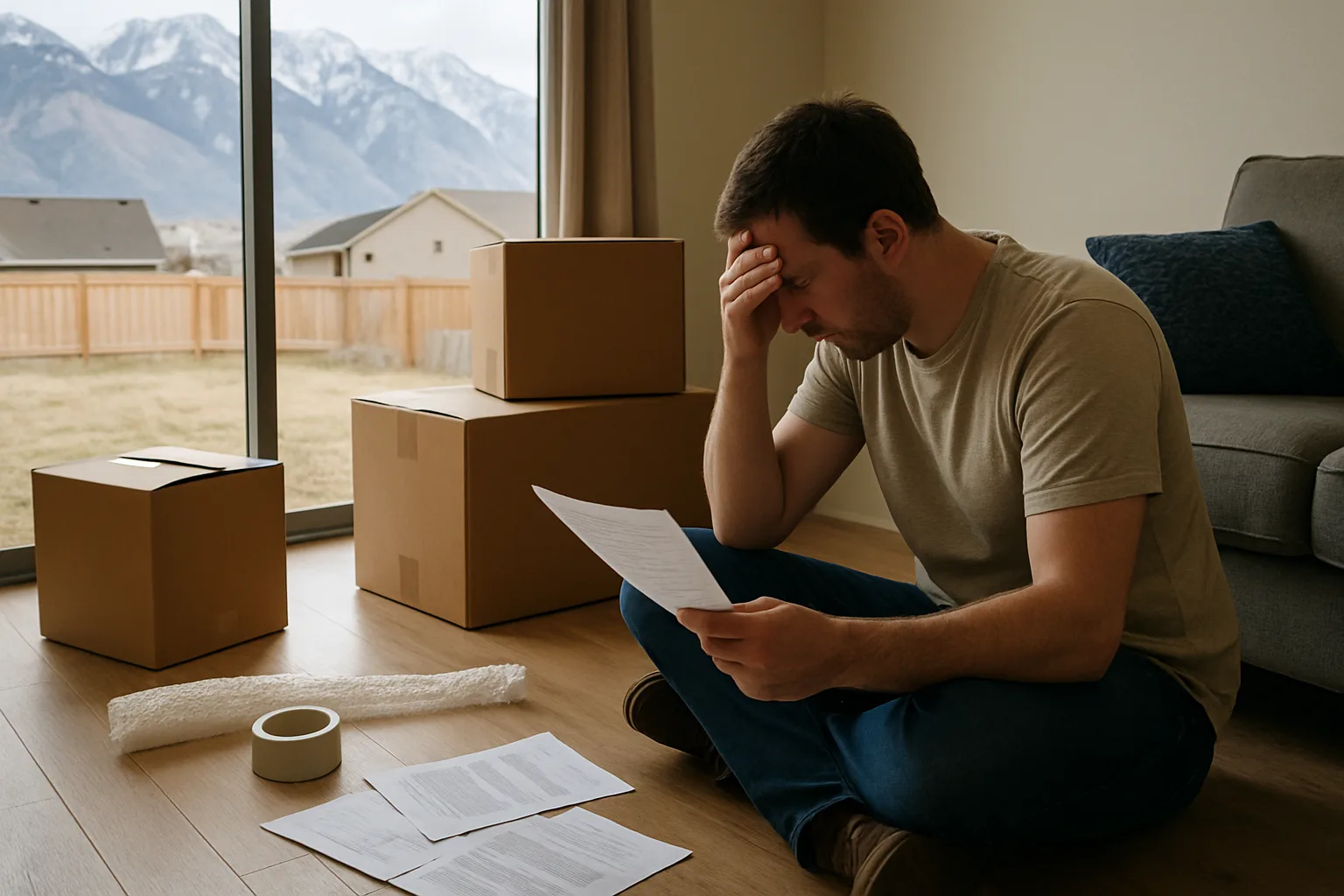
Keys in hand, paperwork signed, loan officer finally stopped calling. That's usually the moment a buyer's brain quietly clocks out – mission accomplished, right? Except the movers haven't even shown up yet, and this is roughly where a surprising number of new homeowners start making the costliest calls of the entire process.
Underestimating What Moving Actually Costs
The typical local relocation costs between $1,000 and $2,500, and that's before you consider a piano or a fourth-floor walk-up without an elevator. People budget for their mortgages down to the last penny, and then treat the move as an afterthought – a rental truck, a Saturday, and some pizza for friends. Reality tends to disagree.
A couple of things trip people up almost every time:
Booking movers during peak season (May through September) without comparing at least three quotes, which can mean paying 20–30% more than necessary;
Forgetting insurance coverage on high-value items, so a cracked TV or scratched antique becomes entirely their own expense.
Both of those mistakes have the same root cause: booking too fast, too late, and without asking enough questions.
Working with an established local crew – something like the folks at https://elatemoving.com/ – tends to smooth out a lot of this simply because experienced movers know how to price a job accurately upfront instead of surprising you at the door.
The Utility Switch-Over Trap
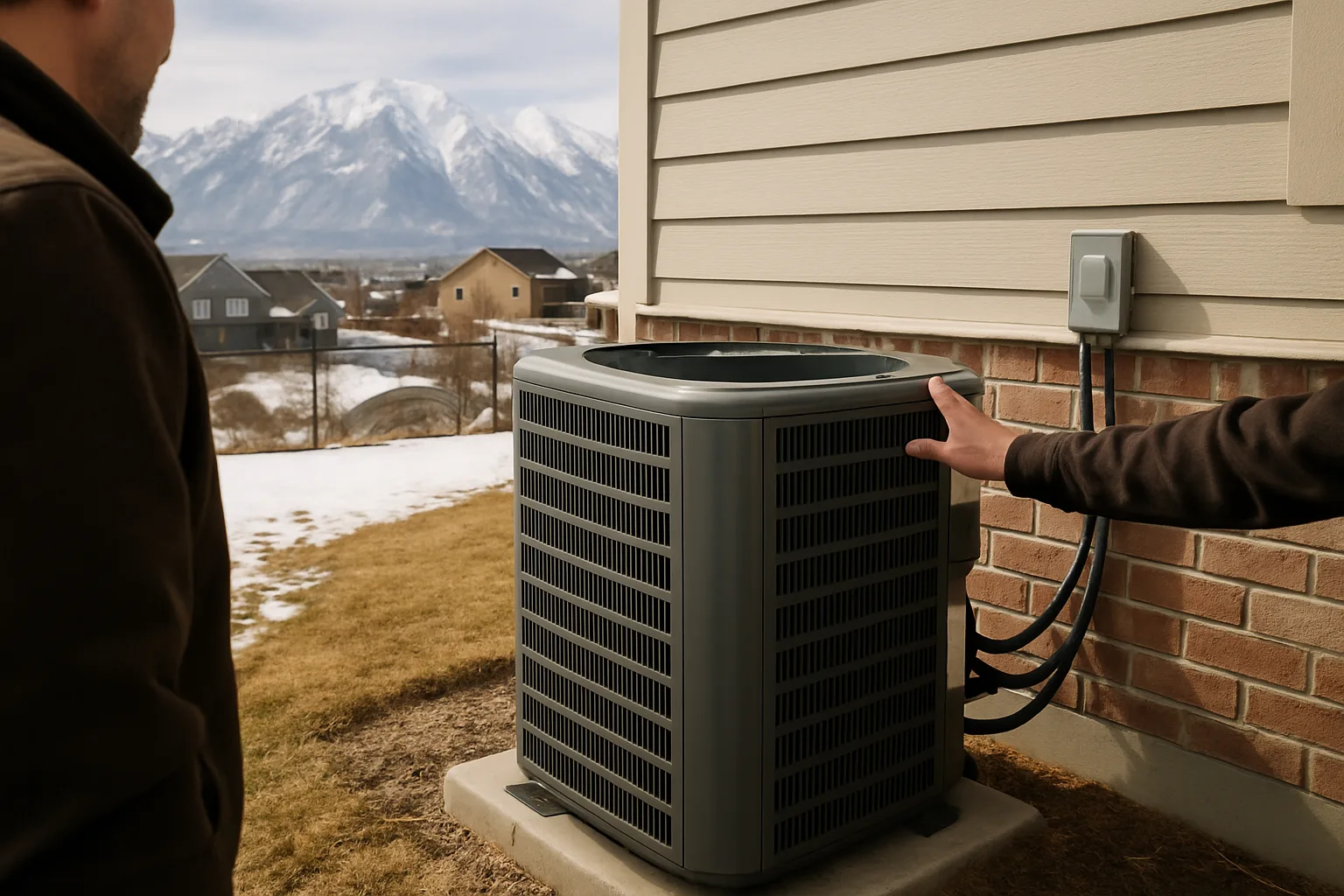
Utilities go overlooked in between packing boxes and coordinating with movers. And then it's move-in night, the home is cold, and the water heater hasn't been switched on because no one phoned the gas company two weeks earlier, as they should have. It's a little issue. It also destroys the whole evening. If you're settling into a new build, mismatched HVAC sizing can compound the problem — see this guide on how Utah's elevation and dry climate affect HVAC sizing for context before your first winter in the house.
Packing Like It's Optional
There's a temptation to think, "I'll just throw things in bags, how hard can it be". Hard, actually. Unlabeled boxes are the number one reason unpacking drags on for weeks instead of days – movers can only be as fast as the system they're handed.
The Address-Change Domino Effect
People remember to update their address with the post office. Fewer remember the twenty other places that also need to know – banks, insurance, the DMV, subscription services quietly still charging an old zip code's tax rate.
Two categories almost always get missed:
Employer records and tax-related mail, which can delay W-2s or benefits paperwork the following year
Auto-renewing subscriptions tied to a previous address, sometimes affecting billing or even service eligibility
None of these show up immediately, which is exactly why they're so easy to forget until they don't. If you're relocating to Utah from out of state, this checklist on setting up your digital life in a new state covers a lot of the same paperwork traps.
Ignoring the Neighborhood After Dark
One last thing worth doing before move-in day: drive through the new neighborhood at night. Daytime showings hide a lot – traffic noise, streetlight coverage, how loud the bar down the block actually gets on a Friday. It costs twenty minutes and tells you more than half the listing photos ever did. It's also worth weighing how a neighborhood actually feels day-to-day beyond the showing — this guide on whether you'll actually like living in Utah digs into commute, culture, and lifestyle fit before you commit to a location.
None of this is complicated once you know to look for it. Most of it just requires slowing down at the exact moment everyone's instinct is to speed up.
Frequently asked questions
How much should first-time buyers budget for moving costs?
When should I switch utilities to my name for a new home?
What address changes do new homeowners typically forget?
Is it worth driving through a neighborhood at night before buying?
How far in advance should I book movers during peak season?
What's the biggest mistake people make when packing for a move?
Keep reading
More from the blog
Utah Property Taxes: How Your Assessed Value Really Gets Set
Why Identical Houses Get Different Property Tax Bills
Your First Month in a New Utah Home: A Fall Settling-In Guide