Why Short-Term Rental Owners Should Build Their Own Booking Website
Relying only on Airbnb or Booking.com means giving up 15-20% commission on every stay. Here's why pairing a direct booking website with the major OTAs protects income and builds a lasting asset for short-term rental investors.
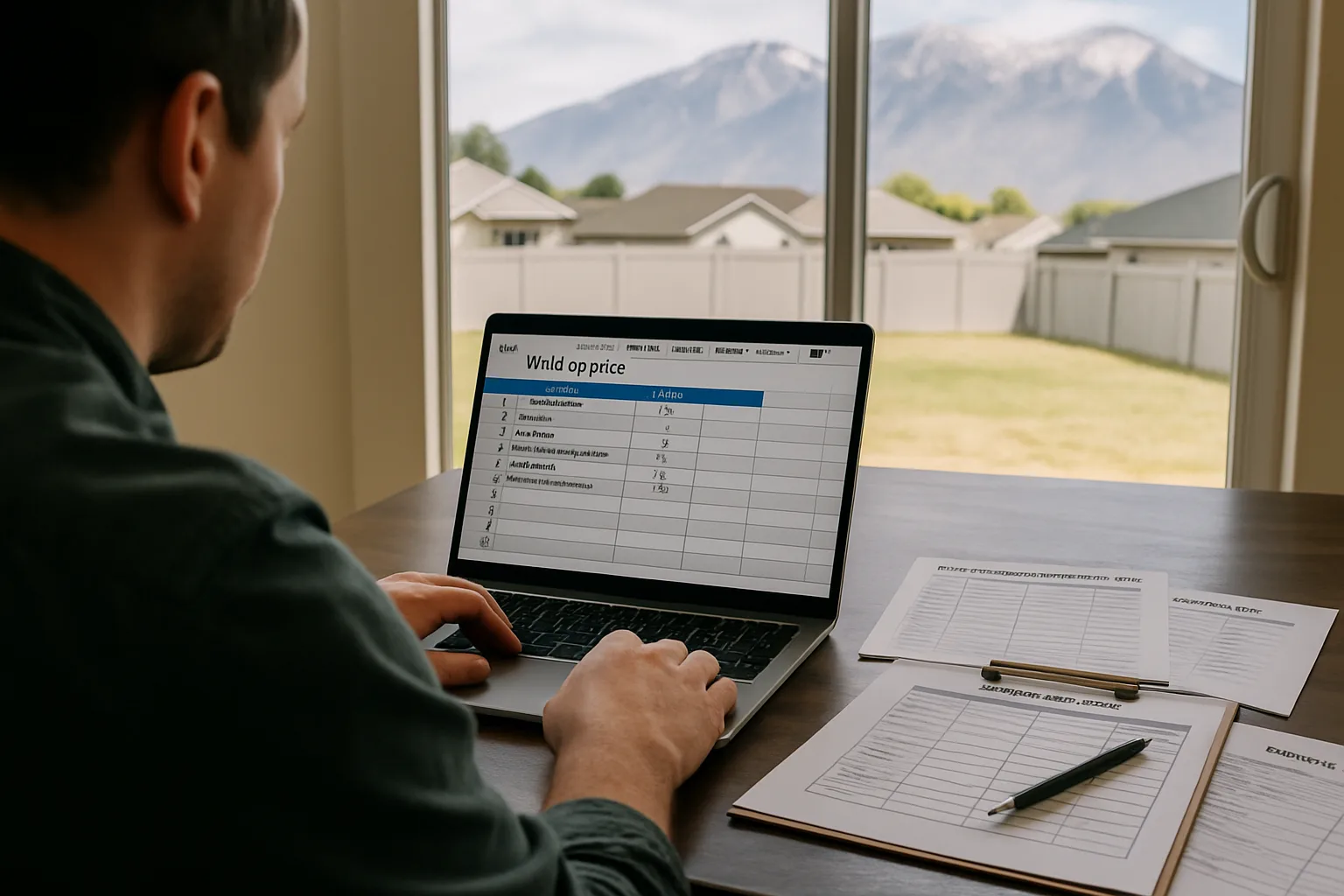
A short-term rental is, at its heart, an investment, and like any investment it performs best when you control as much of the return as possible. Yet many owners hand a large share of their income to booking platforms and let those platforms own the customer relationship entirely. Building your own booking website is one of the most effective ways to change that balance.
Treating the Booking Channel Like Part of the Investment
Most owners think carefully about the property itself: the purchase, the finish, the location. Far fewer think about how bookings actually come in, even though that channel directly determines the return. Relying only on the major platforms means paying fifteen to twenty percent in commission on every stay and building no audience of your own. Over a year, that adds up to a meaningful share of the property's income — a factor worth weighing alongside other inflation hedges for Utah property investors.
Why a Direct Booking Website Pays Off
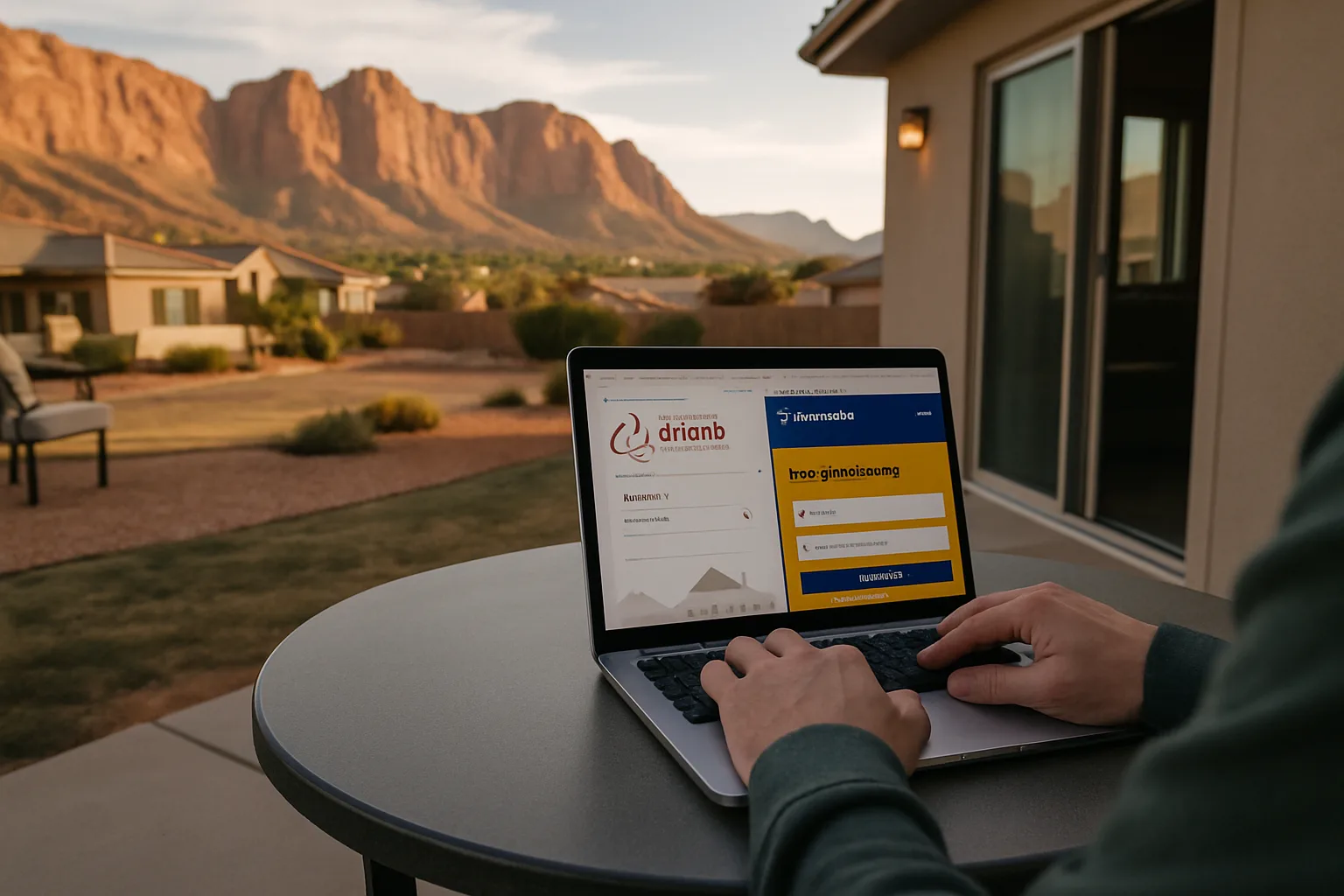
Your own website gives you a channel where you keep the revenue and own the guest relationship. Guests who book directly can become repeat customers you reach again without paying a fee each time. A good site does more than look attractive; it lets visitors check real-time availability and complete a reservation and payment on the spot. Choosing to build a vacation rental website that can actually take bookings, not just display the property, is what turns interest into income.
Keep the Platforms, Add Your Own Channel
This is not about leaving Airbnb or Booking.com behind. Those platforms are valuable for reach and for introducing new guests. The smart approach is to use them alongside your own website, letting the platforms bring in first-time visitors while your direct channel captures repeat bookings without the commission. The two complement each other rather than compete.
Avoiding Double Bookings
The usual worry about running several channels is the risk of double bookings. This is straightforward to manage. An all-in-one platform syncs availability across every channel automatically, so a reservation on one immediately blocks those dates everywhere else. That makes it entirely safe to combine your own website with the platforms, with no risk of two guests booking the same nights.
Building One Without Technical Skills
Creating a booking website no longer requires a developer or a large budget. Purpose-built tools let owners launch a professional, booking-ready site quickly, with payments and calendar syncing built in. Platforms such as Lodgify are made specifically for vacation rentals, so the website functions as part of a complete booking system rather than a separate project to maintain. If you're structuring the rental as a business, it's also worth reviewing how to set up an LLC for your rental property in Utah before you start taking direct payments.
A Long-Term Asset, Not a One-Off Project
Unlike a paid listing that only works while you keep paying for placement, your own website is an asset that appreciates. Every direct booking builds your guest list, strengthens your reputation, and reduces your reliance on any single platform's rules or fees. Over several seasons, that independence can meaningfully change the economics of the property, protecting your income from commission increases or sudden shifts in how the platforms rank listings. It also gives you data the platforms keep to themselves, such as who your guests are and what brings them back, which is valuable for marketing the property and planning future investments. For Utah hosts weighing where to buy, it pairs well with research into off-market homes in Utah and other rental listing platforms that shape local supply.
Final Thoughts
For anyone who views their rental as an investment, owning the booking channel is one of the clearest ways to improve the return. A direct booking website lets you keep more of your income, build a base of loyal guests, and rely less on platforms that control the relationship. Used together with the OTAs, your own site becomes a lasting asset that strengthens the performance of the property over time.
Frequently asked questions
How much commission do Airbnb and Booking.com typically charge hosts?
Will adding a direct booking website cause double bookings?
Do I need coding skills to build a vacation rental booking website?
Should I stop listing on Airbnb once I have my own booking website?
Is a short-term rental in Utah required to form an LLC?
What data do I gain from direct bookings that OTAs don't share?
Keep reading
More from the blog
Why Utah Homes Aren't Selling in Fall 2026: What 18,000 Active Listings Show

Fall Color Drives by Home Base: Which Wasatch Front Canyon Is Closest in 2026

Wasatch Front Halloween 2026: Haunts, Corn Mazes and Witch Displays by Scare Level