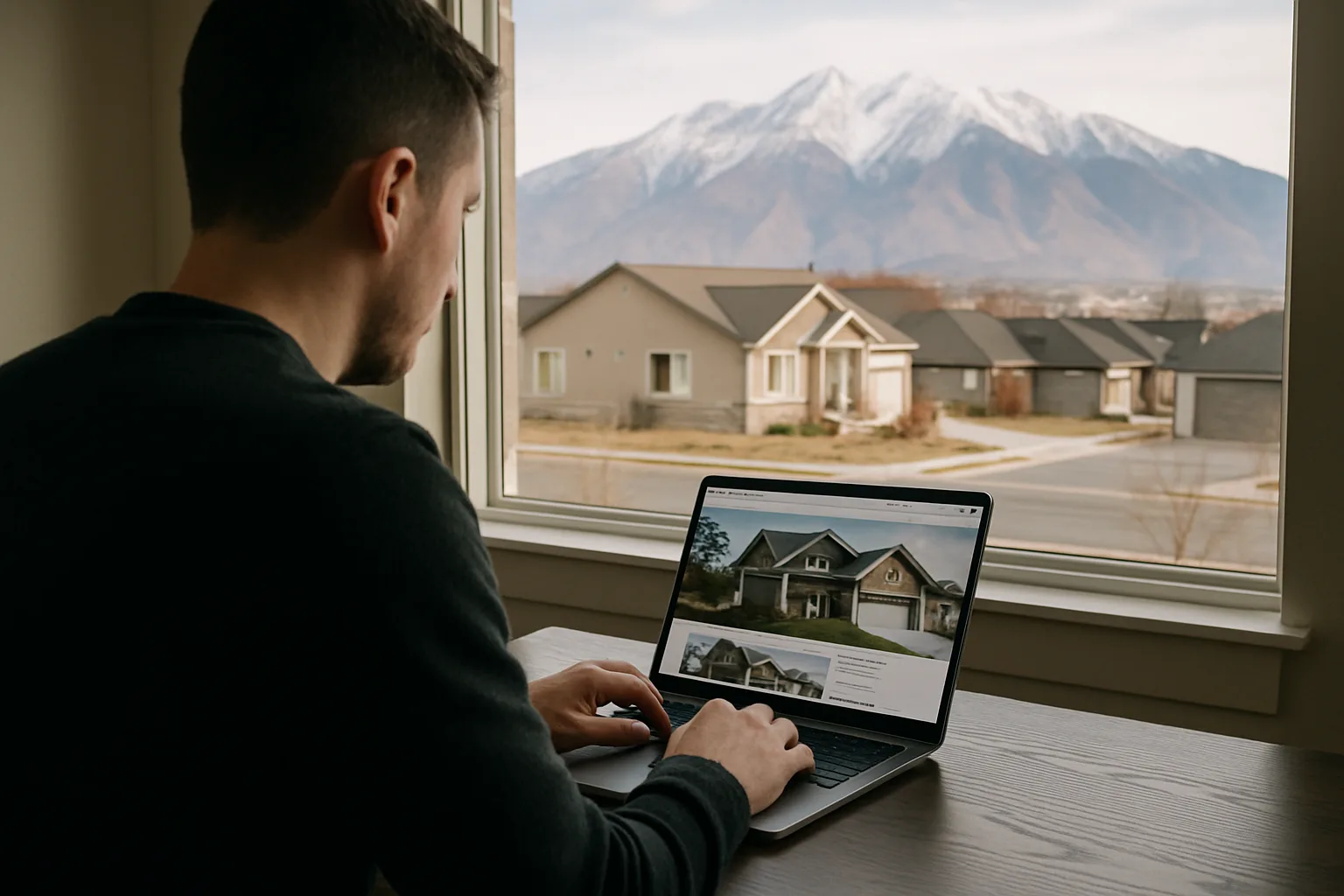

What Buyer Intent Data Means in Utah Real Estate
Buyer intent data reveals how close a Utah home buyer is to taking action — often before they ever reach out to an agent. Learn how to spot the key signals, use them ethically, and turn behavioral data into better client experiences in Utah's fast-moving market.
Image Source: Pexels
Buyer intent data in Utah real estate shows how close a buyer is to taking action, and understanding it can completely change the way agents prioritize their time. Many people browse homes just for inspiration, but others reveal genuine readiness through their behavior long before they reach out.
In this article, you'll learn how to spot those signals and why they matter so much in Utah's fast‑moving market. You'll also see how real estate teams use them to connect with serious buyers at exactly the right moment.
Why Buyer Intent Signals Matter in Utah
Utah's market shifts quickly, and buyers often move from casual interest to full commitment faster than expected. However, when agents know the signs, they can do a lot more than just guess when to intervene. This provides a better buying experience and a better use of team time.
Many teams look for patterns that show a buyer is becoming more focused. Here are a number of the most prevalent examples:
Repeating searches in one neighborhood
Narrowing price ranges
Visiting the same listing multiple times
These behaviors often show up before a buyer reaches out, giving teams an early opportunity to build trust.
Types of Buyer Intent Data
Buyer intent data emanates from the actions individuals take as they explore the market. Some signals are very straightforward, while others show up as small but meaningful shifts in behavior. Both help agents understand readiness and timing.
Teams often categorize buyer intent using several types of data. Here are a few categories most brokerages pay attention to:
Search behavior
Inquiry activity
Tour requests
Mortgage readiness
Each category reveals something different about a buyer's journey. When these signals appear together, agents can form a clearer and more accurate understanding of how prepared someone is to take the next step.
Using Local Utah Trends to Interpret Intent
Utah's counties behave differently, so the same signal can mean something very different depending on where the buyer is looking. A single tour request in a hot pocket of Salt Lake County may indicate strong interest, while a similar request in a slower area can mean a buyer is still exploring options.
Agents who work in these markets know how fast things can shift. They often combine what they know on the ground with buyer behavior patterns to gauge urgency and timing. This mix of local knowledge and digital signals gives buyers a more personalized experience and helps teams respond quickly. For a broader look at how market conditions are evolving, see our guide to the housing market shift in 2026: rates, affordability, and what's next.
How Teams Operationalize Intent Data
Once intent signals are identified, it's time to use them. Good systems provide agents with a single source of information about the buyer's activity, so they no longer have to scramble through disjointed notes to find the information they need for real conversations. When contact records are enriched with relevant information, lead routing is quicker, and messaging is more relevant.
In real estate, this often means combining MLS activity, website engagement, and inquiry history into a clearer picture of buyer readiness. Similar intent-driven workflows are also common in B2B sales, where platforms such as GTM AI help revenue teams enrich account data, prioritize outreach, and act on buying signals across their CRM. The underlying principle is the same: turning scattered intent signals into timely, personalized engagement.
Privacy-Safe Ways to Use Buyer Intent Data
Privacy is a key issue for buyers; thus, teams rely on information that is straightforward, consensual, and actionable. First-time home buyers give away plenty of information through simple acts like searching, saving, and getting in touch, and those actions give agents the insights they need without crossing any lines. Our First-Time Home Buyer's Guide to Utah Real Estate walks through how to navigate this process with confidence.
There are several ways teams ensure their approach stays respectful. Some of the most common include:
Using buyer actions that are clearly intentional
Focusing on information buyers submit directly
Relying on brokerage and MLS data instead of invasive tracking
These practices help teams stay compliant while still providing a great experience.
Turning Intent Into Better Client Experiences
Buyer intent data works best when it leads to meaningful conversations. Rather than sending generic messages, agents can tailor their message to a buyer's point in the process, such as when they are researching neighborhoods, scheduling a showing, or shortlisting offers. This degree of customization provides consumers with a sense of care amid a daunting process.
If you're interested in delving deeper into the trends that buyer intent data reveal about Utah real estate and how you can use it to inform your strategy, it's a great time to find out more. The journey from interest to closing is smoother when armed with the right tools and a solid grasp of buyer intent data. Understanding major warning signs to watch for when buying a home is another way to make sure that readiness translates into the right purchase.
Frequently asked questions
What is buyer intent data in real estate?
How do Utah agents use buyer intent signals to prioritize leads?
Is using buyer intent data an invasion of privacy?
Why does buyer intent data vary by Utah county or region?
How does buyer intent data improve the home buying experience?
Keep reading
More from the blog

Fixer-Upper Remodel Tips for First-Time Home Buyers

Understanding HOA Fees: Where Your Money Goes and Why It Matters
Best Rental Websites for Finding Apartments and Homes in Utah