Handcrafted vs. Mass-Produced Furniture: A Utah Homeowner's Guide
Choosing between handcrafted and mass-produced furniture affects how your home looks and functions for years. This guide breaks down real cost differences, joinery quality, and how Utah's dry climate influences which option holds up best over time.
Furniture shopping in Utah often comes down to a choice between price and permanence. Big box stores sell matching sets at low prices. Local woodworking shops build pieces one at a time from solid hardwood. The decision affects more than a single room. It shapes how a home looks and functions for years after the purchase.
Handcrafted furniture carries a different set of tradeoffs than assembly-line pieces, from upfront cost to long-term durability. Utah's dry climate adds another variable that many shoppers never consider until a drawer starts sticking.
Read on for a comparison of handcrafted and mass-produced furniture, real cost differences, and when handcrafted construction makes sense.
What Sets Handcrafted Furniture Apart From Mass-Produced Options
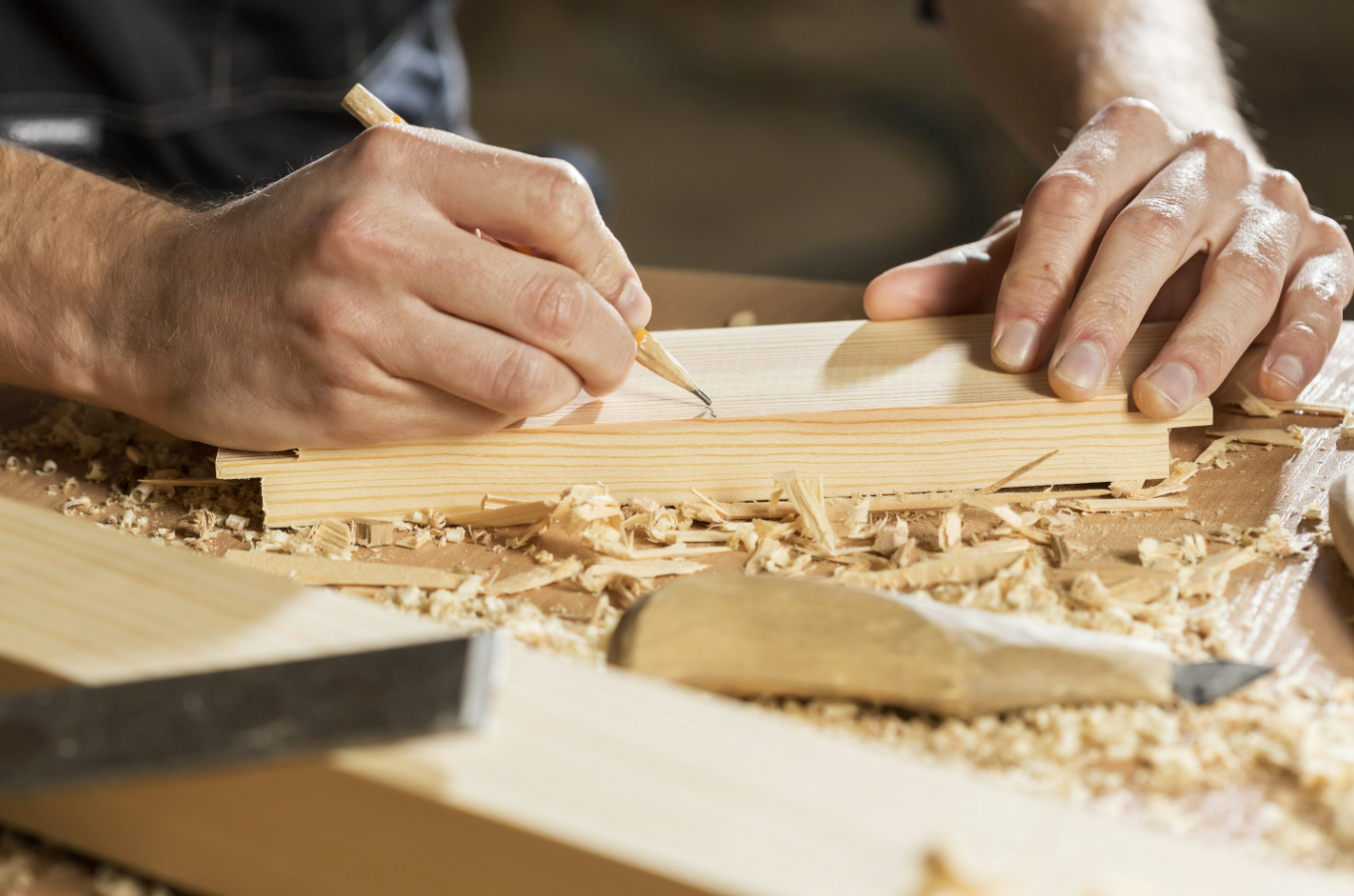
Handcrafted furniture sets itself apart from mass-produced pieces through materials and method, not marketing. Artisans choose solid hardwood and shape joinery by hand instead of relying on machine-cut templates.
Homeowners researching local options often come across Miller's Dutch Haus Furniture or another reputable woodworking shop while comparing handmade construction. Shop visits like these often reveal how much variation exists between one craftsman's work and another's.
Here are some differences that explain why handcrafted pieces hold up differently than factory furniture:
Wood Species Selection
Craftsmen choose from several wood species, including oak, walnut, and cherry, based on grain and weight. Each species behaves differently under a chisel, which changes how a joint gets cut. Working with solid woods means matching grain patterns by hand across a single piece.
Hand-Cut Joinery Methods
Artisans rely on hand-cut joinery rather than machine-stapled or glued connections. Dovetail and mortise-and-tenon joinery techniques let a craftsman shape each joint to fit one specific piece. These connections hold tighter over time than pieces assembled with screws or staples.
Individual Piece Character
Every piece of hardwood furniture built by hand carries small variations in grain and tone. A factory run produces thousands of identical units from the same mold or template. A handcrafted piece reflects the specific boards and decisions made during its construction. If you're thinking about how furniture choices affect a home's overall appeal, our guide on design details buyers notice during a home tour is worth a read.
The True Cost of Handcrafted Furniture Over Time
Handcrafted furniture carries a higher price tag than mass-produced pieces, but the comparison rarely stops at the receipt. Lifespan, repairability, and material quality all factor into what a piece actually costs over time. Looking at total cost changes which option makes more financial sense for a given room.
The following points break down where that cost difference actually comes from:
Raw Material and Labor Costs
A dresser built from solid wood furnishings uses thicker boards and more lumber than a particleboard equivalent. American hardwoods like oak and walnut cost more per board foot than engineered panels. Skilled labor adds further cost, since a single craftsman builds one piece at a time.
Repair and Refinishing Value
Solid oak furniture can be sanded down and refinished multiple times over its lifespan. A scratched tabletop becomes a weekend repair instead of a reason to buy something new. Mass-produced veneer pieces rarely survive that kind of repair once the surface chips.
Long-Term Resale and Value
Antique reproductions and other solid wood pieces tend to hold their value better than particleboard furniture. A well-built piece can be sold or passed along instead of discarded at a landfill. Buyers comparing handcrafted furniture to flat-pack alternatives often weigh this resale factor into the decision. This same long-term thinking applies when considering home upgrades that increase Utah property value — quality materials consistently outperform cheap alternatives at resale.
How Utah's Climate Affects Furniture Longevity
Utah's dry climate puts unusual stress on furniture built from a single species of wood. White oak tends to handle humidity swings better than softer woods due to its tight grain. Solid pine, by comparison, can show more movement during the driest winter months.
Wood treatment also affects how furniture handles Utah's seasonal humidity changes. Aromatic red cedar resists moisture better than untreated softwoods, which helps drawers stay aligned. A piece finished with wear-resistant finishes holds its seal even as humidity drops in winter.
Homeowners in drier counties tend to notice these effects sooner than those near the Wasatch Front. A drawer that sticks every December is often a sign the wood was not acclimated before assembly. Furniture finished and dried for Utah's climate is less likely to develop these seasonal problems.
Signs It's Time to Choose Handcrafted Over Off-the-Shelf
A living room sofa or coffee table needs to absorb years of daily use without falling apart. A custom-made bedroom set built for nightly use needs sturdier joinery than a guest room dresser. Matching furniture styles and construction quality to how a room gets used narrows the decision quickly.
Ownership timeline matters just as much as room type when weighing the decision. A renter planning to relocate within a year may not need furniture built to last decades. A homeowner settling into a forever house gets more value from a piece built to be repaired.
Sentimental value changes the calculation for certain pieces, regardless of room or timeline. Heirloom-quality furniture, including pieces inspired by Amish craftsmanship, gets built to be passed down rather than replaced. Antique reproductions and similar pieces hold up to that kind of long-term expectation better than flat-pack furniture. For ideas on how quality furnishings fit into a cohesive space, see our piece on investing in better bedroom sleep spaces.
Final Thoughts
The decision rests on how a homeowner defines value, not just what fits the budget today. Some rooms call for furniture that gets replaced every few years without much thought. Others call for pieces built to handle decades of daily use. Utah homeowners weighing handcrafted construction are really deciding how much long-term thinking they want built into their living spaces.
Frequently asked questions
What makes handcrafted furniture more durable than mass-produced pieces?
How does Utah's dry climate affect wood furniture?
Is handcrafted furniture worth the higher upfront cost?
When does mass-produced furniture make more sense?
What wood species work best for Utah's climate?
Keep reading
More from the blog

How Utah Decides Where Homeless Shelters Go: Siting Rules and Public Records in 2026

Sign PDF Online: Fastest Way to Manage Digital Documents
When a Utah HOA Stops Working: Who Pays for Roads, Walls and Common Areas