
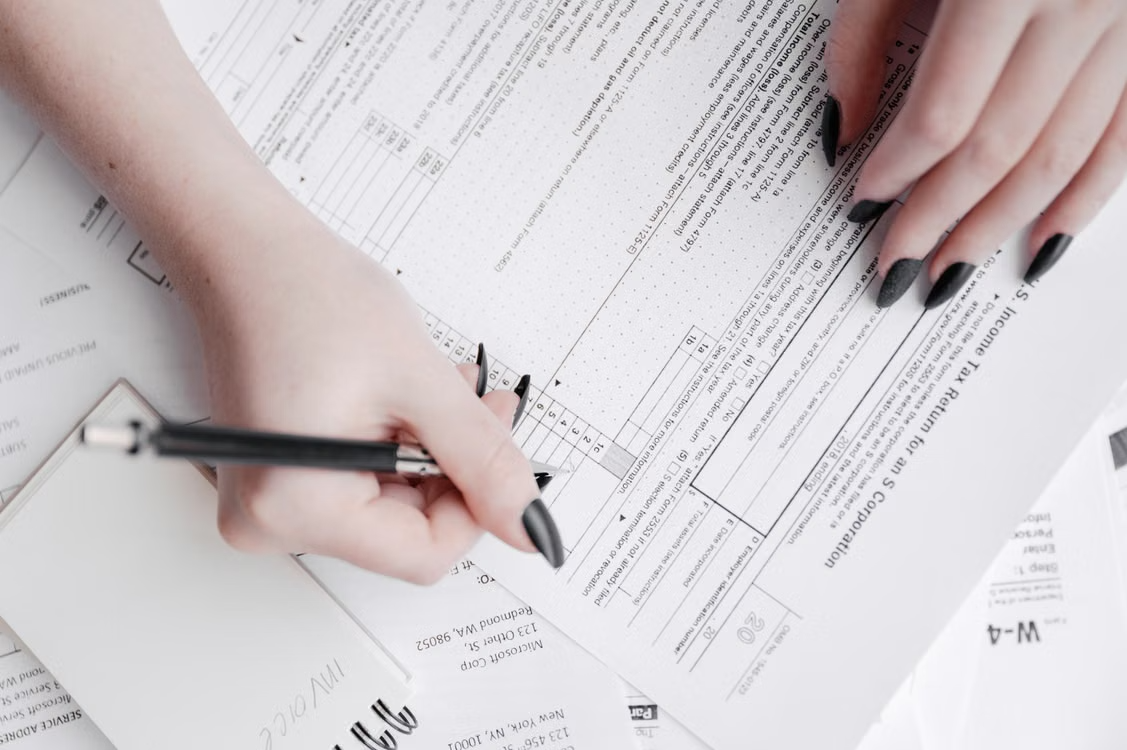
7 Income Verification Red Flags for Utah Landlords
Fake income documents are more common than many Utah landlords expect. This guide breaks down 7 key red flags — from mismatched math and YTD errors to suspicious formatting — so you can spot fraudulent pay stubs early and protect your rental properties.
Have you ever reviewed a tenant's pay stub and felt an instant sense of doubt? Many Utah landlords know that feeling well, and it often turns out to be the first clue that something in the application isn't genuine. Fake income documents are surprisingly common, and spotting them early can prevent costly problems down the road.
This guide breaks down the most important red flags to watch for so you can quickly tell when a pay stub doesn't add up. Understanding these warning signs helps you screen tenants with more confidence and avoid unnecessary risk.
1. Strange Formatting
One of the first signs that a pay stub might not be authentic is unusual formatting. Real payroll systems follow consistent patterns in spacing, margins, and labeling. When something looks awkward or visually inconsistent, it often signals that the document was pieced together from a template.
When landlords look for formatting errors, several things often stand out.
Fonts that change between sections
Spacing that looks uneven or misaligned
Headings or labels that don't match the layout
These issues don't always guarantee fraud, but they are strong reasons to dig deeper into the rest of the application.
2. Mismatched Math
Income fraud becomes much easier to spot when you examine the numbers closely. A legitimate pay stub will show gross pay, deductions, and net pay that align mathematically. When the calculations don't connect, the pay stub may have been manually edited or created using a basic template.
Landlords who want to understand what a real stub should look like sometimes use tools that let them generate paystubs online for their own employees. Seeing the correct structure and calculations firsthand makes it easier to recognize incorrect ratios or unrealistic deductions on tenant‑submitted documents.
3. Year‑to‑Date Mistakes
Year‑to‑date income is one of the most reliable indicators of authenticity. YTD totals should increase steadily with each pay period based on how often the employee is paid. When the YTD number doesn't match the applicant's timeline, the document may have been altered or guessed.
A common example is someone claiming long-term employment but reporting a low YTD total. On the other end, inflated totals that don't connect with the listed pay rate should also raise questions about accuracy.
4. Employer Information That Doesn't Hold Up
Verifying employer details is an essential part of Utah tenant screening. Fake pay stubs often include contact information that leads nowhere or list businesses that don't appear in state records. If the employer cannot be found or contacted, it's a warning sign that the applicant may not work where they claim.
Before calling the number on the stub, landlords should independently look up the employer's verified contact information. This avoids accidentally calling a friend or fake reference posing as the applicant's manager. For landlords managing multiple properties, pairing solid income verification with reliable property upkeep is one of the best ways to protect long-term rental returns.
5. Incorrect Utah Tax Withholding
Utah uses a predictable flat income tax structure, which makes errors easier to spot. When state withholding appears too low or too high compared to the applicant's gross pay, it may indicate that numbers were copied from another stub or guessed without understanding Utah tax calculations.
These inaccuracies often arise when someone edits only the income figures but forgets to update the tax details, resulting in deductions that don't align with the pay rate.
6. Visible Editing or Reused Templates
Some fraudulent pay stubs reveal themselves through obvious editing marks. Text may appear slightly blurry, alignment might shift between lines, or fields may look like they were pasted over another layer. If a tenant submits two documents that use entirely different formats, that's another hint that templates are being reused.
Landlords often notice a few specific visual clues before realizing the stub has been altered.
Numbers that sit higher or lower than the surrounding text
Repeated design elements that look generic
Uneven text size across the document
These issues usually show up when someone edits a PDF without advanced tools.
7. Inconsistent Pay Frequency
The final red flag Utah landlords should watch for is a pay frequency that does not match the numbers shown.
If an applicant claims to be paid biweekly, the gross income should reflect a realistic two-week amount based on their hourly rate or salary. When the stated pay schedule and listed totals do not align, the income may have been estimated rather than earned.
Strengthening Your Income Verification Process
Strengthening your income verification process doesn't have to be complicated. Once you know the common red flags and apply them consistently, reviewing pay stubs becomes far more straightforward and reliable. Sticking to a clear checklist also helps you avoid second‑guessing and feel more confident in each approval decision.
If you're working to improve your screening routine, now is a great time to revisit your process and refine it. A solid approach protects your rentals and creates a smoother experience for both you and your future tenants. Landlords looking to maximize their investment can also explore how to measure long-term real estate appreciation to better understand the full value of their rental portfolio.
Frequently asked questions
What is the most common red flag on a fake pay stub?
How can Utah landlords verify employer information on a pay stub?
Why does Utah tax withholding matter when reviewing pay stubs?
What should landlords do if a pay stub looks suspicious?
How does pay frequency help identify income fraud?
Keep reading
More from the blog

Gas Line Installation: What Homeowners Need to Know First
Roof Timeline Guide for Buying an Older Utah Home

How to Choose Windows for a Utah Home With a Mountain View