Why the 2026 Housing Market Shift Matters for Buyers, Sellers & Mortgage Rates
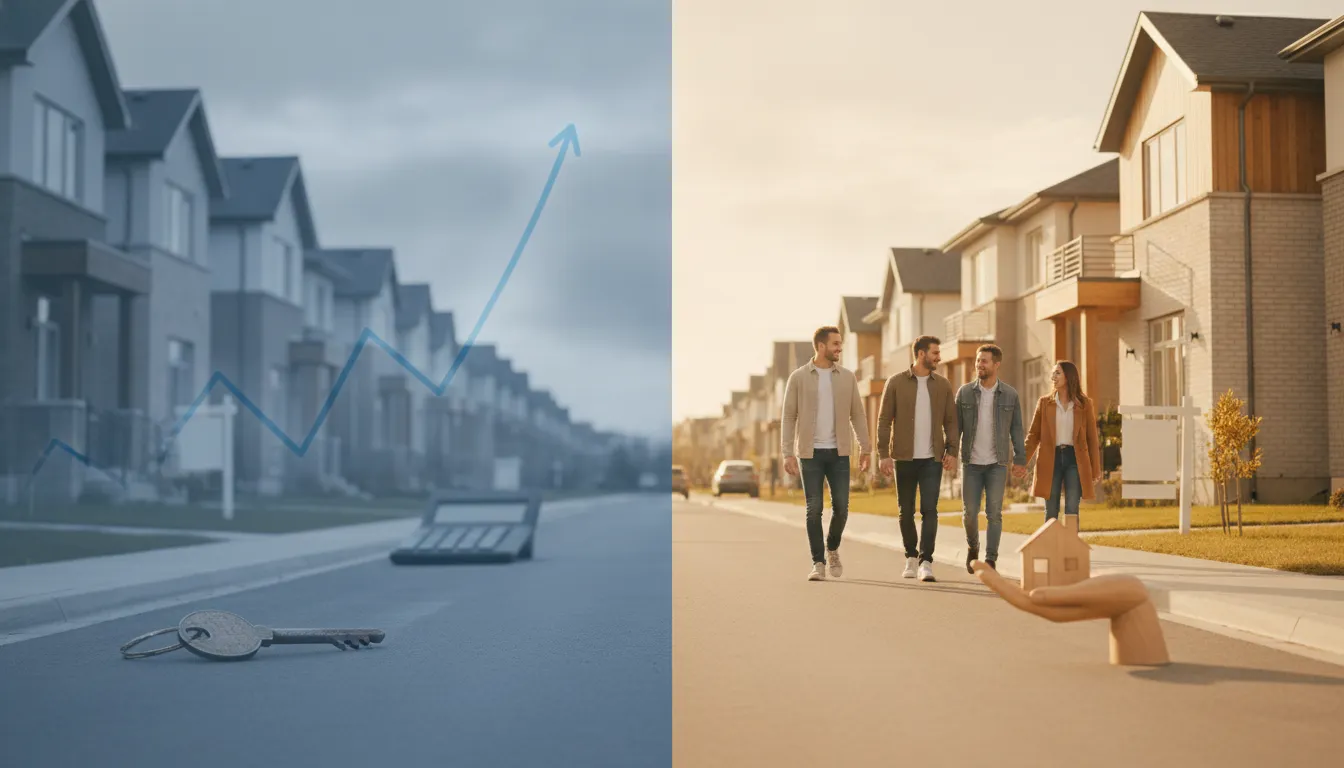
The 2026 housing market is being driven by the interaction of mortgage rates, inflation, and buyer affordability — not just home prices. Here's what buyers, sellers, and Utah homeowners need to understand about where the market is heading and why.
The housing market is entering another turning point. Affordability remains near its weakest level in decades, mortgage rates have stayed elevated longer than many expected, and a new set of economic forces is shaping what comes next.
For buyers, sellers, and homeowners considering a refinance, the biggest question is simple: where are mortgage rates headed, and how will that affect home prices and demand? The answer starts with understanding why rates moved so much in 2026, why new homes have become unusually competitive, and which signals matter most going forward.
For Utah readers tracking local conditions, statewide inventory and price trends can be compared across cities at Best Utah Real Estate.
What changed in the housing market in 2026?
The key shift was not just home prices. It was the interaction between mortgage rates, inflation, and buyer affordability.
Early in 2026, mortgage rates began to ease as economic conditions appeared calmer and bond yields moved lower. That created hope that lower borrowing costs would bring more buyers back and encourage more homeowners to list their properties.
Then conditions changed. Rising uncertainty in the broader economy pushed bond yields higher, and mortgage rates followed. By the spring and early summer, mortgage rates had moved closer to 7% again while inflation was also running hot. That combination made affordability worse, not better.
Later, signs of easing geopolitical tension helped pull oil prices lower. That matters because lower energy prices can reduce inflation pressure. If inflation cools, bond yields may ease and the Federal Reserve may face less pressure to keep rates high. That is why the market started paying close attention to this new shift.
Why mortgage rates do not move on their own
Many buyers assume mortgage rates are set only by banks or the Federal Reserve. In reality, mortgage pricing is heavily influenced by the bond market, especially the 10-year Treasury yield.
When investors grow more concerned about inflation, government borrowing, oil prices, or economic instability, Treasury yields can rise. Banks then demand higher returns on mortgage lending as well, because a home loan is riskier than lending to the federal government.
That is why mortgage rates often rise when Treasury yields rise.
The basic relationship looks like this
Higher inflation expectations can push bond yields up.
Higher bond yields usually pressure mortgage rates upward.
Lower oil prices and easing inflation pressure can help bond yields fall.
Lower bond yields can create room for lower mortgage rates.
This is one reason buyers who only follow home listings often miss the bigger picture. The mortgage market is being shaped well before a lender updates its quoted rate sheet.
How the Federal Reserve fits into the picture
The Federal Reserve does not directly set 30-year fixed mortgage rates. Instead, it controls short-term interest rates that affect the cost of money across the financial system.
When inflation is too high, the Fed tends to keep rates elevated or raise them further to cool the economy. When inflation is easing and the economy needs support, the Fed may cut rates.
In 2026, inflation remained high enough to make rate cuts less certain than many hoped. That mattered because the market had been expecting relief. If inflation stays stubborn, the Fed has less flexibility. If inflation cools meaningfully, the Fed may have more room to ease.
For homeowners and buyers, that means two indicators deserve close attention:
The 10-year Treasury yield
Federal Reserve rate policy
Together, they offer a useful guide to where mortgage costs may be heading next.
Why affordability is still the central problem
The biggest issue in housing is not simply that homes cost more. It is that monthly payments rose much faster than incomes.
The source material compared a median-priced U.S. home in 2021 with the same type of purchase in 2026:
2021 median home price: about $347,000
2026 median home price: about $429,300
2021 mortgage rate example: 2.96%
2026 mortgage rate example: about 6.5%
With 20% down and financing the rest on a 30-year mortgage, the estimated monthly principal and interest payment rose from roughly $1,165 to about $2,175.
That is the real affordability squeeze.
While incomes rose over the same period, they did not come close to keeping pace with borrowing costs. The result is that the share of household income required to buy the median home increased sharply.
Readers looking for broader statewide affordability context may also find this Utah-focused update useful: Utah Housing Market Crisis? Comprehensive Real Estate Update – July 2025.
Why lower mortgage rates would help, but not solve everything
Lower rates would certainly improve affordability. They could reduce monthly payments for buyers and create refinance opportunities for current owners. But lower rates also come with a catch.
If rates drop enough, many sidelined buyers may return all at once. If housing supply does not rise fast enough to meet that demand, competition can intensify. That can lead to bidding wars and push prices higher again.
In other words:
Higher rates hurt affordability directly.
Lower rates improve affordability, but may reignite price growth.
This is why there is no simple one-step fix for the housing market.
Why new homes are sometimes cheaper than existing homes right now
One of the most unusual developments is that, for a sustained period, buying a new house has become cheaper than buying a used one.
That is not because new construction suddenly became inexpensive to build. It is because many builders need to move finished inventory and are using incentives to do it.
Those incentives can include:
Price cuts
Rate buydowns
Closing cost assistance
Upgrade packages
Meanwhile, many existing homeowners are reluctant to sell because they are locked into much lower mortgage rates from prior years. According to the source material, 69% of U.S. mortgages are below 5%, and more than half are below 4%.
That lock-in effect reduces resale inventory and helps explain why the existing-home market remains constrained.
For buyers comparing options in Utah, new construction versus resale can be a meaningful decision point, especially in fast-growing Southern Utah areas such as St. George.
What buyers should do in a shifting market
Buyers do not need to predict every macroeconomic move perfectly. They do need a framework for making a sound decision.
A practical buyer checklist
Track affordability, not just list prices. Monthly payment matters more than headline price.
Watch the 10-year Treasury yield. It can provide an early clue on mortgage rate direction.
Compare new construction with resale. Builder incentives may change the math significantly.
Stress-test the payment. Budget for taxes, insurance, and maintenance, not just principal and interest.
Do not assume lower rates mean easier buying. Falling rates can bring back competition fast.
When waiting may make sense
Waiting can be reasonable if a buyer is financially stretched at current rates, lacks a stable emergency reserve, or would only be comfortable buying if rates fall substantially.
When buying now may still make sense
Buying may still work if the payment is affordable today, the property fits long-term plans, and the buyer has room to refinance later if rates fall. In some cases, builder concessions can make an immediate purchase more favorable than waiting for a potentially more competitive market.
What sellers should understand right now
Sellers face a split market. Many buyers are payment-sensitive, but desirable homes can still attract strong interest when priced realistically.
The main challenge for many owners is emotional pricing. Some expect 2021-style urgency without accounting for today’s financing costs. That mismatch can lead to stale listings.
Sellers should focus on:
Accurate pricing based on current demand, not peak-era expectations
Competing with builder incentives in markets with active new construction
Understanding buyer payment pressure at today’s rates
Homeowners who want a more realistic estimate of current value can use a local comparative analysis through this Utah home value and CMA page.
Common mistakes people make when reading the market
Assuming the Fed alone controls mortgage rates. Treasury yields matter enormously.
Focusing only on home prices. The monthly payment often tells the more important story.
Expecting lower rates to automatically create bargains. Lower rates may increase competition.
Ignoring new construction incentives. Builder deals can change affordability more than buyers expect.
Believing affordability improves just because incomes rose. Income growth has lagged far behind payment growth.
What to watch next
The next phase of the market will likely depend on whether inflation cools and whether bond yields continue to ease. If both happen, mortgage rates may move lower. If inflation stays elevated or economic uncertainty returns, rates could remain high or become more volatile again.
Anyone following the Utah side of this trend can monitor broader shifts through the Utah real estate news section, where market conditions, buying strategy, and regional changes are covered in more detail.
Bottom line
The biggest housing market shift in 2026 is really about the cost of financing. Mortgage rates, Treasury yields, inflation, and Federal Reserve policy are all interacting at once. That is why the market can feel unstable even when home prices do not move dramatically in one direction.
For buyers, the best approach is to evaluate payment, inventory, and competition together. For sellers, the focus should be on pricing discipline and understanding how current rates affect demand. For homeowners, refinance opportunities may improve if inflation and yields continue to fall.
The market is not being driven by one headline. It is being driven by affordability, and affordability is being driven by rates.
FAQ
Why are mortgage rates tied to the 10-year Treasury yield?
Mortgage lenders compare the return they can earn from home loans with the return available from safer investments such as U.S. Treasury securities. When the 10-year Treasury yield rises, lenders generally need higher mortgage rates to maintain a worthwhile spread over that lower-risk alternative.
Will lower mortgage rates make homes affordable again?
Lower mortgage rates can improve monthly affordability, but they may also attract more buyers into the market. If supply stays limited, increased demand can push prices higher. That means lower rates help, but they do not guarantee lower overall housing costs.
Why are new homes sometimes cheaper than existing homes?
Builders may offer discounts and incentives when they need to move inventory. Existing homeowners, by contrast, are often holding onto very low mortgage rates and may be less willing to cut price aggressively. That can make some new homes more attractive on a total monthly cost basis.
Should buyers wait for mortgage rates to fall?
That depends on financial readiness and local inventory conditions. Waiting may help if rates drop and prices stay stable. But if lower rates trigger stronger buyer demand, the savings from a lower rate can be offset by higher purchase prices and more competition.
What is the biggest factor driving housing affordability problems right now?
The biggest issue is that monthly mortgage payments have risen much faster than household incomes. Home prices increased, but the larger hit came from much higher borrowing costs layered on top of those prices.
Where can buyers verify broader housing data?
Readers can review national housing research from the National Association of Realtors and economic data from the U.S. Census Bureau. These sources help add context to local market decisions.
Frequently asked questions
Why are mortgage rates tied to the 10-year Treasury yield?
Will lower mortgage rates make homes affordable again?
Why are new homes sometimes cheaper than existing homes?
Should buyers wait for mortgage rates to fall before purchasing?
What is the biggest factor driving housing affordability problems right now?
Where can buyers verify broader housing data?
Keep reading
More from the blog

Utah Property Taxes: How Your Assessed Value Really Gets Set
Why Identical Houses Get Different Property Tax Bills

Your First Month in a New Utah Home: A Fall Settling-In Guide