How Charcoal Grills Can Upgrade Your Backyard Into a Traditional Outdoor Cooking Space
A charcoal grill does more than cook food — it turns a backyard into a gathering place rooted in tradition and craftsmanship. Discover how outdoor cooking with charcoal blends timeless technique with modern backyard living.
Outdoor Living Spaces
More and more houses now include space outside meant for daily life. From patios to wooden platforms, these spots invite people to unwind or chat with others. Grills that use fire or charcoal belong well here since they cook food while drawing folks together around them.
A backyard feels different when charcoal grills are in it. Around it, people tend to drift - talking, waiting, watching flames rise. Meals take shape slowly, smoke curling upward as voices overlap. What once happened in villages near open fires now unfolds here, just quieter. Cooking alone fades when others step close to help or simply stand nearby.
Appreciation For Craftsmanship
Most folks who cook the old way care about getting it right by doing it themselves. Not like machines that run everything, lighting a grill means knowing when to move food or adjust flames. Over time, people figure out what works - how chicken needs less heat than steak, how veggies char fast if left too long.
Built with care, this way of cooking draws folks keen on learning real-world abilities. Not just about making meals, it turns into something deeper. Patience pays off here. Watching closely matters. Small things stand out. Today's kitchens favor speed, yet slowing down to cook by hand brings quiet fulfillment. If you're thinking about home upgrades that increase Utah property value, a well-designed outdoor cooking space is one of the most rewarding investments you can make.
Connecting With Family Traditions
Out here, meals carry stories older than most realize. Picture weekends filled with smoke curling from backyard pits, laughter mixing with sizzle. These moments stick, handed along like well-worn tools from aunt to nephew, grandparent to child. Instead of fading, they roast anew each time flames kiss meat the old way. Routine? Maybe. But it keeps something alive - something taste can still find.
Old ways of finding a place in today's kitchens keep family habits alive. When parents show kids how meals were made long ago, those old recipes start feeling fresh again. Using the same steps as earlier generations ties now to then, building closeness across time through what we eat.
Tradition Meets Modern Life
Most people today want things easy without losing what feels real. Yet they enjoy gadgets that save time, even as they keep space for moments that matter. Using old-style grills fits right into how life runs now, somehow both simple and satisfying.
Outdoors, cooking spaces now fit right into today's homes - mixing time tested methods with fresh looks. Seating feels good, stuff lasts long, plus everything fits together just right so tradition works smoothly day to day. Old ways meet new tools here, giving people the best parts of each without losing what matters. Buyers who tour homes increasingly notice these design details during a home tour, and a thoughtfully built outdoor kitchen area can leave a lasting impression.
Traditional Cooking Techniques
Fire has long stood at the heart of meal making. Well before stoves powered by electricity or gas became common, folks used wood, charcoal, and bare flames to heat their food. Getting it right meant watching how hot things got, when to stop, plus keeping enough fuel ready. Even though modern tools now fill most homes, plenty of cooks value the feel of older ways. Because working directly with flame brings something machines often miss.
Lighting charcoal brings a hands on rhythm to dinner prep, one spark at a time. From the first match strike to shifting pans near or far, attention shapes how food transforms. Heat rises unevenly, demanding patience - yet offering control electronic stoves often lack. Families gather not just around flames but routines passed down like recipes folded into old cookbooks. Smoke carries more than scent; it trails stories from backyard gatherings to village fires long ago. Cooking this way feels less like following steps and more like joining a quiet lineage of fire tenders.
Flavor Development
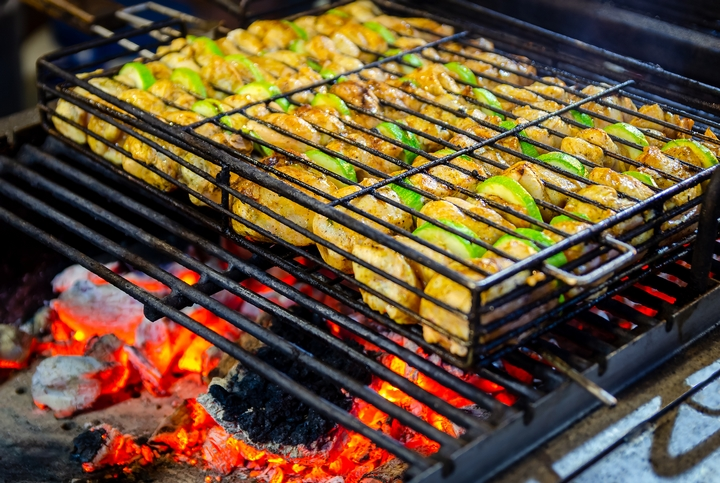
Heat from burning wood shapes how food tastes in old-style cooking. Smoke wraps around ingredients when they roast above coals. That slow dance between flame and meat builds layers most recognize as campfire comfort. Charred edges tell stories better than words sometimes.
Some kitchens today come packed with high-tech gear meant to save time during meal prep. Yet despite their efficiency, such devices sometimes fall short when it comes to matching the deep flavor of old-school grill work. Smoke from charcoal adds quiet complexity - think rich sear marks, gentle char - that lifts meat, veggies, even breads. That touch brings something familiar into modern backyards, blending past ways with present-day setups.
Out here, old ways of making food still matter - flavor leads, people learn, moments feel real. Fire from charcoal slips into current routines, turning backyards into kitchens under open sky. Taste deepens when families gather, passing down what sticks across years. Doing things by hand connects folks now, just like before. This kind of cooking fits without forcing, and lives quietly beside modern life.
Frequently asked questions
Why do charcoal grills create better flavor than gas or electric options?
How does a charcoal grill improve a backyard's outdoor living space?
Is charcoal grilling difficult to learn for beginners?
Can a charcoal grill add value to a home?
How does charcoal grilling connect families to cooking traditions?
Keep reading
More from the blog

Gas Line Installation: What Homeowners Need to Know First

Roof Timeline Guide for Buying an Older Utah Home
How to Choose Windows for a Utah Home With a Mountain View