Utah vs Alberta: Comparing Two of North America's Best Outdoor Escapes
Utah's red rock deserts and Alberta's mountain wilderness offer completely different outdoor experiences. This guide compares the Mighty 5 national parks, the Canadian Rockies, the badlands, and the cities of both regions to help travelers decide which destination fits their style.
When travelers think about unforgettable outdoor destinations, Utah and Alberta often come to mind for very different reasons. Both places offer landscapes that feel larger than life, endless opportunities to explore, and scenery that can completely change the way you see the natural world. However, while Utah is shaped by dramatic deserts, towering red cliffs, and ancient rock formations, Alberta is defined by powerful mountain ranges, glacier-fed lakes, forests, and wide open spaces that create a completely different kind of adventure.
Choosing between the two can be difficult because both destinations offer something special. Utah feels like a journey through the history of the earth itself, where every canyon wall and sandstone formation tells a story that has developed over millions of years. Alberta feels like stepping into a vast wilderness where mountains rise above peaceful lakes, wildlife moves through untouched landscapes, and the pace of travel naturally slows down.
So, which destination is the better choice for your next adventure?
The answer depends on what kind of experience you want. Travelers who enjoy hiking through deserts, exploring unique geological formations, and discovering national parks filled with dramatic scenery may find Utah unforgettable. Those who prefer mountain landscapes, wildlife encounters, scenic drives, and peaceful outdoor experiences may feel more connected to Alberta.
Both destinations are impressive, but they create completely different memories.
Utah's Landscape Is Made For Desert Exploration
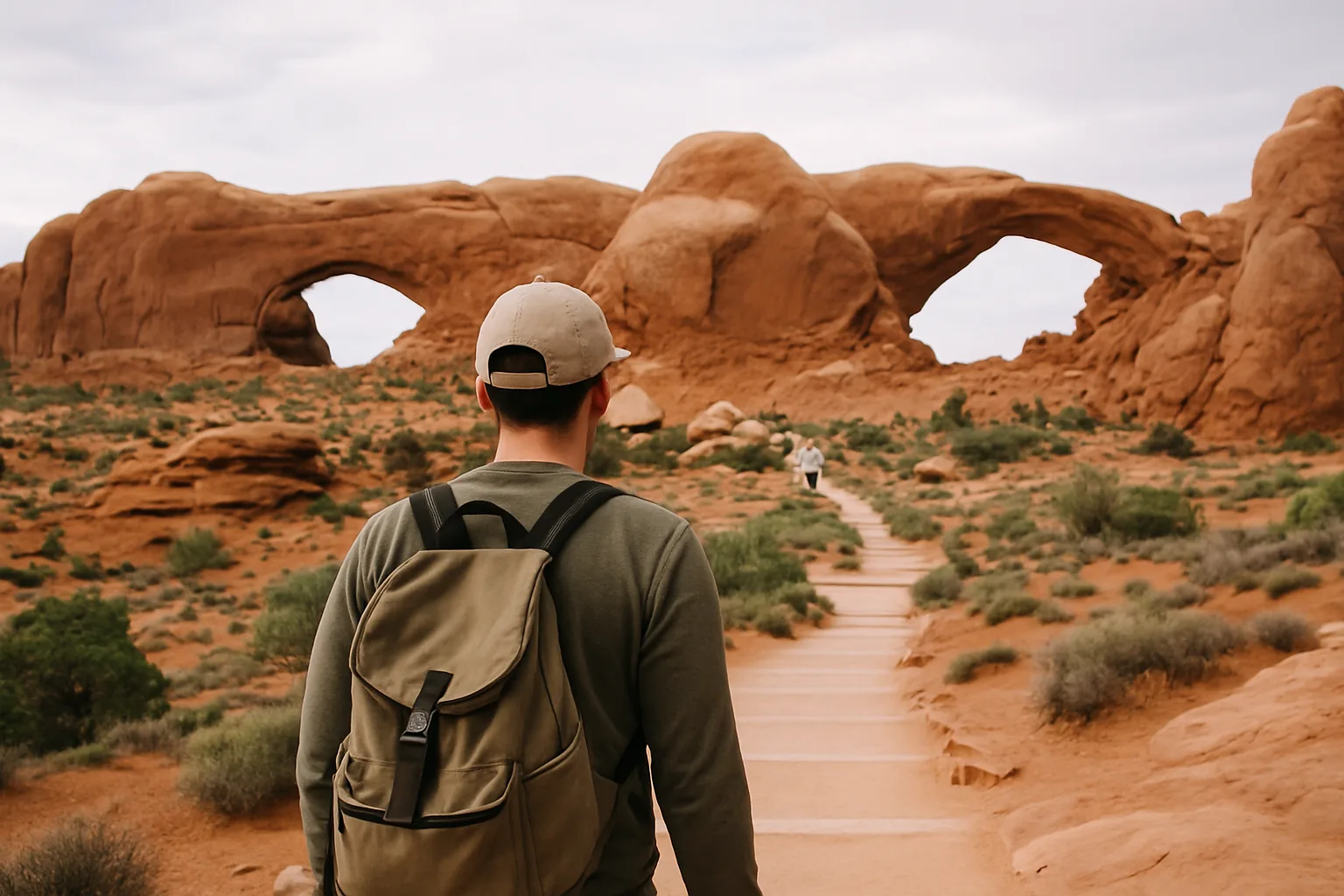
Utah's landscape has a way of making visitors feel like they have entered another world. The state is famous for its red rock scenery, where enormous cliffs, narrow canyons, natural arches, and unusual formations create views that seem almost too perfect to be real. The combination of color, scale, and history makes Utah one of the most visually striking places in North America.
One of the biggest reasons travelers visit Utah is its collection of five national parks, often called the Mighty 5. Zion National Park, Bryce Canyon National Park, Arches National Park, Canyonlands National Park, and Capitol Reef National Park each offer a completely different perspective on the state's natural beauty. Many visitors base themselves near Toquerville, which sits just 30 minutes from Zion National Park and offers a quieter home base than the busier gateway towns.
Zion National Park is known for its towering canyon walls and incredible hiking routes, including famous trails that challenge visitors with steep climbs and rewarding views. Bryce Canyon offers a landscape filled with hoodoos, tall rock pillars created through erosion that give the area a unique appearance unlike anywhere else. Arches National Park showcases hundreds of natural stone arches, while Canyonlands provides enormous views across deep canyons, rivers, and rugged terrain.
What makes Utah especially appealing is the variety packed into one region. A traveler can spend one day walking beneath massive canyon walls, then drive a few hours and find themselves surrounded by completely different scenery. The landscape constantly changes, which keeps every part of the journey interesting.
Outdoor activities are a major part of the Utah experience. Visitors can hike through desert trails, explore hidden canyons, take scenic drives, enjoy mountain biking routes, photograph unusual rock formations, or simply watch the changing colors of the landscape as the sun moves across the sky.
And that is one of Utah's greatest strengths. You do not need to be an expert adventurer to appreciate what the state offers. Sometimes the most memorable moments come from simply standing at a viewpoint, taking in the silence, and realizing how different the world feels when you are surrounded by nature.
Alberta Offers A Completely Different Kind Of Beauty
While Utah's landscapes are shaped by deserts and rock formations, Alberta's scenery is built around mountains, forests, lakes, and wilderness. The province is home to the Canadian Rockies, a region known around the world for its dramatic peaks, turquoise waters, and incredible outdoor experiences.
For many visitors, Banff National Park is the introduction to Alberta. The park has become one of Canada's most recognizable destinations because of its combination of mountain scenery, accessible trails, and famous locations such as Lake Louise. Surrounded by towering peaks and filled with bright blue water, the lake is one of those places that looks almost exactly like the photographs that inspire people to visit.
However, Alberta's appeal goes far beyond its most famous viewpoints. Jasper National Park offers a quieter and more spacious experience, making it ideal for travelers who want to enjoy nature at a slower pace. The area is known for wildlife viewing, scenic drives, peaceful hiking trails, and some of the best opportunities to experience the wilderness without feeling surrounded by crowds.
The Canadian Rockies also offer something for almost every type of traveler. Adventure seekers can spend their days hiking, skiing, climbing, or exploring mountain trails, while those looking for a more relaxed experience can enjoy scenic drives, lakeside walks, and quiet moments surrounded by incredible views.
There is something about Alberta's landscapes that encourages people to slow down. The mountains feel enormous, the roads seem endless, and even simple activities like enjoying a coffee while looking at the scenery can become memorable experiences.
Alberta's Story Continues Beyond The Mountains
Although the Rockies are Alberta's most famous attraction, the province becomes even more fascinating when travelers explore beyond the mountain regions. Alberta is a place of contrasts, and some of its most surprising landscapes are found far away from the peaks and forests.
The Alberta badlands are one of the best examples of this variety. Located around areas such as Drumheller, the badlands feature dry valleys, unusual rock formations, and exposed layers of earth that reveal millions of years of geological history. The region is especially well known for dinosaur discoveries, making it a popular destination for families, history lovers, and anyone interested in understanding how the planet has changed over time.
The prairies offer another side of Alberta that many visitors do not expect. Wide fields, ranching communities, quiet roads, and endless skies create a peaceful atmosphere that feels completely different from the Rockies. While the landscape may not have the immediate drama of mountain peaks, it has a beauty that reveals itself more slowly.
Driving through Alberta's countryside can become an experience of its own. Small towns, old farm buildings, changing skies, and open horizons create a sense of space that is difficult to find in more crowded destinations.
Cities Add Culture And Character To Both Destinations
Although outdoor adventures are often the main reason people visit Utah and Alberta, the cities in both regions add another layer to the experience.
Calgary combines modern city life with strong western traditions, creating a destination where restaurants, festivals, museums, entertainment, and outdoor access all come together. Travelers interested in understanding the city's personality before exploring the surrounding region can learn more about what Calgary is famous for, including the events, traditions, and attractions that have helped shape its identity.
Edmonton offers a different atmosphere with its focus on arts, festivals, cultural events, and one of the largest urban park systems in North America. The city's river valley provides opportunities for walking, cycling, and enjoying nature without leaving the urban environment.
Utah's cities also serve as important gateways to outdoor adventures. Salt Lake City offers visitors a mix of restaurants, museums, neighborhoods, and easy access to nearby mountains. Smaller communities located near Utah's national parks often provide a more relaxed base for travelers who want to spend their days exploring nature, including growing towns like Washington and Toquerville near St. George, both of which put Zion within an easy day trip while offering a more residential pace of life.
Utah And Alberta Offer Different Outdoor Experiences
The biggest difference between Utah and Alberta comes down to the type of environment that inspires you most.
Utah is ideal for travelers who are fascinated by geology and dramatic landscapes. The experience often feels like discovering hidden worlds, with every trail, canyon, and viewpoint revealing something unexpected.
Alberta appeals to travelers who are drawn to mountains, forests, lakes, and wildlife. The scenery feels expansive and peaceful, offering opportunities to connect with nature in a way that feels refreshing and personal.
Both destinations are excellent choices for hiking, photography, and road trips. The difference is the feeling they create.
Utah often creates a sense of curiosity and discovery. Alberta often creates a sense of calm and connection. One invites you to explore unusual landscapes, while the other encourages you to appreciate the scale and beauty of the wilderness around you. Many travelers who fall in love with southern Utah's scenery eventually start looking into why so many people are moving to St. George, Utah as a full-time home rather than just a vacation destination.
The Best Time To Visit Depends On Your Adventure Style
The ideal time to visit either destination depends on what you want to experience.
Utah is especially enjoyable during spring and fall when temperatures are comfortable for hiking and exploring. Summer can bring intense heat, particularly in desert areas, although early mornings and evenings can still be excellent times to enjoy the outdoors. Winter offers a quieter experience with fewer visitors and a different perspective on the national parks. For travelers who want a mountain retreat within Utah itself, small alpine towns near Pine Valley offer cooler summer temperatures at higher elevation, not far from St. George.
Alberta changes dramatically throughout the year. Summer is popular for hiking, camping, and exploring mountain lakes, while fall brings cooler temperatures and beautiful seasonal colors. Winter transforms the province into a destination for skiing, snowboarding, and snow-covered adventures.
There is no single perfect season because both destinations offer different experiences throughout the year. The best choice depends on the kind of trip you want to create.
Which Destination Should You Choose?
Utah and Alberta are both unforgettable destinations, but they appeal to different types of travelers.
Choose Utah if you want dramatic desert scenery, famous national parks, canyon adventures, and landscapes shaped by ancient geological forces. It is a place where every road and trail seems to reveal another incredible view.
Choose Alberta if you want mountain scenery, wildlife encounters, peaceful lakes, and a balance between outdoor adventure and cultural experiences. It offers a chance to explore nature while still enjoying vibrant cities and local communities.
The great thing is that there is no wrong answer. Both destinations provide something rare, the opportunity to step away from everyday routines and experience places that remind you how incredible the natural world can be.
Whether you are standing beneath Utah's red cliffs or looking across an Alberta mountain lake, the feeling is similar. You are somewhere unforgettable, somewhere that stays with you long after the journey ends.
Frequently asked questions
Is Utah or Alberta better for a first-time national park trip?
How many days do you need to see Utah's Mighty 5 national parks?
What is the best home base for exploring Zion National Park?
Is Banff or Jasper better for wildlife viewing in Alberta?
When is the cheapest and least crowded time to visit Utah's national parks?
Do more people move to southern Utah after visiting as tourists?
Keep reading
More from the blog

Leaving California for Utah: What to Know Before You Move

Certificates of Insurance: What Utah Real Estate Teams Miss

Housing Market Slowdown Signals: What Buyers Should Watch