Unmarried in Utah: How to Manage Joint Finances and Buy a Home Together
Unmarried couples buying a home together in Utah face unique legal and financial considerations. This guide covers title options, shared bank accounts, fair budget splits, and planning for home maintenance costs.
Whether you are settling down in West Jordan or another Wasatch Front community, looking at homes along the Wasatch Front, or planning for a quiet retreat in Southern Utah, sharing a life means sharing financial responsibilities.
There are many ways couples can organize their finances; however, there is no simple answer to how you should manage your money as an unmarried couple.
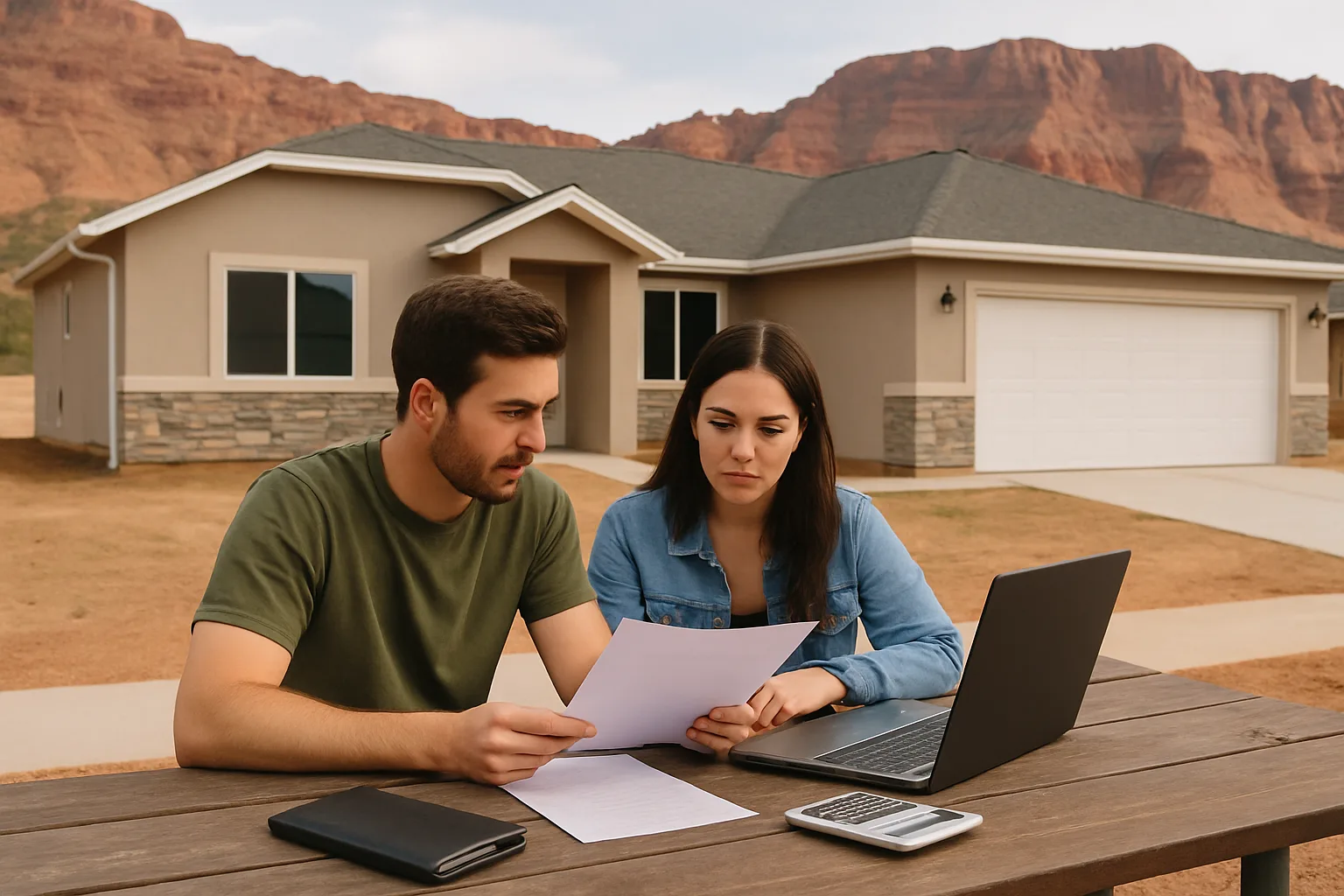
Typically, couples spend hours together late at night, sitting around a kitchen table with spreadsheets, trying to figure out their finances.
When not married, as a couple, you have to manage your finances together, which is why it's so important to communicate, have a plan, and use the right tools.
However, as an unmarried couple living in Utah, there are several unique considerations when it comes to managing your home's daily expenses and navigating the homeownership process.
As you work together to create a budget for your daily spending and set up a system to manage your home, you can build a solid financial framework that will allow you to feel secure in your financial situation and give you peace of mind in the long run.
By creating a plan and building a financial structure as a couple from the very beginning, you will make your journey together much easier.
Understanding the Local Utah Real Estate Landscape
The Utah housing market remains dynamic and competitive.
Unmarried couples, like my clients, can look to enter the property market to purchase a home to develop together.
There are various ways to approach shared ownership of a home, and the couple should sit down to discuss and decide how they will approach owning a home together.
Unmarried couples do not have the same legal rights and protections as married couples regarding property they own together.
Therefore, as an unmarried couple, it is very important to set up a plan for managing your home finances before you purchase it.
And as you are purchasing a home in Utah, it is very important to know the different ways you can hold title.
Joint Tenancy with Right of Survivorship
The title passes to the surviving co-owner(s) in the event of the death of one of the joint owners.
Joint tenancy is often the preferred manner of holding title, especially for unmarried couples.
The main reasons are that it is easy to set up and provides for smooth transfer of title without the need for complex court proceedings.
Tenants in Common
Tenants in Common hold a percentage of property as defined by the parties involved.
This percentage is then distributed upon the death of a party as noted in their will. Often, the party with the greater down payment will hold the property as a Tenant in Common.
This form of ownership is generally less understood than Joint Tenancy with Right of Survivorship but works well under the conditions noted above.
It is wise to consult a qualified local real estate attorney to help create a co-ownership agreement before purchasing a home in Utah.
The agreement outlines terms regarding the management of Mortgage payments, Property Taxes, and Home Repairs, as well as the future sale of the home.
The contract must clearly outline the terms of co-ownership of the unmarried couple's home.
Setting Up a Shared Financial System
Setting up a fair way to manage shared household bills and expenses can be challenging for couples.
As previously mentioned, there are various ways in which couples can split their shared household expenses.
In many cases, though, the management of their shared household expenses can be part of a larger financial system they use as a couple. Couples can pay for shared household expenses using a joint account and pay the bills together.
You have your own accounts for savings and personal spending. You have a joint account for payment of the household bills.
This financial model is good for both of you because you have the freedom of your own accounts and, at the same time, a fair financial situation regarding the household bills.
If you're looking for the best joint bank account for unmarried couples, it's worth comparing a few options to find one that best supports how you manage shared expenses together.
Purchasing a home is an exciting time for unmarried couples, but setting up a shared bank account can make all the difference. Joint bank accounts enable each party to see exactly how much has been spent on shared expenses, including payments on your home.
For example, with an online checking account, you can check the balance of your account at any time and instantly transfer funds between accounts.
Creating a Fair Budget Strategy
Split expenses in the best way possible to fit your and your partners' income.
There are many ways to distribute expenses between partners, and there is no right way to do it.
However, there are three of the most common ways to distribute the expenses of a joint household, each adapted to different earning situations of the partners.
Equal Split (50/50): Both partners contribute the same amount to the joint account each month. This works well when both partners earn similar incomes and want a straightforward structure.
Proportional Contribution: Each person's contribution is a percentage of the total income earned by both individuals. So if one partner earns 60% of the two partners' total income, that person would contribute 60% of the expenses, and the other would contribute 40%.
Raw Allowance Split: Both people's income is combined to cover joint expenses (e.g., a joint bank account for payments) and to fund savings and other goals. Each person then receives a fixed amount for personal spending from this joint income. The remainder of each person's income is then used as each person sees fit and deposited into their own accounts.
As with any aspect of your joint life, discussing and agreeing on your choices for managing your home expenses will require ongoing, occasional review.
Over time, one of you will likely experience changes in income, such as a promotion or a reduction.
The two of you can review your budget infrequently and make any necessary adjustments before they affect each other.
This process will help guarantee that each of you is always satisfied with your existing arrangement.
Planning for Maintenance and Future Goals
Maintaining a home in Utah has its own seasonal demands for repairs.
For example, the winter season may require you to clear ice dams from your home's roof, while in the hot summer months you may need to have your air conditioning system serviced. Homeownership in Utah can be challenging, but by being prepared for seasonal costs, you can save yourself a lot of time and money.
In addition to budgeting for home expenses, having a reserve to cover home repairs can help cushion the blow of both expected and unexpected home maintenance problems.
Setting aside 3-6 months' worth of living expenses for home repairs, or setting aside 1% of your home's value each year for repairs as needed, can be a good rule of thumb for preparing for home maintenance issues. A roof inspection checklist can also help you budget accurately before you ever close on a shared home, and reviewing a radon mitigation cost guide is smart if your Utah home hasn't been tested recently.
Building a life together as an unmarried couple in Utah can be a wonderful and smooth experience.
Creating a home together and working towards your future goals can be made that much easier by establishing clear legal agreements, choosing the best joint bank account for your needs, and setting a budget and financial goals to work towards together. If you're still deciding where in the state to settle, comparing Salt Lake County vs. Utah County lifestyles or reading up on common mistakes first-time movers make can help you and your partner plan the move together.
Frequently asked questions
Can an unmarried couple get a joint mortgage together in Utah?
What's the difference between joint tenancy and tenants in common in Utah?
Do unmarried couples need a co-ownership agreement before buying a Utah home?
How should unmarried partners split household bills fairly?
How much should unmarried homeowners budget for repairs each year?
What happens to jointly owned property if an unmarried Utah couple separates?
Keep reading
More from the blog

Gas Line Installation: What Homeowners Need to Know First
Roof Timeline Guide for Buying an Older Utah Home
How to Choose Windows for a Utah Home With a Mountain View