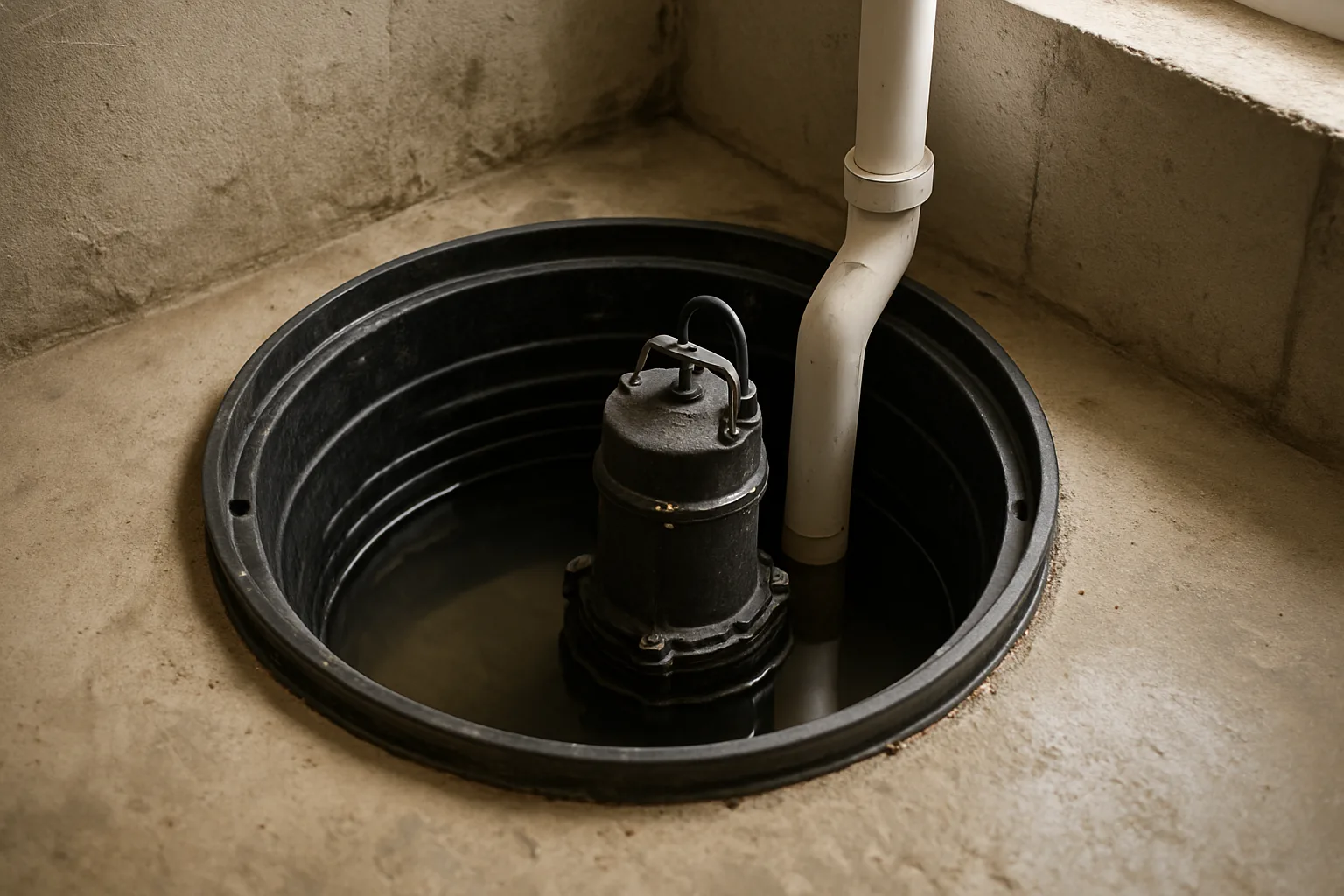
Best Sump Pump for a Basement: Zoeller M53 vs. Liberty 257 vs. Wayne CDU980E, Plus Battery Backup
Why cast iron and the float switch decide sump pump life, how to size by GPH at real lift, and Zoeller, Liberty, Wayne, Superior and battery backup picks.
A sump pump sits unnoticed in a pit for months, then has one job on the worst night of the year: keep groundwater out of the basement while the storm, and often a power outage, is at its peak. Plenty of pumps work fine when new. The difference between brands shows up years later, after thousands of cycles in water, and in whether the float switch still trips when it has to.
This guide covers what makes a sump pump last, how to size one by gallons per hour at the real lift height, the installation mistakes that kill good pumps early, and how Zoeller, Liberty, Wayne and Superior Pump compare, plus a battery backup.
As an Amazon Associate, Best Utah Real Estate earns from qualifying purchases.
Quick verdict: which sump pump to buy
- Best primary pump for most basements: Zoeller M53 Mighty-Mate. A cast iron 3/10 HP pump with a long track record and easy-to-find parts.
- Best for narrow pits: Liberty Pumps 257. A 1/3 HP one-piece cast iron pump with a vertical magnetic float that fits pits as small as 10 inches across.
- Heavy water or a high lift: Wayne CDU980E. A 3/4 HP cast iron and stainless pump for homes that see a lot of water.
- Budget cast iron: Superior Pump 92341. Cast iron at an entry price, suited to moderate water and backup duty.
- Battery backup: Basement Watchdog BWE, a 12-volt system that takes over during outages or when the main pump can't keep up.
Spec comparison
| Model | Shop | Motor | Housing | Switch | Listed flow | Listed warranty |
|---|---|---|---|---|---|---|
| Zoeller M53 | 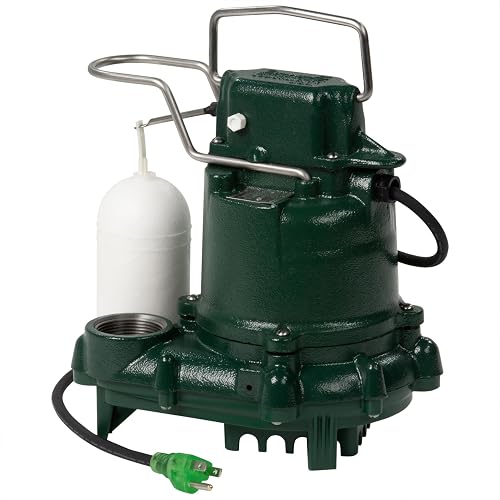 Buy on Amazon Buy on Amazon
| 3/10 HP | Cast iron | Float on a fixed arm (on about 7-1/4 in, off about 3 in) | About 43 GPM max; about 34 GPM at 10 ft | 3 years |
| Liberty 257 |  Buy on Amazon Buy on Amazon
| 1/3 HP | One-piece cast iron | Vertical magnetic float (on 7 in, off 3-1/2 in) | Roughly 45 to 50 GPM max | Check current listing |
| Wayne CDU980E |  Buy on Amazon Buy on Amazon
| 3/4 HP | Cast iron and stainless steel | Vertical float with guard | About 3,500 GPH at 10 ft | 5 years |
| Superior 92341 |  Buy on Amazon Buy on Amazon
| 1/3 HP | Cast iron | Vertical float | About 1,800 GPH at 10 ft | 3 years |
| Basement Watchdog BWE |  Buy on Amazon Buy on Amazon
| 12V DC backup | Thermoplastic | Dual float with alarm | Up to about 2,500 GPH at 0 ft | Check current listing |
Figures come from manufacturer spec sheets and listings, which round differently and sometimes disagree. Compare pumps at the same discharge height, and confirm the model and warranty on the current listing.
What makes a sump pump last
Housing: cast iron vs. thermoplastic
A submersible pump's motor sits sealed inside its housing, and the surrounding water carries heat away. Cast iron sheds that heat faster than plastic and does not flex, which is why most pumps sold for long service life use cast iron. The extra weight also matters: every pump twists a little when it starts, and a light plastic pump can walk across the pit floor until its float jams against the wall. Thermoplastic pumps are cheaper and corrosion-proof, and they are reasonable for a backup or a seldom-used crawl space pit. For a finished basement, cast iron is the safer bet. Some brands sell both, so check the specific model rather than the brand name.
The switch is usually the first thing to fail
Floats that tangle, stick or wear out cause a large share of sump pump failures. Vertical floats ride up and down a rod, need less room in the pit and are less likely to hang on the pit wall than a wide-swinging tethered float. Liberty's vertical magnetic float and Wayne's guarded float are designed around that problem. Zoeller's M53 uses a float on a fixed arm that has been in its lineup for decades, and replacement switches are easy to find. A long-lived switch, and parts availability when it eventually wears out, matter as much as the motor.
How to size a sump pump
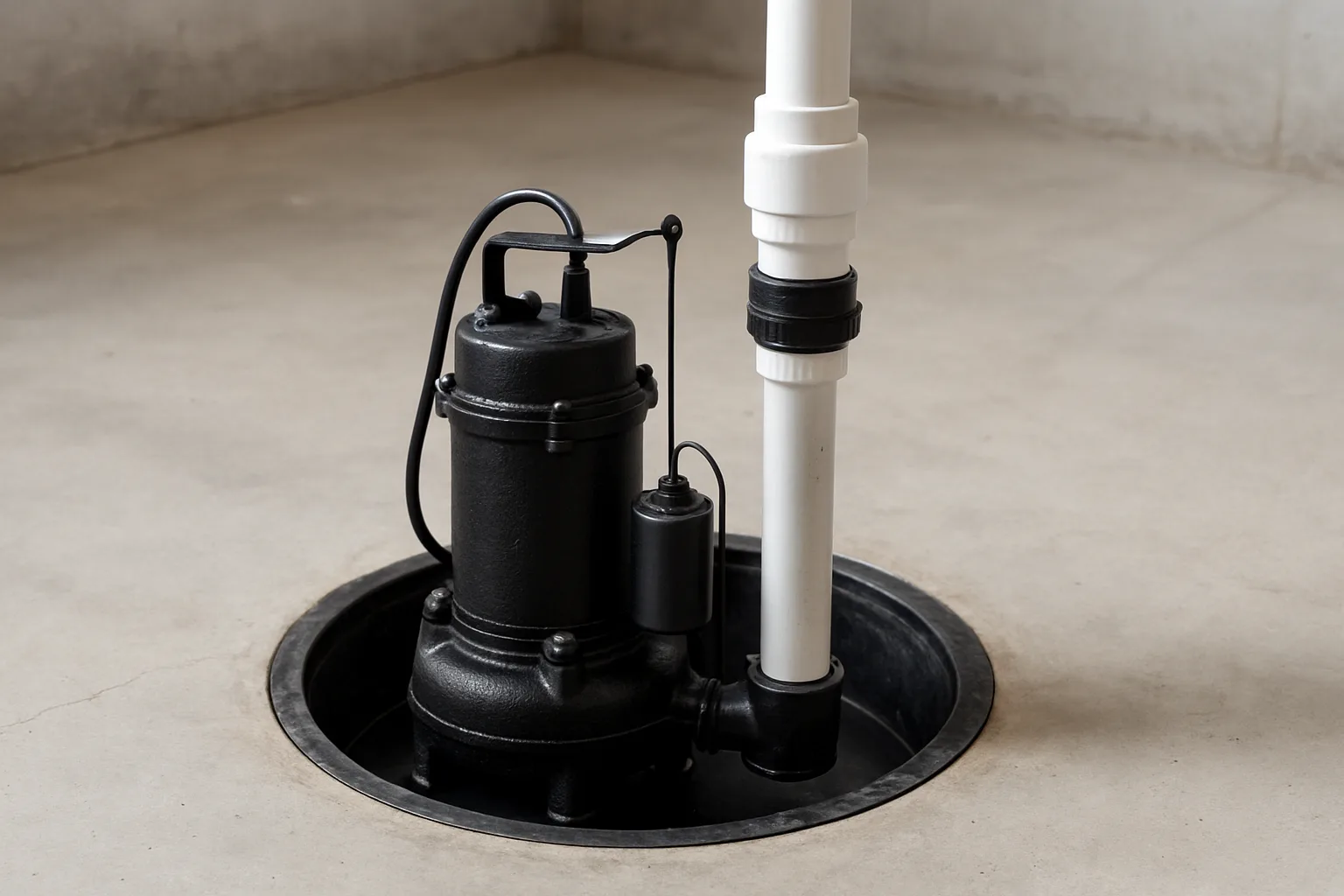
Horsepower is a poor guide on its own. What matters is how many gallons per hour (GPH) a pump moves at the home's real "head," the vertical distance from the pump to where the pipe exits the house, plus a little extra for long horizontal runs and elbows. Every pump's flow drops as head rises, which is why spec sheets list GPH at 5, 10 and 15 feet.
- Measure the lift. Most basements need 8 to 12 feet of head. Compare pumps at that height, not at the zero-foot maximum printed on the box.
- Watch the pit during a heavy rain. Time how long the water takes to rise from the off point to the on point, and estimate the gallons. If the pit refills in well under a minute, a larger pump is justified.
- Don't oversize for a small pit. A big pump in a small basin empties it in seconds and then restarts over and over. That short cycling heats the motor and wears the switch far faster than steady running. A 1/3 HP pump handles most homes; 1/2 to 3/4 HP suits high water tables, deep basements or long discharge runs.
- Check pit diameter. The Liberty 257 is listed for pits as small as 10 inches, and the Wayne CDU980E for 11 inches and up. Older homes with small clay or concrete crocks often need a narrow pump or a new liner.
Three installation mistakes that shorten pump life
- No check valve. Without one, the water in the discharge pipe falls back into the pit each time the pump shuts off, and the pump has to move the same water again. Install a check valve above the pump, and drill a small weep hole in the discharge pipe between pump and valve if the manufacturer calls for one, to prevent air lock.
- The wrong pump for the pit. Oversized pumps short-cycle; undersized pumps run constantly in storms. Match the GPH at the real head to how fast the pit fills.
- No maintenance. Every few months, and before the wet season, pour a bucket of water into the pit to confirm the pump starts and stops cleanly. Clear debris from the inlet screen, make sure the pump sits level on a solid base, and confirm the discharge outlet outside is not frozen or buried.
The picks in detail
Zoeller M53 Mighty-Mate
Zoeller M53 Mighty-Mate Cast Iron Sump PumpCheck today’s price on AmazonBuy on Amazon →
The M53 is a 3/10 HP cast iron pump with an epoxy coating, a vortex impeller that passes 1/2-inch solids, a 1-1/2-inch discharge and a 9-foot cord. It is rated around 43 gallons per minute at its best and about 34 at 10 feet. Plumbers recommend it often because its design has stayed stable for years, which keeps replacement switches and parts easy to get. Zoeller covers it with a three-year warranty.
Liberty Pumps 257
Liberty Pumps 257 Cast Iron Sump PumpCheck today’s price on AmazonBuy on Amazon →
Liberty's 257 combines a one-piece cast iron housing with a magnetically operated vertical float, a thermally protected motor and a 10-foot cord. The compact switch lets it fit pits as narrow as 10 inches. Liberty, based in New York, is a contractor favorite alongside Zoeller. Its short on-off range means it is not meant for effluent systems.
Wayne CDU980E
Wayne CDU980E 3/4 HP Sump PumpCheck today’s price on AmazonBuy on Amazon →
The CDU980E moves the most water here. Wayne's spec sheet shows about 3,500 GPH at 10 feet from its 3/4 HP motor, with a top-suction intake that resists clogging and a guard around the vertical float. Current listings carry a five-year warranty. It is the pick for high water tables and tall lifts; in a small pit with modest inflow it is more pump than needed.
Superior Pump 92341
Superior's 92341 brings cast iron and a vertical float to the budget tier, with listings citing about 1,800 GPH at 10 feet and a three-year warranty. Build quality is lighter than the premium brands, so it fits best as a replacement in a dry-most-of-the-year basement, a second pump or a backup. It also sells in a kit with a check valve and pipe.
Basement Watchdog BWE battery backup
A primary pump fails most often when the power goes out, so a backup belongs in any finished basement. The BWE sits beside the main pump, runs from a deep-cycle battery that is sold separately, and switches on automatically during an outage, when the main pump fails, or when water rises faster than the main pump can handle. It sounds an alarm when it runs. Flow drops quickly with height, so treat it as a bridge, not a replacement.
Backup options compared
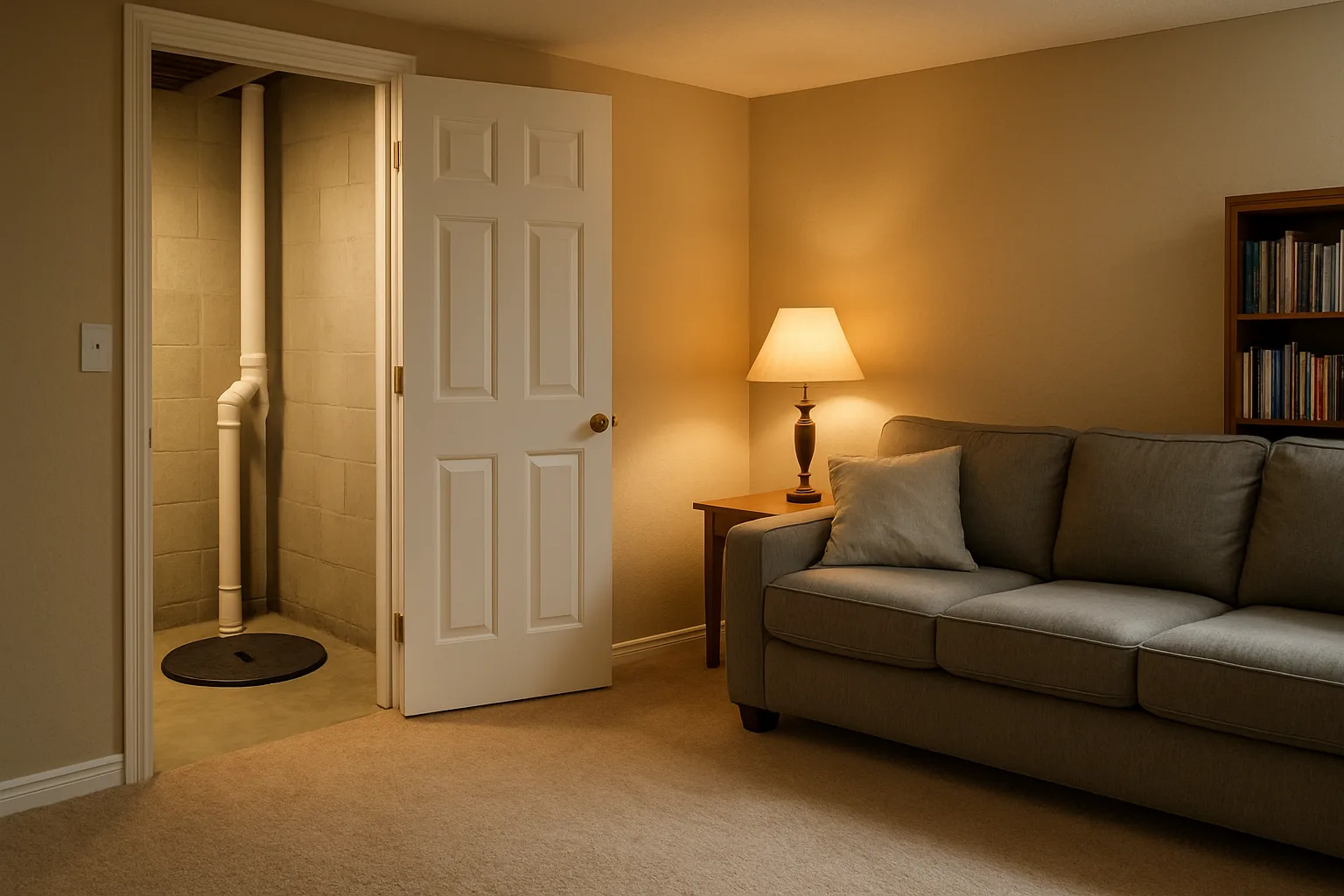
- Battery backup: works anywhere, needs a deep-cycle battery that must be replaced every few years, and runs for hours rather than days depending on how often it cycles.
- Water-powered backup: uses municipal water pressure, so it runs as long as city water flows. It does not work on most private wells and may need a backflow preventer under local code.
- Generator: keeps the primary pump running through long outages. A standby unit is the most complete answer, covered in the guide to whether standby generators are worth it.
- High-water alarm or leak sensor: inexpensive insurance that sends a phone alert. The options are compared in the water leak sensor guide.
Flood preparation guidance from Ready.gov also recommends keeping valuables off basement floors and knowing how to shut off utilities. A basement that stays damp even without standing water usually needs a dehumidifier as well; the dehumidifier sizing guide covers how big.
Who should buy which
- A typical basement with a standard 18-inch pit: the Zoeller M53, plus a check valve and the Basement Watchdog backup.
- An older home with a narrow pit: the Liberty 257.
- A high water table or a pit that refills in seconds during storms: the Wayne CDU980E.
- A tight budget or a seldom-used pit: the Superior 92341.
Posted by Kristopher Larson
Frequently asked questions
How long does a sump pump last?
Many sump pumps are replaced after about 7 to 10 years, but a well-installed cast iron pump that is sized correctly and tested regularly can last considerably longer. Short cycling, a missing check valve and debris in the pit shorten the life of any pump. Switches often wear out before the motor.
Is a cast iron sump pump better than plastic?
For a primary pump in a finished basement, cast iron is usually the better choice. It sheds motor heat faster, resists warping and its weight keeps the pump from shifting in the pit, which can jam the float. Thermoplastic pumps cost less and work for backups or seldom-used pits.
What size sump pump do I need?
Size by gallons per hour at the home's real lift height, usually 8 to 12 feet, not by horsepower alone. A 1/3 HP pump handles most basements. Homes with high water tables, deep basements or pits that refill in seconds during storms may need 1/2 to 3/4 HP, but an oversized pump in a small pit will short-cycle.
Does a sump pump need a check valve?
Yes, in nearly all installations. A check valve stops the water in the discharge pipe from falling back into the pit when the pump shuts off, so the pump does not have to move the same water again. Some manufacturers also call for a small weep hole below the valve to prevent air lock.
How often should a sump pump be tested?
Every few months and before the wet season, pour a bucket of water into the pit and confirm the pump starts, empties the pit and shuts off. Check that the float moves freely, the inlet screen is clear and the outdoor discharge is not blocked or frozen. Test a battery backup at the same time.
Do I need a battery backup sump pump?
Any basement with finished space or stored valuables benefits from one, because storms that raise groundwater also cause power outages. A 12-volt battery backup such as the Basement Watchdog BWE starts automatically when the main pump loses power or falls behind. Water-powered backups are an option on municipal water, and a generator covers long outages.
Keep reading
More from the blog

Best Christmas Tree Stand for a Real Tree: Steel vs. Plastic vs. Ratchet (Cinco, Jack-Post, Krinner)

Costway Christmas Inflatables Reviewed: Snow Globe, Nativity, Santa on a Dinosaur and More

C3 vs. C6 vs. C7 vs. C9 Christmas Lights: Which Bulb Size for Rooflines, Trees and Bushes