Are Home Standby Generators Worth It? A Homeowner's Guide
A home standby generator automatically restores power during outages — no manual setup required. This guide covers how they work, what to look for when choosing one, and why professional installation is essential for long-term reliability.
Power outages have a way of reminding us how much we rely on electricity. When the grid goes down, heating and cooling stop, refrigerated food is at risk, and basic comforts disappear. For homeowners who want to avoid that disruption, a home standby generator offers a permanent, automatic solution. But these systems are a real investment, which leads many people to ask whether they are truly worth it. Here is a clear guide to how standby generators work, what they offer, and how to decide if one is right for your home.
How a Home Standby Generator Works
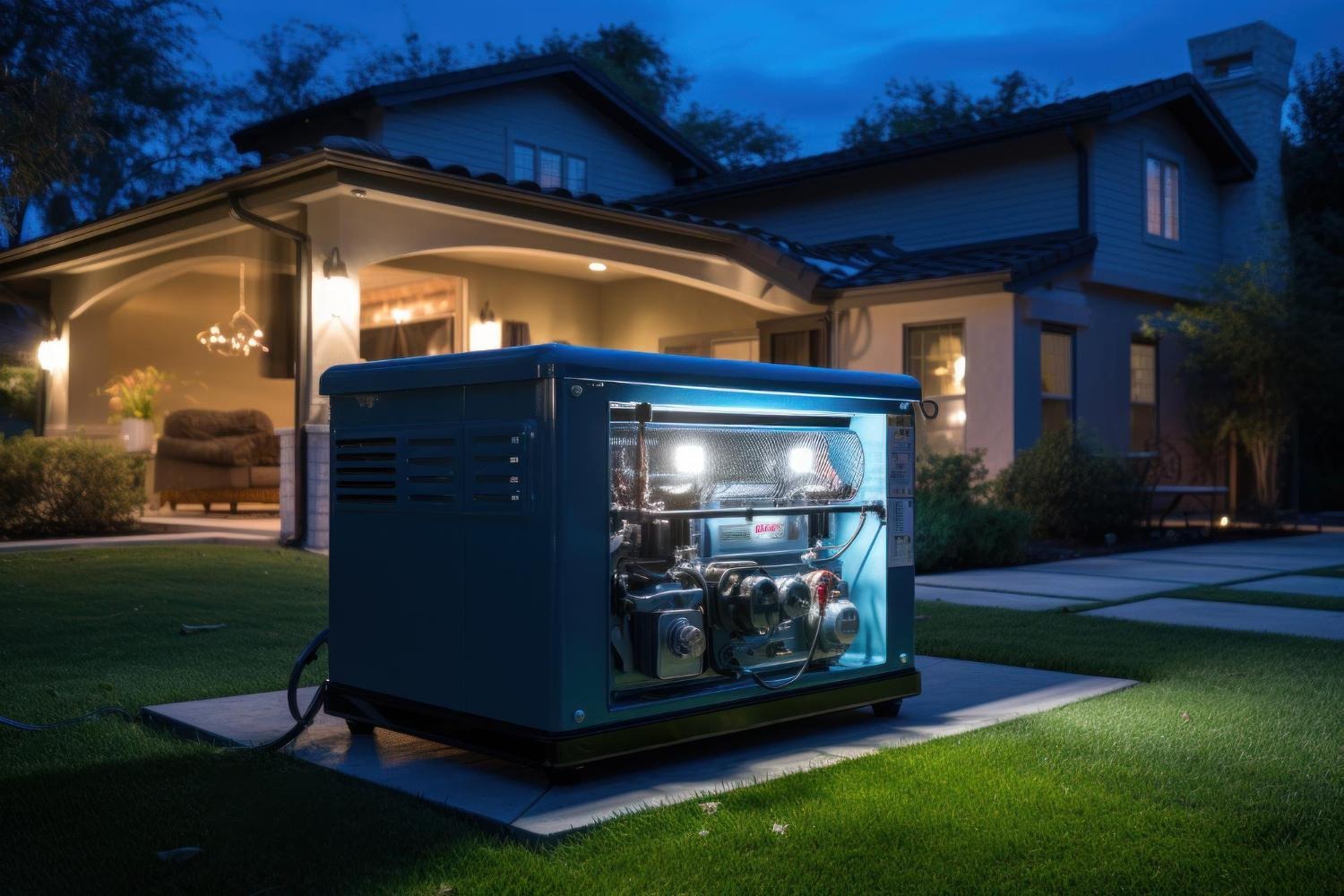
Unlike a portable generator that you have to drag out, fuel, and start manually, a home standby generator is permanently installed outside your home and wired directly into your electrical panel. It runs on natural gas or propane, so there is no fuel to haul or store. When the system detects a power failure, an automatic transfer switch kicks in and the generator starts within seconds, restoring power without you lifting a finger.
Fuel type is what makes a standby unit practical for a home with no gas line at the street. The same tank that runs the generator can feed the furnace, water heater and range, so one delivery account covers the whole house. Ask any supplier what maintenance comes with the fuel contract: a propane company in Canada offers 24ProPlus, a flat-fee plan that bundles annual furnace, boiler and water heater service with 24/7 emergency calls, and plenty of US suppliers sell the same kind of coverage.
This seamless operation is the whole appeal. Whether you are home or away, the generator protects your house automatically, keeping essential systems like heating, refrigeration, lighting, and security running through an outage. You can choose a whole-home system or a partial-home setup that powers only your most critical circuits, depending on your needs and budget.
The Benefits for Your Home
The advantages of a standby generator go well beyond convenience. During winter storms, it keeps your heating running and prevents pipes from freezing. It protects the food in your refrigerator and freezer, keeps medical equipment powered, and maintains security systems when you need them most. For anyone who works from home or relies on power for health reasons, that reliability is invaluable.
There is a property value angle too, as a professionally installed standby generator can be an attractive feature to future buyers — much like other home improvements that boost property value. To get these benefits, it is essential to work with a qualified, authorized installer. Companies such as Oregon Generators, a family-owned, authorized Generac and Kohler dealer serving the Portland, Oregon area, handle the entire process from sizing and permitting to installation and ongoing maintenance, ensuring the system performs when it counts.
Choosing the Right Generator
Selecting the right generator comes down to two key questions: how big is your home, and what do you want to power during an outage? If you only need to keep essentials running, such as a refrigerator, some lights, and your internet, a smaller unit may suffice. To power an entire home, including large appliances and air conditioning, you will need a larger capacity system.
Brand and fuel type matter as well. Trusted names like Generac and Kohler are known for reliable performance and strong warranties, often up to ten years. Natural gas is a popular fuel choice where it is available, since it draws from your existing utility supply and never runs out mid outage, while propane is a solid option for homes without gas service. A reputable installer can assess your home and recommend the right size, brand, and fuel for your situation.
The Importance of Professional Installation
Installing a standby generator is not a do-it-yourself project. It involves electrical work, gas line connections, permits, and inspections, all of which must meet local building codes and manufacturer specifications. Cutting corners here can be dangerous and can void warranties, so professional installation by a licensed and bonded contractor is essential.
A quality installer begins with an in-home assessment, helps you choose the right system, secures the necessary permits, coordinates with utilities, and tests the unit to confirm it works properly. They will also recommend regular maintenance, typically an annual service, to keep the generator ready to perform. This professional approach is what turns a generator from a piece of equipment into dependable, long-term peace of mind. Homeowners who stay on top of this kind of upkeep will also want to review common HVAC issues new homeowners should check after moving in to keep all major home systems in top shape.
Being Prepared for Outages
A generator is one important piece of a broader preparedness plan. Power outages can result from storms, equipment failures, or grid issues, and being ready for them protects your family and home. The Ready.gov program, run by the U.S. government, offers excellent guidance on preparing for and staying safe during power outages, from protecting food and medication to having a communication plan. Pairing your generator with a solid home safety and fire escape plan rounds out a comprehensive approach to household preparedness.
Combining a reliable backup power source with sound preparation habits puts you in the best possible position. While a standby generator handles the power side automatically, having supplies, a plan, and good information ensures you and your household stay safe and comfortable no matter how long an outage lasts.
For many homeowners, a home standby generator is well worth the investment, delivering automatic, reliable backup power that protects comfort, safety, and property value during outages. The key is choosing the right system for your needs and having it installed by a qualified, authorized professional. If frequent outages or severe weather are a concern in your area, a standby generator can transform a stressful situation into a non-event, keeping your home running smoothly whatever the grid does.
Frequently asked questions
How quickly does a home standby generator turn on during an outage?
What fuel does a home standby generator use?
Can a standby generator power my entire home?
Does a standby generator add value to my home?
Why is professional installation required for a standby generator?
Keep reading
More from the blog
Gas Line Installation: What Homeowners Need to Know First
Roof Timeline Guide for Buying an Older Utah Home
How to Choose Windows for a Utah Home With a Mountain View