Common HVAC Issues New Homeowners Should Look for After Moving In
Moving into a new home means more than unpacking — your HVAC system needs attention right away. Learn the most common HVAC issues new homeowners face, from dirty filters and leaky ductwork to thermostat conflicts and safety hazards, plus a first 30-day checklist to stay ahead of costly repairs.
After moving into a new home, you are likely focused on visible updates like fresh paint, new flooring, properly arranged furniture, and refreshed landscaping. However, your HVAC system requires your attention immediately upon move-in. Checking it early is critical because it directly dictates your daily indoor comfort, overall air quality, monthly energy bills, and long-term repair costs. Check that visible vents are open and unobstructed, but avoid adjusting internal balancing dampers unless you understand the system. Checking the system early can help prevent expensive surprises.
Why HVAC Problems Often Show Up After Move-In
An HVAC system might successfully turn on during a brief home inspection while still harboring significant hidden issues. Previous owners frequently leave behind underlying problems: they may have delayed routine maintenance, used the incorrect filter size, closed off various vents, completely ignored duct concerns, or left old thermostat schedules active. The move-in phase is the perfect time to comprehensively inspect the equipment. Seasonal temperature changes usually expose these concealed vulnerabilities when the system is finally pushed to its limits. By catching these anomalies early, you prevent minor, easily fixable HVAC problems from rapidly escalating into expensive mechanical failures.
An Old or Poorly Maintained HVAC System
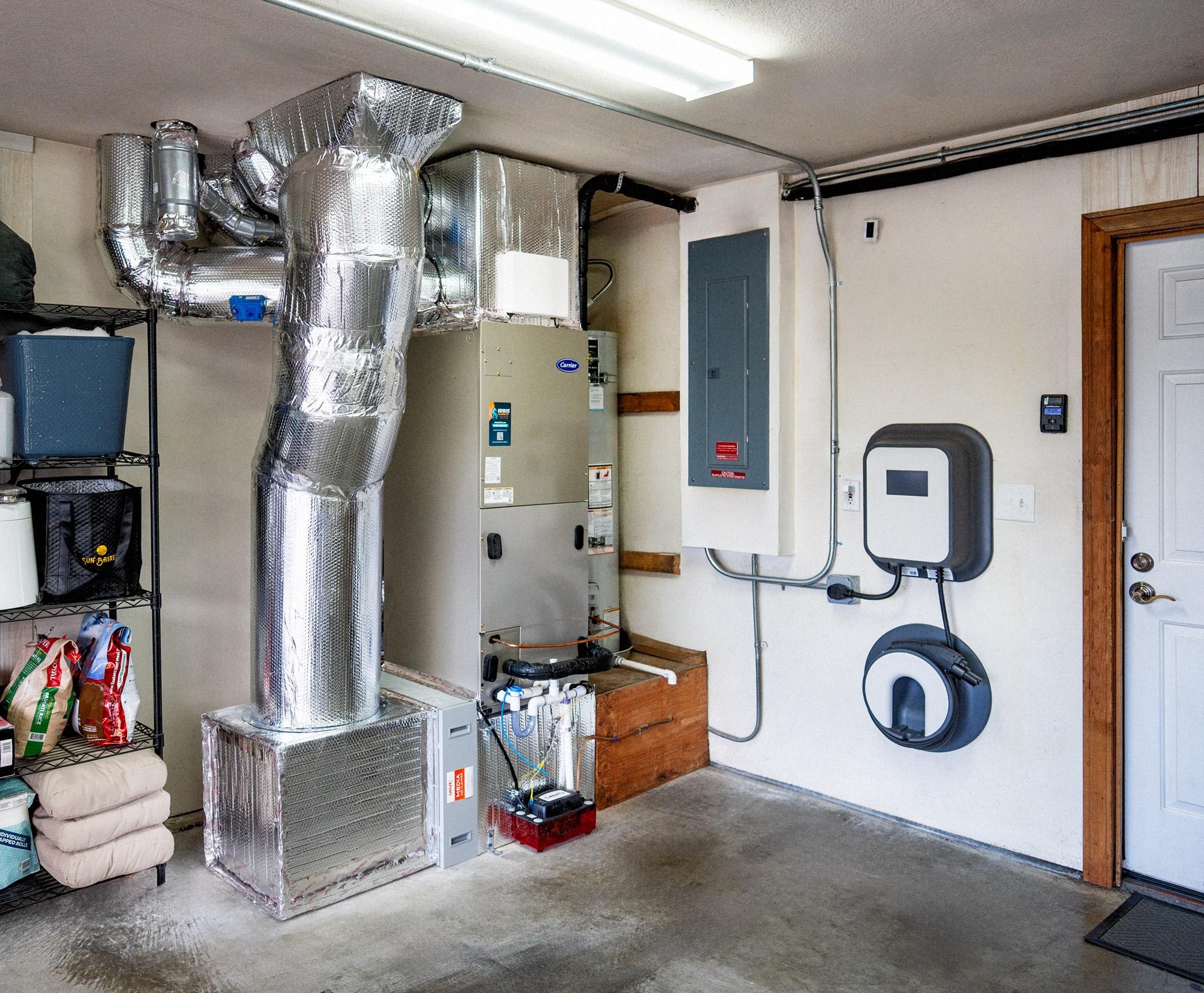
Understanding the actual age and physical condition of your HVAC machinery is an essential first step. Start by inspecting the main unit for an installation date or a service sticker. Next, carefully review your home inspection report for specific equipment notes. Visually examine the exterior components, watching for rust, corrosion, standing water, condensate leaks, or oily residue that could suggest a refrigerant or mechanical issue. While the system operates, listen closely for distracting rattling, loud banging, or harsh grinding noises. Finally, review whether any maintenance records were left behind. Although you may inherit an older system, it does not always require immediate replacement. Simply monitor it carefully and schedule a tune-up before heavy seasonal use.
Dirty or Wrong-Sized Air Filters
One of the easiest HVAC problems for new homeowners to overlook is the air filter. It may seem like a small part of the system, but a clogged, damaged, or wrong-sized filter can quickly affect airflow and indoor comfort.
When an air filter is packed with dust, pet hair, pollen, or debris, air cannot move through the system properly. This makes the furnace or air conditioner work harder than it should. Over time, poor airflow can lead to uneven temperatures, more dust in the home, higher energy use, and extra strain on HVAC components.
The filter also needs to fit correctly. A filter that is too small may leave gaps where dusty air can pass around it, while a filter that is too large may not sit properly in the slot. This reduces filtration and can make the system less efficient.
One of the first things new homeowners should do is remove the existing furnace filter and check the size printed on the frame. Many homes use common 1-inch filter sizes such as 16x20x1, 20x20x1, 16x25x1, or 20x25x1, but the right size depends on the actual furnace or return-air cabinet. If the home uses a less common size, such as an 18x20x1 air filter, ordering the correct replacement early can help maintain airflow and reduce dust bypass.
Most homeowners should check their filter every 30 days, especially after moving in, during heavy heating or cooling seasons, or if they have pets. Depending on the home, filter type, and indoor air quality, replacement may be needed every one to three months. Move-in is the perfect time to start a simple replacement schedule, because it helps keep the HVAC system clean, efficient, and easier to maintain from the beginning.
Weak Airflow or Uneven Temperatures
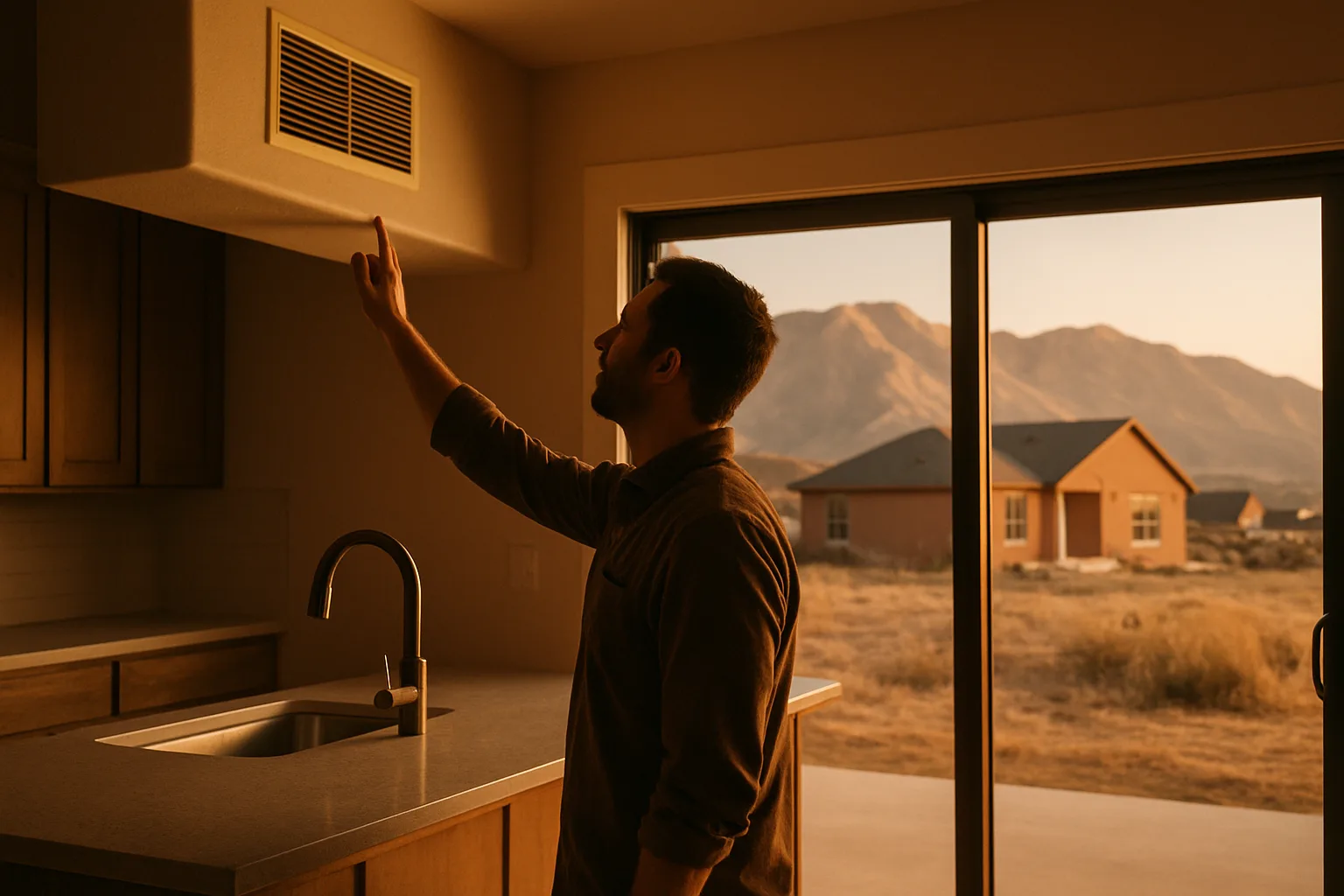
After settling in, you might notice certain rooms feel excessively hot, uncomfortably cold, or poorly ventilated. Several common culprits create these temperature imbalances. Inspect the house for blocked supply vents, purposefully closed floor registers, or large furniture covering essential supply or return vents. You should also check for dirty return grilles limiting air intake. Sometimes, poor original duct layout or rooms positioned farthest from the main HVAC unit cause these noticeable variations. To accurately diagnose this, systematically walk through the entire house while the system is actively running, noting which individual rooms feel significantly different from others.
Leaky, Dirty, or Poorly Designed Ductwork
Even when the primary HVAC unit functions perfectly, compromised ductwork severely degrades your overall comfort and efficiency. Hidden issues frequently include extensive dust buildup inside the ducts, lingering pet hair, or trapped debris from previous occupants. Additionally, leaky duct connections and poorly insulated segments allow conditioned air to escape. You may also find heavy renovation dust in older or recently remodeled spaces. Ultimately, these various duct problems directly cause problematic uneven airflow. Be aware that these specific ductwork limitations are especially common in older homes, newer room additions, partially finished basements, converted attics, and any properties where prior owners attempted undocumented DIY structural alterations.
Thermostat Issues Left Behind by Previous Owners
Thermostats seem simple but can frequently cause immediate performance confusion after move-in. Look out for old manual thermostats projecting inaccurate temperatures, old programmed schedules, or smart models still linked to previous owners. Additionally, ensure the thermostat placement avoids direct sunlight, heat sources, or drafts. Reset the programmed schedule immediately and confirm all heating and cooling modes respond correctly. Upgrading to a programmable or smart thermostat may also help resolve inherited schedule conflicts.
Strange Noises, Odors, or Short Cycling
Unfamiliar operational characteristics often serve as clear warning signs of a deeper mechanical problem. Listen closely for sharp banging or rattling sounds, which indicate loose components, as well as high-pitched grinding or squealing noises that suggest struggling motors. Pay attention to sudden burning smells, damp musty odors, or if the system turns on and off far too frequently—a frustrating condition known as short cycling. While a faint, dusty air smell happens briefly after a system has been idle for months, it should safely dissipate. However, persistent foul odors, electrical burning smells, or repeated short cycling must be inspected by a professional.
Safety Issues New Homeowners Should Not Ignore
Comprehensive HVAC checks are not only about maximizing comfort; they directly involve life-saving safety precautions. Immediately verify that functional carbon monoxide detectors exist near all sleeping areas. Pay extreme attention to any gas furnace concerns, particularly volatile pilot light anomalies or hesitant ignition issues. Additionally, watch out for flickering electrical panel warnings, constantly tripping breaker problems, or unusual exhaust and venting arrangements. You must never casually ignore a suspected gas leak or potential CO vulnerability. Always protect your household by calling a qualified professional promptly to handle gas furnace concerns, active electrical issues, or any suspected carbon monoxide risk. If you notice signs of moisture or musty odors, be aware that water damage can turn into mold problems surprisingly quickly and may also affect your HVAC system.
First 30-Day HVAC Checklist for New Homeowners
Execute this practical, action-oriented checklist during your first month of occupancy:
Inspect and replace the main furnace filter immediately.
Confirm the correct filter size matches the hardware.
Check that visible vents are open and unobstructed, but avoid adjusting internal balancing dampers unless you understand the system.
Wash and deeply clean dusty return grilles.
Test both primary heating and cooling modes completely.
Reset leftover thermostat schedules, and confirm smart thermostat ownership/settings before performing a factory reset.
Check for noticeable uneven temperatures across rooms.
Review historical utility bills, if available.
Look around the main unit for documented service records.
Schedule a comprehensive tune-up if the maintenance history remains unknown.
When to Call an HVAC Professional
Understanding which issues you can check yourself and which require professional help is essential. Handle DIY tasks like changing the filter, clearing vents, resetting the thermostat, testing airflow, and conducting visual checks yourself. Conversely, call a professional immediately for electrical smells, gas concerns, CO warnings, refrigerant issues, loud noises, short cycling, weak airflow despite clean filters, or overall system unresponsiveness. For broader home maintenance planning, reviewing early warning signs your heating system needs attention can help you stay ahead of seasonal failures.
Next Steps
Immediately check your required filter size, easily replace old filters, methodically test your room-to-room airflow, reset the main thermostat, document device behavior, and formally schedule your seasonal service. Performing these simple manual checks prevents underlying comfort problems, significantly improves daily air quality, and helps reduce the risk of surprise repair costs.
Frequently asked questions
How soon after moving in should I check my HVAC system?
How do I know if my air filter is the wrong size?
What causes uneven temperatures in different rooms of my home?
When should I call a professional instead of fixing HVAC issues myself?
How often should I replace my HVAC air filter as a new homeowner?
Keep reading
More from the blog
Cold-Climate Heat Pumps: What Changed and What Still Matters
How to Choose a High-Quality Refurbished Office Chair
How to Choose the Right Coffee Table Size for Any Room