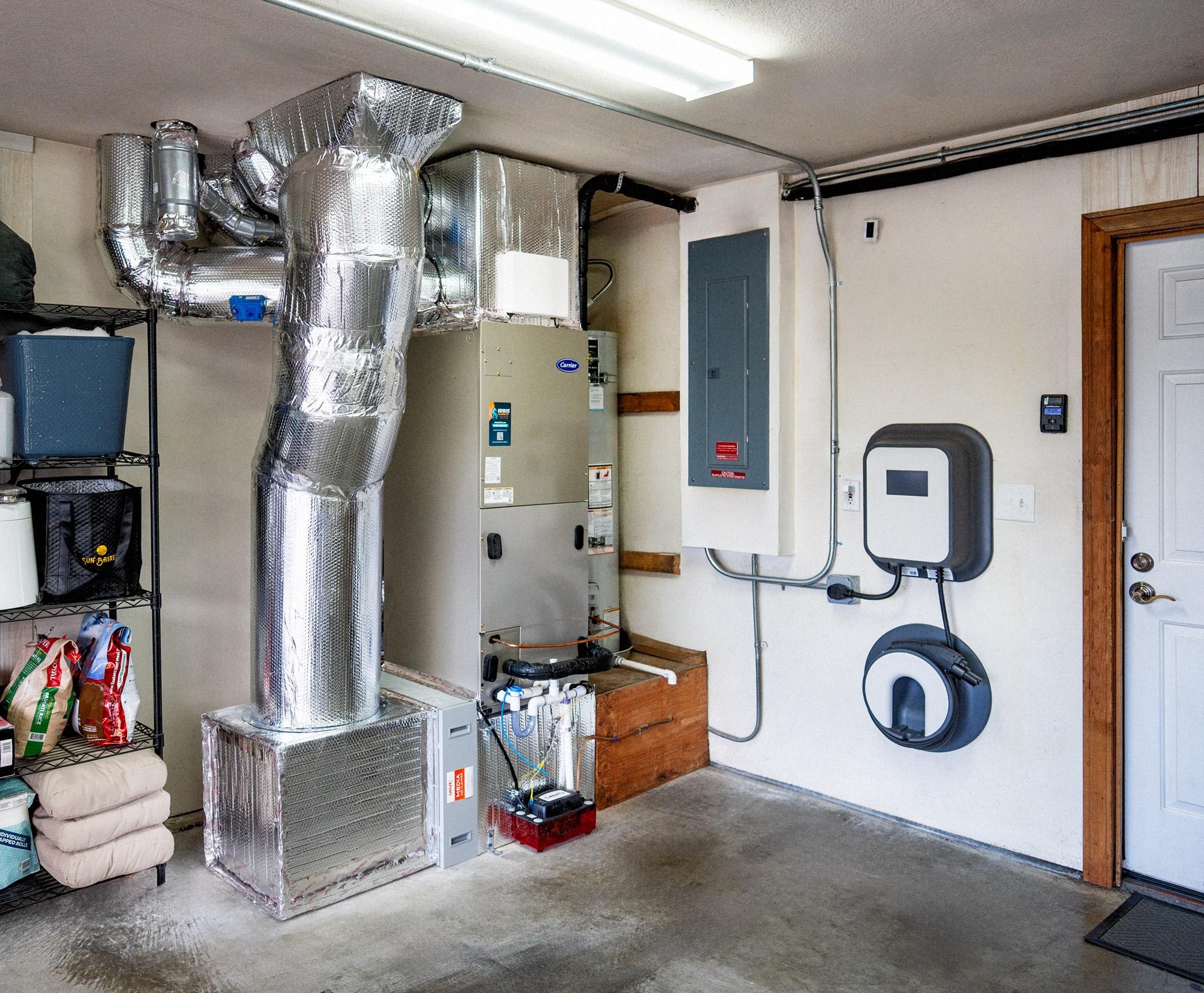
Early Warning Signs Your Heating System Needs Attention
A failing heating system rarely breaks down without warning. From unexplained energy bill spikes and strange vent noises to yellow burner flames and short cycling, these early signs can save you from a costly emergency repair. Learn what to watch for before winter hits hardest.
Winter brings freezing temperatures that make a reliable home heating setup necessary. Homeowners ignore the subtle changes in their equipment until a complete breakdown occurs on a freezing night. Recognizing small warning signs early protects your comfort and prevents expensive emergency repairs. Pay attention to how your system runs to keep your living space warm throughout the season.
Spiking Energy Bills Without Explanation
Finding an unexpected increase on your monthly utility statement can be alarming. Scheduling a professional heating service can identify hidden inefficiencies before they drain your wallet. When internal components wear down, your system works much harder to generate the same amount of warmth. Increased friction and blocked pathways force the motor to consume far more electricity or gas.
Monitoring your monthly statements helps track sudden drops in operational health. Old machinery demands longer run times to hit your desired temperature setting. Extended operation consumes extra fuel without delivering noticeable comfort improvements to your rooms. Fuel consumption numbers reveal how well your heater performs.
Unusual Noises From the Vents
Strange sounds coming from the basement or vents should never be disregarded. Modern systems operate quietly, so loud rattling, screeching, or banging points to internal trouble.
Loose belts or failing motors may be the cause of these disruptive sounds. Ignoring them can lead to severe mechanical failures that destroy the entire unit.
Debris lodges itself inside the blower wheel assembly. Loose components strike the metal housing repeatedly, creating a rhythmic clicking sound during operation. Failing bearings produce a high-pitched squeal that grows louder as the temperature drops. Address these sounds immediately to prevent sudden system shutdowns.
Frequent Thermostat Adjustments
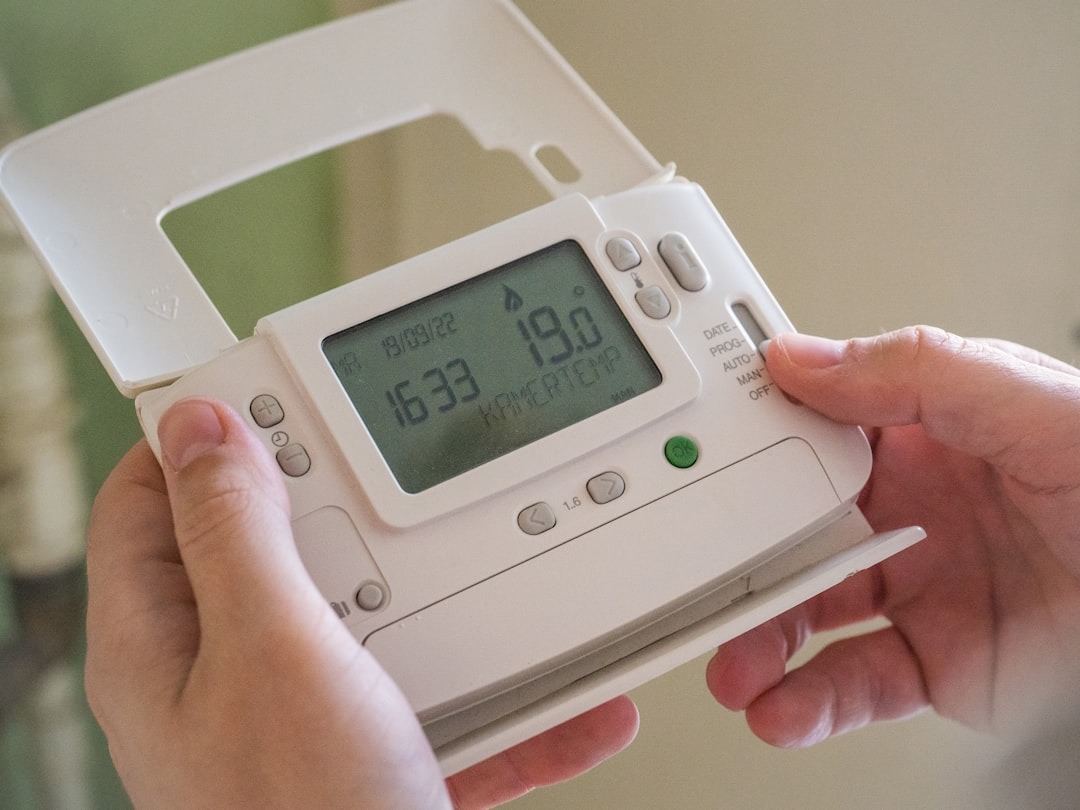
Constantly changing the temperature settings indicates a breakdown in communication within your heating network. The thermostat might fail to read room conditions accurately. Fiddling with the dial every hour signals that the system cannot maintain a steady climate. Constant adjusting strains electrical components and accelerates wear on the thermostat switch.
Faulty wiring can disrupt the signal sent to the primary heating unit. Misplaced sensors register false readings when exposed to direct sunlight or chilly drafts. Moving the control panel to a central wall improves temperature regulation.
Yellow Burner Flame Instead of Blue
Gas furnaces must produce a crisp blue flame to indicate clean combustion. A yellow or flickering flame means the fuel is not burning completely, which poses safety hazards. Carbon monoxide production becomes a serious risk under poor combustion conditions. Check the pilot light window regularly to keep your household safe from dangerous gas leaks.
Dirty burners restrict the flow of gas and alter the mixture of oxygen. Cleaning the assembly restores proper combustion patterns and maximizes heat generation. Homeowners should monitor flame color throughout the colder months. Take a few seconds to look inside the burner cabinet for extra safety.
Poor Air Quality and Dust Accumulation
Old heating systems circulate heavy debris throughout the home. When filters clog completely, particles bypass the filtration barrier and settle onto your furniture. Look for clear indicators of failing filtration across your living spaces. Visual clues point to a breakdown in your air delivery network:
Thick layers of gray soot are forming near the supply registers
Persistent dry coughs among family members during the winter months
Excessive pet dander lingering in the air during daily cleaning routines
Improved airflow prevents dust from choking the internal machinery. Neglected air pathways restrict the volume of warmth entering your home. Clogged filters force the blower fan to spin faster, which increases electrical consumption. The replacement of these simple parts protects your respiratory health and mechanical components.
Short Cycling Issues
A heating system should run through complete heating cycles to warm your home efficiently. The unit turns on and off rapidly every few minutes, experiencing short cycling. Utility bills creeping up by 20% to 30% stem from these short, inefficient heating intervals. Long cycles become impossible when internal sensors detect overheating and shut down the burners.
Corroded flame sensors struggle to confirm that a fire is present. The system shuts down immediately as a safety precaution against unburned gas accumulation. Replacing a faulty sensor resolves this frustrating operational glitch.
Age of the Equipment
Every mechanical system faces an operational limit after years of continuous service. Knowing the age of your heater helps you plan for future upgrades before total equipment failure occurs. If you're evaluating whether to repair or replace before listing your home, see our guide on maximizing property value with a home efficiency checklist.
Furnace Lifespans
Traditional furnaces and boiler systems typically offer an operational life ranging between 15 and 20 years. Older models lose their ability to distribute heat evenly as components rust. Upgrading to a modern unit can eliminate the recurring repair costs associated with aging metal parts.
Heat Pump Durability
Alternative options like heat pumps possess a shorter lifespan, averaging closer to 10 or 15 years. Operating these units beyond that timeframe decreases efficiency. Homeowners should track installation dates to avoid unexpected system failures during extreme weather events.
Uneven Heating Throughout the House
Walking from a warm living room into a freezing kitchen indicates a major system imbalance. A healthy heater distributes warm air uniformly across every room in the house. Several distinct factors cause these temperature variations between floors. Pinpointing the exact cause requires examining your entire layout:
Damaged ductwork is leaking conditioned air into unheated crawlspaces
Improperly sized equipment failing to push air to distant rooms
Obstructed supply registers blocking the path of rising warmth
Balanced airflow guarantees a comfortable living environment for the whole family. Zoning systems can manage comfort across different levels of a multi-story home. Damaged insulation in the attic lets rising warmth escape through the roof. Fixing these structural defects supports your central heating unit.
Persistent Unpleasant Odors
Musty smells or burning odors trailing from your vents signal immediate trouble inside the heating cabinet. Dust accumulation on a heating element creates a brief burning smell during the first startup of winter. A continuous odor of melting plastic indicates electrical shorts or overheating wires. Turning off the breaker prevents electrical fires when these odors fill your home.
Sulfur smells indicate a dangerous gas leak within your heat exchanger. Leaving the house immediately protects your family from chemical exposure. Professional inspections pinpoint the exact source of these foul odors. Quick action keeps your home safe from hidden electrical and gas hazards.
A vigilant eye on your home heating system preserves comfort and household safety throughout the winter. Addressing small changes in operational sounds, air consistency, and energy bills prevents catastrophic mechanical failures. If you're planning to sell your Utah home, a well-maintained heating system can also boost your resale value — just like a new roof or other key upgrades.
Regular checks keep your equipment operating smoothly when outdoor temperatures drop below freezing. Investing time in monitoring your heater yields long-term rewards in reliability and efficiency.
Frequently asked questions
Why are my energy bills suddenly higher without using more heat?
What do strange noises from my vents mean?
Is a yellow burner flame on my gas furnace dangerous?
What causes a heating system to short cycle?
How long should a furnace or heat pump last?
Keep reading
More from the blog
Cold-Climate Heat Pumps: What Changed and What Still Matters
How to Choose a High-Quality Refurbished Office Chair

How to Choose the Right Coffee Table Size for Any Room