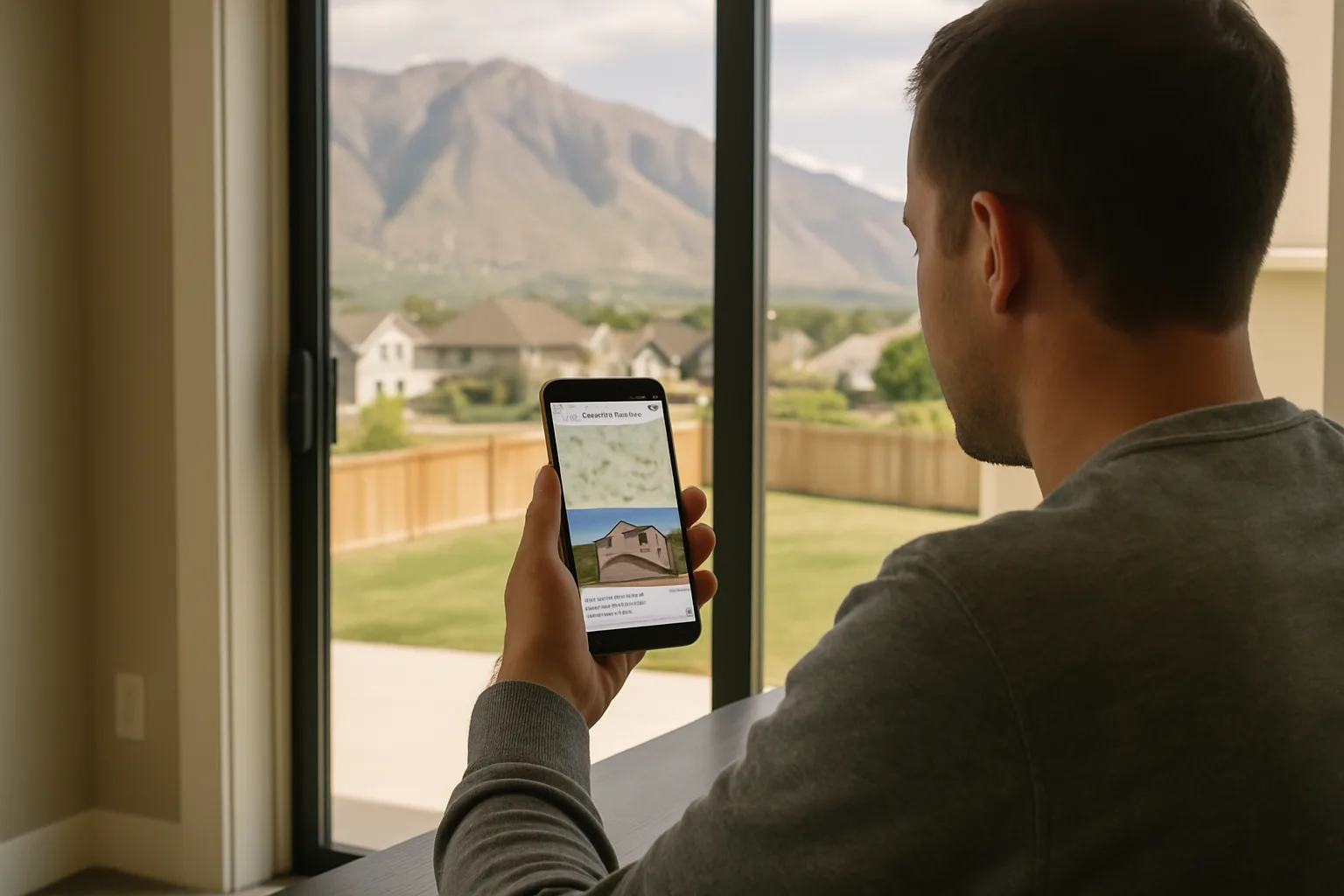
Pros and Cons of living in Eagle Mountain, Utah
Eagle Mountain, Utah pros and cons: newer homes and bigger lots below Lehi prices, versus the commute, wind, ongoing construction and crowded schools.
Eagle Mountain sits in Cedar Valley on the west side of Utah Lake, just past Saratoga Springs and west of Lehi. It's one of the fastest-growing cities in Utah: the Census Bureau estimates it went from about 43,600 residents in 2020 to more than 66,000 in 2025. Buyers come for newer homes, bigger lots and prices below most of northern Utah County. They give up a short commute and a finished, built-out feel. Here's how the pros and cons stack up. To see what's for sale, browse Eagle Mountain homes for sale.
Eagle Mountain at a glance
- Population: 66,557 (Census estimate, July 2025), up about 53% since 2020 and the third-fastest growth among Utah cities with more than 10,000 people.
- Size: about 50 square miles, one of the largest cities in Utah by land area. It incorporated in 1996 with roughly 250 residents.
- Median sale price: $499,900 in the latest completed month, with homes taking 36 days to go under contract.
- Homes for sale right now: 587.
- Schools: Alpine School District today, moving to the new Lake Mountain School District with Saratoga Springs on July 1, 2027.
The pros of living in Eagle Mountain
More home for the money
Eagle Mountain's median sale price of $499,900 buys a newer, larger home than the same budget gets in Lehi or most of Salt Lake County. Many homes come with basements that can be finished later, and builders often offer rate buydowns or closing-cost help on new construction. Browse new construction in Eagle Mountain or homes under $500K.
Newer neighborhoods with amenities
Much of the city is built in master-planned communities with parks, trails and pools. Some of the most active areas for listings:
- Eagle Point and Parkway Fields, two of the largest communities in the city.
- Harmony and Silver Lakes, with newer homes and townhomes.
- Red Hawk Ranch and Oquirrh Mountain Ranch.
- Overland, a newer Ivory Homes community planned for more than 3,000 homes with a clubhouse and pool.
Bigger lots and room for toys
Larger lots are easier to find here than closer to I-15, and many homes have space for an RV or trailer. Older areas like The Ranches have established ramblers, many with no HOA. See homes with RV parking and no-HOA homes. Properties set up for horses are on the edges of town; check zoning and HOA covenants before counting on animal rights. Browse horse properties.
Open space and a quieter setting
Cedar Valley is still wide open around the city, with mountain views, trails and the historic Pony Express Trail running through. The city's parks and the annual Pony Express Days celebration give it a hometown calendar.
A growing local job base
Large data centers, including Meta's campus, which has operated in Eagle Mountain since 2021, have added a local employer base and business tax revenue in a city that was once almost entirely residential.

The cons of living in Eagle Mountain
The commute
This is the big one. Most residents work elsewhere, and the main routes out, Pony Express Parkway, SR-73 and Redwood Road, funnel through Saratoga Springs and Lehi to I-15. Rush-hour trips can take much longer than the miles suggest. Road projects are planned, including an extension of the Mountain View Corridor toward SR-73 slated to start in 2027 and a future SR-73 freeway, but timing depends on funding. Buy based on today's drive, and test it at rush hour.
Still building out
Fast growth means construction traffic, empty lots next door that won't stay empty, and shopping and restaurants that are still catching up. Many errands and most nightlife mean a drive to Saratoga Springs or Lehi.
You'll need a car
The city is spread across about 50 square miles, so walking to errands isn't realistic in most neighborhoods, and transit options are limited.
Wind, cold winters and wildfire
Cedar Valley is breezy and colder than the Wasatch Front in winter. The nearby Fairfield weather station averages January lows around 13°F and about 34 inches of snow a year. The city's west and south edges border open land, and the 2012 Dump Fire burned more than 5,600 acres and forced the evacuation of more than 580 homes, so homes on the edge of town should be checked for wildfire exposure and insurance.
Crowded, changing schools
Schools have been racing to keep up with growth, and boundaries change as new ones open. Eagle Mountain moves to the new Lake Mountain School District in 2027, and a new high school is planned for fall 2028. Confirm school assignments for any address.
Is Eagle Mountain safe?
Eagle Mountain is a largely residential city of newer neighborhoods, and it's generally regarded as a low-crime place to live. It doesn't have its own police department; it contracts with the Utah County Sheriff's Office, so FBI crime statistics for the city are combined with the sheriff's other areas rather than reported separately. That makes the online "crime rate" figures for Eagle Mountain estimates at best. For a specific neighborhood, ask the sheriff's office about recent activity and visit at different times of day before buying.
Home prices and costs
Eagle Mountain homes sold for a median of $499,900 in the latest completed month, at 98.9% of the asking price, and the median asking price of homes for sale now is $534,950. Townhomes are the lower-cost way in: see Eagle Mountain townhomes. Monthly trends are on the Eagle Mountain market stats page, and owners can check what Eagle Mountain homes are worth.
- HOA dues: common in the master-planned communities and part of the real monthly cost, so compare them along with the price.
- Utilities: Rocky Mountain Power provides electricity and Enbridge provides gas; the city runs water from its own wells and a contract with Central Utah Water.
- Property tax: Utah taxes a primary residence on 55% of its value thanks to the 45% residential exemption, and that applies to homes rented to a long-term tenant as their primary residence too. Short-term rentals pay on the full value.
Rules buyers should know
- ADUs: Eagle Mountain allows one accessory dwelling unit per lot, including detached units, as long as the owner lives on the property, there are two extra off-street parking spaces, and the unit isn't rented for less than 30 days.
- Short-term rentals: rentals need a city business license, and many HOAs restrict them. Check both before buying with nightly rentals in mind.
Is Eagle Mountain a good place to live?
For many buyers, yes. Eagle Mountain works well if you want a newer, larger home, a bigger lot or room for an RV at a lower price than most of northern Utah County, and you're comfortable with a longer drive and a city that's still filling in. It's a weaker fit if you need a short daily commute to Salt Lake City, want to walk to shops and restaurants, or would rather avoid living near active construction. Buyers comparing nearby options can look at Saratoga Springs, closer to I-15, and read about living in Saratoga Springs.
Posted by Kristopher Larson
Frequently asked questions
Is Eagle Mountain, Utah a good place to live?
For many buyers, yes. Eagle Mountain offers newer, larger homes, bigger lots and prices below most of northern Utah County, with parks, trails and master-planned communities. The trade-offs are a longer commute through Saratoga Springs and Lehi, ongoing construction, limited shopping and nightlife, and wind and colder winters in Cedar Valley.
Is Eagle Mountain, Utah safe?
Eagle Mountain is generally regarded as a low-crime, largely residential city. It contracts with the Utah County Sheriff's Office for police service, so FBI crime figures for the city aren't reported separately. Ask the sheriff's office about a specific neighborhood before buying.
How much do homes cost in Eagle Mountain?
Eagle Mountain homes sold for a median of $499,900 in the latest completed month, and the median asking price of homes for sale now is $534,950, with 587 listings. Townhomes are the lower-cost option, and builders often offer incentives on new construction.
How fast is Eagle Mountain growing?
Very fast. The Census Bureau estimates Eagle Mountain grew from about 43,600 residents in 2020 to 66,557 in 2025, an increase of about 53% and the third-fastest growth among Utah cities with more than 10,000 people. The city incorporated in 1996 with roughly 250 residents.
What school district is Eagle Mountain in?
Eagle Mountain is in Alpine School District until July 1, 2027, when it moves to the new Lake Mountain School District with Saratoga Springs, Cedar Fort and Fairfield. Cedar Valley High serves much of the city, and a new high school is planned for fall 2028. Confirm assignments for a specific address.
Can you build an ADU in Eagle Mountain?
Yes. Eagle Mountain allows one accessory dwelling unit per lot, including detached units, as long as the owner lives on the property, there are two extra off-street parking spaces, and the unit isn't rented for less than 30 days.
Eagle Mountain, Utah housing market
A quick read on what homes are doing in Eagle Mountain right now — pulled live from the MLS.
Keep reading
More from the blog

Living and Thriving in Eagle Mountain, Utah

Snow Canyon State Park: Trails, Fees and When to Go
55+ Communities in the Salt Lake City Area