Commercial Restroom Accessories That Improve Function and Access
A practical guide to selecting commercial restroom accessories — from dispensers and dryers to grab bars and waste units — for better hygiene, accessibility, and long-term maintenance, with a look at how fast-growing Utah commercial corridors factor into planning.
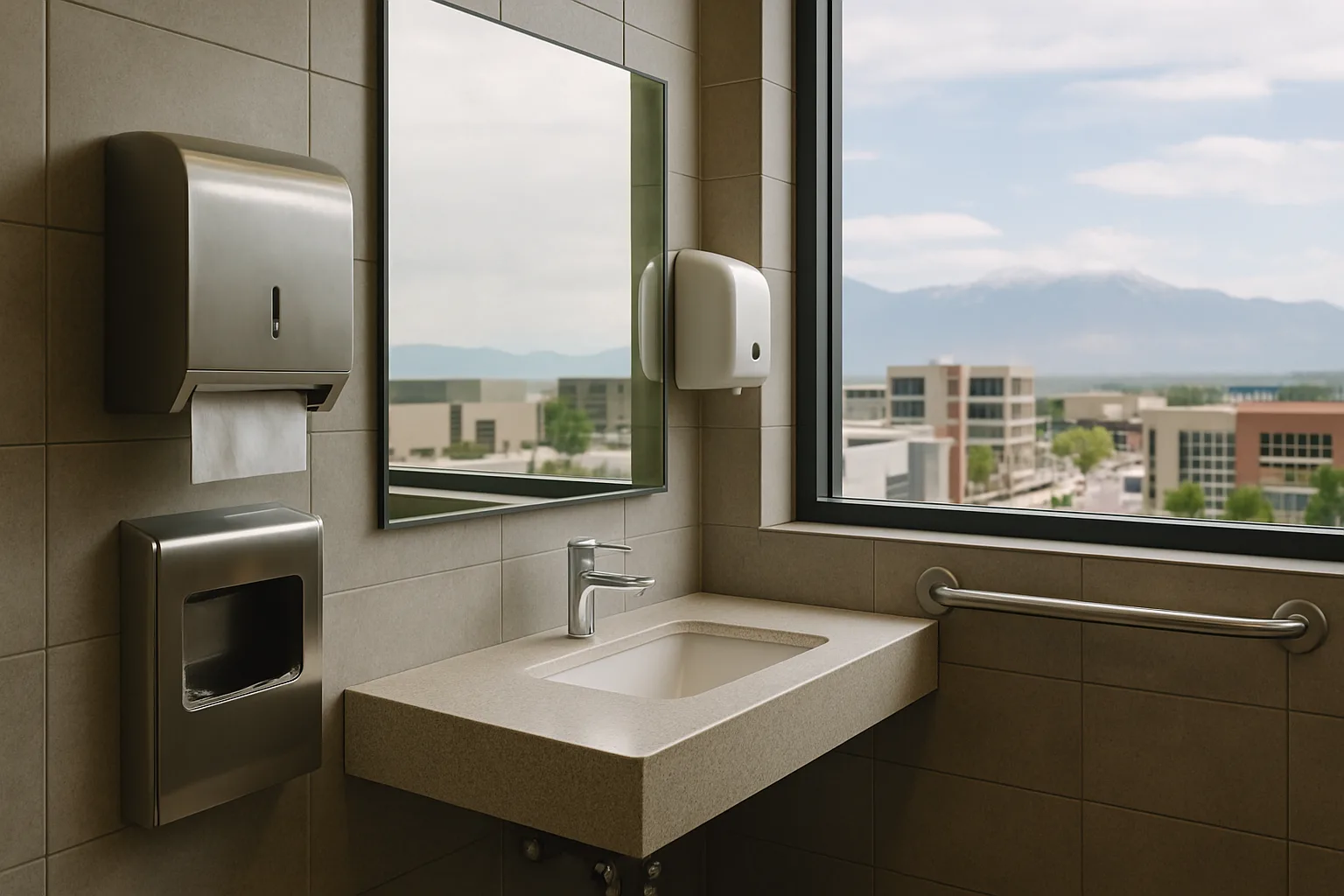
A public restroom works well when people can move, wash, dry, and exit without strain or confusion. Accessories shape that experience at every step. Dispensers affect hand hygiene. Grab bars support balance and transfer safety. Mirrors, hooks, shelves, and waste units influence comfort, dignity, and flow. In busy facilities, these small fixtures help reduce spills, surface damage, service delays, and avoidable user frustration.
Planning Around Use
Facility teams should evaluate commercial bathroom accessories through traffic volume, mounting height, infection control needs, refill access, and user mobility. A clinic may require easier reach and quieter operation, while a school may need stronger housings and tamper-resistant fasteners. Good selection starts with who uses the room, how often supplies turn over, and where hands naturally move.
Dispensers That Reduce Waste
Soap, towel, tissue, and sanitizer dispensers need the right capacity for actual demand. A small unit in a theater or gym can empty before staff notice. An oversized one may crowd a narrow wall. Touch-free models reduce hand contact, but sensors and batteries need regular checks. Clear placement helps users complete handwashing without dripping water across counters or floors.
Drying Choices
Hand drying affects hygiene, noise, maintenance, and floor safety. Air dryers reduce paper storage and trash pickup. Towels help users manage spills and damp hands near exits. Many facilities use both because people have different needs. Dryer airflow should be aimed carefully. Poor positioning can blow moisture onto walls, mirrors, shoes, or nearby users.
Waste Placement
A waste receptacle should be visible, reachable, and easy for staff to empty. Wall-mounted units keep floors open for mopping and mobility devices. Recessed models protect circulation paths and limit visual clutter. Freestanding bins work in flexible rooms, but they can shift or block access. Disposal points belong near towel stations, diaper-changing areas, and exits.
Access Features
Accessible restroom accessories must work in real use, not just on a plan. Height, reach range, turning space, and wall strength all matter. A compliant dispenser can still fail users if a vanity, door swing, or partition blocks approach. Backing should be planned before walls close. Early review protects safety, comfort, and construction budgets.
Grab Bars
Grab bars are load-bearing safety devices, so installation deserves careful attention. Stainless steel is common because it resists moisture, corrosion, and frequent cleaning. Textured gripping surfaces can help wet hands maintain contact. Bar placement should match toilet and shower transfer patterns. Secure anchoring reduces fall risk and gives users steadier support during movement.
Mirrors and Shelves
Mirrors, shelves, hooks, and towel bars affect how personal care feels inside the room. Lowered or tilted mirrors help seated users see clearly. Shelves support bags, medical supplies, grooming items, or clean clothing. Hooks improve convenience in showers, clinics, and workplace restrooms. Each item should avoid sharp edges, blocked clearances, and awkward reach positions.
Material Selection
Material choice should match moisture, cleaning chemistry, impact risk, and design goals. Stainless steel gives long service life in many public settings. Powder-coated metal can add visual consistency, but harsh products may damage the finish. Plastic may suit lighter-use spaces with careful monitoring. Matte surfaces hide fingerprints better, while polished finishes show residue sooner.
Vandal Resistance
High-use restrooms need accessories that resist pulling, prying, and repeated impact. Security screws, reinforced doors, recessed cabinets, and locked covers can reduce damage. Schools, parks, transit centers, stadiums, and entertainment venues usually need stronger parts. Repairable models also matter. Replaceable hinges, covers, and valves help teams control costs after localized damage. This kind of durability planning matters just as much in Utah's growing commercial corridors as it does in any new-construction project, and it pairs well with broader building-quality considerations like those covered in our guide on common building defects to check before making an offer.
Coordination With Partitions
Accessories should be checked against partitions, doors, grab bars, and wall finishes before installation. A tissue unit placed near a door swing can interfere with movement. Hooks on weak panels loosen quickly. Partition-mounted items require compatible hardware and proper backing. Careful coordination prevents conflicts between dispensers, sanitary disposal units, latches, and required clear floor areas.
Maintenance Value
A strong accessory schedule accounts for cleaning time, refill patterns, and replacement intervals. Staff should access service points quickly and without special tools where possible. Clear sightlines help crews spot empty dispensers, full bins, and damaged covers. Standardized product families reduce spare part confusion across several sites. Easier upkeep keeps restrooms cleaner and more dependable.
Restroom Planning Along Utah's Commercial Corridors
Utah's fast-growing commercial base adds a regional wrinkle to accessory planning. Along the Wasatch Front, new office parks, medical buildings, and retail centers are going up quickly in tech-driven markets like Lehi and Draper (the "Silicon Slopes" corridor), as well as in Salt Lake City and Provo, where high employee turnover in shared office restrooms puts extra strain on dispensers, dryers, and waste units. Facility managers in these markets often lean toward touch-free dispensers and reinforced, vandal-resistant hardware simply because traffic volume is higher and refill cycles are tighter than in smaller communities.
Utah's dry climate and elevation swings also affect restroom fixtures in ways that are easy to overlook. Low humidity across the Wasatch Front and southern Utah can make certain adhesives, gaskets, and sensor components behave differently than they would in wetter regions, which is one more reason mounting hardware and backing should be verified before walls close, not after. This is especially relevant in fast-growing suburbs like Ogden and St. George, where new commercial construction is common and inspection timelines are tight. Communities near Park City that serve seasonal tourist traffic face their own version of the same problem: restrooms built for everyday local use need accessories rated for sudden, heavy weekend volume. If you're evaluating commercial or investment property anywhere along the Wasatch Front or in southern Utah, you can browse current listings at Best Utah Real Estate.
Conclusion
Commercial restroom accessories deserve the same care as plumbing fixtures, lighting, and ventilation. Each dispenser, dryer, grab bar, mirror, hook, shelf, and waste unit affects hygiene, access, movement, and daily maintenance. Durable materials, correct mounting, and thoughtful placement help rooms serve more people with fewer interruptions. A careful accessory plan supports code review, user dignity, construction efficiency, and long-term facility performance.
Frequently asked questions
What is the standard height for a grab bar in a commercial restroom?
How often should soap and towel dispensers be refilled in a busy facility?
Are touchless dispensers worth the extra cost for commercial restrooms?
What material holds up best in high-traffic commercial restrooms?
Do accessible restroom accessories need to be reviewed during construction planning?
How can facilities reduce vandalism to restroom fixtures?
Keep reading
More from the blog
What If Your Utah Home Appraisal Comes In Higher Than Offer?

Best Time to Hang Christmas Lights: A Homeowner's Timing Guide

iSpeedToLead vs. PropStream, BatchLeads & More: 2026 Comparison