5 Property Assessment Issues a Houston Tax Consultant Can Help Address
Harris County property owners often face inflated valuations, misclassified parcels, and missed exemptions on their appraisal notices. This guide breaks down five common assessment issues and how a Houston property tax consultant helps correct them before deadlines pass.
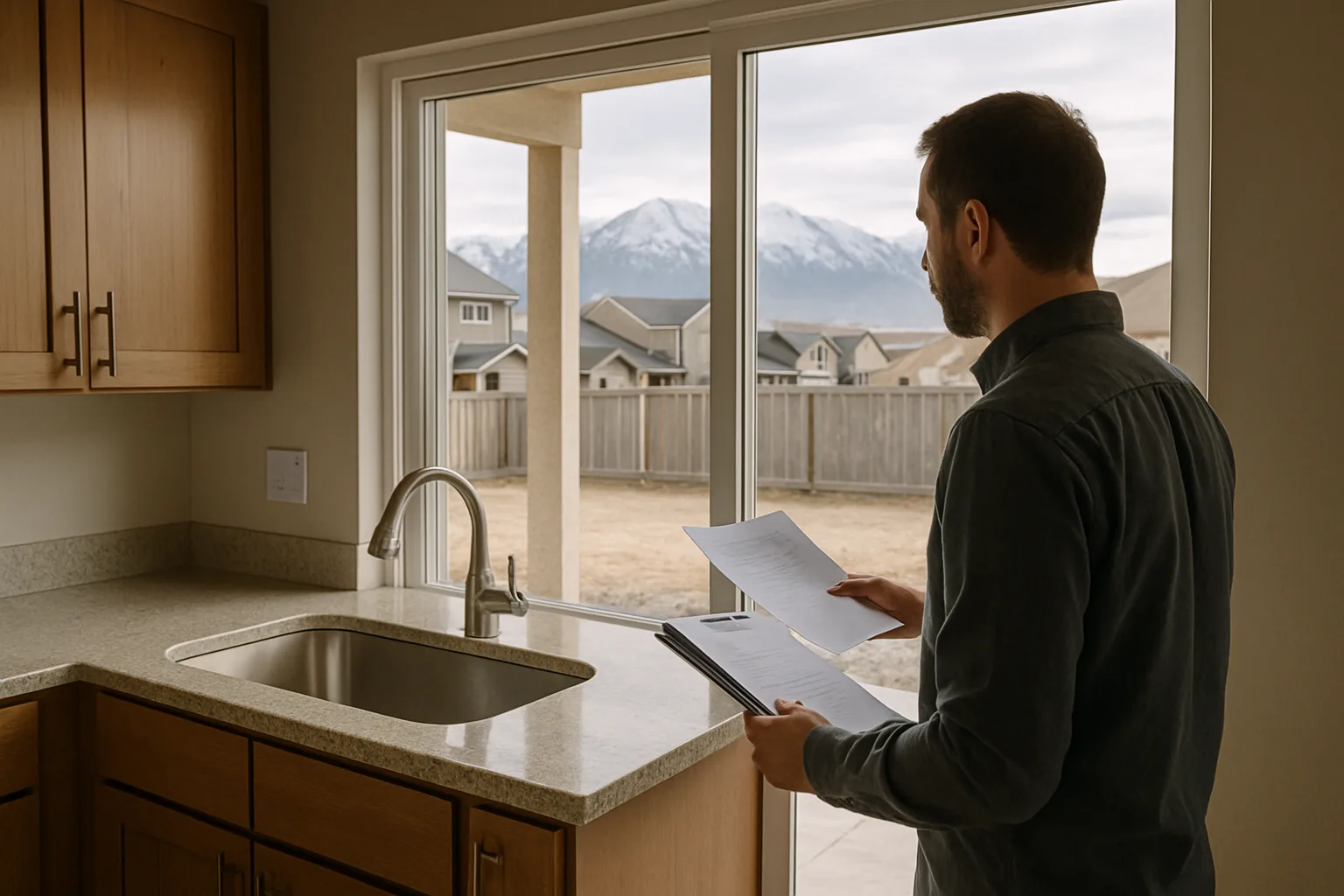
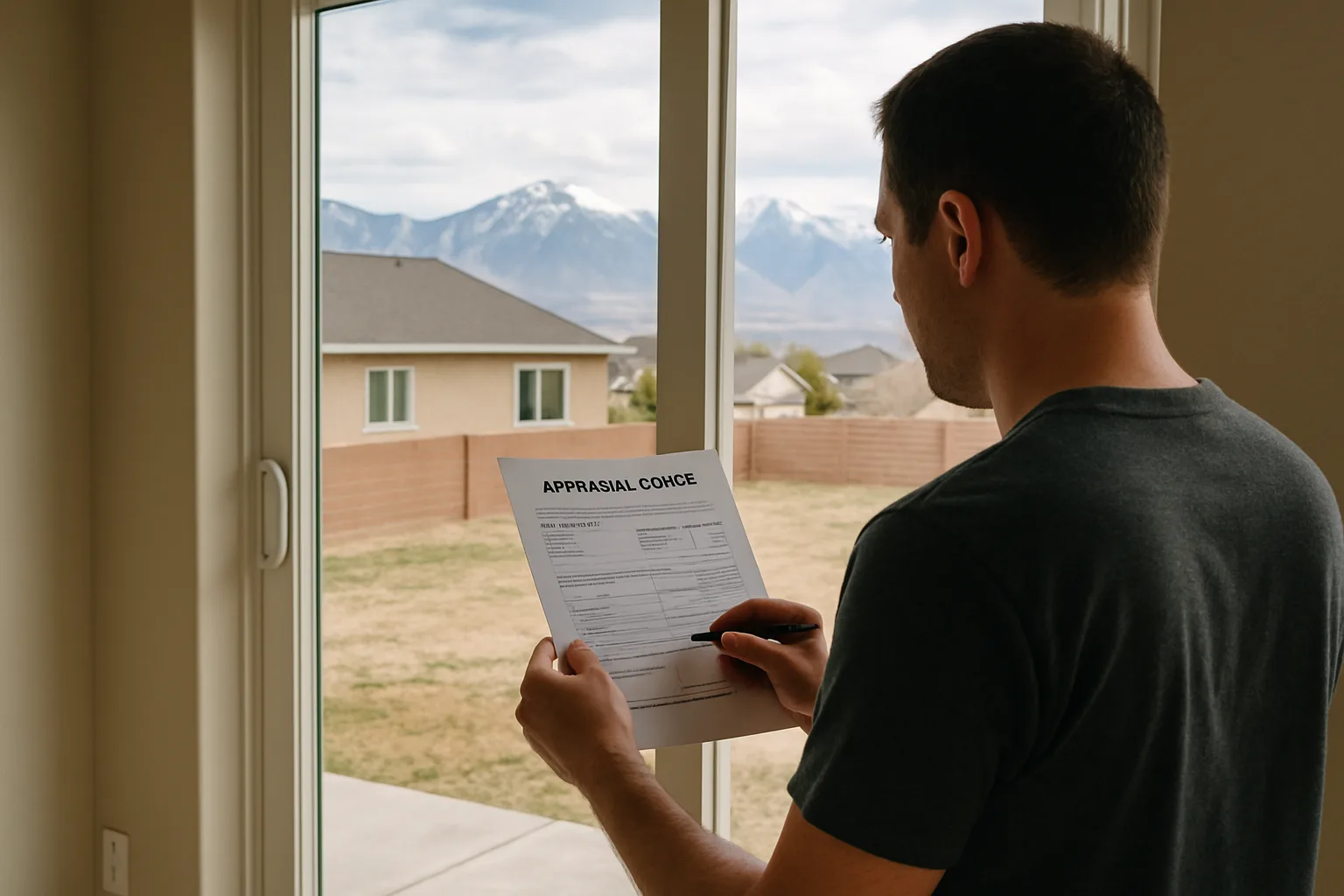
Every spring, Harris County property owners open a notice of appraised value and feel their stomach drop. That single number shapes the tax bill for the entire year. Yet most owners have little idea how the appraisal district reached it. Errors creep into these assessments more than people expect, and a wrong figure rarely corrects itself without action. Understanding how a Houston consultant approaches this problem makes the notice far less intimidating. This article covers five common assessment issues owners across the region encounter. It also shows how proper guidance turns confusion into an accurate valuation.
1. Inflated Market Value Estimates
Mass appraisal systems rely on broad neighborhood data rather than a walk-through of an individual parcel. As a result, they miss details that lower a home's true worth, such as an outdated kitchen or a cracked foundation. The property tax consultants Houston that owners turn to gather comparable sales, condition reports, and photographs instead. This evidence-based approach replaces a generic estimate with a value that reflects the home as it actually stands.
2. Incorrect Property Classification
An appraisal district occasionally files a parcel under the wrong category, treating a residential rental as commercial space. This kind of mix-up changes the applicable tax rate and can push a bill above what nearby properties pay. Comparing the classification on record against the county's own definitions often reveals the error. Spotting the mistake early saves an owner from years of repeat overpayment.
3. Overlooked Exemptions and Deductions
Homestead, over-65, and disability exemptions all reduce taxable value. Yet many eligible owners never file the paperwork, or they lose the benefit after a refinance. According to the Tax Foundation, Texas draws 40.7 percent of its state and local tax revenue from property taxes. That makes exemptions a key lever for managing the bill. Comparing county records against eligibility rules before deadlines pass matters. Missing one category can mean paying tax on value that should have been excluded.
4. Comparable Sales That Do Not Match
Appraisal districts often justify a valuation using comparable properties that share a ZIP code but little else. They may ignore differences in square footage, lot size, age, or renovation history. A thorough review swaps in true comparables instead, giving a review board a clear reason to adjust the figure. A strong protest package typically arrives with this kind of side-by-side comparison already prepared, similar to the sample below. This same logic of pricing a home against genuinely similar properties, rather than superficial matches, is why comparable home sales matter when pricing a home in any market, including here in Utah.
Sample Comparable Property Review
Factor | Subject Property | District's Comparable | Stronger Match |
Square footage | 2,100 | 2,850 | 2,150 |
Year built | 1998 | 2015 | 1996 |
Condition | Original finishes | Fully renovated | Minor updates |
Recent sale price | Not sold | $410,000 | $312,000 |
5. Missed Deadlines and Procedural Errors
Texas law sets firm windows for filing a protest. Missing that window generally means accepting the current valuation for the entire year. Paperwork submitted with an incomplete form or the wrong parcel number can also stall a case before the review board hears the evidence. The property tax consultants in Houston residents contact each spring stress one thing above all else. A single missed date can lock in an inflated value for a full year. Marking every date on the calendar as soon as the notice arrives gives an owner a clear head start.
Accurate property assessment protects both the individual owner and the broader tax system. Fair values keep the burden distributed the way local tax codes intend. Reviewing an appraisal notice with care gives an owner a stronger position when a valuation seems off. Gathering solid evidence and meeting every deadline strengthens that position further. Fair, well-documented assessments benefit everyone who owns real estate in the region, whether you're navigating a Harris County appraisal notice or settling into a new home in Utah and getting familiar with local property tax rules for the first time. Staying informed remains the first step toward a bill that truly reflects a home's worth.
Frequently asked questions
How do I know if my Houston property tax appraisal is too high?
What is the deadline to protest a property tax assessment in Texas?
Which property tax exemptions do Houston homeowners often miss?
Does hiring a property tax consultant in Houston actually save money?
What happens if a property is classified incorrectly on the tax roll?
Why does Texas rely so heavily on property taxes instead of income tax?
Keep reading
More from the blog

How Desert Heat Affects Your Home's Pipes and Water Heater

European Exterior Doors: Materials, Energy Efficiency & Security

From Empty Apartment to Earning Asset in 7-14 Days