The High-Desert Preservation Challenge: Active Wine & Cigar Storage in Utah
Utah's high elevation and arid climate rapidly dry out wine corks and cigar wrappers, making passive storage obsolete. Learn why luxury homeowners across Park City, Salt Lake City, and Silicon Slopes are building active, climate-controlled wine and cigar storage into their homes.
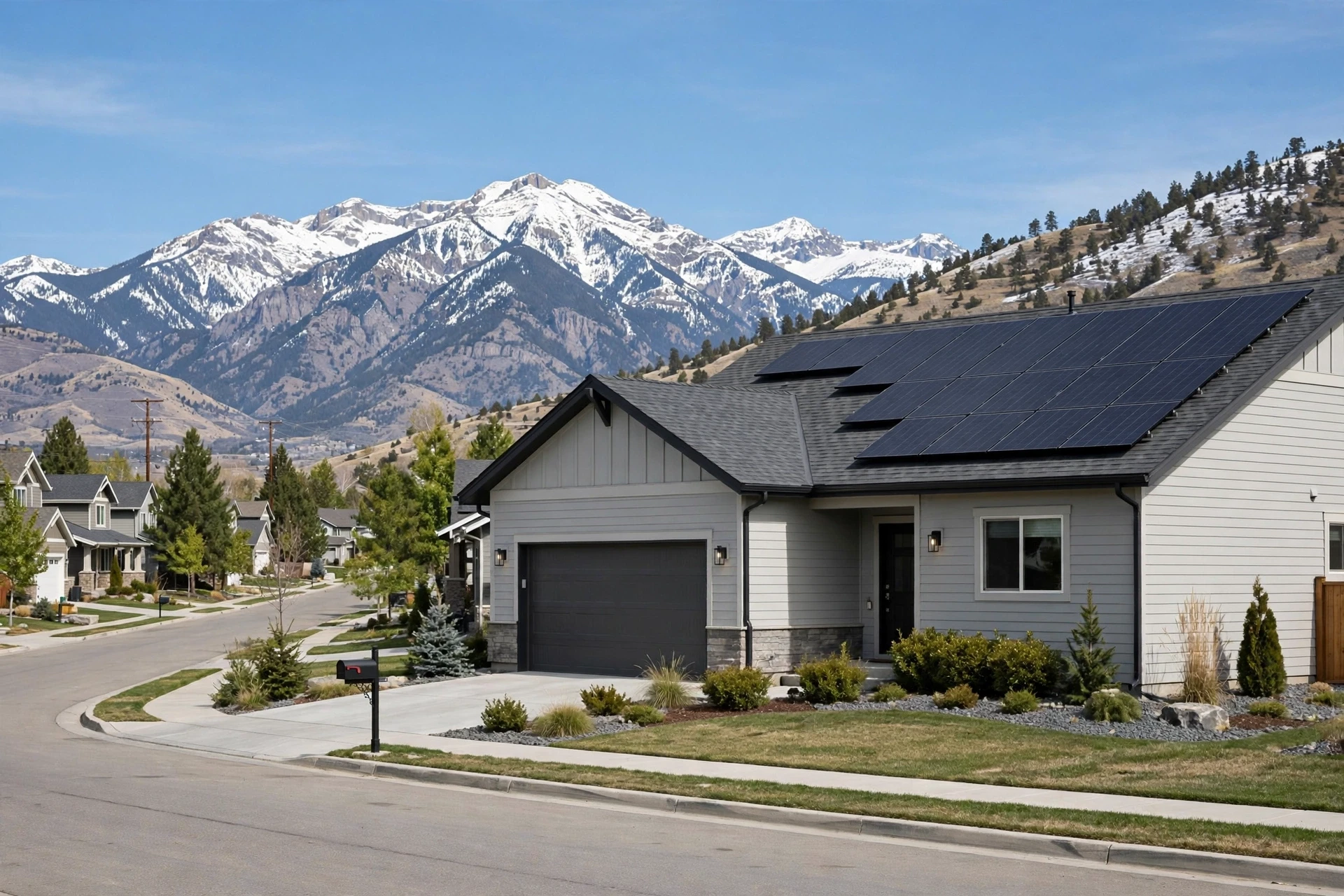
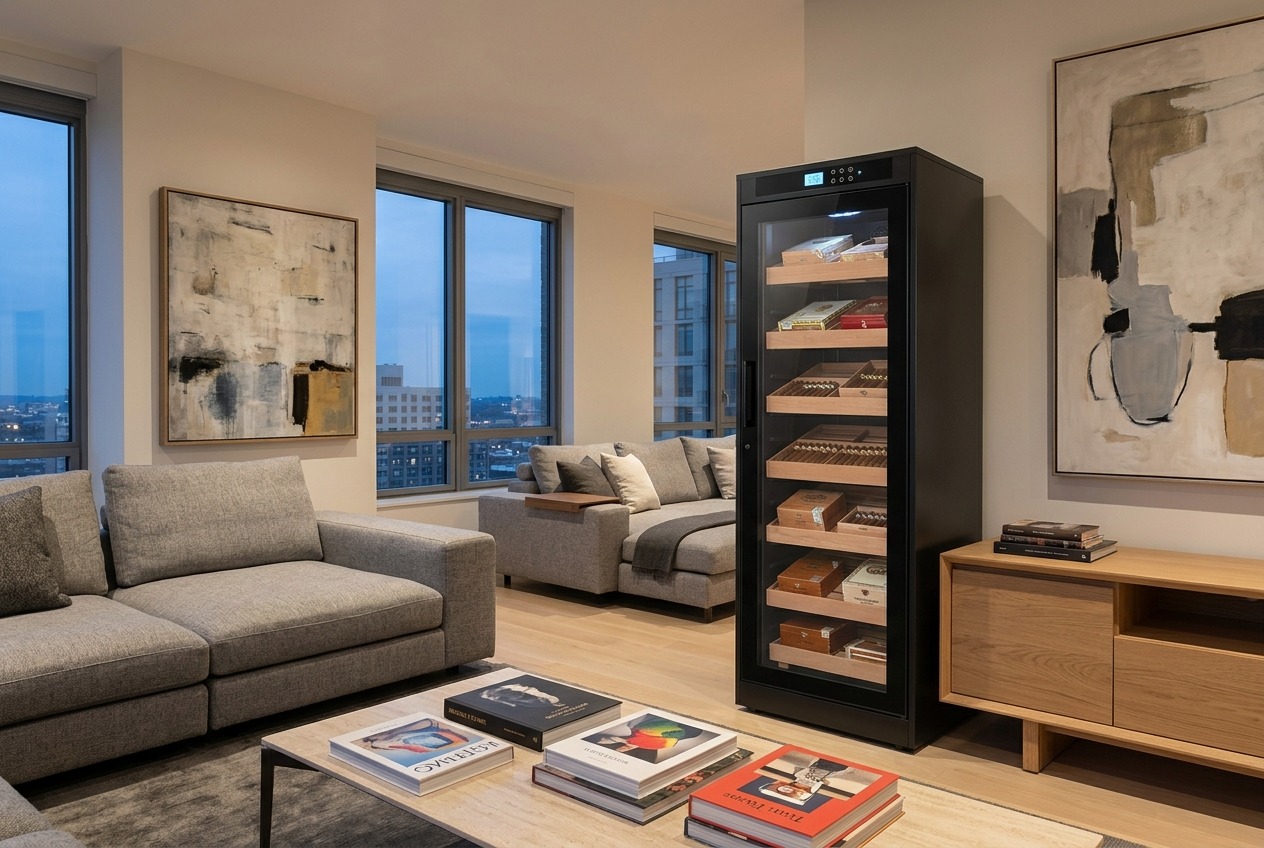
Utah's stunning topography, from the snow-capped Wasatch Front down to the red rock canyons of St. George, offers world-class outdoor living, but it presents a notorious environmental challenge for residential luxury amenities. Situated at high elevation with an arid, high-desert climate, Utah frequently experiences ambient relative humidity levels dipping below 15% to 20% during summer months and winter heating seasons. For homeowners who collect fine wine and premium cigars, this relentless dry air acts as a constant environmental sponge, rapidly stripping moisture from organic materials. In these extreme conditions, traditional passive storage methods, such as basic wooden boxes or open wine racks, simply cannot maintain the necessary environmental balance. To safeguard valuable collections, modern mountain residences increasingly incorporate an active cigar humidor cabinet that leverages automated climate control technology to withstand the Intermountain West's harsh dry spells.
As luxury residential development surges across Park City, Salt Lake City, and Silicon Slopes, interior designers and custom builders are re-evaluating how entertainment spaces are constructed. What used to pass for adequate storage in coastal or humid regions quickly leads to ruined inventory in Utah. Preserving vintage wines and premium hand-rolled cigars in a high-altitude desert requires shifting from passive containment to engineered micro-climate management.
The Science of Desiccation: High Elevation and Mountain Air
Understanding why Utah poses such a threat to wine and cigar collections requires a brief look at the atmospheric physics of high-altitude environments. At elevated altitudes, atmospheric pressure drops, accelerating the rate of evaporation. Combined with low relative humidity and the heavy indoor HVAC usage required during cold mountain winters, indoor residential air becomes exceptionally dry.
For wine preservation, this dry environment targets the bottle's most critical vulnerability: the natural oak cork. Cork is an organic, porous material that requires continuous contact with relative humidity around 50% to 70% to remain supple and expanded. In a typical Utah home without active humidity regulation, dry air draws moisture out of the exposed top of the cork. As the cork dries, it shrinks and degrades, breaking the airtight seal against the glass neck. This allows ambient oxygen to seep into the bottle, triggering rapid oxidation that turns vintage cabernets and delicate pinot noirs into flat, vinegary liquids.
For premium cigars, the degradation process is even faster. Tobacco leaves are hyper-hygroscopic, meaning they absorb and release moisture in direct equilibrium with surrounding air. When exposed to Utah's dry atmosphere, cigars lose their natural essential oils within days. Dry tobacco burns excessively hot and harsh, loses its complex flavor profile, and becomes so brittle that fragile wrapper leaves split under minor pressure.
In coastal cities where ambient humidity hovers near 60% year-round, passive wooden humidors and standard dark closets might keep collections stable for brief periods. In Utah, relying on passive setups means fighting a losing battle against atmospheric evaporation.
Utah Real Estate and Design Trends: The Rise of the Luxury Home Lounge
The demand for specialized, climate-controlled storage is closely tied to evolving architectural trends across Utah's luxury real estate landscape. In premier markets like Deer Valley, Alpine, and Lehi, buyers are moving away from traditional, formal floor plans in favor of integrated entertainment suites and lifestyle lounges. This shift mirrors a broader trend in mountain-town markets like Midway, where Swiss-inspired architecture increasingly pairs alpine views with high-end entertaining spaces.
Modern "mountain modern" architecture emphasizes open-concept living with large window packages that invite natural light and alpine views. However, these open layouts present climate challenges. Sunlit rooms, soaring vaulted ceilings, and open floor plans make ambient room temperature and humidity volatile.
To adapt, interior designers are embedding dedicated climate-controlled storage directly into living space layouts:
Kitchen Islands and Wet Bars: Custom cabinetry designs routinely feature flush, built-in dual-zone wine fridges alongside sleek stainless-steel wine drawers. Homeowners planning a remodel around these features often review inset vs. overlay cabinet styles before finalizing custom millwork.
Executive Home Offices and Dens: Custom wall-unit furniture is being specified to accommodate freestanding electric humidors that match custom hardwood cabinetry (such as walnut or rift-sawn white oak).
Basement Speakeasies and Tasting Rooms: Finished basements in high-end builds are being elevated into full hospitality suites, featuring glass-front wine walls and high-capacity storage cabinets designed for entertaining guests.
Rather than hiding collections in remote basements or back closets, homeowners are incorporating active climate appliances as architectural focal points. A well-placed, illuminated wine fridge or electronic humidor cabinet serves a dual purpose: it acts as a visual centerpiece while actively neutralizing the dry desert air inside.
Active Climate Technology: Electric Humidors and Dual-Zone Cooling
To maintain optimal preservation conditions in a dry climate, appliances must do more than just cool or humidify; they must dynamically react to exterior atmospheric changes. This is where modern electric humidors and dual-zone wine refrigerators excel.
Electric Humidors and Smart Micro-Climates
Unlike traditional tabletop boxes that rely on passive sponge packs or gel beads—which dry out in a matter of days under Utah conditions—electric humidors utilize active micro-pumps, digital hygrometers, and sealed interior environments. When internal sensors detect a drop in humidity below a target threshold (typically 65% to 70% relative humidity), an active ultrasonic atomizer or distilled water vaporization system releases fine moisture throughout the cabinet.
Furthermore, integrated thermoelectric or compressor cooling systems maintain a consistent internal temperature (ideally 65°F to 68°F). This precise temperature control is crucial in mountain homes where interior heating can cause room temperatures to spike during winter evenings, creating an environment where destructive tobacco pests could hatch if left unchecked.
Dual-Zone Wine Refrigeration
Standard kitchen refrigerators are designed to drop temperatures quickly to around 35°F to 38°F, a process that strips moisture out of the air and chills wine far below proper serving or aging temperatures. Purpose-built wine fridges, by contrast, maintain temperatures between 45°F and 65°F while actively retaining interior humidity.
Dual-zone technology allows collectors to manage different varietals under one roof. Whites and sparkling wines can be kept at crisp serving temperatures (45°F to 50°F) in one compartment, while age-worthy reds rest at optimal cellar temperature (55°F) in an adjacent zone. More importantly, the internal cooling mechanisms are calibrated to prevent humidity from dropping, ensuring that bottle corks stay plump, moist, and tightly sealed against Utah's ambient dry air.
Smart Home Integration for the Mountain West
Utah boasts one of the highest concentrations of smart-home technology adoption in the United States, driven in part by tech-industry growth along Silicon Slopes and the prevalence of second-home ownership in resort towns like Park City. Homeowners who divide their time between multiple properties require remote visibility over their climate-sensitive assets.
Modern climate-controlled wine fridges and electric humidors increasingly feature integrated Wi-Fi connectivity and IoT sensor suites. Through dedicated smartphone applications, property owners can monitor performance metrics in real time from anywhere in the world:
Remote Humidity Monitoring: Receives alerts if humidity levels drop due to an unsealed door or a depleted water reservoir.
Temperature Tracking: Tracks internal conditions to ensure HVAC outages or seasonal shifts do not cause thermal spikes inside the unit.
Automated System Alerts: Sends push notifications if a door is left slightly open, preventing catastrophic moisture loss in dry weather.
For second-home owners who leave their mountain retreats unoccupied for weeks at a time during the off-season, these connected appliances offer crucial peace of mind — much like the live data monitoring buyers now expect from their real estate platforms.
Investing in Long-Term Value and Collection Protection
For Utah homeowners, investing in active wine fridges and electric humidor furniture is ultimately about risk management and lifestyle value. A curated wine cellar or a multi-box cigar collection represents a substantial financial and emotional investment. Attempting to preserve hundreds of bottles of wine or thousands of premium cigars using passive methods in a high-desert environment leads to degraded flavor, dry corks, and lost value.
By integrating active, sensor-driven micro-climate appliances directly into interior design plans, mountain homeowners can effectively insulate their valuable collections from Utah's challenging high-altitude climate. Buyers evaluating a luxury purchase should treat this kind of built-in system the same way they'd treat any other overlooked detail before closing — verifying it works, and budgeting for upkeep. The result is a seamless fusion of architectural beauty, technological reliability, and uncompromising preservation—allowing collectors to enjoy their favorite vintages and cigars at peak quality, regardless of how dry the desert air gets outside.
Frequently asked questions
Why does Utah's dry climate damage wine and cigars so quickly?
What humidity level should a home wine cellar or cigar humidor maintain?
Is a built-in wine fridge or humidor a good investment in a Utah luxury home?
Do smart wine fridges and humidors work well for Utah second-home owners?
How is Utah's high elevation different from humidity issues in other states?
Can passive humidors or standard wine racks work anywhere in Utah?
Keep reading
More from the blog
Utah's New Detached ADU Law and Garage Apartments

How Home Search Apps Use Your Data: Utah Buyer Guide
How to Tell If an Awkward Floor Plan Can Be Fixed