
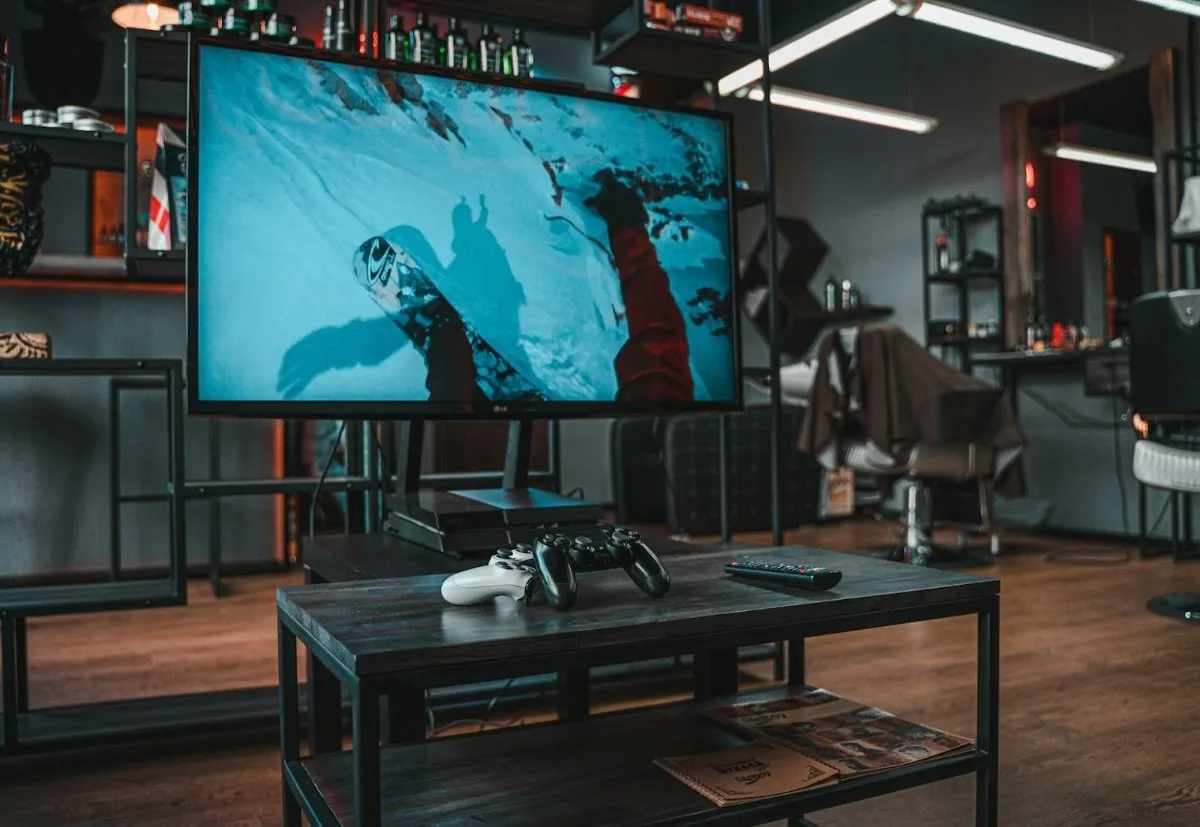
The Ultimate Guide to Converting Any Room into a Home Theater
Creating a home theater is a dream for many, offering the luxury of a cinematic experience at home. Whether you’re a movie lover, a gamer, or someone who enjoys immersive TV shows, turning a room into a home theater can transform your entertainment experience.
Creating a home theater is a dream for many, offering the luxury of a cinematic experience at home. Whether you’re a movie lover, a gamer, or someone who enjoys immersive TV shows, turning a room into a home theater can transform your entertainment experience. In this guide, we’ll walk you through everything you need to know to create your perfect home theater, from selecting the right room to financing the project.
1. Choosing the Right Room
The first step in creating your home theater is choosing the right room. The ideal space should be large enough to accommodate your equipment and comfortable seating, yet small enough to keep the sound contained. A basement or an unused spare room is usually ideal. Look for a space with minimal natural light, as controlling lighting will be important for your screen visibility.
Consider the room shape; rectangular rooms tend to provide better acoustics than square rooms. Avoid rooms with too many windows or doors, as they can cause light pollution and interrupt sound. If you have to work with a smaller space, focus on the essentials—selecting the right seating, tech, and layout can make a big difference even in tight quarters.
2. Planning Your Home Theater Layout
Once you've chosen your room, it’s time to plan the layout. The key to a great home theater is optimal seating and screen placement. Position your seating so that it faces the screen with no obstructions. Ideally, the viewing distance should be approximately 1.5 to 2.5 times the screen diagonal. This means for a 75-inch screen, you should sit between 9 and 15 feet away.
Think about how many people you want to accommodate. Comfortable seating should be a priority—whether you opt for plush chairs, a sectional sofa, or even theater-style recliners. For the best audio experience, place your speakers in line with your seating, with the subwoofer ideally positioned near the front of the room.
3. Selecting the Right Equipment
The heart of any home theater is the equipment you choose. Here are the essentials:
-
Projector and Screen: If you want to create a true movie-theater experience, a projector and screen are essential. You’ll want a projector with a high resolution (1080p or 4K for the sharpest images) and a screen size that fits your room. Consider a motorized screen if you want the option of hiding it when not in use.
-
Sound System: A good sound system is crucial for immersion. You can opt for a surround sound system (5.1 or 7.1) or a soundbar if you’re short on space or budget. Speakers should be placed at ear level, and the subwoofer should be positioned away from walls to improve bass performance.
-
Seating: Your seating should match the desired ambiance. Theater recliners offer the most comfort, but bean bags, sectional sofas, or even regular chairs can work in a casual setup.
-
Streaming/Media Player: Ensure that you have access to the content you love. A Blu-ray player, a gaming console, or a streaming device (like Apple TV or Roku) will help you enjoy movies, games, and shows from the comfort of your home theater.
4. Acoustics and Soundproofing
Acoustics are vital to your home theater's success. Poor sound quality can ruin even the best movie. One way to enhance sound is through speaker placement—your speakers should form an equilateral triangle with your seating. If you have a surround sound setup, place the speakers around you to create a full 360-degree sound experience.
Soundproofing the room can help block outside noise and prevent sound leakage into other parts of the house. Consider adding soundproof doors and acoustic panels to reduce noise. Carpeting, thick curtains, and foam panels can further improve acoustics.
5. Lighting and Ambiance
Proper lighting is crucial to creating a cinematic atmosphere. Too much ambient light can wash out your screen and disrupt the movie experience. Install dimmable lighting or LED strips to adjust the lighting as needed. Smart lighting systems can also offer customization, allowing you to adjust the color and intensity of your lights based on the movie genre or your mood.
Recessed lighting or sconces along the walls help create a theater vibe without overpowering the space. Make sure you can control the lighting from your seating area to avoid getting up during the movie.
6. Décor and Design
The design and décor of your home theater can enhance the overall experience. Choose a dark color palette—blues, blacks, and greys are common in theaters because they minimize light reflection and create a more immersive environment.
Themed décor adds a personal touch, whether you opt for a retro movie-theater look, a sports cinema room, or a sleek, modern design. Customizing your seating and adding movie posters or framed artwork will bring your space to life.
For a cozy touch, create a snack bar with popcorn machines or a mini-fridge stocked with your favorite drinks. These small additions can make your home theater feel like a real cinema.
7. Wiring and Installation
Neat wiring and installation can elevate your home theater. Concealing cables and wires behind walls or using cable management systems will keep everything tidy and professional. If you’re mounting your projector or screen, make sure it is securely installed.
Hiring a professional installer can be a good option if you want a high-end, clean setup. For those on a budget, there are plenty of online resources that guide you step-by-step through DIY installation.
8. Financing Your Home Theater Project
Converting a room into a home theater can be an expensive project, depending on the equipment and features you choose. The costs of high-quality projectors, sound systems, and seating can quickly add up. For many people, financing is a key consideration.
One option to consider is to apply for a home equity loan. This loan allows homeowners to borrow against the value of their property, potentially offering lower interest rates than other financing methods. By tapping into your home’s equity, you can fund your home theater project while keeping your finances manageable. Of course, it’s important to carefully compare loan options and terms to make sure this fits your financial situation.
Alternatively, personal loans, credit cards, or even saving over time are other viable options depending on the scale of your project.
9. Maintenance and Upkeep
Once your home theater is complete, regular maintenance will help keep it in good working condition. Clean your projector lens and screen regularly to avoid dust buildup. For your sound system, periodically check the wiring and speaker placement to ensure optimal sound.
Additionally, technology evolves quickly, so be prepared to upgrade your equipment as new models are released. A home theater is an investment, but with proper care, it can provide years of entertainment.
Conclusion
Creating a home theater is an exciting and rewarding project that can dramatically enhance your entertainment experience. By carefully planning your layout, selecting the right equipment, and investing in quality sound and lighting, you can turn any room into a cinematic oasis. Remember to consider financing options, such as a home equity loan, if you need to fund the project, and enjoy your new home theater with family and friends for years to come.
Keep reading
More from the blog

Gas Line Installation: What Homeowners Need to Know First
Roof Timeline Guide for Buying an Older Utah Home
How to Choose Windows for a Utah Home With a Mountain View