Smart Blinds and Motorized Shades: Retrofit vs. Replace, Battery vs. Hardwired, and Matter Picks
Retrofit motors or new motorized shades? How battery, solar and hardwired power compare, what Matter and Thread mean, and picks from SwitchBot to Lutron.
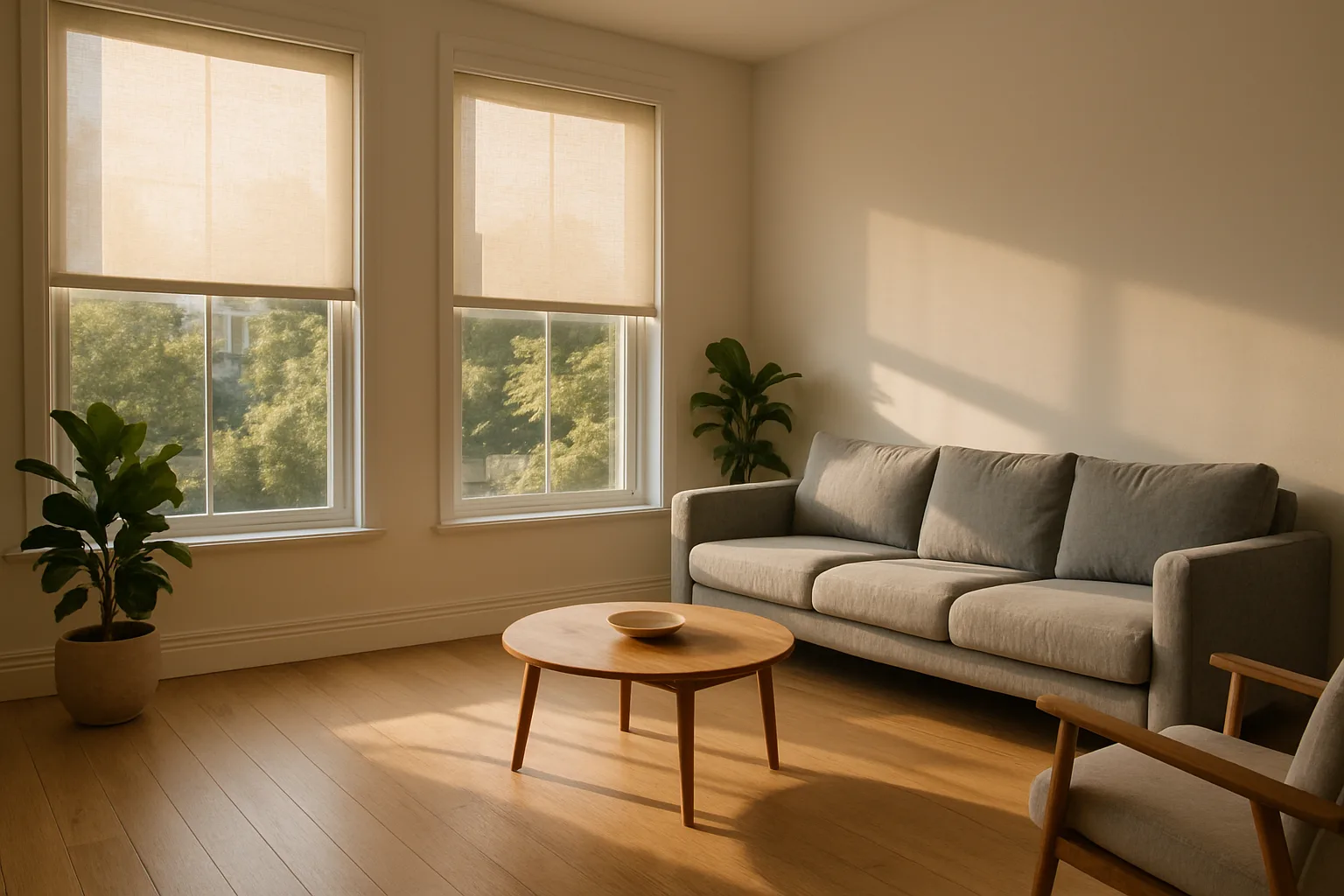
Smart blinds and motorized shades sound like a luxury until the routine sinks in: shades that drop on the west windows before the afternoon sun hits the sofa, bedroom blinds that tilt open at the alarm, and every window closing at sunset without anyone walking room to room. They also remove dangling cords, which matters in homes with young children.
The category splits into two very different purchases. Retrofit motors clip onto blinds, shades or curtains already in the house and cost a fraction of new window treatments. Full motorized replacements, from custom roller shades to real wood blinds with a motor in the headrail, look cleaner and run quieter but cost far more per window. This guide covers how to choose between them, how power and smart home standards affect the decision, and which products fit which windows.
As an Amazon Associate, Best Utah Real Estate earns from qualifying purchases.
Quick verdict: what to buy for which window
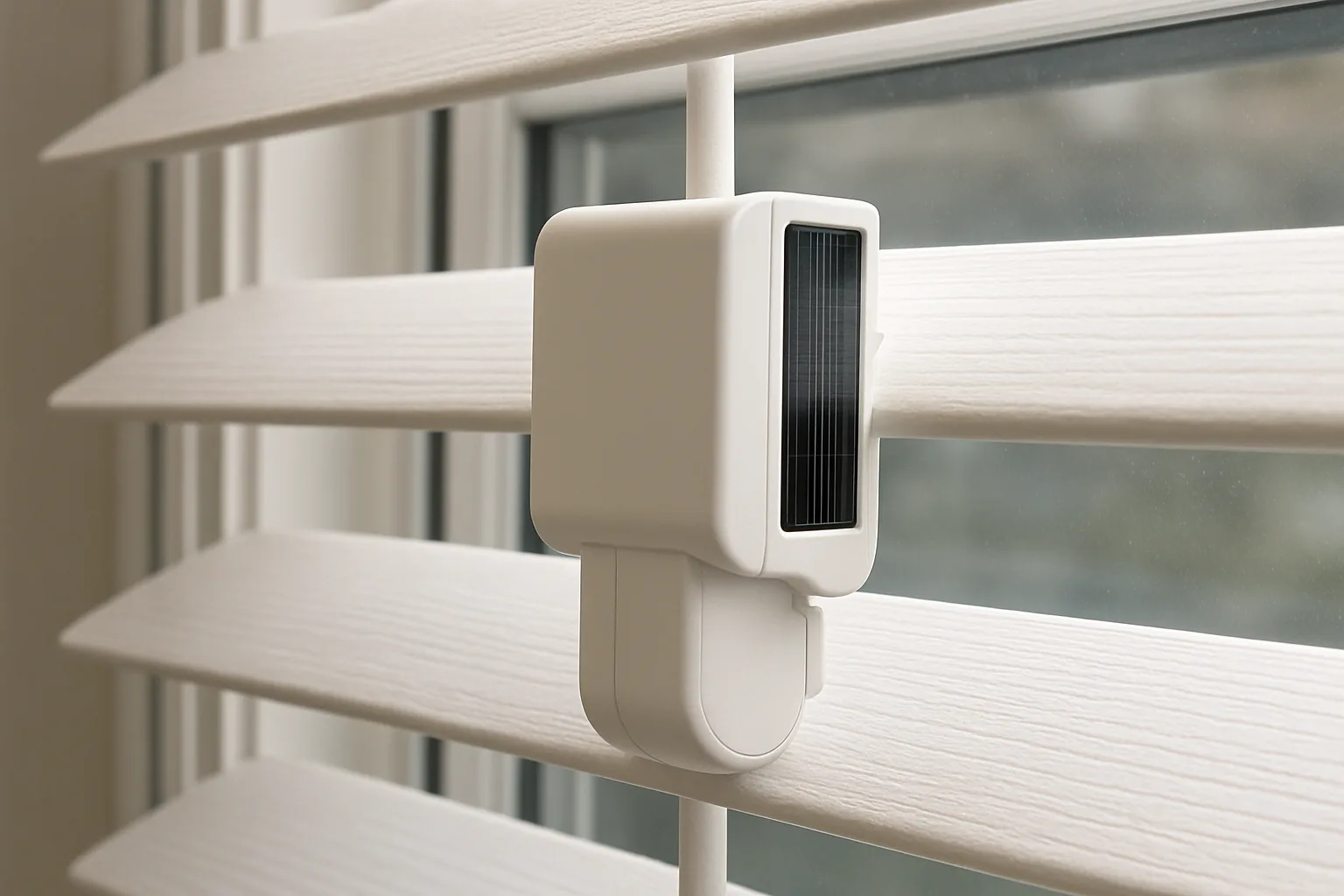
- Existing horizontal blinds with a tilt wand: the SwitchBot Blind Tilt, a small motor that turns the tilt rod and recharges from an included solar panel.
- Existing curtains on a rod: the SwitchBot Automatic Curtain Opener 3 (Rod), which rides the rod and pulls panels open and closed.
- Existing roller shades with a bead chain: the RYSE SmartShade, which pulls the loop chain for the shade; voice control, Apple Home and schedules need the RYSE SmartBridge.
- New made-to-measure shades with Matter: SmartWings Motorized Matter Roller Shades, custom-sized cordless shades that join Apple Home, Google Home, Alexa and SmartThings through Matter.
- Premium, most reliable whole-home system: Lutron's Serena and Caséta smart shades and wood blinds, controlled through the Lutron Caséta Smart Hub.
Retrofit vs. replace
Retrofit motors
Retrofit devices automate what is already on the window. A tilt motor rotates the wand on horizontal blinds, a chain driver pulls the bead loop on a roller shade, and a curtain robot slides along the rod. They install in minutes without tools, move with renters, and cost little per window. The trade-offs are visible hardware, more motor noise, and limits on what they can do: a tilt motor can open and close the slats but cannot raise the blind, and chain drivers struggle with heavy or long shades.
Full motorized replacements
Replacement shades have the motor hidden inside the roller tube or headrail. They raise and lower the whole shade, stop at exact positions, look like ordinary window treatments, and are usually much quieter. They are also measured to the window, so ordering takes accurate measurements and a few weeks of lead time, and the cost per window can run several times higher than a retrofit. For homeowners planning to stay, or for the main rooms of a home being prepared for sale, a clean set of matching motorized shades is the more finished result.
Power: rechargeable, replaceable batteries, solar or hardwired
Power is the decision that owners live with longest.
- Built-in rechargeable batteries are common on budget and mid-range shades. They need a USB-C cable brought to each shade every few months, which is fine for two or three windows and tedious for twenty.
- Replaceable batteries such as D-cells, used by Lutron's battery shades, last much longer between changes. Lutron's spec sheet for its Serena roller shades lists about two years of typical battery life on five D-cell alkaline batteries, and it advises against rechargeable or lithium D-cells.
- Solar panels trickle-charge the battery from the window. They work well on sunny exposures and can mean the battery never needs attention; north-facing or heavily shaded windows may still need occasional charging.
- Hardwired motors run on low-voltage wiring and never need batteries. That makes sense in new construction or a major remodel, when wires can be run to each window before drywall goes up. In a finished home, the cost of fishing wire to every window usually outweighs the benefit.
Matter, Thread and proprietary systems
Matter is the cross-brand smart home standard that lets one device work with Apple Home, Google Home, Amazon Alexa and Samsung SmartThings, and window coverings are one of its supported device types. Many Matter shades communicate over Thread, a low-power mesh network. Thread devices need a Thread border router in the home, which is built into many current smart speakers, displays and hubs; check that one is present before buying Thread shades.
Proprietary systems are not a bad choice. Lutron uses its own Clear Connect radio frequency, kept separate from busy Wi-Fi channels, and its automations run locally on the hub, so shades keep working on schedule even if the internet goes down. Lutron integrates with all the major platforms through its hub. SwitchBot devices use Bluetooth and need a SwitchBot hub for remote access, voice control or Matter.
Smart blind and shade options compared
| Product | Shop | Type | Fits | Power | Hub needed | Matter |
|---|---|---|---|---|---|---|
| SwitchBot Blind Tilt |  Buy on Amazon Buy on Amazon
| Retrofit tilt motor | Horizontal blinds with a tilt wand | Built-in battery + solar panel | For remote and voice control | Through SwitchBot Hub 2 |
| SwitchBot Curtain Opener 3 (Rod) |  Buy on Amazon Buy on Amazon
| Retrofit curtain robot | Curtains on a round rod | Rechargeable battery | For remote and voice control | Through a SwitchBot hub |
| RYSE SmartShade |  Buy on Amazon Buy on Amazon
| Retrofit chain driver | Roller shades with a bead chain | Battery pack | RYSE SmartBridge for voice, Apple Home and schedules | Check current support |
| SmartWings Matter Roller Shades |  Buy on Amazon Buy on Amazon
| Full replacement | Made to measure | Battery motor | Thread border router | Yes |
| Lutron Serena / Caséta shades and wood blinds | Full replacement | Made to measure | D-cell batteries or wired | Yes, Lutron hub | Check current support |
The picks in more detail
SwitchBot Blind Tilt
The Blind Tilt fits horizontal blinds that tilt with a wand; it does not work on vertical blinds or roller shades. It clips over the tilt rod, with listed rod sizes around 6 to 12 millimeters, and its solar panel faces the glass to keep the battery topped up. It can tilt on a schedule or by light level, so slats can close automatically when strong sun hits. Without a hub it works over Bluetooth from a phone nearby; adding a SwitchBot hub enables control away from home, voice assistants and, with Hub 2, Matter.
SwitchBot Blind TiltCheck today’s price on AmazonBuy on Amazon →
SwitchBot Automatic Curtain Opener 3 (Rod)
For drapes, this robot mounts on the rod behind the curtain and drives the panel along it. SwitchBot sells versions for rods, U-rails and I-rails, so buyers need to match the version to their hardware and check the minimum rod diameter and weight rating on the listing. Two units can be paired to close center-split curtains from both sides.
RYSE SmartShade
Many inexpensive roller and cellular shades are lifted with a continuous bead chain. The RYSE SmartShade mounts to the wall or frame, grips that chain and pulls it, and this version runs on a battery pack. The app controls it over Bluetooth on its own, but Google Home, Alexa, Apple Home, schedules and group control require the RYSE SmartBridge, sold separately. It is an inexpensive way to motorize a shade that already fits the window well.
SmartWings Motorized Matter Roller Shades
SmartWings builds made-to-measure motorized roller shades sold on Amazon in a range of fabrics, from light filtering to blackout. Its Matter versions use a Thread motor, so they join major smart home apps directly without a brand-specific bridge, provided the home has a Thread border router. Ordering means entering exact inside or outside mount measurements. For buyers who want real motorized shades without premium-brand pricing, this is one of the better-supported options; check the listing for the specific motor and remote included.
Lutron Serena and Caséta
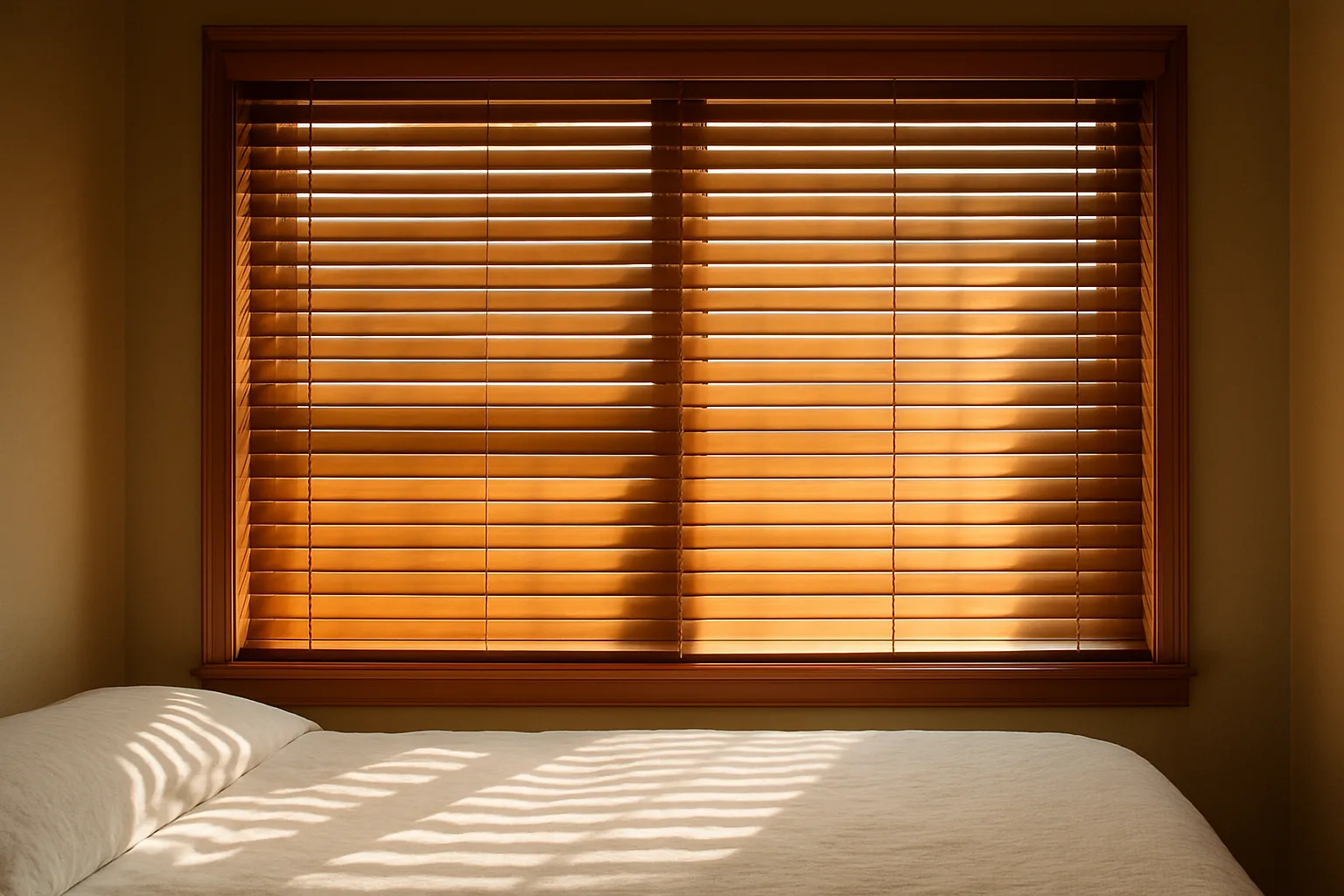
Lutron is the premium benchmark for reliability. Its Serena line covers roller, honeycomb and wood blind styles, and its Caséta smart shades and wood blinds bring much of the same technology at lower prices with fewer fabric and size options. Lutron's wood blinds motorize the tilt, much like a retrofit tilt motor but built in. Shades are ordered through Lutron or its retailers, and they all run through a Lutron hub such as the Caséta Smart Hub, which supports up to 75 Caséta devices and also controls Lutron dimmers and switches. Lutron's app can also tilt blinds automatically based on the sun's position and the window's direction to limit glare and fading.
Which windows are worth automating
Automating every window is rarely necessary. The best returns come from:
- Hard-to-reach windows, such as tall great-room windows, windows behind a tub or over a kitchen sink.
- Sun-facing windows, where scheduled closing protects floors, furniture and plants from fading and cuts afternoon heat.
- Bedrooms, for blackout shades that close at night and open gradually in the morning.
- Main living areas, where group control and a vacation schedule make the home look lived-in.
Windows that stay in one position all the time, like a bathroom window that is always closed, can usually keep a manual covering. Many brands sell matching non-motorized versions, so the look stays consistent.
Energy savings
Window coverings do the most good when they are closed at the right times, which is exactly what scheduling solves. The U.S. Department of Energy reports that Oak Ridge National Laboratory studies found cellular shades can cut heating energy needs by almost 25 percent, mainly by reducing heat loss through windows at night. Pairing automated shades with a smart thermostat, such as those in this Nest vs. Ecobee comparison, lets the house manage both heat and sunlight.
Child safety
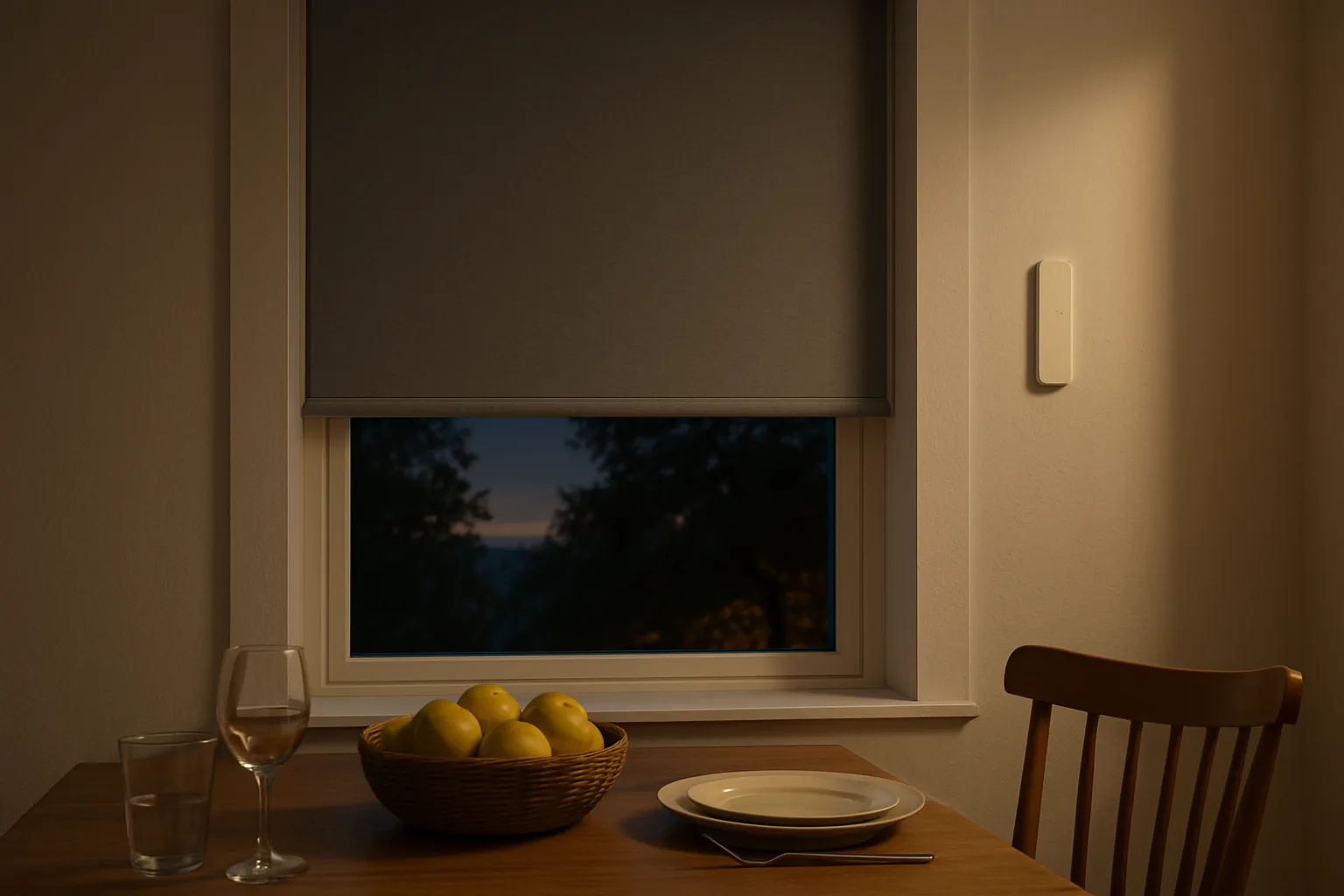
Corded window coverings are a known strangulation hazard for young children. The U.S. Consumer Product Safety Commission recommends cordless window coverings in homes with young children. Motorized shades without cords or chains remove the hazard; retrofit chain drivers leave a chain in place, so keep it secured and out of reach.
Bottom line
Renters and anyone testing the idea should start with retrofit motors on the two or three windows that are most annoying to operate. Homeowners replacing window treatments anyway should go straight to motorized replacements, choosing replaceable-battery or solar-assisted power for large installations and checking Matter and Thread requirements up front. For more on how window treatments shape a room, see this guide to making a room feel cozy.
Posted by Kristopher Larson
Frequently asked questions
Can existing blinds be made smart?
Yes. Retrofit motors automate many existing window coverings: tilt motors turn the wand on horizontal blinds, chain drivers pull the bead loop on roller shades, and curtain robots slide panels along a rod. A tilt motor only opens and closes slats; it cannot raise the blind.
Are battery-powered smart shades a hassle to maintain?
It depends on the battery design. Shades with built-in rechargeable batteries need a USB-C charge every few months, while shades that use replaceable D-cell batteries can run for a couple of years between changes. Solar panels can keep batteries topped up on sunny windows.
Should motorized shades be hardwired?
Hardwiring makes the most sense in new construction or a major remodel, when low-voltage wire can be run to each window before drywall. In a finished home, battery or solar-assisted motors are usually far less expensive to install.
Do smart blinds work with Matter?
Many do. Matter supports window coverings, and several brands sell Matter shades that work with Apple Home, Google Home, Alexa and SmartThings. Thread-based Matter shades need a Thread border router in the home, which many current smart speakers and hubs include.
Do motorized shades save energy?
They can, because schedules close shades when they do the most good. The U.S. Department of Energy cites Oak Ridge National Laboratory studies showing cellular shades can cut heating energy needs by almost 25 percent, and closing sun-facing shades in summer reduces heat gain.
Are cordless motorized shades safer for children?
Yes. Corded window coverings pose a strangulation risk to young children, and the U.S. Consumer Product Safety Commission recommends cordless coverings in homes with kids. Motorized shades without cords or chains remove that hazard.
Keep reading
More from the blog

Best Christmas Tree Stand for a Real Tree: Steel vs. Plastic vs. Ratchet (Cinco, Jack-Post, Krinner)

Costway Christmas Inflatables Reviewed: Snow Globe, Nativity, Santa on a Dinosaur and More

C3 vs. C6 vs. C7 vs. C9 Christmas Lights: Which Bulb Size for Rooflines, Trees and Bushes