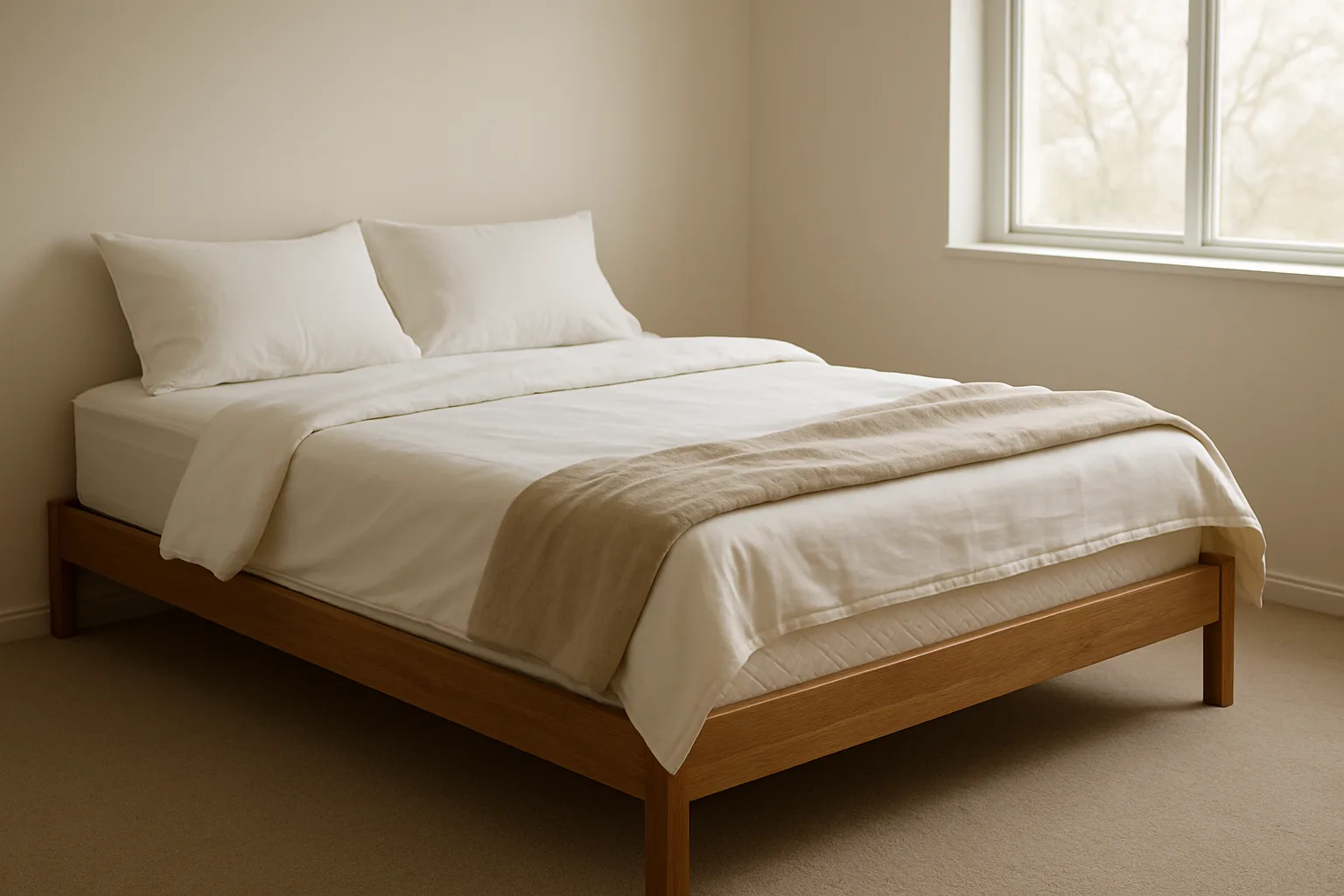
How to Choose a Mattress: Firmness by Sleep Position, Foam vs. Hybrid and Sleep Trial Fine Print
Match mattress firmness to sleep position and body weight, compare foam vs. hybrid, read sleep-trial terms, and see picks from Helix, Nectar and Zinus.
Buying a mattress is one of the few household purchases where a two-minute test in a showroom tells almost nothing. Comfort on night one and comfort after a month are different things, the firmness labels are not standardized between brands, and the return policy depends on where the bed was bought as much as on what the brand advertises. A better approach starts with how a person sleeps, narrows the construction type, and then reads the trial terms before checkout.
This guide walks through firmness by sleep position and body weight, the real differences between all-foam and hybrid beds, how to read a sleep trial, and a short list of widely reviewed mattresses that fit each profile.
As an Amazon Associate, Best Utah Real Estate earns from qualifying purchases.
Quick verdict: which mattress type for which sleeper
- Side sleepers and couples who want a balanced feel: a medium hybrid such as the Helix Midnight, which Helix positions for side sleepers and couples.
- Lighter side sleepers who want a plush top: the soft version of the Brooklyn Bedding Signature Hybrid (13-inch, Soft), which is also sold in medium and firm.
- Back sleepers who like the hug of memory foam: the Nectar 12-inch Memory Foam Mattress, a medium-firm to firm all-foam bed with one of the longest advertised trials.
- Combination sleepers who move around: the Tuft & Needle Original Hybrid (Medium), whose coils make it easier to change positions than deep foam.
- Tight budget, guest room or a first apartment: the Zinus 12-inch Green Tea Memory Foam (Medium Firm).
Firmness by sleep position
The goal for every sleeper is the same: keep the spine in roughly the line it holds when standing, while relieving pressure where the body is heaviest or widest. Sleep position changes which part of the body needs give and which needs support.
| Sleep position | Typical firmness range | Why | Watch out for |
|---|---|---|---|
| Side | Soft to medium | Shoulders and hips need to sink in so the spine stays straight | Too firm: shoulder and hip pain, numb arms |
| Back | Medium to medium-firm | Supports the lower back's curve without letting the hips drop | Too soft: hips sink and the lower back arches |
| Stomach | Medium-firm to firm | Keeps the hips from sinking below the shoulders | Too soft: lower back strain over time |
| Combination | Medium | A middle ground that works in several positions | Deep, slow foam can make turning over harder |
Body weight shifts these ranges. Lighter sleepers compress a mattress less, so a "medium" bed can feel firm to them. Heavier sleepers sink farther, so a medium bed can feel soft and may bottom out through thin comfort layers. As a rule of thumb, sleepers on the heavy end usually do better one step firmer than the table suggests, and on a thicker hybrid with a sturdy coil unit; sleepers on the light end can go one step softer.
For back pain, a medium-firm surface is the most commonly cited starting point. A frequently referenced randomized trial in The Lancet found that people with chronic low back pain who slept on medium-firm mattresses reported better outcomes than those assigned firm ones. "Firmest possible" is not automatically better for the back.
Firmness labels are not standardized
One brand's "medium" can match another brand's "medium-firm." Many companies publish a number on a 1 to 10 scale, but those numbers are internal. Reviews from outlets that measure pressure and sinkage across many beds give a better cross-brand comparison than the label on the box. Even Amazon listings for the same model sometimes describe firmness differently, so read the manufacturer's own description as well.
Foam vs. hybrid vs. innerspring
Most mattresses sold online fall into two construction families, with traditional innersprings still common in stores.
| Type | How it is built | Strengths | Trade-offs |
|---|---|---|---|
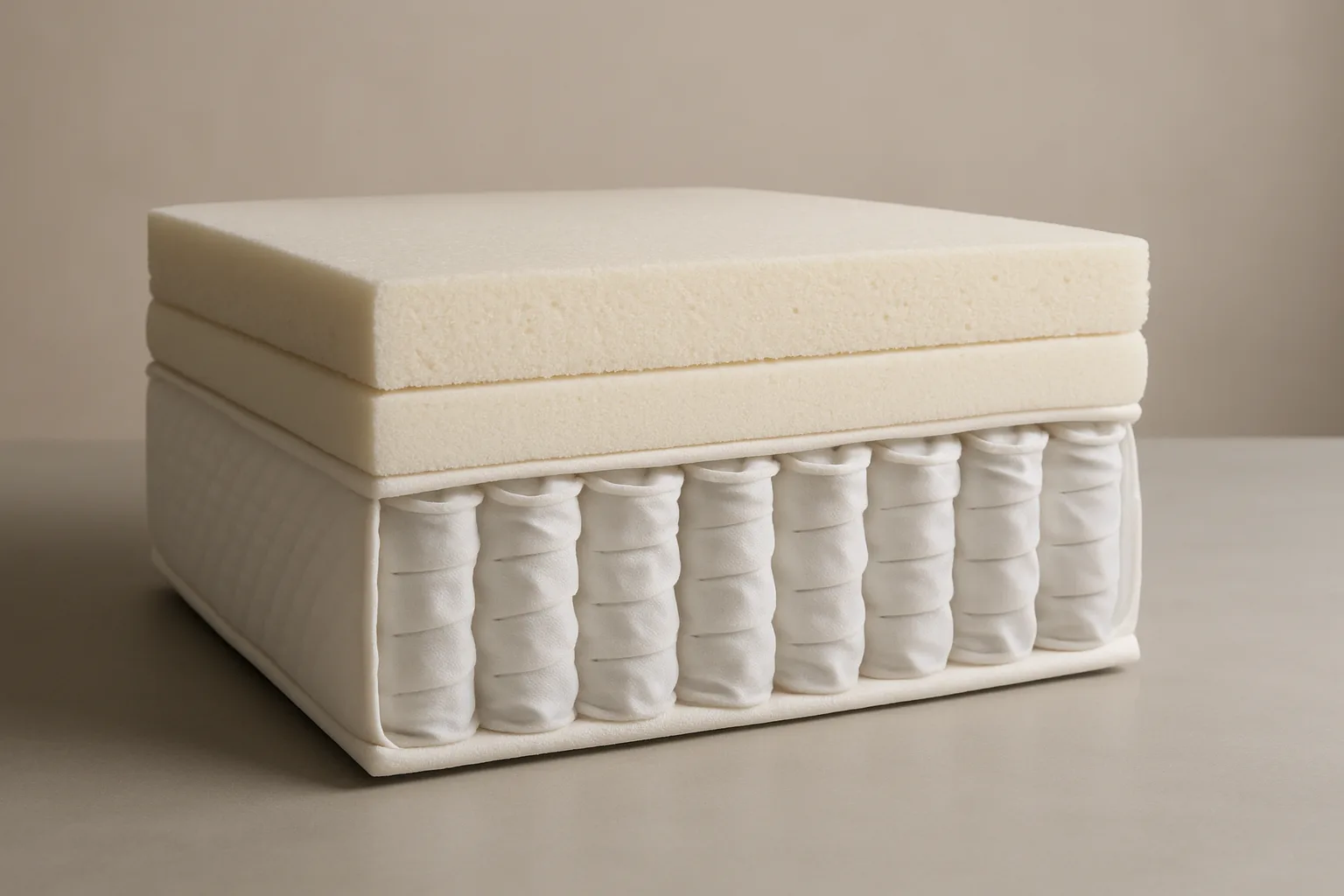
| All-foam (memory foam or polyfoam) | Layers of foam over a dense foam base | Close contouring, strong motion isolation, quiet, usually lighter and cheaper | Can sleep warm; slower response makes turning harder; edges softer |
| Hybrid | Foam or latex comfort layers over individually wrapped coils | More bounce and airflow, firmer edges, easier movement, better for heavier sleepers | Heavier, often pricier, slightly more motion transfer |
| Innerspring | Connected or pocketed coils with a thin padded top | Firm, bouncy, cool | Less pressure relief; thin tops wear quickly |
| Latex | Natural or synthetic latex layers, sometimes over coils | Responsive, durable, sleeps cooler than memory foam | Heavy and usually premium-priced |
Hybrids have become the default recommendation for couples and combination sleepers because the coil layer adds edge support and makes moving around easier. All-foam beds remain the value pick and suit sleepers who want a "sinking in" feel or who share a bed with a restless partner.
Foam density matters for longevity. Lower-density foams soften faster, which is one reason a bed can feel noticeably different after the first year. That process is covered in detail in this post on why a mattress feels worse after a year.
Sleep trials: read the fine print
The long sleep trial is the online mattress industry's answer to the showroom problem, and it is worth using. The body often needs a few weeks to adjust to a new surface, so judging after the first night is premature. The terms vary in ways that matter:
- Where it was bought. Helix states that its sleep trial covers orders placed on its own website, and that orders from third-party retailers follow that retailer's return policy. Tuft & Needle's help center says Amazon orders also get its 100-night trial but must be returned through Amazon. Check who the seller is on any listing and read that seller's return terms.
- Minimum break-in period. Many brands require keeping the mattress for a set number of nights before a return is accepted.
- Return fees and logistics. Some brands arrange pickup and donation at no charge; others deduct a fee or require the buyer to handle it.
- One return per household. Several brands limit returns or exchanges to one within a 12-month window.
- Length. Trials commonly run from about 100 nights to a full year. Nectar advertises a 365-night trial on its 12-inch memory foam bed.
Warranty terms deserve the same attention. Most cover sagging only past a specified depth, often around an inch to an inch and a half, and only when the bed sits on a supportive foundation. Using an old box spring or a slatted frame with wide gaps can void coverage, so check the brand's foundation requirements before reusing an old frame.
The picks in more detail
Helix Midnight: medium hybrid for side sleepers and couples
The Helix Midnight is a medium-feel hybrid with pocketed coils; the queen listing gives an 11.5-inch profile. Helix sells upgraded Luxe and Elite versions with thicker builds, which suit sleepers who want more cushion or zoned support.
Brooklyn Bedding Signature Hybrid: one design, three firmness levels
Brooklyn Bedding sells the Signature Hybrid in soft, medium and firm, which makes it easy to match to sleep position without switching brands. The 13-inch soft version uses CertiPUR-US certified foams and is listed as fiberglass-free.
Nectar 12-inch Memory Foam: deep contouring, long trial
The Nectar 12-inch memory foam mattress suits back sleepers and couples who prioritize motion isolation. Nectar describes its feel as medium-firm, while the Amazon listing labels it firm, a good example of why labels need a second look. Hot sleepers may prefer a hybrid.
Tuft & Needle Original Hybrid: easy movement
The Tuft & Needle Original Hybrid puts its adaptive foam over individually wrapped coils, giving a quicker, bouncier response than slow memory foam. That suits combination sleepers who shift positions through the night.
Zinus Green Tea: the budget baseline
The Zinus 12-inch Green Tea Memory Foam is a long-running low-cost option, listed as CertiPUR-US certified and fiberglass-free. It is a reasonable fit for a guest room or a lighter sleeper on a tight budget; expect a shorter useful life than denser, pricier foams under nightly use.
Materials, safety and setup
- Flammability. Every mattress sold in the U.S. must meet federal open-flame and smoldering-cigarette flammability standards. The CPSC's mattress guidance explains both rules and the required compliance label.
- Fiberglass. Some low-cost beds use a fiberglass fire barrier inside the cover. Many brands now advertise fiberglass-free barriers. If a bed does contain fiberglass, the manufacturer's instructions usually say never to remove the inner cover.
- Foam certification. CertiPUR-US certification covers foam content and emissions testing, a useful baseline for any foam or hybrid bed.
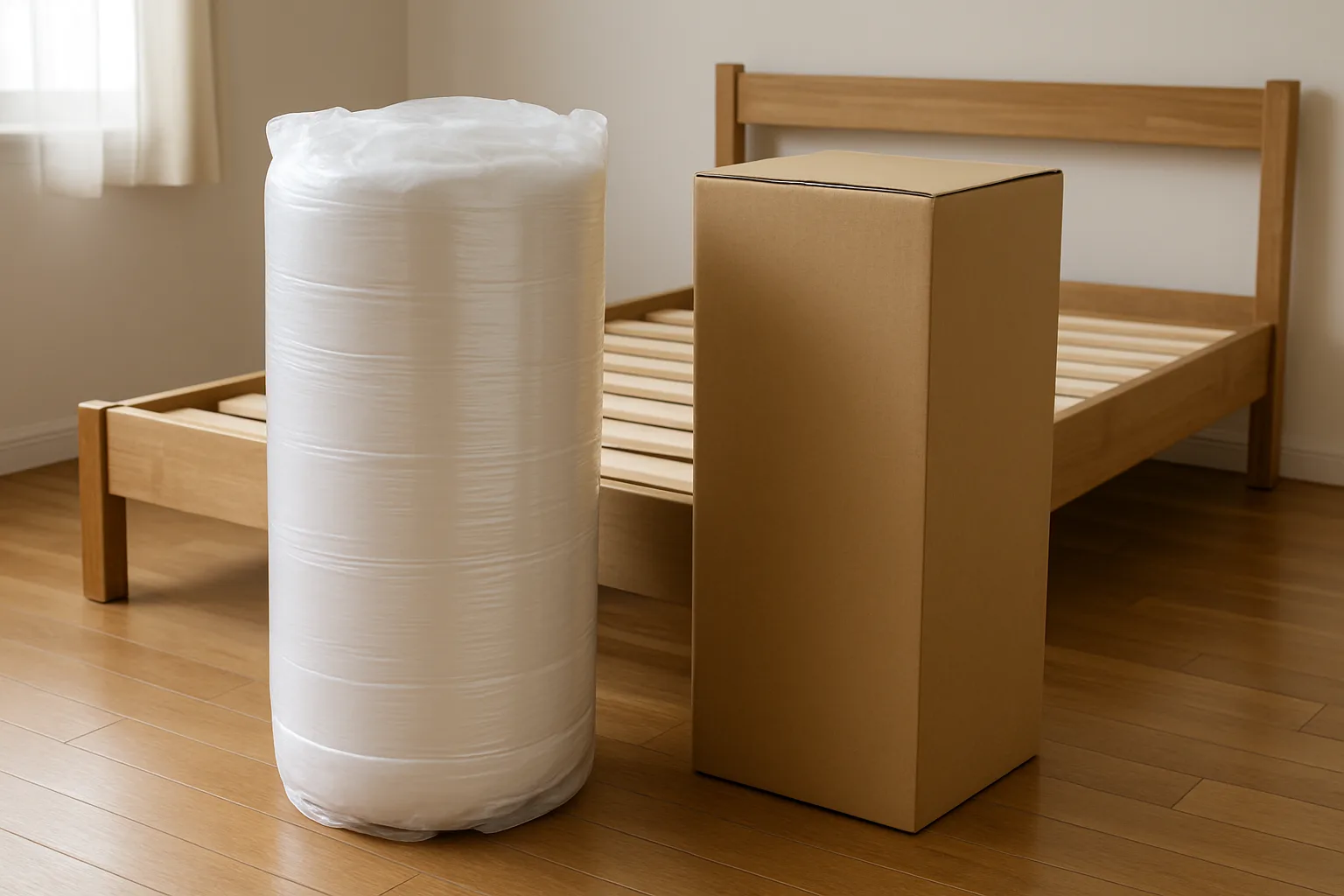
- Off-gassing. Compressed bed-in-a-box mattresses often have a temporary smell. Unbox in a ventilated room and allow the bed to expand fully, usually a day or so, before judging height or feel.
- Foundation. Match the frame to the warranty's requirements, and use a mattress protector from day one, since stains often void warranty claims.
A short buying checklist
- Identify the main sleep position and body weight for each person who will use the bed.
- Pick a firmness range from the table, adjusting one step for very light or heavy sleepers.
- Choose all-foam for contouring and value, hybrid for bounce, edge support and cooling.
- Confirm the seller, the trial length, the minimum break-in period and any return fee.
- Check the warranty's sag depth and foundation rules before reusing an old frame.
- Give the new bed at least a few weeks before deciding.
Bedding matters too. A warm sleeper on an all-foam bed may get as much benefit from a breathable comforter as from a new mattress; see this guide to finding a cooling comforter, and this look at investing in better sleep spaces for the rest of the room.
Posted by Kristopher Larson
Frequently asked questions
What mattress firmness is best for side sleepers?
Side sleepers usually do best on soft to medium mattresses, which let the shoulders and hips sink in enough to keep the spine straight. Lighter side sleepers can go softer; heavier side sleepers often need a medium hybrid so they do not bottom out.
Is a firm mattress better for back pain?
Not necessarily. Medium-firm is the most common starting point for back pain, and a frequently cited randomized trial in The Lancet found people with chronic low back pain did better on medium-firm mattresses than on firm ones.
Is a hybrid or memory foam mattress better?
Memory foam offers close contouring, strong motion isolation and lower prices. Hybrids add a coil layer for more bounce, airflow and edge support, which suits couples, combination sleepers and heavier people. The better choice depends on sleep position, weight and whether the sleeper runs warm.
Does a mattress sleep trial apply if it is bought on Amazon?
It depends on the brand. Helix states its sleep trial covers orders on its own website, with third-party orders following the retailer's return policy, while Tuft & Needle says Amazon orders get its 100-night trial but must be returned through Amazon. Check the seller and its return terms before buying.
How long does it take to get used to a new mattress?
The body often needs a few weeks to adjust to a new surface, and foam layers soften slightly during the first weeks of use. Many sleep trials require keeping the mattress for a minimum number of nights before a return is accepted for that reason.
What foundation does a new mattress need?
Most foam and hybrid mattresses need a solid or closely slatted foundation, and many warranties are voided by unsupportive frames or old box springs. Check the brand's foundation requirements, including maximum slat spacing, before reusing an existing bed frame.
Keep reading
More from the blog
Whole-House Surge Protectors: Type 1 vs. Type 2, What They Can't Stop, and Square D vs. Siemens vs. Eaton
How to Measure Home Electricity Use: Kill A Watt vs. Smart Plugs vs. Emporia Vue vs. Sense

Chain vs. Belt vs. Wall-Mount Garage Door Openers: Chamberlain vs. Genie, Plus Smart Retrofits