Best Cast Iron Skillet: Lodge vs. Stargazer vs. Field vs. Victoria
Lodge, Victoria, Stargazer, Field and FINEX cast iron skillets compared: smooth vs. rough surfaces, heat retention, handles, pour spouts and warping.
Cast iron skillets look alike, but they cook differently. A thick, heavy pan holds heat and browns evenly but warms up slowly; a thin, light one heats fast and cools fast. A polished surface lets an egg slide almost from day one, while a rough, as-cast surface needs seasoning to get there. Handles, spouts and how flat the bottom stays under high heat matter more than product photos let on.
Here is how the Lodge Classic, Lodge Chef Collection, Victoria, Stargazer, Field and FINEX compare, with notes on Smithey, Made In and vintage Griswold pans.
As an Amazon Associate, Best Utah Real Estate earns from qualifying purchases.
Quick verdict
- Best value overall: the Victoria 12-Inch Cast Iron Skillet: fast to heat, stays flat, long cooler handle.
- Best heat retention: the Lodge Chef Collection 12-Inch Cast Iron Skillet, lighter than the Classic yet the best at holding heat.
- Heavy-duty classic: the Lodge Classic 12-Inch Cast Iron Skillet, the thickest, heaviest pan here, and it stayed flat under high heat.
- Best smooth-surface pick: the Stargazer 12-Inch Cast Iron Skillet, with excellent egg release and the longest handle.
- Lightest modern option: the Field Company No. 10 Cast Iron Skillet, quick to heat but prone to warping under a hard preheat.
The skillets side by side
| Skillet | Shop | Surface | Build | Heat retention | Pouring | Flatness under high heat |
|---|---|---|---|---|---|---|
| Lodge Classic 12-Inch Cast Iron Skillet | 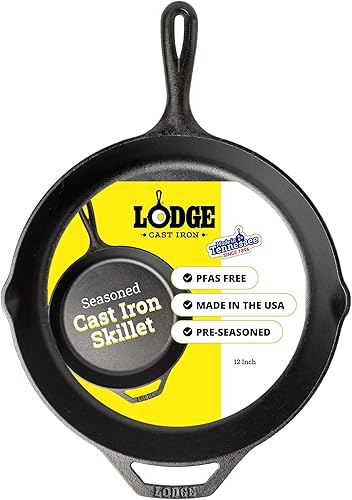 Buy on Amazon | Rough | Thickest and heaviest: 5 mm, 8.1 lb | Good; slow to heat | Two spouts | Stayed flat |
| Lodge Chef Collection 12-Inch Cast Iron Skillet |  Buy on Amazon | Rough | Thinner walls, almost 2 lb lighter than the Classic | Best of the group | Two spouts, low sloped walls | Slightly concave; no change |
| Victoria 12-Inch Cast Iron Skillet |  Buy on Amazon | Rough | 7.2 lb, long handle | Slightly better than the Lodge Classic | Two spouts | No added warping |
| Stargazer 12-Inch Cast Iron Skillet |  Buy on Amazon | Smooth | Longest handle, large helper handle, deep walls | Middle of the pack | Flared rim, poured cleanly | Slight bow, minor wobble |
| Field Company No. 10 Cast Iron Skillet |  Buy on Amazon | Smooth, machined | Light, thin walls | Second lowest | Flared rim, no drips | Bowed past the heat ring, wobbled |
| FINEX 12-Inch Cast Iron Skillet with Lid | Smooth floor, rougher walls | Octagonal, coiled steel handle | Lower end | Corners pour well | Slight warp, no wobble | |
| Smithey skillet | Smooth | Thick base, thin walls, heat ring | Very good | Large spouts | Slight bow, stayed stable | |
| Made In cast iron skillet | Smooth | Second heaviest, tall curved walls | Average | Spouts, no drips | Slight bow, minor wobble |
Smooth vs. rough cast iron
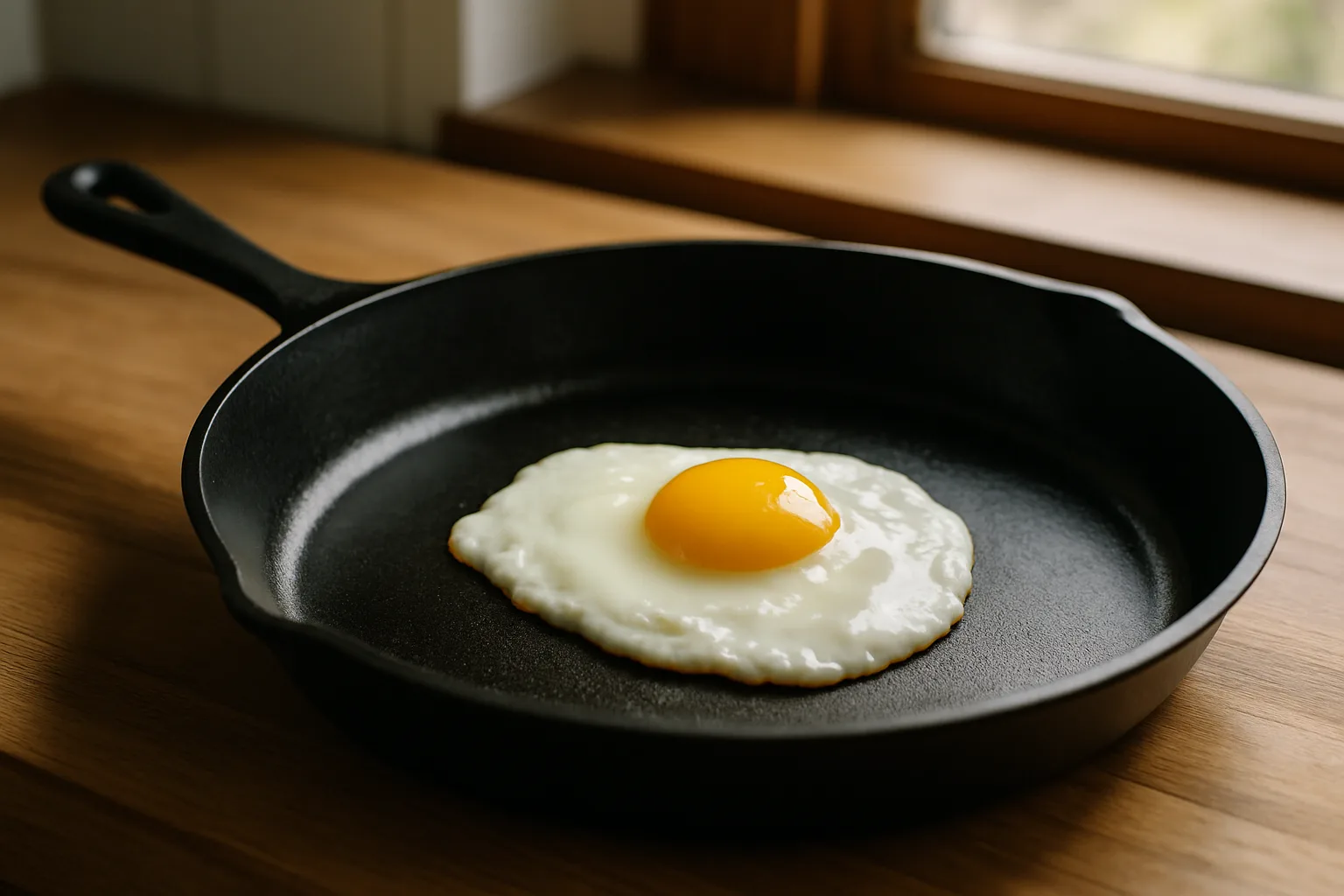
Lodge and Victoria skillets keep the pebbly texture they come out of the mold with. Stargazer, Field, FINEX, Smithey and Made In machine or polish the cooking surface smooth. The difference shows most with eggs: on smooth skillets they released right away, while on rough ones an egg usually gripped for a moment and needed a spatula nudge. The Lodge Classic was the exception; its egg didn't stick, though it didn't glide as freely as on the smoothest pans.
The gap is real but small, and it shrinks with use: a coarse Lodge can end up smooth and stick resistant after steady cooking. Smooth surfaces wipe clean more easily, but a worn, pitted pan can still stick.
Weight, heat retention and even browning
Heavier cast iron warms up slower but doesn't lose temperature as quickly when cold food hits the pan, which is what gives a steak an even crust. Lighter skillets heat fast and are easier to lift, but with less metal to store heat they run hotter in spots and brown less evenly. Most 12-inch pans weigh 6 to 8 pounds.
Weight isn't everything: the lighter Lodge Chef Collection held heat best of the group, and the 7.2 lb Victoria beat the 8.1 lb Classic.
Almost every skillet browned more in the center than near the sidewalls. The fix is the same for all of them: preheat for several minutes over medium heat instead of a couple of minutes on high, so the heat has time to spread to the edges.
Handles, helper handles and handle heat
A longer handle keeps your hand farther from the heat and gives more leverage, so a pan feels lighter than its weight; a short handle on a heavy pan feels heavier. A large helper handle makes two-handed carrying and oven moves much easier. A groove or V-notch gives a towel or mitt something to hold so the pan doesn't twist, while sharp edges dig into your palm and a thick, round handle can rotate in your grip. No cast iron handle is safe bare-handed after oven use.
Pour spouts and rims
Two spouts let you drain grease from either side, though small spouts overflow if you pour fast. The Stargazer and Field skip spouts for a flared rim that poured cleanly, and FINEX pours from the corners of its octagon.
Warping and flat bottoms
Cast iron can bow when heated fast and hard, especially on induction. A center that bows outward makes a pan rock on a flat cooktop; a concave bottom stays stable but sends oil to the edges. A raised heat ring absorbs some expansion, and gradual preheating is the best defense.
Cooking surface vs. rim size
Skillets are sold by rim diameter, but the flat cooking floor on a 12-inch pan is usually about 10 inches, and some come up short. Low sloped walls make spatula work at the edges easier.
The picks in detail
Lodge Classic 12-Inch Cast Iron Skillet
The Lodge Classic is the thickest and heaviest skillet here, at 5 mm and 8.1 lb. It heats slower than thinner pans but holds heat well, stayed completely flat after a hard induction preheat and released an egg cleanly. The trade-offs: a short handle that got too warm to grab bare-handed while boiling water, sharp rim corners, and a rough pre-seasoned surface that takes regular use to turn slick. It has two pour spouts.
Lodge Classic 12-Inch Cast Iron SkilletCheck today’s price on Amazon

 Buy on Amazon →
Lodge Chef Collection 12-Inch Cast Iron Skillet
Same rough surface as the Classic, but with thinner walls a quarter inch shorter and more sloped, so a spatula slides under food at the edges easily. It weighs almost 2 lb less, has a slightly longer handle and still held heat better than any other skillet in the group. A slightly concave bottom heats the outer area a bit faster, so pancakes browned more evenly than in most pans, and that shape didn't change under high heat. An egg moved freely after a spatula nudge.
Lodge Chef Collection 12-Inch Cast Iron SkilletCheck today’s price on Amazon

 Buy on Amazon →
Victoria 12-Inch Cast Iron Skillet
Victoria's skillet, made in Colombia, shares the rough surface and dual spouts of the Lodge pans, but at 7.2 lb it is lighter, and its handle is much longer and stays cooler. It was one of the fastest skillets to heat and still held heat slightly better than the heavier Lodge Classic. A very slight gap under the bottom didn't grow under high heat, and an egg needed only a nudge to start sliding. For a budget skillet, it's the most well-rounded pick.
Victoria 12-Inch Cast Iron SkilletCheck today’s price on Amazon

 Buy on Amazon →
Stargazer 12-Inch Cast Iron Skillet
On the American-made Stargazer's smooth surface, an egg released immediately and slid without spatula help. A flared rim replaces spouts and pours cleanly. The handle is the longest of the group, with a deep groove that stops the pan twisting in a towel, though its edges can press into your palm; a large helper handle sits opposite. It heated quickly but unevenly at first, heat retention was middle of the pack, and a hard preheat left a slight bow and minor wobble. The walls are about as deep as the Lodge Classic's. Its glossy bronze finish takes seasoning well; thin coats keep it from turning gummy.
Stargazer 12-Inch Cast Iron SkilletCheck today’s price on Amazon

 Buy on Amazon →
Field Company No. 10 Cast Iron Skillet
Field's skillets are light, with thin walls and a smooth machined surface, closer in feel to vintage iron. The No. 10 measures 11.6 inches across. Field pans are easy to lift and heat quickly, but with less metal they had the second-lowest heat retention of the group. An egg slid freely after a slight nudge, and the flared rim didn't drip despite having no spouts. The biggest concern is warping: under a hard preheat, the center bowed past the heat ring, and the pan wobbled and even spun when the handle was tapped. Preheat it slowly, especially on induction.
Field Company No. 10 Cast Iron SkilletCheck today’s price on Amazon

 Buy on Amazon →
FINEX
FINEX, made in South Pittsburg, Tennessee, is the statement piece: an octagonal pan with a smooth cooking floor, rougher inner walls and a coiled stainless steel spring around the handle. The FINEX 12-Inch Cast Iron Skillet with Lid looks good enough to serve from at the table, and it takes seasoning well. The corners pour cleanly and an egg released well. The coil kept the handle cooler than most on the stovetop, but after a 400°F oven it was still too hot to touch 15 minutes later. The round handle can rotate in a towel, grease and water collect under the fixed coil, and the engraved bottom can rust if not dried carefully. Retention was on the lower end; it warped slightly, without wobbling.
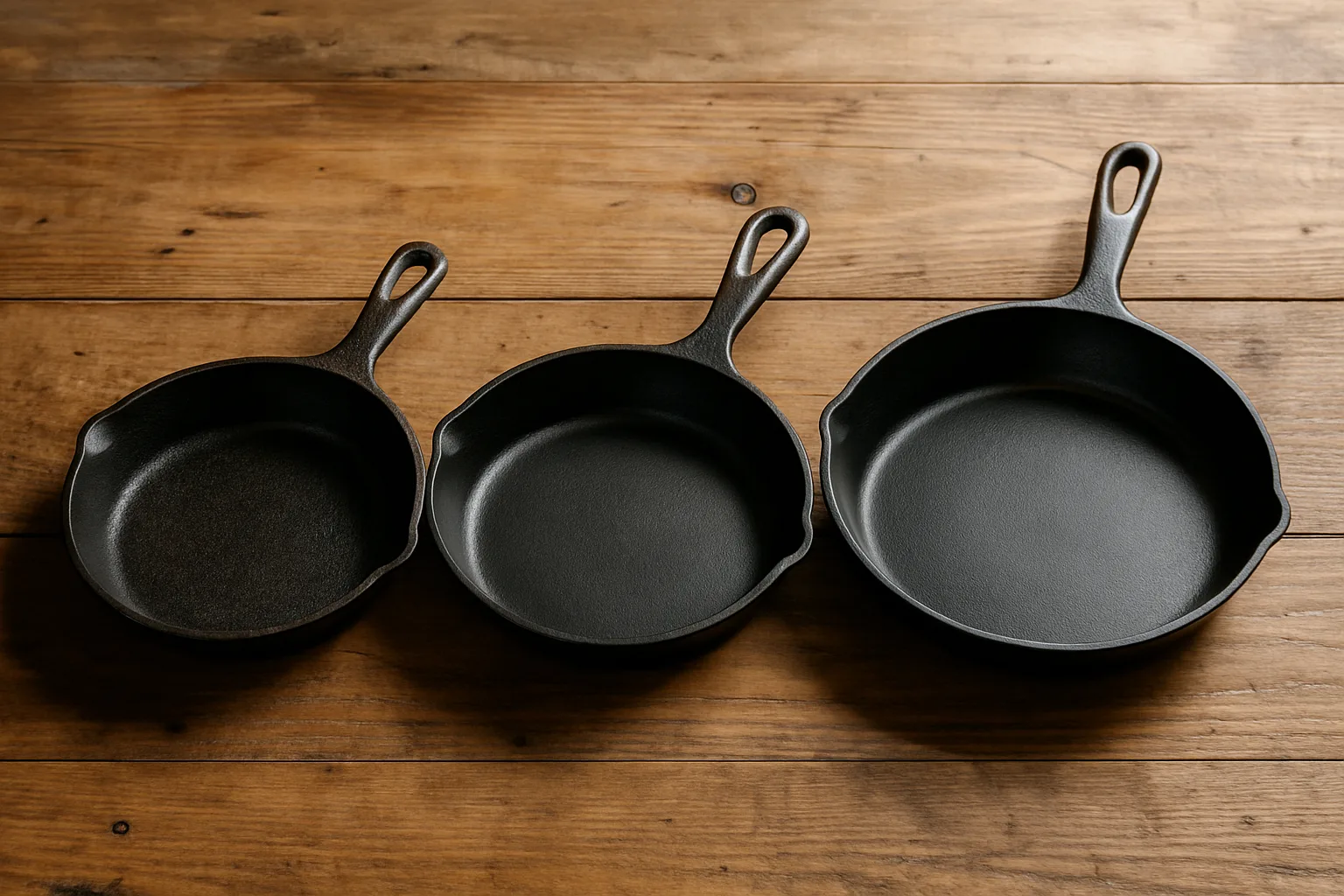
Premium and vintage pans sold elsewhere
Smithey makes a smooth-surfaced skillet with large spouts, a thick base, thin walls and a heat ring that kept the pan stable even after a slight bow. It heats slower but holds heat very well, releases eggs cleanly and has a wide, flat, comfortable handle. Made In has a smooth surface, tall curved walls and the most comfortable handle of the group, a long one with a shallow groove and no sharp edges. It's heavy and slow to heat edge to edge, but sears well once fully preheated.
Smooth pans like these can season blotchy at first, looking uneven in spots before darkening over months of use, so dry them thoroughly to keep thin spots from rusting.
Vintage Griswold and Wagner pans are thin, light and very smooth. A decades-old Griswold No. 10 weighed 4.8 lb with a cooking surface about 3 mm thick: fastest to heat, but the least even and the worst at holding heat. Worn seasoning and small pits made it the stickiest with eggs, and it arrived slightly warped, a common risk with old iron. Treat these as collector's pieces; they cook well but don't outperform a good modern skillet.
Cast iron care in three steps
- Wash, don't soak. Use hot water, a brush or scraper and a little soap if needed. No soaking, no dishwasher.
- Dry it on heat. Towel it off, then warm it on a burner for a minute or two until all moisture is gone. This is what prevents rust.
- Oil it thin. Rub in a few drops of oil while it's warm, then wipe until it looks almost dry. Thick coats turn sticky. On a rough Lodge-style surface, some cooks lightly sand the high spots (not down to bare iron) before building seasoning.
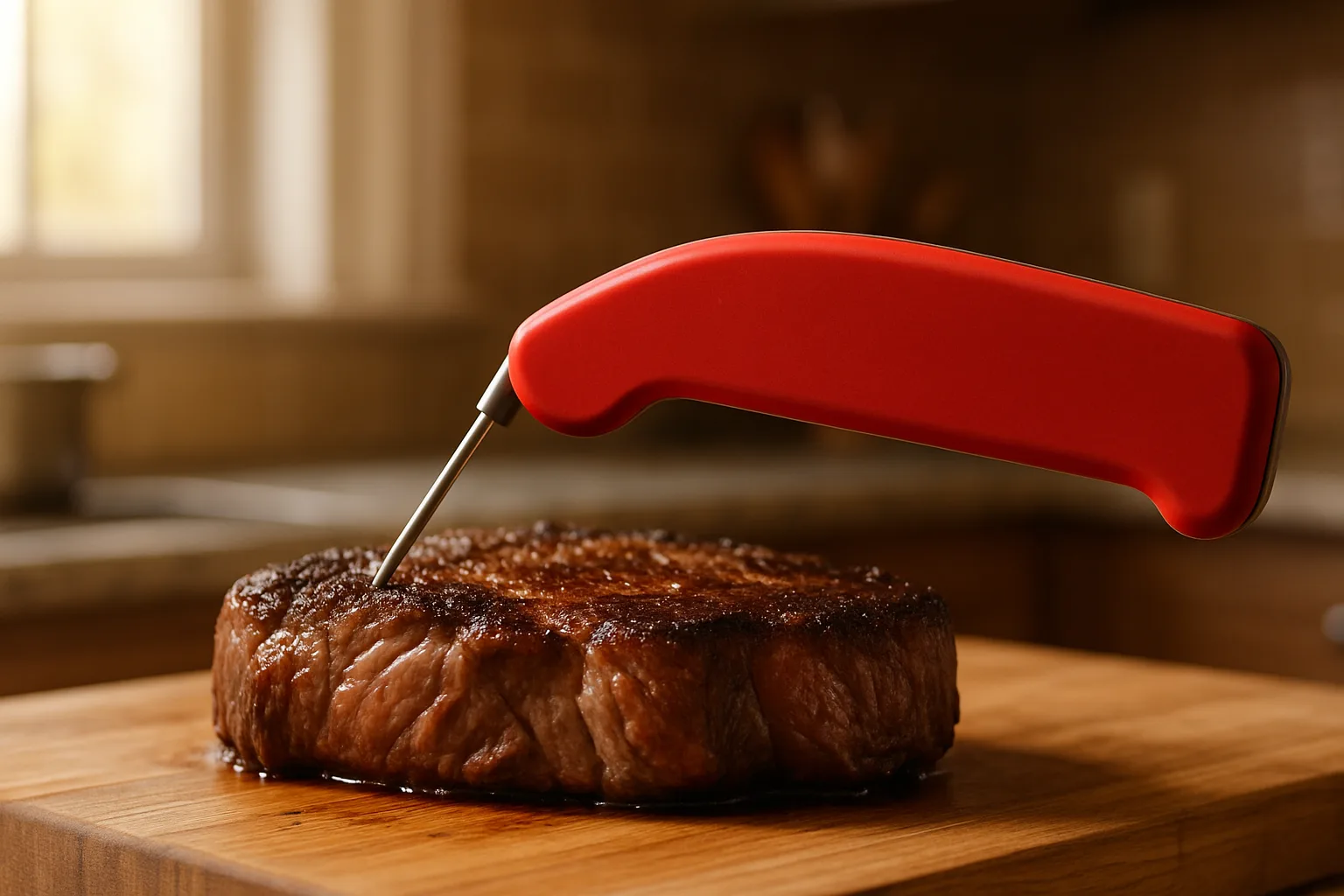
Delicate fish and omelets are easier in a good nonstick pan, and a sharp chef's knife makes the prep for any skillet meal faster. For braises, soups and bread, an enameled cast iron Dutch oven is the next pot to add, and an instant-read thermometer takes the guesswork out of knowing when a steak or chop is done.
Who should buy which
- First skillet on a budget: the Victoria 12-Inch, fast heating with a long, cooler handle.
- Searing and even browning: the Lodge Chef Collection 12-Inch, the heat-retention leader.
- A heavy pan that won't warp: the Lodge Classic 12-Inch, if you don't mind the short handle and weight.
- Eggs and easy cleanup: the Stargazer 12-Inch, the smooth-surface pick.
- Light weight and quick heat: the Field Company No. 10, preheated gently.
- Serving at the table: the FINEX 12-Inch, if you can live with its handle quirks.
Posted by Kristopher Larson
Frequently asked questions
What is the best cast iron skillet for most people?
For most kitchens, a budget skillet does everything a premium one does. The Victoria 12-inch heats quickly, holds heat slightly better than the heavier Lodge Classic, stays flat and has a long handle that stays cooler. The Lodge Chef Collection is the pick for the best heat retention in a lighter pan.
Is smooth cast iron better than rough cast iron?
Smooth cast iron releases eggs more easily from the start and is easier to wipe clean. Rough cast iron, like Lodge and Victoria, usually needs a quick spatula nudge at first, but the difference is small and fades as seasoning builds. A rough pan can become smooth and stick resistant with regular cooking.
Lodge vs. Stargazer vs. Field: which should I buy?
Lodge is the budget, heavy-duty choice with a rough surface and two pour spouts. Stargazer has a smooth surface with excellent egg release, a flared pouring rim and a very long handle, but heats less evenly at first. Field is the lightest and quickest to heat but holds heat less well and can warp past its heat ring under a hard preheat.
Does a heavier cast iron skillet cook better?
Heavier pans generally hold heat better and brown more evenly, while lighter pans heat faster and are easier to lift. Weight isn't everything: the Lodge Chef Collection is almost 2 lb lighter than the Lodge Classic and held heat better than any other skillet compared.
Why does my cast iron skillet wobble on the stove?
Heating cast iron fast and hard, especially on induction, can make the center bow outward so the pan rocks. Skillets with a raised heat ring on the bottom tolerate a little bowing. Preheat gradually over medium heat to protect any skillet's flatness.
How do you clean and care for a cast iron skillet?
Wash it with hot water and a brush, using a little soap if needed, and never soak it or put it in the dishwasher. Dry it with a towel, then warm it on a burner until all moisture is gone. Finish with a few drops of oil wiped on so thinly the pan looks almost dry.
Keep reading
More from the blog
Best Cutting Board for Knives: Teakhaus vs Epicurean vs Larch Wood
Best Electric Gooseneck Kettle: OXO vs Cosori vs Bodum
Best Toaster: Is a Smeg Worth It? Smeg vs KitchenAid vs Dash