Living in Salem, Utah 2026: Quiet-Town Pros & Cons
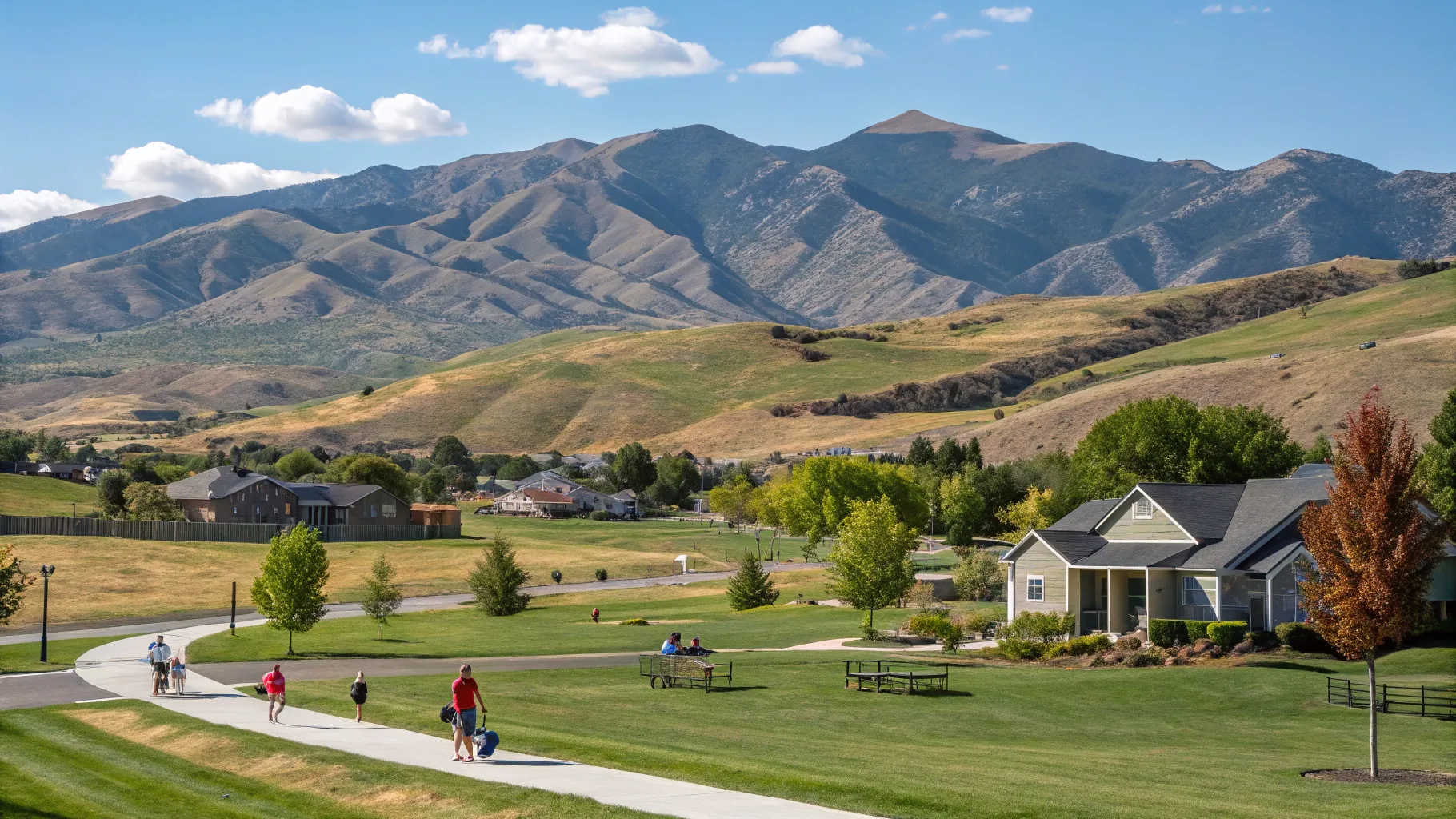
Salem is southern Utah County's small premium town — Loafer Mountain views, Salem Pond, Salem Hills High School, the Viridian master-planned community, and one of the strongest sellers' markets in the cluster. Here's the honest 2026 read on schools, market urgency, and trade-offs.
Salem is the small Utah County town that gets quietly more expensive every year. Sitting between Spanish Fork and Payson with Loafer Mountain as its eastern backdrop, Salem has fewer than 10,000 residents but consistently posts some of the strongest sellers'-market numbers in southern Utah County. The reason is part location, part schools, and part a master-planned community — Viridian — that has reshaped the town over the last decade.
The honest question for buyers is not whether Salem is a nice place to live. The pond, the views, the schools, and the trees all line up. The better question is whether the trade-offs match a specific commute, school stage, budget, and a market where sellers currently have the leverage. This guide covers what to expect in 2026, where Salem earns its premium, and where it asks for compromises.
Buyers can also browse current Salem homes for sale alongside this guide, or compare against the broader Utah real estate market.
Who Salem Is Best For
Salem attracts a more specific buyer than most southern Utah County cities. The current median sale price is $516,080, with 241 active listings and a median 25 days on market. The sale-to-list ratio is 100.0% — meaningfully above 100% — which means well-priced homes regularly clear at or above their asking price.
The strongest fits:
- Families prioritizing schools and a quiet bench-town feel — Salem Hills High School (opened 2008) serves Salem, Elk Ridge, Woodland Hills, and parts of Payson, with a strong academic and athletic identity
- Buyers wanting view lots on the Loafer Mountain bench — Salem's eastern subdivisions sit higher than most of Utah Valley, with the trees and elevation to match
- Households drawn to a real master-planned community — Viridian has dominated Salem's recent growth and is the city's largest recent build-out
- Buyers wanting larger lots and rural-adjacent feel, including acreage parcels and horse properties on the south and east edges
- Provo and Spanish Fork commuters who'll trade some retail convenience for a quieter address
It's a weaker fit for buyers looking for a "deal" — Salem's sellers'-market pricing doesn't reward patience. Also a weaker fit for households expecting in-city retail or dining (Spanish Fork is 10 minutes away), or anyone who needs a daily Salt Lake City commute.
Salem Home Prices in 2026: What Buyers Should Know
Salem prices reflect the combination of small-town inventory, premium views, and the Viridian build-out. The median sale sits above Spanish Fork and Springville and below only Mapleton in the southern Utah County cluster.
As of the most recent reporting month, Salem's market stats are:
- Median sale price: $516,080
- Active listings: 241
- Median days on market: 25 days
- Sale-to-list ratio: 100.0%
The sale-to-list ratio is the headline number. Where most southern Utah County cities sit around 99% (homes selling slightly below list), Salem regularly clears above 100% — buyers should expect competition on well-priced listings and should be pre-approved and ready to move quickly. Salem is selling faster than Nephi (data unavailable) but the pricing competition is closer to Springville's (45 days) than its smaller-town size would suggest.
Inventory ranges from homes under $500K in the older grid and the southern edge through new construction on the Loafer bench, with a real luxury segment on view lots above the city. The most consistently active communities are Viridian (by far the largest recent development), Moonlight Village, Summer Springs, Garretts Place, and Haven Oaks.
Why Zillow estimates miss the mark here
Utah is a non-disclosure state — sale prices are not publicly reported to third-party valuation sites the way they are in many other states. That distortion is worse in Salem, where the market is small enough that a few sales can swing the algorithm but premium enough that mispricing is expensive. Buyers shopping by Zillow alone will miss most of the bench-vs-grid pricing variance, and sellers leaning on it as an anchor will routinely underprice in a market where homes regularly clear above list.
The Commute Reality
Salem's location is one of its quieter strengths. The city sits west of Spanish Fork and just east of I-15, with quick access in three directions.
When the commute works
- Spanish Fork: about 10 minutes for Canyon Creek shopping, dining, and big-box retail
- Provo: 20 to 25 minutes north in normal traffic
- Springville: about 15 minutes north
- Payson: about 8 minutes south for Mountain View Hospital and additional retail
- Lehi / Silicon Slopes: 40 to 50 minutes off-peak
For Provo-area workers, remote and hybrid employees, or anyone whose schedule misses peak hours, Salem is a strong location. The drive to any Utah County destination is short enough that errands and after-school logistics don't dominate the calendar.
When it doesn't
Daily peak-hour commutes to downtown Salt Lake City run 55 to 70 minutes one way before snow or accidents. The I-15 morning stretch from Spanish Fork to Lehi adds 10–15 minutes during rush hour. Households committed to a daily SLC drive should test the actual route at 7:30 AM on a weekday before they buy.
Schools in Salem
Salem is part of Nebo School District. The city's high schoolers attend Salem Hills High School, opened in 2008 as the first new Nebo high school since the 1970s. Salem Hills (mascot: Mighty Dons, colors red and gray) draws from a wide service area:
- Salem
- Elk Ridge
- Woodland Hills
- Parts of Payson (typically the east and south sides)
This multi-city draw matters more than it sounds. Salem Hills has built an identity over its first 15+ years that pulls strongly from the bench-town buyers in Elk Ridge and Woodland Hills as well as Salem itself. For families prioritizing in-town high school in a small-town setting, Salem and its smaller neighbors all share Salem Hills' identity.
The city also has Salem Junior High and multiple elementary schools inside city limits.
Safety and Everyday Feel
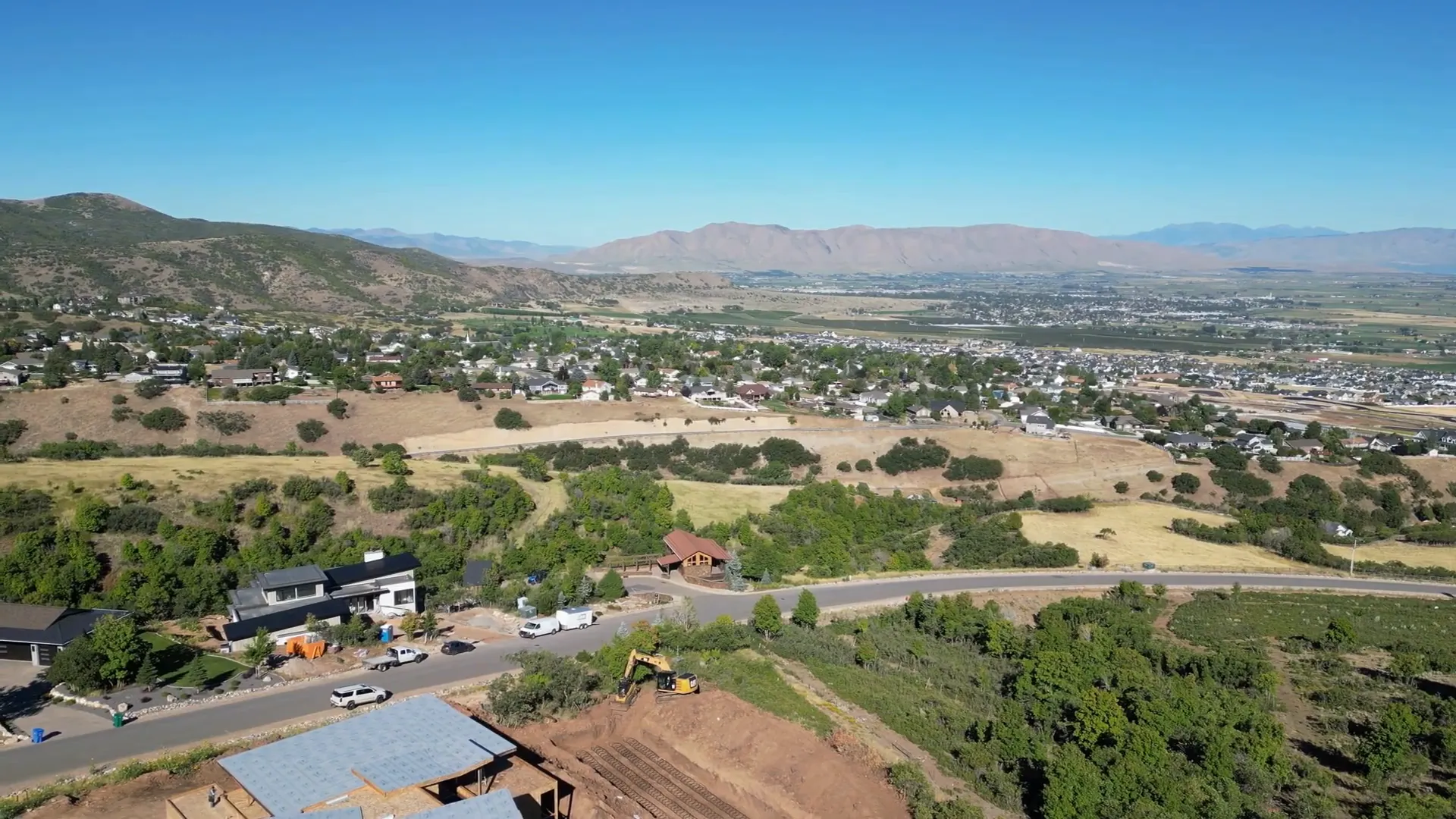
Salem consistently ranks among the safer cities in Utah County, with crime concentrated in property crime and violent incidents rare. The everyday feel splits between the older town grid west of Main Street — mature trees, smaller lots, an established small-town downtown — and the newer eastern subdivisions on the Loafer bench, with larger lots, view-oriented architecture, and the Viridian master-planned section that has driven most of the city's recent growth.
What residents typically describe as Salem's defining quality is quietness. The city has resisted the strip-mall development that's reshaped Spanish Fork, and it doesn't carry the cultural-event calendar of Springville or the temple-anchored identity of Payson. The trade-off is exactly what it sounds like.
Salem Pond and Loafer Mountain: The Local Landmarks
Two natural features anchor Salem's identity.
Salem Pond, built in the 1960s as a community recreation area, sits in the heart of town and serves as Salem's de facto public square. The Utah Division of Wildlife Resources stocks it regularly with rainbow trout, channel catfish, largemouth bass, and bluegill. The pond has a fishing pier, picnic tables, benches, restrooms, and a paved walking loop around its perimeter — popular year-round for casual fishing and family walks. (Ice fishing is prohibited; the pond rarely freezes solid enough to support skating.)
Loafer Mountain rises immediately east of town, peaking at over 10,600 feet. It's the visual backdrop for most of Salem's eastern subdivisions and provides trail access into the Wasatch backcountry. The Loafer summit hike is a serious day trip; shorter trails branch off from the lower elevations and are popular with Salem residents year-round.
Annual community events include Salem Days, typically held in late July, with a parade, fireworks, food booths, and live music at Knoll Park. Smaller seasonal events at Salem Pond round out the calendar.
Family Life and Outdoor Access
Salem's outdoor access is excellent for its size:
- Salem Pond — fishing, walking loop, family picnics year-round
- Loafer Mountain — direct trail access east of town; the summit hike is a serious day adventure
- The Nebo Loop Scenic Byway — 10 minutes south via Payson; one of Utah's signature fall-color drives
- Spanish Fork Canyon — 15 minutes east via Spanish Fork; Diamond Fork Hot Springs and Strawberry Reservoir lie deeper in the canyon
- The south end of Utah Lake — about 20 minutes northwest for fishing and shoreline access
The city's parks include Knoll Park (Salem Days venue), the Salem Pond area, and several neighborhood parks. The recreation infrastructure is light compared to Spanish Fork or Springville — there's no dedicated community recreation center inside city limits, and the nearest indoor pool is in Payson or Spanish Fork.
Retail and Dining: Honest Expectations
Salem's in-city retail is minimal by design. The historic downtown along Main Street has a small handful of local businesses, gas stations, and a couple of restaurants — enough for daily essentials, not enough for a full weekly shop. For groceries, dining, and big-box retail, virtually all Salem residents drive 10 minutes east to Spanish Fork (Canyon Creek anchors Costco, Walmart Supercenter, Lowe's, and the dining cluster) or 8 minutes south to Payson.
This is one of the easiest things to test before buying — spend a Saturday running normal errands from a Salem address and see how often the 10-minute drive feels acceptable rather than tedious.
The Real Trade-Off
Salem's trade-off is the trade-off of a small premium town between the larger cities of Utah County:
- What buyers get: Salem Hills schools, Loafer Mountain views, Salem Pond, the Viridian master-planned community, Nebo Loop access via Payson, larger lots than the older Utah County cities, and a genuinely quiet small-town feel
- What buyers give up: in-city retail, the ability to negotiate hard in a sellers' market (homes regularly clear above list), in-town dining variety, a daily SLC commute, and an in-town indoor recreation center
For families prioritizing schools, views, and quiet, the math works clearly. For buyers expecting an in-city full-service experience or hoping to buy below list, Salem isn't typically the right fit.
A Simple Scorecard for Deciding if Salem Fits
Before choosing Salem, buyers can run a five-part check:
1. Commute reality
Test the actual northbound I-15 drive at 7:30 AM on a weekday. The 20-to-25-minute Provo number is real for off-peak, but rush hour can stretch under typical conditions.
2. Side of town
The historic west-side grid, the eastern Loafer-bench subdivisions, and the Viridian master-planned section all live and price differently. Drive each before committing.
3. School commitment
Salem Hills serves a multi-city draw. For families prioritizing in-town K-12 with a unified school identity across Salem, Elk Ridge, and Woodland Hills, this works. For families wanting a fully Salem-only feeder pattern, the multi-city draw is something to understand.
4. Market urgency
Salem's above-list market doesn't reward patience. Buyers should be pre-approved and ready to write a strong offer on a well-priced listing within days, not weeks.
5. Retail tolerance
How often will a 10-minute drive to Spanish Fork for groceries, dining, or routine errands feel acceptable rather than tedious?
Common Mistakes Buyers Make Before Moving to Salem
- Testing the I-15 commute on a Saturday instead of a weekday rush hour
- Trusting Zillow estimates in a small non-disclosure market — automated valuations lag here more than in larger cities
- Expecting in-city retail — Salem is genuinely a satellite of Spanish Fork for non-essentials
- Underestimating the sellers' market — well-priced listings regularly clear above list price, so weak offers don't compete
- Missing the side-of-town distinction — Viridian, the historic grid, and the Loafer bench each carry different prices and feel different day-to-day
- Assuming Salem Hills is Salem-only — the high school's identity is shaped by its multi-city draw from Elk Ridge, Woodland Hills, and parts of Payson
Is Salem a Good Place to Live in 2026?
Yes — for the right buyer, Salem is one of the strongest small-town options in Utah County.
It works well for:
- Families prioritizing schools, views, and a quiet bench-town feel
- Buyers comfortable competing in a sellers' market
- Provo-area workers wanting a quieter alternative to Spanish Fork or Springville
- Households drawn to the Viridian master-planned community specifically
- Outdoor-focused buyers using Loafer Mountain and the nearby Nebo Loop access
It's less ideal for:
- Daily Salt Lake City commuters
- Buyers expecting in-city retail and dining
- Households hoping to negotiate hard below list
- Anyone needing a daily indoor recreation facility inside city limits
Bottom Line
Salem is the small, premium, sellers'-market town in southern Utah County — fewer than 10,000 residents but median pricing above most of its larger neighbors, anchored by the Salem Hills high school identity, the Viridian master-planned community, and view lots up against Loafer Mountain. The trade-offs are limited in-city retail and a market that doesn't reward hesitation. The three things easiest to test before buying are the actual rush-hour commute, the side-of-town fit, and how often a 10-minute drive to Spanish Fork will feel acceptable.
For more context on Utah relocations, the broader moving to Utah guide covers statewide considerations. Anyone serious about Salem should walk through current Salem homes for sale and reach out for a tour.
Posted by Kristopher Larson
Frequently asked questions
Is Salem, Utah a good place to live?
Yes, particularly for families prioritizing schools, views, and a quiet small-town feel. Salem is served by Salem Hills High School (Nebo School District, opened 2008), sits at the base of Loafer Mountain with strong view lots, and is anchored by the Viridian master-planned community. The current market is one of the strongest sellers' markets in southern Utah County, with homes regularly clearing above list price.
How long is the commute from Salem to Provo?
About 20 to 25 minutes north on I-15 in normal traffic. Spanish Fork is 10 minutes east for Canyon Creek shopping, Springville 15 minutes north, Payson 8 minutes south, and Lehi or Silicon Slopes 40 to 50 minutes off-peak. Daily Salt Lake City commutes run 55 to 70 minutes during weekday rush hour.
What schools serve Salem, Utah?
Salem is part of Nebo School District. High schoolers attend Salem Hills High School, which opened in 2008 and serves Salem, Elk Ridge, Woodland Hills, and parts of Payson. The city also has Salem Junior High and multiple elementary schools inside city limits. Salem Hills' mascot is the Mighty Dons (red and gray).
What is Salem, Utah known for?
Salem is known for Salem Pond — a 1960s community recreation pond stocked year-round with rainbow trout, catfish, bass, and bluegill — and for its small-town character at the base of Loafer Mountain. Salem Hills High School serves the broader bench-town community of Salem, Elk Ridge, and Woodland Hills. The annual Salem Days festival in late July is the city's signature community event.
How much do homes in Salem cost in 2026?
Salem's median sale price is around $516,080 as of the most recent reporting month, with 241 active listings on the market and a median 25 days on market. The sale-to-list ratio is 100.0% — meaningfully above 100% — which signals one of the stronger sellers' markets in southern Utah County. Well-priced homes typically clear at or above list within a few weeks.
Is Salem Pond safe for ice skating in winter?
No — Salem Pond rarely freezes solid enough for ice skating, and ice fishing is prohibited under Salem city rules. The pond is open year-round for shoreline fishing, walking, and casual recreation, but winter use is limited to the surrounding paved loop and surface fishing during the open-water season. The Utah Division of Wildlife Resources stocks the pond with rainbow trout, channel catfish, largemouth bass, and bluegill.
Salem, Utah housing market
A quick read on what homes are doing in Salem right now — pulled live from the MLS.
Keep reading
More from the blog
Gas Line Installation: What Homeowners Need to Know First
Roof Timeline Guide for Buying an Older Utah Home
How to Choose Windows for a Utah Home With a Mountain View