How to Protect Concrete Floors from Damage and Stains
Concrete is porous and vulnerable to stains, moisture, abrasion, and freeze damage. Learn how sealers, routine cleaning, and fast spill response protect your floors.
Concrete floors take a heavy beating every single day from foot traffic, heavy machinery, spills, and moisture. Without proper care, unsealed concrete absorbs liquids quickly, leading to deep stains, cracking, and surface erosion. Taking practical steps to shield your floors keeps them clean, strong, and easy to maintain, whether you own a older Utah home or a new build.
Understanding Common Threats to Bare Concrete
Concrete might look indestructible, but its porous surface acts like a giant sponge. Using quality concrete sealers creates a protective barrier against liquids, oils, and harsh chemicals. This single addition prevents deep structural decay and keeps the slab looking clean.
Vehicle traffic brings in motor oil, grease, and tire marks. When chemicals sit on bare concrete, they seep deep into the pores. Cleaning those stains later becomes nearly impossible without professional equipment.
Unprotected slabs suffer from physical abrasion. Walking, dragging heavy boxes, and moving equipment slowly grinds down the top layer of concrete. This process creates fine concrete dust that spreads across your entire facility.
Stopping Moisture Vapor Damage
Moisture rising through a concrete slab creates hidden damage that ruins floor finishes. An industry guide on floor protection notes that epoxy coatings, polyurethane cement, and specialized moisture vapor transmission sealers block rising water from damaging concrete surfaces. These advanced materials stop moisture before it creates bubbling or peeling.
High humidity levels or poor sub-slab vapor barriers worsen this issue. Trapped moisture forces salts to the surface, creating a chalky white powder. Sealing the surface stops this process cold.
Groundwater levels fluctuate throughout different seasons, putting varying levels of hydrostatic pressure on your floor. Continuous moisture pressure causes untreated concrete to weaken from within over 5 to 10 years. Applying moisture barriers mitigates this long-term risk.
Selecting the Right Protection Method
Different spaces require tailored solutions depending on their daily wear and exposure. An adhesive council report identified 4 main coating categories for structures like parking garages, including surface sealers, penetrating sealers, thin bond overlays, and traffic-bearing overlays. Choosing the correct category keeps your slab protected against harsh environmental factors.
High-traffic commercial spaces benefit from heavy-duty overlays. Light residential storage areas usually need simple penetrating treatments. Matching the product to your daily activity saves money and maintenance time.
Penetrating products sink deep into the concrete pores to block water without changing the surface texture. Surface coatings form a clear protective film on top that adds a light sheen. Knowing the difference helps you pick the right product for your specific floor.
Establishing a Daily Maintenance Routine
Daily sweeping removes grit and dirt that act like sandpaper under foot traffic. Fine dust wears down protective layers faster than heavy weight does. Routine sweeping protects your floor coating from premature wear.
Mopping with a pH-neutral cleaner removes surface grime without damaging chemical barriers. Avoid harsh acidic or alkaline cleaners that eat away at protective layers. Clean water and soft microfiber pads work best.
Automated floor scrubbers work well for large commercial spaces. Using soft pads on these machines cleans large surface areas quickly without scratching the coating. Regular washing keeps the floor looking professional every day.
Best Practices for Cleaning Up Spills
Quick action prevents permanent discoloration when liquids hit the floor. Keep these 4 response steps in mind:
Wipe up oil and grease immediately using absorbent pads.
Avoid scrub brushes with stiff wire bristles that scratch surface treatments.
Flush chemical spills with cold water before applying mild detergent.
Allow the cleaned area to dry completely to prevent slip hazards.
Leaving liquids on the surface gives them time to break down protective coatings. A fast cleanup saves hours of heavy scrubbing later.
Acidic substances like vinegar, citrus juices, or battery fluid react strongly with unsealed concrete. Neutralize acidic spills with a mild baking soda solution to prevent permanent surface etching. Fast reactions preserve the smooth texture of your floor.
Preventing Damage From Heavy Equipment
Heavy pallets, metal crates, and machinery drag marks chip away concrete surfaces. Placing rubber pads under heavy equipment prevents gouges and impact cracks. Simple structural precautions preserve the floor beneath.
Machinery leaks oil and hydraulic fluid during regular operation. Drip trays under parked equipment keep aggressive liquids off the floor. Prevention stops stains before they start.
Forklifts and heavy vehicles require proper tire care. Soft rubber tires produce fewer scuff marks than hard plastic wheels. Keeping tires clean stops grit from grinding directly into the protective surface layer.
Managing Temperature Changes and Freeze Cycles
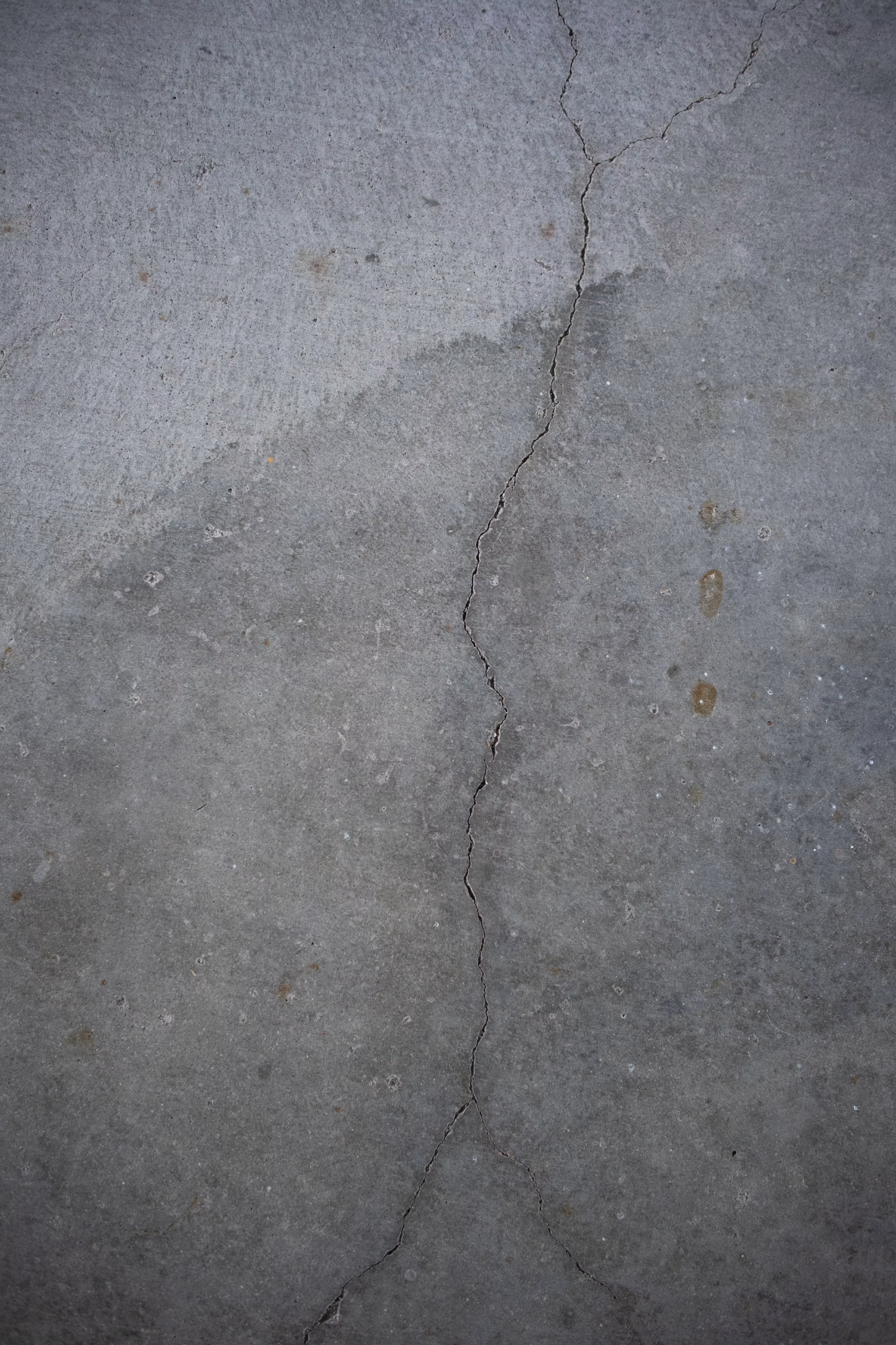
Outdoor concrete slabs and unheated garages face constant temperature swings. Freezing water inside untreated concrete expands, causing spalling and flaking on the top layer. Applying protective coatings stops water penetration before winter temperatures drop.
Deicing salts spread on driveways and garage floors accelerate surface damage. Washing away salt residue prevents chemical breakdown of the concrete matrix. Clear water rinses keep the slab stable throughout winter months.
Final Thoughts
Maintaining concrete floors requires regular cleaning, quick spill management, and proper surface protection. Taking these simple preventive steps extends the life of your slab while reducing long-term repair costs. A well-maintained concrete floor provides a safe, durable surface for decades. For more upkeep ideas, see our home plumbing inspection guide for buyers and our tips on settling into a new Utah home.
Frequently asked questions
How often should concrete floors be resealed?
What is the best sealer for a garage floor?
How do I remove oil stains from concrete?
Can deicing salt damage concrete floors and driveways?
What cleaner is safe for sealed concrete floors?
Keep reading
More from the blog

How the Right Tools Help Organize and Decorate Your Home

How Far in Advance to Book Movers: A Timeline Guide
Gas Line Installation: What Homeowners Need to Know First