What Home Inspectors Miss: Smart Locks, Keypads and HOA Entry Systems
Standard home inspections rarely test smart locks, garage keypads or condo fobs. Learn what gets missed, what to ask the seller or HOA, and a pre-closing checklist for Utah buyers.
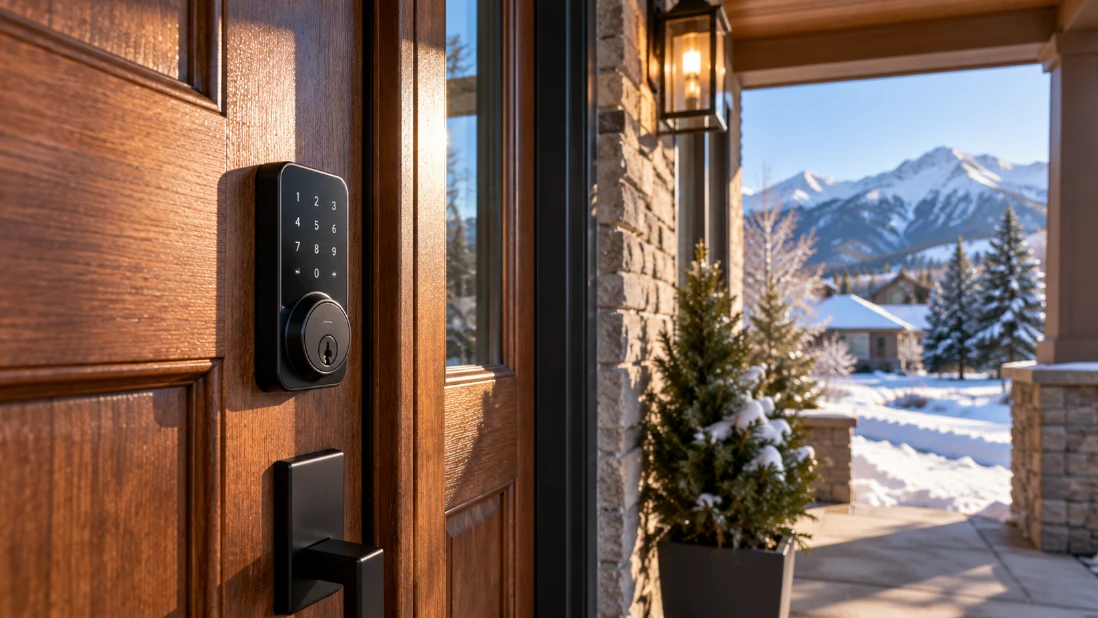
A home inspection covers the roof, the furnace, the water heater and the electrical panel, and most buyers walk away assuming the entire house got a once-over. The front door keypad, the smart deadbolt, the garage code and the fob that opens the condo lobby usually fall outside that report. When one of them fails a month after closing, the new owner learns quickly that access control repair was never part of the inspection and often never part of the seller’s disclosures either. Knowing where those blind spots sit lets you check them yourself before you sign.
Utah buyers see more of these devices every year. New builds along the Wasatch Front often come with a keypad deadbolt, a smart garage opener and a video doorbell as standard features, and many townhome and condo communities control entry with fobs, gate codes or app-based readers. Each of those devices has batteries, firmware, accounts and moving parts that age like anything else in the house.
Why Inspectors Usually Skip Entry Systems
Home inspectors follow written standards of practice, and the two most widely used in the US, from the American Society of Home Inspectors and InterNACHI, both let inspectors exclude low-voltage systems such as security systems and similar equipment. Many inspectors will test whether a door opens, closes and latches. Few will test whether every stored code works, whether the lock reports its status to an app or whether the previous owner can still unlock it from a phone.
That gap has a simple explanation. Properly checking a smart lock means getting the admin account, reviewing user lists, and testing remote functions, and an inspector has no access to any of that during a two- or three-hour visit. The result is a report that says “front door operational” while the electronics behind the handle remain a mystery.
I find it useful to treat entry hardware like appliances that come with the house. They work today, and nobody has promised anything about tomorrow.
Smart Locks and Keypads in a Single-Family Home
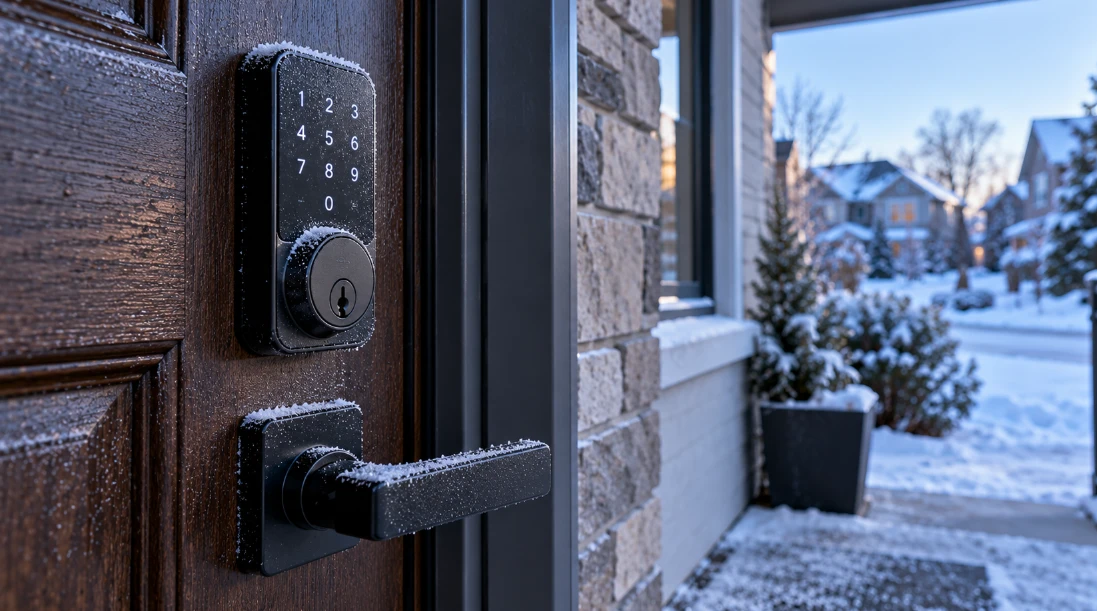
Popular models from Schlage, Yale, Kwikset and August run on AA or AAA batteries and connect to a phone through Bluetooth, Wi-Fi or a home hub. The most common problems buyers inherit fall into a few categories.
Battery issues lead the list. Alkaline batteries lose capacity in cold weather, and a lock on an exposed north-facing door during a Utah January can drain faster than the manufacturer’s estimate. Most locks warn with a blinking light or an app alert, and both are easy to miss in a house that has been vacant during the sale.
Mechanical wear comes next. Motorized deadbolts strain when the bolt rubs against a misaligned strike plate. Seasonal temperature swings and the dry climate along the Wasatch Front can shift doors and frames enough to cause that rubbing. A lock that struggles to extend its bolt will eventually stop locking at all, sometimes while reporting that it is locked.
Account and code control is the third category, and it matters most for security. A smart lock may still hold the seller’s codes, a cleaning service’s code, a dog walker’s code and the admin account on someone else’s phone. Until you reset the lock or transfer ownership through the manufacturer’s process, you cannot be sure who else can open your front door.
Garage access deserves the same attention. Many openers from Chamberlain and LiftMaster connect through the myQ app, and the previous owner’s account can keep control of the door until the opener is removed from it. Wireless keypads mounted beside the garage door hold their own codes, separate from the remotes, and those codes often go unchanged for years. In many Utah neighborhoods, the garage is the main way in and out of the house, so it's often the first thing to reset after closing.
Condos, Townhomes and HOA Access Systems
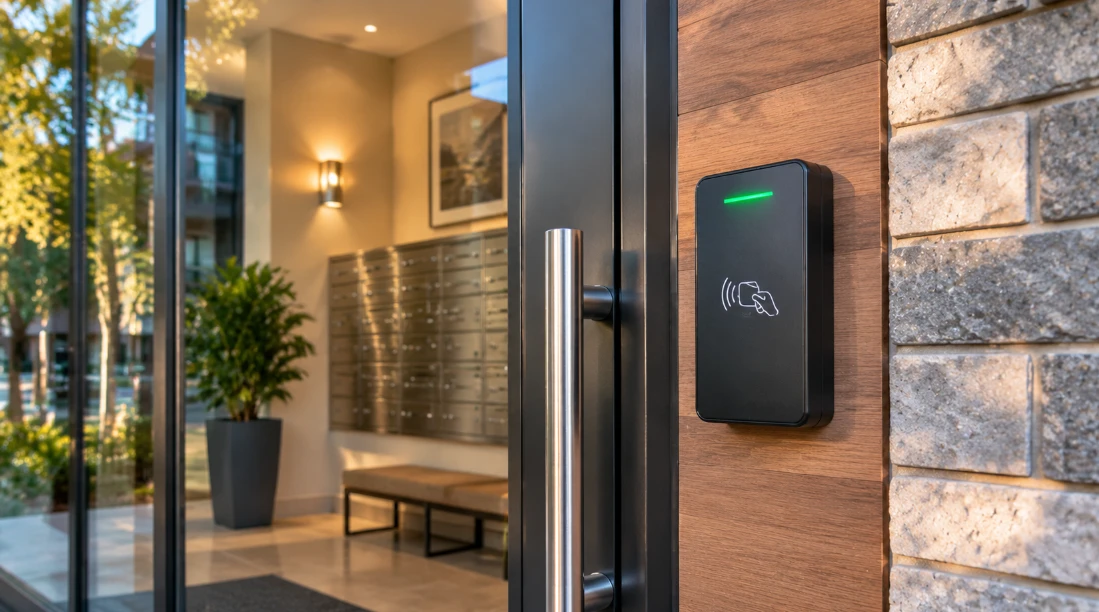
Buying into a multifamily building adds a layer of shared hardware: lobby readers, garage gates, mailroom doors, fitness center entries and sometimes elevator controls. These systems belong to the association, and the governing documents decide who pays to repair them and how fast. For a closer look at what happens when an association stops functioning, see who pays for roads, walls and common areas in a Utah HOA.
Before closing, it is worth reading the CC&Rs and the most recent reserve study, if the association has one. A reserve study lists major components and their expected remaining life. An access control system nearing the end of its life can show up later as a special assessment. Board meeting minutes are another useful source, because repeated complaints about broken gates or dead fob readers tend to appear there long before they reach a listing description.
Ask how the building issues and revokes fobs. In a well-run system, the management company can deactivate a lost fob in minutes and issue a new one for a modest fee. In an older system with outdated readers or no remote management, a single lost fob can mean the building stays exposed until someone reprograms the whole system.
Some newer communities in places like Lehi, Herriman and South Jordan use app-based entry, where residents open gates and lobby doors from a phone. Those systems are convenient, and they also depend on the management company keeping resident lists current. Ask how quickly the previous owner of a unit loses access after a sale closes.
What Gets Checked and What Gets Missed
The table below sums up what a typical inspection covers for each type of entry hardware and what a buyer should verify separately.
Component | Usually covered in a standard inspection | What to check yourself |
Keyed deadbolt | Door opens, closes and latches | Number of keys handed over, whether the locks were rekeyed |
Smart lock or keypad | Door operation only | Admin account transfer, stored codes, battery level, firmware updates |
Garage door opener | Auto-reverse safety test, basic operation | Keypad codes, app account, number of remotes |
Video doorbell | Usually excluded | Account transfer, subscription status, wiring condition |
Condo or HOA entry system | Excluded | Fob count, reprogramming process, repair responsibility in the CC&Rs |
Community gate | Excluded | Gate code changes, reserve study notes, recent repair history |
The pattern is clear from the right-hand column. Most of what can go wrong sits in accounts, codes and electronics that a buyer has to request from the seller or the association directly.
A Pre-Closing Checklist for Entry Systems
Add these items to your final walkthrough or to your requests through your agent. They take less than an hour and can save a service call in your first week:
Request admin access transfer for every smart lock, keypad and video doorbell
Get all physical keys, garage remotes and building fobs in hand at closing
Test each keypad code you receive, then plan to change all of them
Ask whether the locks have been rekeyed and when
Confirm who repairs shared access hardware under the CC&Rs
Ask the HOA for the fob replacement fee and turnaround time
Note the lock models so you can find manuals and reset steps
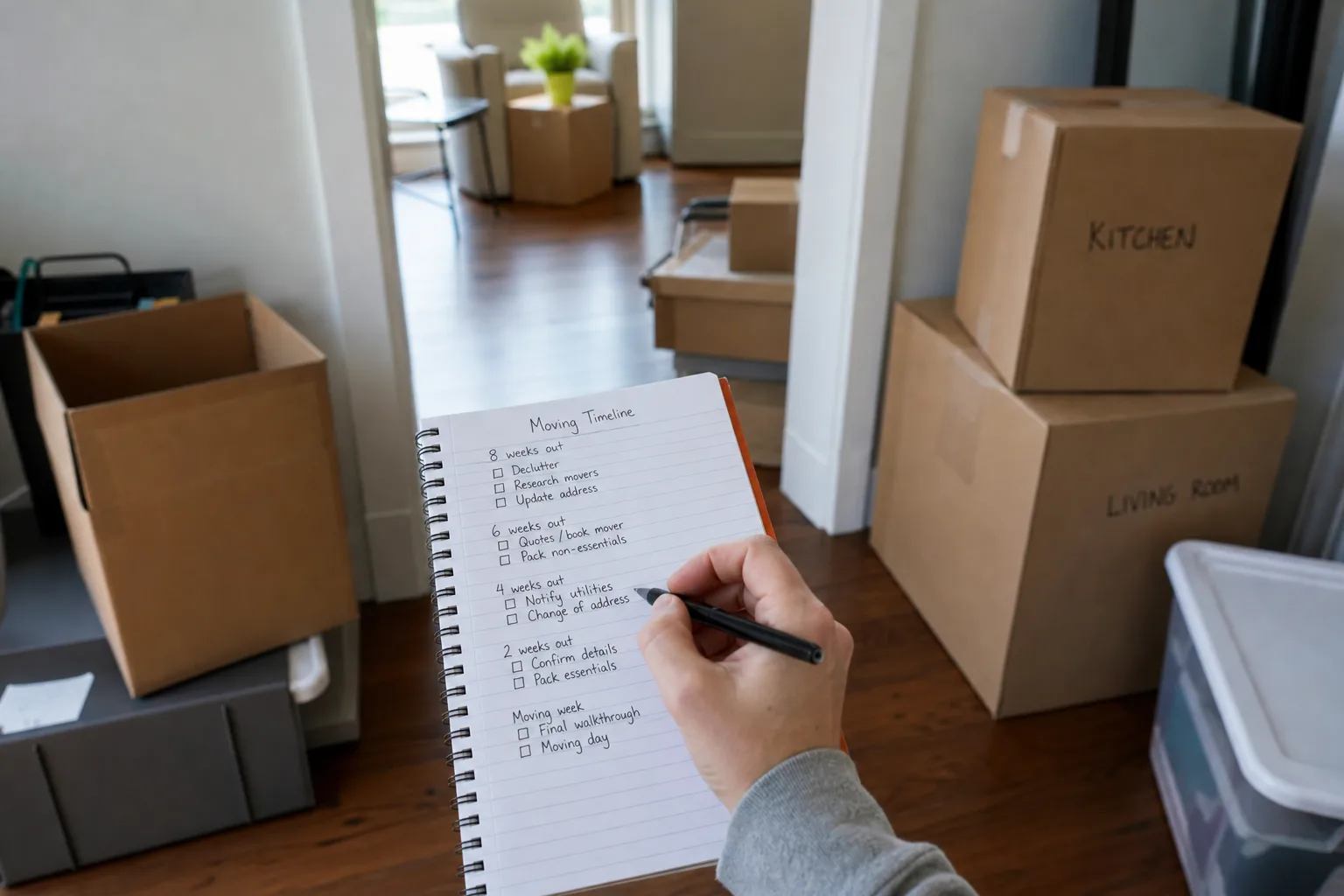
After closing, budget for a rekey or reset as part of moving in. Locksmiths typically charge $20 to $50 per lock cylinder for rekeying, plus a service call, and resetting a smart lock to factory settings usually takes a few minutes with the manufacturer’s instructions. Our moving timeline for buying and selling a home can help you fit these tasks in.
When a Repair Call Makes Sense
Some fixes are owner jobs. Replacing batteries, adjusting a loose strike plate screw and resetting a keypad are well within reach for most homeowners.
Other symptoms point to a technician. A motorized deadbolt that grinds or stalls, a keypad that accepts codes but never retracts the bolt, an electric strike in a condo door that buzzes without releasing and a fob reader that works for some residents and ignores others all suggest problems in wiring, power supplies, controllers or the door hardware itself. Replacing a part blindly in those cases often wastes money, since the real fault sits somewhere else in the chain.
For HOA boards and property managers, the stakes are higher. A failed lobby reader or a gate stuck open affects every resident and can raise liability questions if someone gets hurt or a unit is burglarized while the entry was compromised. Associations that keep a service agreement with an access control technician usually get faster response times, documented repairs and an inventory of the system that helps future boards plan replacements. For a buyer comparing two buildings, an association that can show that paperwork is giving you a useful signal about how the rest of the property is managed too.
Budgeting for these surprises is part of owning a home. See seasonal housing costs Utah buyers should know for more, and browse homes in West Jordan if you are shopping the Salt Lake Valley.
Frequently asked questions
Do home inspectors test smart locks and keypad deadbolts?
How do I make sure the previous owner can't open my smart lock?
How much does it cost to rekey locks after buying a house?
Who pays to repair condo fob readers and gates in Utah?
What should I ask the HOA about entry fobs before buying?
Keep reading
More from the blog
How Home Renderings Help Buyers, Builders and Sellers

Easy Seasonal Care Steps to Protect Your Roof
How to Prep Siding Before Painting in Utah