7 Costs to Check Before Developing a Small Residential Community in Utah
Small Utah developments live or die on costs between raw land and finished street. Here are seven to check before you close, from land prep and permits to utilities, play areas and HOA upkeep.
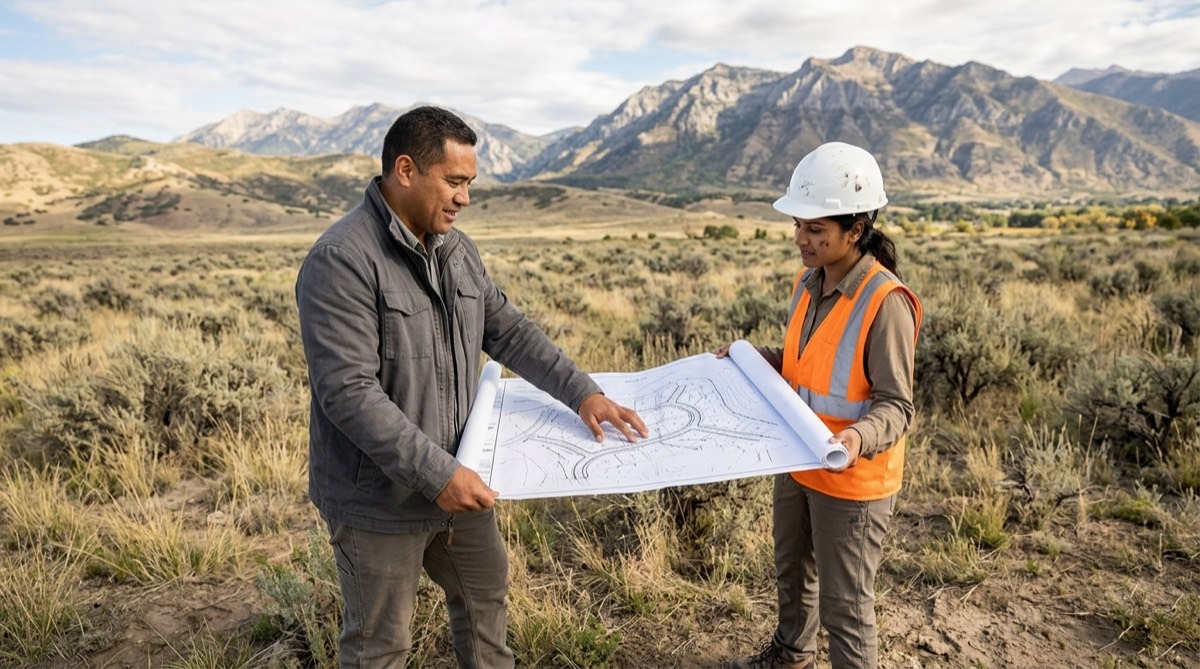
You've found eight acres on the edge of a growing Utah town. The seller is motivated, the views are good and your spreadsheet says twenty lots will work. Then your engineer asks about the water, and the city planner mentions impact fees, and the spreadsheet starts to look thin.
Small developments run on tight margins, and the costs that hurt are rarely the houses. They're the items between raw land and a finished street, plus what the community has to maintain afterward. Check these seven before you close on the land. For a deeper look at the buying side, see our guide to environmental due diligence before buying land.
Cost #1 - Land Preparation
Land preparation is the first cost to pin down, because what's under the surface decides how much everything above it costs. Two parcels that look the same from the road can differ widely once the excavators arrive.
Order these before you commit:
A boundary and topographic survey
A geotechnical report on soil and groundwater
A check for easements and old utility lines
An environmental review of past uses
Utah sites bring their own questions. Ask your geotechnical engineer about slope, soil that shifts with moisture and how deep foundations and pipes must go to stay below frost. Budget for clearing, grading, retaining walls and hauling material in or out. Price the grading from the survey, not from a walk around the site.
Cost #2 - Permits and Fees
Permits and fees can be one of the larger soft costs in a Utah development, and they vary by city and county. Meet the planning department early and ask for a full schedule in writing.
Expect application and plan review fees, subdivision plat fees, building permits and impact fees, which Utah local governments can charge to help pay for the roads, water and other facilities that new growth needs. Ask when each is due, since some are paid at plat approval and others at building permit.
Stormwater needs its own line. Utah's Division of Water Quality says operators and owners of construction activity that disturb 1 acre or greater are required to get a Storm Water Permit. Add the cost of the plan, the controls on site and the inspections that go with it.
Ask how long each approval takes. Every month between purchase and permit is a month of interest and holding costs.
Cost #3 - Construction Deliveries
Deliveries are a cost of their own, and on a small site they're easy to underestimate. Lumber, trusses, pipe, concrete and equipment all arrive by truck, and each trip has a price.
Start with access. Can a full-length truck turn into the site and unload without blocking a public road? Is there room to store materials, or does everything have to arrive on the day it's needed? Winter in northern Utah adds weather days, so build slack into the schedule.
Keep a line for expedited freight as well, because a schedule sometimes depends on one item arriving today. A service such as Titan Worldwide Logistics' time-critical hotshot trucking moves urgent parts and machinery on box trucks or heavy-duty trailers. Ask any expedited carrier how it quotes and what information it needs, and keep those details on file with your site address and unloading instructions.
Track delivery costs by phase. They tell you a lot when you price the next project.
Cost #4 - Utility Connections
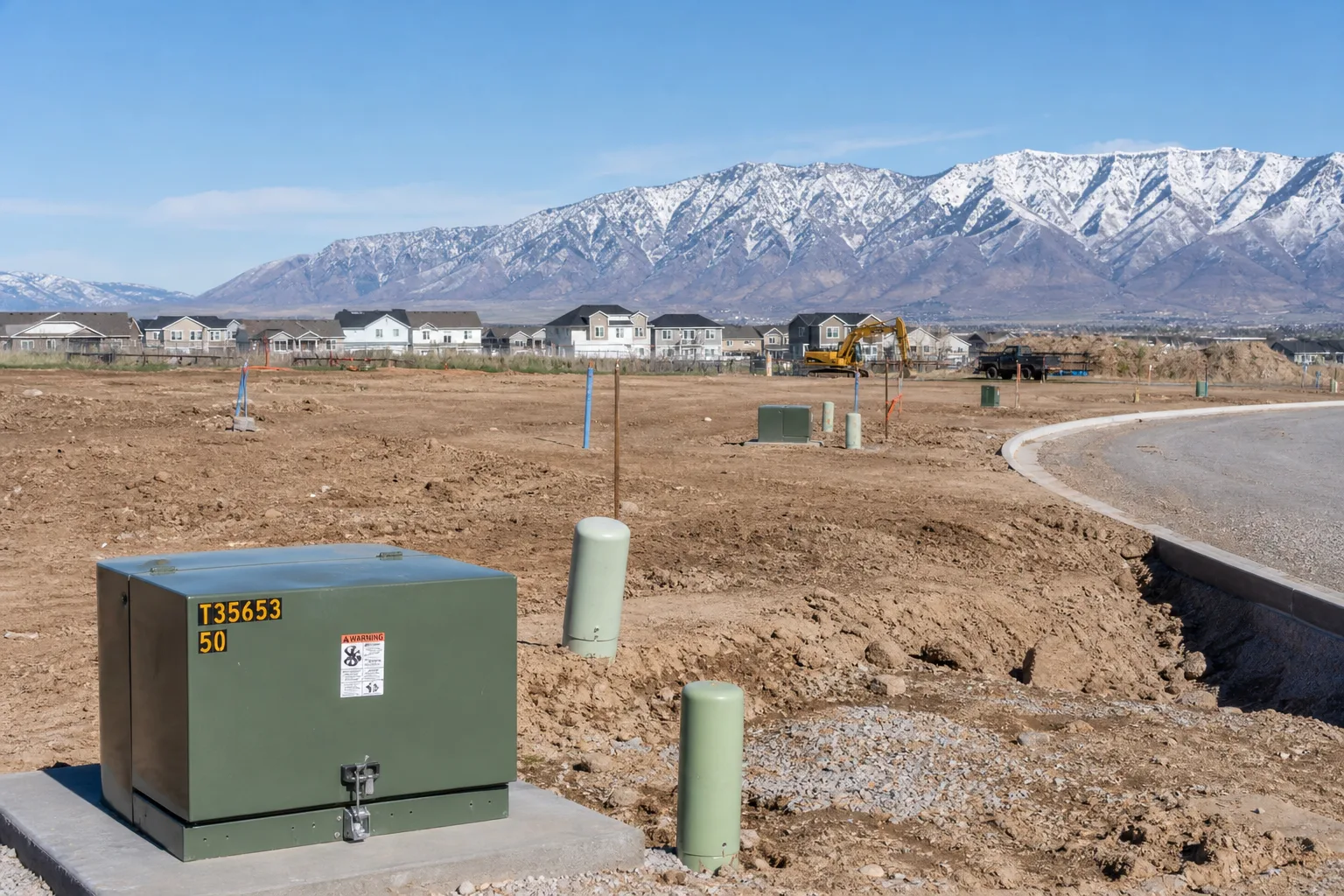
Utility connections are often the largest surprise in a first development, so get numbers from each provider before you buy. Being near a line isn't the same as being connected to it.
Ask each utility for a written estimate covering:
Water and sewer mains, laterals and meters
Power, gas and communications to each lot
Connection or capacity fees per home
Any off-site upgrades the project triggers
Water deserves particular attention in Utah. Some cities ask developers to bring water rights or pay a fee in place of them, and some areas have separate secondary water for irrigation. Ask what applies to your parcel.
Call 811 through Blue Stakes of Utah before any digging, and budget for trenching by the foot in the soil your geotechnical report describes.
Cost #5 - Landscaping
Landscaping is a requirement as well as a finishing touch, and in Utah it's shaped by water. Many cities set standards for street trees, park strips and common areas, and some limit how much lawn a new development can have.
Read the local landscape ordinance before you design. Then price the planting, the irrigation system, the topsoil and the first season of establishment care, when new plants need the most attention.
Water-wise design usually pays its way in a dry state. Drought-tolerant plants, drip irrigation and smaller lawn areas reduce what the homeowners' association pays for water and mowing in every later year.
Top Tip: Walk through a few Utah communities built five to ten years ago and look at what has lasted. Notice which trees have thrived, where grass has given way to dirt paths and which common areas are used. Ask a board member what costs them the most to maintain. An hour of looking will tell you more about your landscape budget than a catalog. |
Cost #6 - Shared Play Areas
A shared play area is one of the amenities buyers with children look for, and it carries costs beyond the equipment. Site work, surfacing, borders, seating, shade and installation all belong in the estimate.
Surfacing is an easy line to miss. Every piece of equipment needs an impact-absorbing surface beneath and around it, and the choice affects both the upfront price and the upkeep. Loose-fill materials generally cost less to install and need raking and topping up. Poured or tiled surfaces cost more at the start and need less attention.
Among the options that need topping up, WillyGoat's loose-fill rubber mulch for playground floors is made from recycled tires. Whichever surface you choose, ask the supplier what fall height it's rated for at a given depth, and match that to your tallest piece of equipment.
Plan the area for the people who'll use it. Put it where it can be seen from nearby homes, include a path that strollers and wheelchairs can use, and decide who inspects it once the HOA takes over.
Cost #7 - Ongoing Maintenance
Ongoing maintenance is the cost the developer sets and the homeowners pay, so plan it honestly. Dues that are too low at the start can lead to special assessments later.
The Operating Budget
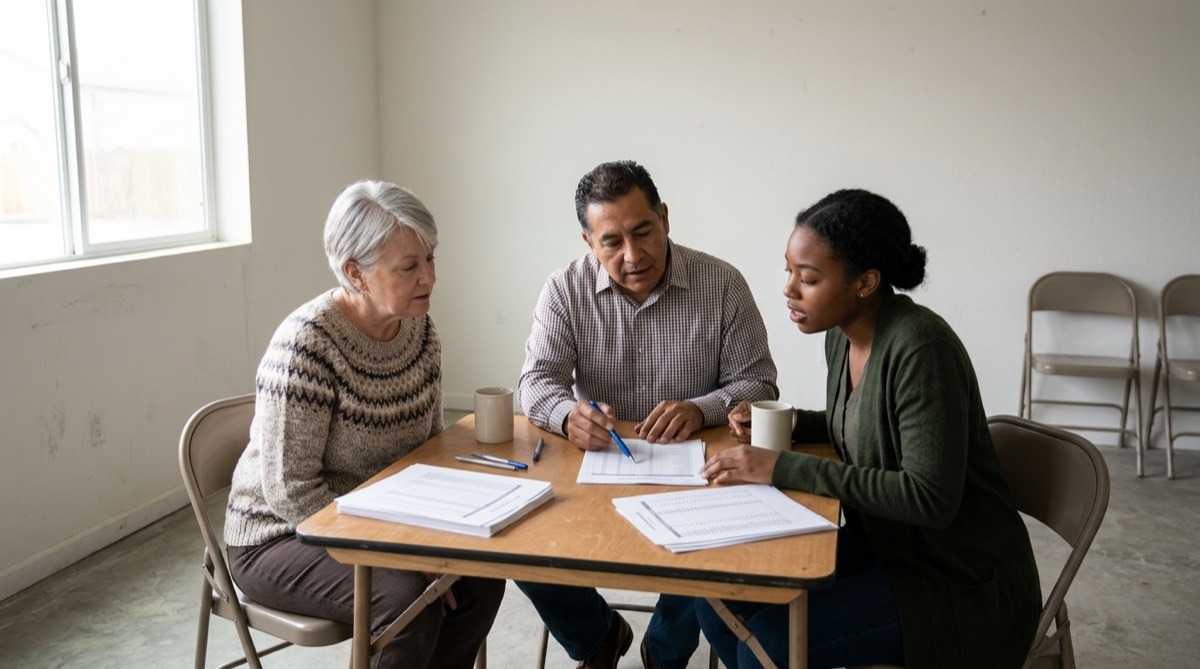
List every recurring cost for the common areas: landscaping, snow removal, water, lighting, insurance, management and playground inspections. Get quotes, and set the first year's dues from them.
The Reserve Fund
Roads, fences, irrigation systems and play equipment all wear out. Under Utah's Community Association Act, a board must cause a reserve analysis to be conducted no less frequently than every six years, except as otherwise provided in the governing documents. Commission one before the first home sells, so the reserve contribution is in the dues from day one.
The Handover
Document everything for the future board: plans, warranties, supplier contacts and maintenance schedules. Complete records make the amenities far easier to look after.
Start With Three Phone Calls
Before you make an offer on land, call the city planning department, the water provider and a geotechnical engineer. Ask each what a project of your size would need and what it would cost. Those three answers will tell you whether the spreadsheet holds. Also see which Utah towns have funded projects arriving and how the state's starter home goal may shape demand for new lots.
Frequently asked questions
What fees do Utah cities charge for a new residential development?
Does a small Utah development need a stormwater permit?
How should a developer plan HOA maintenance costs in Utah?
What should I check about water before buying land to develop in Utah?
Why get a geotechnical report before buying development land in Utah?
Keep reading
More from the blog
How to Negotiate a Home Purchase in Utah When Listings Are Sitting
Utah City in Vineyard: What Buyers Should Check Before Betting on the New Downtown
5 Utah Towns Where Funded Projects Are Arriving Before Prices Catch Up