Things to do in Utah
Discover Utah’s top attractions—from five national parks to world-class ski resorts—and how they shape housing demand, rental potential and investment opportunities.
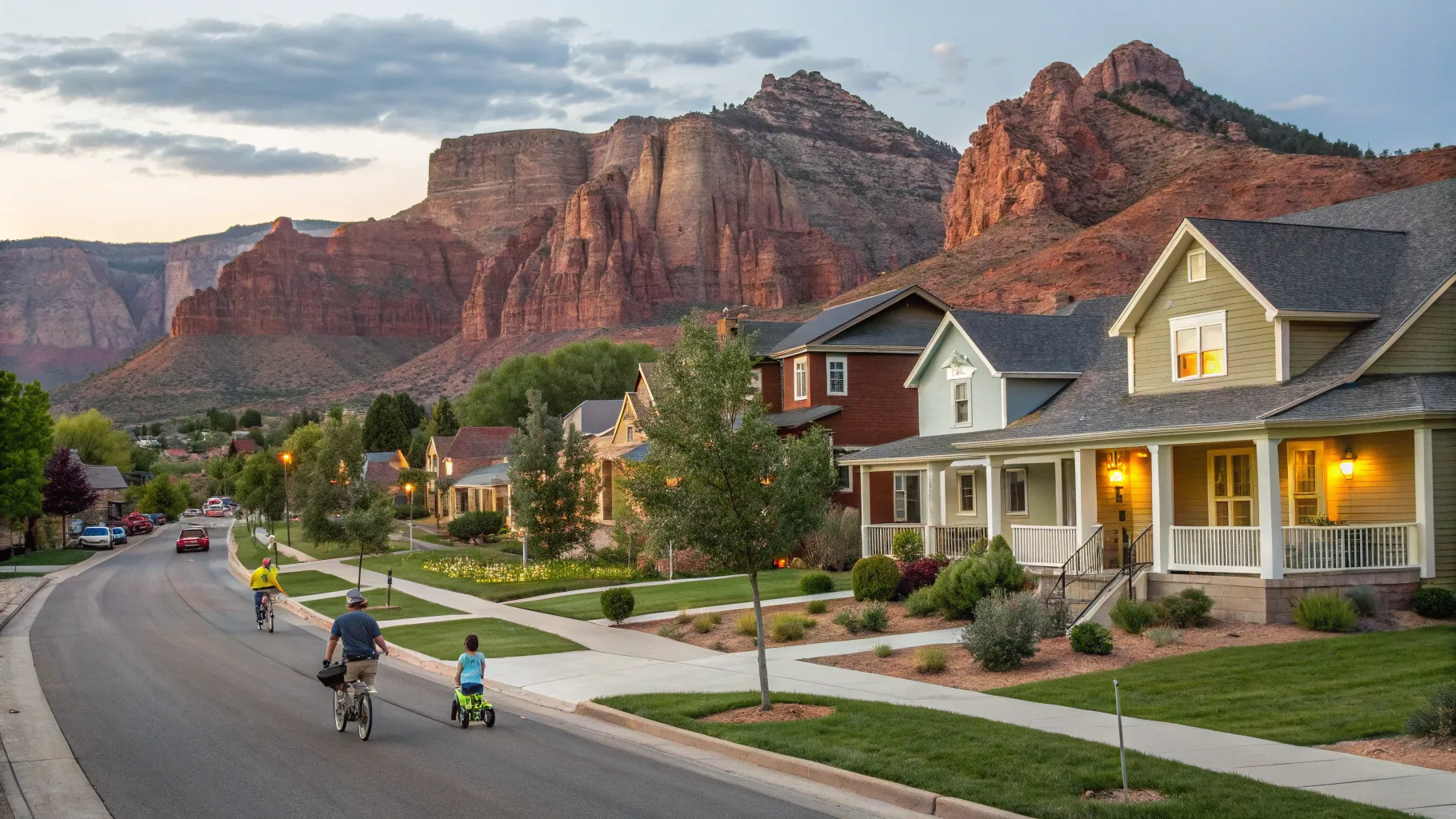
Utah pairs dramatic landscapes with lively towns and strong real estate markets, creating opportunities for buyers, sellers and investors who value lifestyle as much as location. With five national parks, over 40 state parks, world-class ski resorts and unique geological features—from expansive salt flats to towering red-rock amphitheaters—Utah offers both memorable recreation and distinct neighborhood identities. This guide outlines the top things to do across the state while exploring how these destinations shape local housing demand, neighborhood character and investment potential. For property searches and market listings referenced throughout, visit .
Overview: Why attractions matter for real estate
Outdoor amenities and cultural destinations strongly influence property values and buyer demand. Proximity to national parks, ski resorts and recreational hubs creates year-round demand from second-home buyers, vacation-rental investors and lifestyle-oriented families. Conversely, towns farther from major attractions may offer more affordable housing and stronger long-term appreciation for commuters or remote workers. When evaluating a Utah property, life-stage priorities—school access, commuting time, access to trails or slopes—intersect with seasonal tourism patterns that affect short-term rental potential, resale velocity and municipal infrastructure investments.
Top 10 things to do in Utah (with real estate context)
10. Arches National Park — Moab and nearby housing dynamics
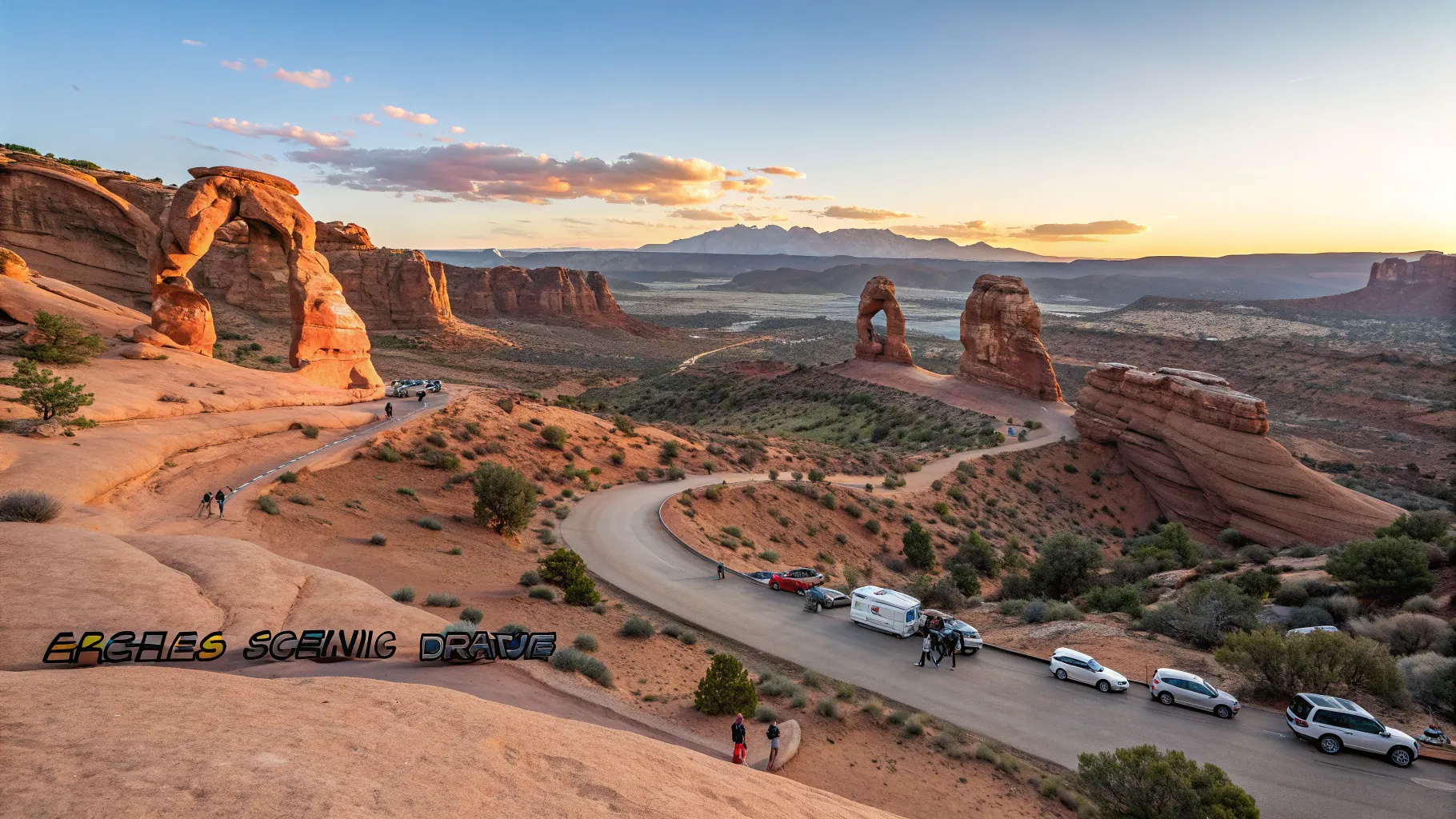
Soaring sandstone arches and sculpted fins make Arches National Park one of Utah’s most recognizable destinations. The park’s paved Arches Scenic Drive (about 18 miles) provides easy access to major viewpoints such as Balanced Rock and the Windows Section, while trails like Delicate Arch and Double Arch reward hikers who explore on foot. Less-trafficked hikes—Navajo Arch (3-mile round trip) and Rich Arch (3.5 miles round trip)—deliver quieter experiences for families and visitors seeking solitude.
Real estate context: Moab functions as the gateway community for Arches and Canyonlands, and its housing market reflects strong demand from outdoor enthusiasts, seasonal visitors and those employed in recreation, hospitality and guide services. Buyers considering Moab should weigh the prevalence of short-term rental activity, seasonal fluctuations in occupancy, and local zoning rules that affect vacation-rental operations. Proximity to park entrances raises property desirability, but also drives higher prices and tourism-driven infrastructure needs.
9. Canyonlands National Park — three districts, three market impacts
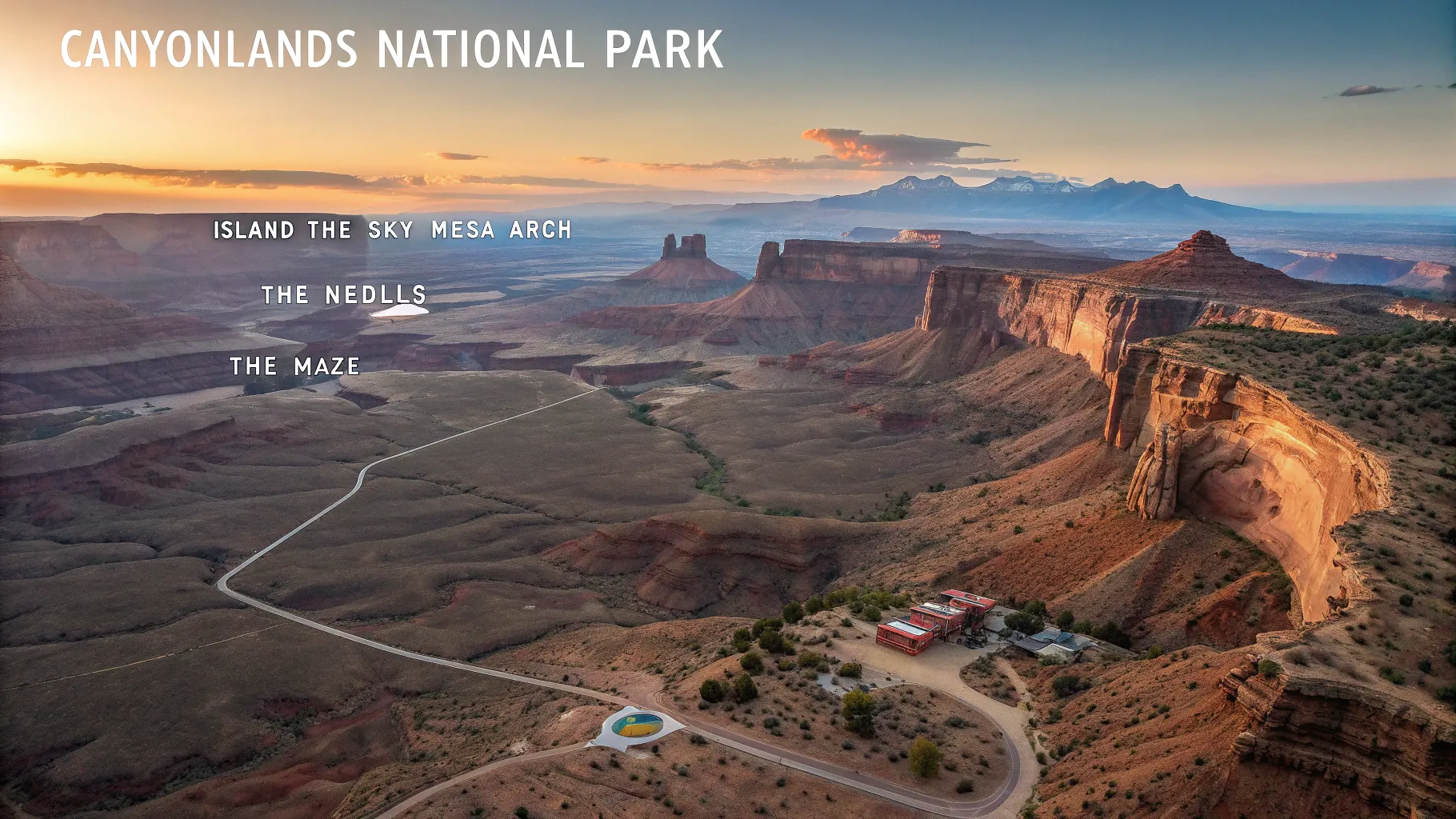
Canyonlands is split into distinct districts—Island in the Sky, The Needles and The Maze—each offering different access levels and experiences. Island in the Sky is most visitor-friendly with scenic pullouts (Mesa Arch, Aztec Butte) and relatively accessible trails. The Needles delivers a more technical hiking experience along Route 211, and The Maze remains remote and suited only for experienced, self-sufficient travelers.
Real estate context: demand in surrounding communities like Moab and remote ranch lands near Canyonlands tends toward buyers seeking privacy, recreation access and sometimes off-grid living. Investment opportunities can include outfitting properties for guided tours, ATV/jeep rental partnerships or river-rafting packages along the Green and Colorado Rivers. Property buyers should factor in road quality, emergency services availability and limitations on new construction in sensitive park-border zones.
8. Bryce Canyon National Park — scenic rims and neighborhood appeal
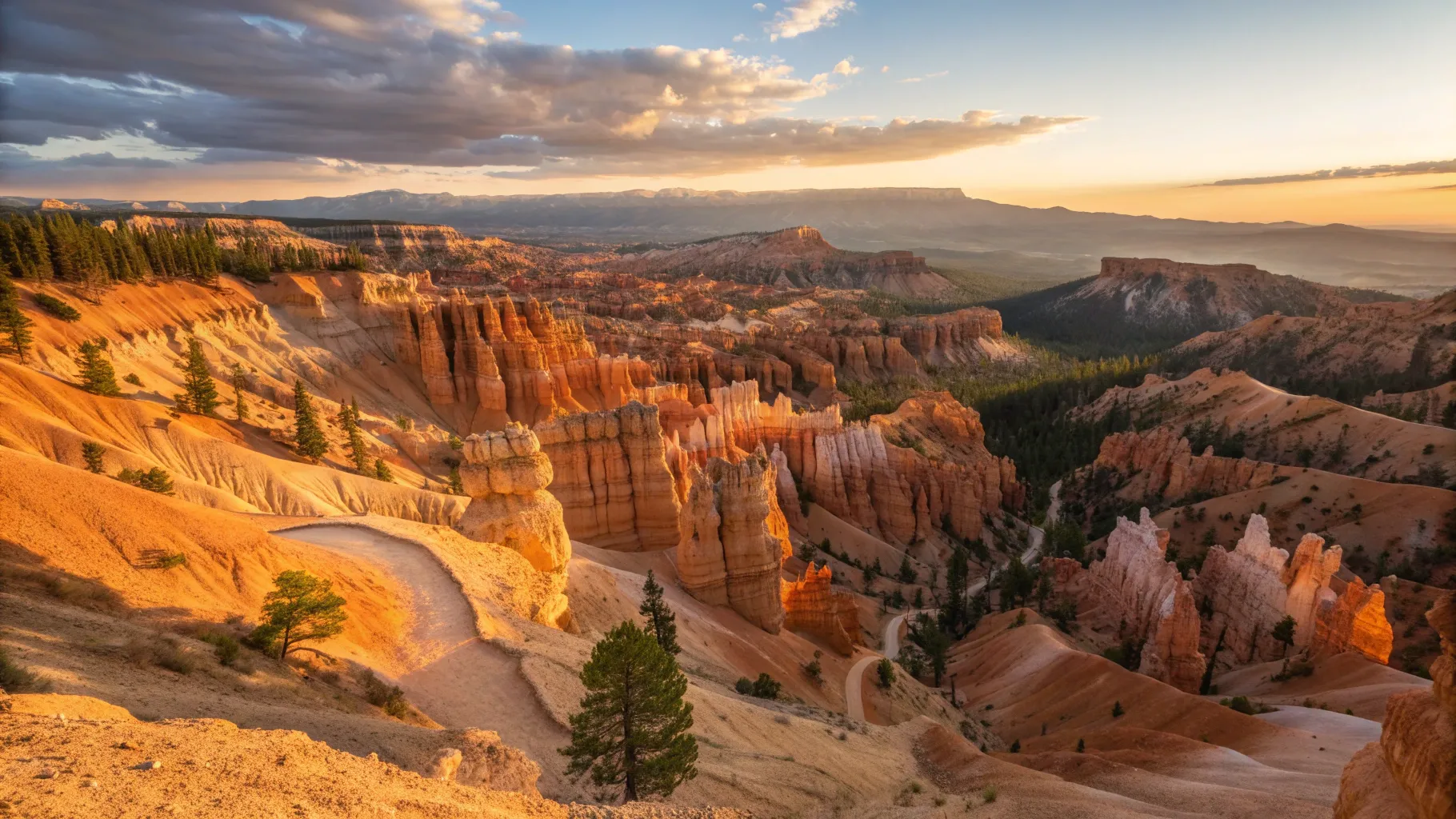
Bryce Canyon’s amphitheater of hoodoos—delicate pillars carved by frost and erosion—creates an otherworldly landscape. Highlights include Sunset Point and Sunrise Point, and the Queen’s Garden–Navajo Loop (≈3 miles) which offers a compact yet dramatic hike. Longer routes such as the 8-mile Fairyland Loop present deeper exploration for experienced hikers.
Real estate context: nearby towns like Panguitch, Tropic and Cannonville provide more affordable housing than national-park-adjacent properties. Buyers seeking income properties should research visitor seasonality—summer months and holiday windows drive peak occupancy—and understand park access improvements or restrictions that could affect visitation trends. Communities along Scenic Byway 12, which links Bryce to Capitol Reef, often attract buyers valuing scenic drives and a slower pace of life.
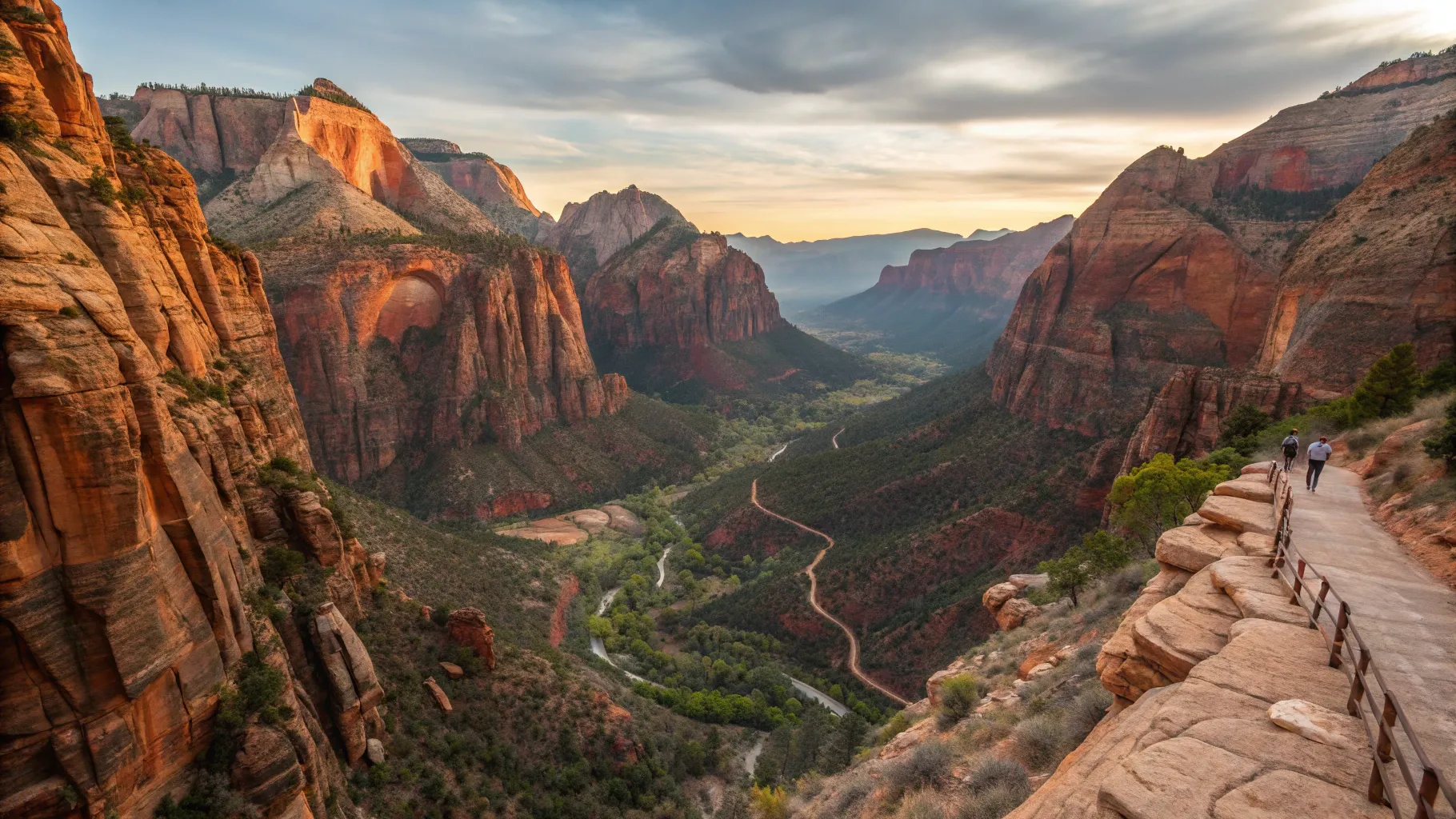
7. Zion National Park — canyoneering, iconic hikes and suburban spillover
Zion Canyon, measuring roughly 15 miles long and 3,000 feet deep, is a playground for hikers and canyoneers. Angel’s Landing remains the park’s headline hike: a strenuous 5-mile round trip with steep drop-offs and rewarding summit views, while less-exposed trails such as the Watchman Trail, Pa’rus Trail and Middle Emerald Pools suit families and moderate hikers. Scenic drives along US‑9 reveal canyon walls from below and provide multiple pullouts for photography and picnic stops.
Real estate context: St. George and Springdale serve different buyer types. Springdale functions as the immediate resort town with lodging, restaurants and vacation-rental inventory concentrated near the park gate. St. George, 30–45 minutes away, offers suburban conveniences, shopping and more diverse housing stock, making it attractive for year-round residents and commuters. Investors should evaluate shuttle systems, park shuttle capacity during peak season and local ordinances governing short-term rentals.
6. Bonneville Salt Flats — unique recreation and seasonal considerations
The Bonneville Salt Flats, approximately 100 miles west of Salt Lake City, present 30,000 acres of shimmering white crust formed by the remnants of ancient Lake Bonneville. The flats are famous for land-speed racing (Bonneville Speedway), and for photography, film shoots and wide-open vehicle access when conditions are dry.
Real estate context: residential pockets nearest to the flats (e.g., Wendover) tend to be smaller markets with lower price points and economies tied to tourism and gaming. Buyers attracted to the flats typically prioritize solitude, access to open land or specialized commercial opportunities (race-event hosting, film logistics). Caution is advised in winter months or after rain when the flats become unsafe for vehicle access.
5. Salt Lake City — urban amenities, culture and regional market hub
As the state capital and the cultural center for much of Utah, Salt Lake City blends urban amenities—museums, a growing food-and-brewery scene, university institutions and professional services—with rapid access to outdoor recreation. Temple Square anchors historic and religious tourism, while the Natural History Museum of Utah and the Utah Museum of Fine Arts provide year-round cultural programming. Nearby Red Butte Garden and the University of Utah campus add to neighborhood livability.
Real estate context: Salt Lake City’s market presents diverse options—from downtown condos to suburban single-family homes—serving professionals, university staff and families. Average pricing trends and inventory levels vary by neighborhood; transit-oriented locations near TRAX and FrontRunner stations see higher demand from commuters. Investors should monitor vacancy rates and local permitting policies, especially in neighborhoods experiencing densification or infill development.
4. Lake Powell — waterfront lifestyle and houseboat economies
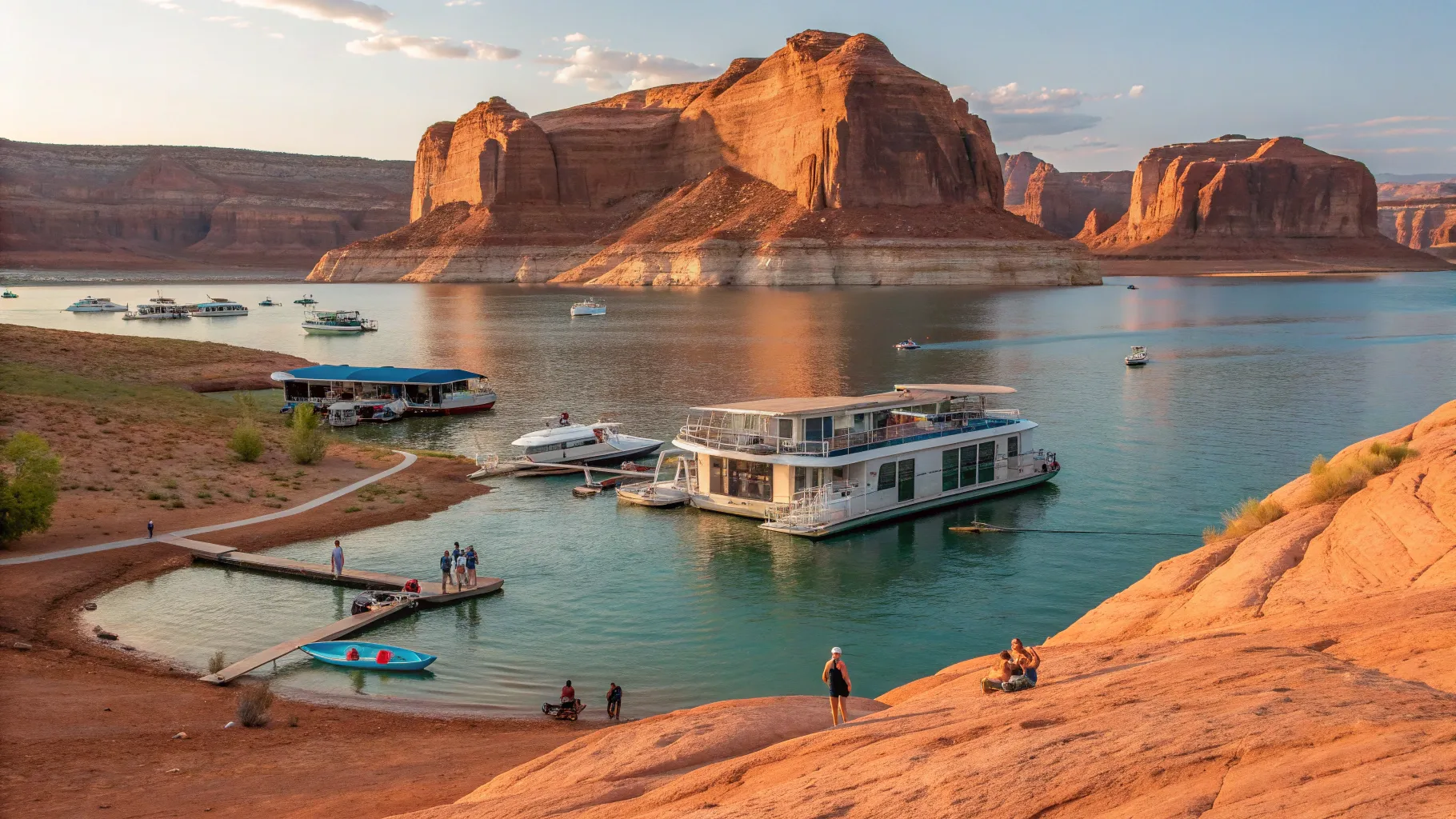
Lake Powell spans the Utah–Arizona border and offers boating, kayaking, paddleboarding and shoreline hiking within a dramatic red-rock canvas. Houseboat rentals are a signature experience—many come with kitchens, grills and water slides—providing a live-aboard vacation option that favors groups and multi-generational families.
Real estate context: communities near Lake Powell have lodging and rental inventory catering to summer tourism. Second-home buyers often weigh the benefits of boat-accessible properties, proximity to marinas and the logistics of seasonal occupancy. Property management businesses that handle housekeeping, boat maintenance and guest turnover are common value-add services in this market.
3. Capitol Reef National Park — low-traffic exploration and scenic drives
Capitol Reef offers expansive geology with fewer crowds than Utah’s more famous parks. The main scenic drive (about eight miles) showcases formations like the Waterpocket Fold and Moenkopi Formation; Cathedral Valley Loop (nearly 60 miles) delivers remote cathedral-like sandstone structures such as Temple of the Sun. Popular hikes include Hickman Bridge and Cassidy Arch, and the Fruita Historic District adds cultural depth with orchards, a restored schoolhouse and pioneer-era sites.
Real estate context: the park’s quieter reputation attracts buyers seeking slower tourism rhythms and properties with rural character. Communities along Scenic Byway 12—an often-cited scenic corridor connecting Capitol Reef and Bryce—see rising interest from buyers looking for scenic access without the price premium of more crowded towns. Agricultural heritage in Fruita means water rights and irrigation infrastructure are relevant considerations for rural property buyers.
2. Downtown Moab — a small-town hub with big recreation options
Moab rivals its parks in appeal. Beyond serving as a gateway to Arches and Canyonlands, downtown Moab hosts cafes, food trucks, breweries, galleries and outfitters for rafting, horseback riding, rock climbing and ATV tours. Dead Horse Point State Park and Colorado River access points enhance Moab’s attractiveness for both day-trippers and long-stay visitors. Nighttime stargazing remains a notable draw.
Real estate context: Moab remains a market with high vacation-rental penetration and seasonal pricing variability. Buyers should assess local regulations for rentals, road access for large vehicles (RVs, trailers), and maintenance needs for properties exposed to high UV and abrasive desert conditions. Commercial opportunities exist for companies offering guided services and equipment rentals targeted at the region’s active visitor base.
1. Park City — world-class skiing and high-end market dynamics
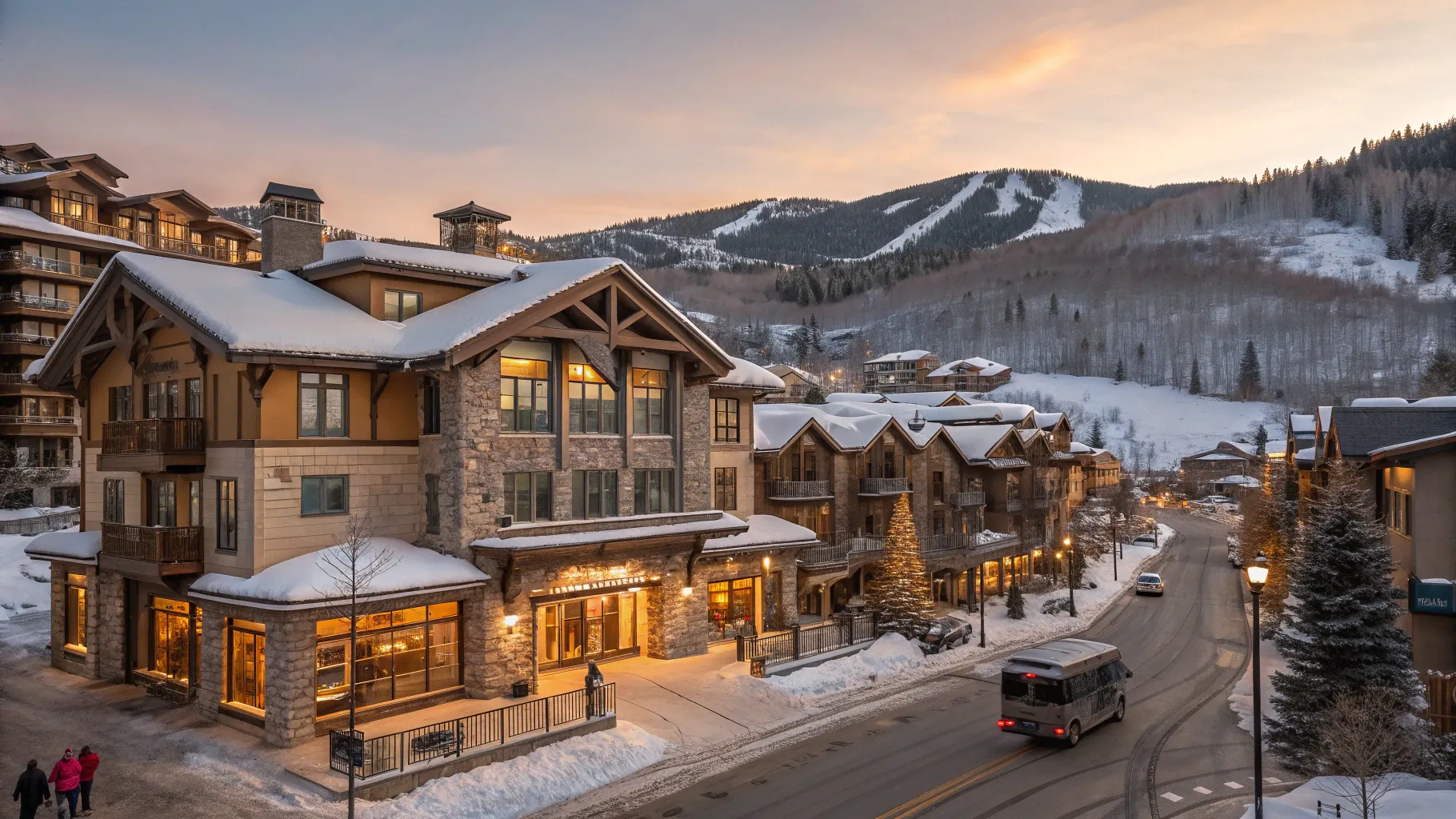
Park City stands out as a premier mountain town with two major resorts: Park City Mountain Resort (one of the largest ski resorts in the U.S., with 330+ trails across 7,300+ acres) and Deer Valley Resort (known for skier-focused amenities and longer runs). Annual average snowfall around 355 inches supports a long season (November–April). The historic downtown delivers boutiques, dining and cultural programming, while free shuttle services reduce dependence on cars within the resort area.
Real estate context: Park City’s market ranks among the state’s priciest. Average listing prices reflect high demand from second-home buyers, luxury-amenity seekers and international buyers. Deer Valley’s ban on snowboarding shapes its market positioning toward traditional skiers and premium-service experiences. Investors should analyze occupancy metrics, HOA policies, lift-access properties vs. walkable downtown condos, and tax implications for short-term rentals. Local price data show Park City’s average listing prices commanding a multi-million-dollar premium compared to statewide medians.
How attractions affect neighborhood selection: a practical framework
When choosing a neighborhood in Utah, aligning personal priorities with the neighborhood’s primary draw is essential. The following step-by-step framework helps buyers translate recreation preferences into real estate decisions.
- Define lifestyle priorities: identify whether access to skiing, national parks, water recreation, or urban services matters most.
- Rank proximity vs. price: determine acceptable commute times to preferred attractions; closer properties command premiums.
- Consider seasonality: evaluate how high and low tourism seasons will affect noise, traffic and potential rental income.
- Research local regulations: examine zoning and short-term rental rules; some towns limit vacation rentals or enforce licensing.
- Factor in maintenance needs: anticipate roof snow load, desert dust, irrigation systems and access roads for remote properties.
Applying this framework helps buyers prioritize neighborhoods that match recreation patterns—weekday access for locals, short-term rental capacity for investors, or privacy and acreage for rural buyers.
Home improvement tips tailored to Utah homes
Utah’s diverse climates—from alpine snow to desert heat—require targeted maintenance strategies that enhance durability, ROI and resale readiness. Key recommendations include:
- Roofing and snow-shedding: in mountain communities, verify roof pitch and snow guards; heavy snow seasons increase risk of ice dams and require professional inspection.
- Energy efficiency and HVAC: high-altitude cold and valley inversions both affect heating needs; upgrading insulation and installing efficient furnaces or heat pumps improves year-round comfort and lowers utility bills.
- Water management & landscaping: drought-tolerant xeriscaping reduces irrigation costs and aligns with local water conservation policies. For agricultural or rural parcels, confirm water rights and irrigation easements before purchase.
- Exterior materials: in red-rock and desert zones, UV-resistant paints and stucco products reduce weathering; in canyon areas, dust mitigation measures help maintain exterior finishes.
- Short-term rental readiness: choose durable flooring, lockboxes, clear guest instructions and local property managers to streamline turnover if renting to visitors.
Investment strategies for Utah real estate
Investment approaches vary by target market: Park City favors long-term appreciation and luxury rentals; Moab and lakeside properties support seasonal, short-term rentals; Salt Lake City suits long-term rentals and workforce housing. A pragmatic set of strategies includes:
- Value-add renovation: update kitchens and bathrooms to increase rental rates and resale value—especially effective in resort-adjacent condos and downtown properties.
- Seasonal diversification: combine short-term rental months with off-season long-term leases (where allowed) to smooth cash flow.
- Land and development: in rural corridors, acquire parcels with access to utilities and explore subdividing potential, while ensuring compliance with county regulations and water-right considerations.
- Operational partnerships: collaborate with local outdoor-service providers (guides, outfitters, marinas) to add guest experiences and market enhancements that justify premium rates.
Neighborhood and city highlights for different audiences
Audience-specific picks help narrow choices based on life stage and priorities.
- Families: neighborhoods near top-rated schools, parks and family-friendly trails—suburbs of Salt Lake City, communities around St. George and Heber Valley—offer strong school options and community amenities.
- Young professionals: downtown Salt Lake, Sugar House and transit-accessible neighborhoods provide walkable dining, nightlife and shorter commutes to major employers.
- Retirees: quiet communities such as parts of St. George, Cedar City and small towns by lakes and parks offer access to nature, medical services and slower paces of life.
- Investors: resort towns (Park City, Deer Valley), lakeside areas near Lake Powell and gateway communities like Moab present vacation-rental upside—but investors must account for regulation and seasonal volatility.
Practical travel-planning steps that support home-buying decisions
For buyers combining a property search with recreation, the following sequence helps maximize time and assessment quality:
- Pre-trip research: prioritize top attractions and neighborhoods, identify open houses, and schedule meetings with local brokers or property managers.
- Cluster visits: group property viewings geographically to evaluate commute times to the preferred park or resort and to compare neighborhood character within the same day.
- Assess infrastructure: check cell service, road conditions (especially in winter), and proximity to emergency services—critical for rural and high-altitude properties.
- Experience off-peak: visit during shoulder seasons to evaluate year-round livability and to observe local businesses beyond peak tourist months.
- Document and compare: take photos, note maintenance items, and compare HOA or county restrictions before making offers.
Data sources and regulatory attention
When evaluating Utah markets, authoritative resources strengthen decision-making. Municipal and state portals provide planning codes and water-rights data; national Realtor organizations publish market forecasts and inventory metrics. Examples of reputable resources include utah.gov and nar.realtor for statewide policy and market overviews. Local county recorder offices and planning departments provide parcel-level easement and permitting histories—essential for rural or historic properties.
Story example: lifestyle purchase in Park City
When the Smiths moved to Park City, they discovered more than just a new home—they found a lifestyle rooted in nature and community. Their purchase prioritized walkable access to the historic Main Street, proximity to a ski shuttle and a yard suited for low-maintenance landscaping. During the first winter, local shuttle access and proximity to the resort minimized the need for a second car; in summer, trails and festivals provided weekly outdoor options. On resale, the property’s combination of ski-access convenience and quality updates contributed to strong market interest among both second-home buyers and families seeking a seasonal lifestyle.
Permitting and short-term renting: a checklist
Before listing a property as a short-term rental or buying with rental income in mind, review this checklist:
- Local licensing and business registration requirements
- HOA covenants and restrictions
- Transient occupancy taxes and remittance procedures
- Insurance coverage gaps for short-term rentals and commercial activities
- Safety compliance: smoke detectors, egress, and required inspections
Conclusion: match purpose with place
Utah’s natural attractions define more than itineraries—they inform neighborhood identities, investment yields and household lifestyles. From the salt flats and red-rock amphitheaters to alpine resorts and urban cultural centers, each destination supports distinct housing demand and lifestyle expectations. Buyers and investors who align recreation priorities with regulatory realities, seasonal patterns and maintenance needs position themselves for better outcomes. For updated listings and market-specific insights, consult and local municipal resources prior to making an offer.
Frequently Asked Questions
How do Utah’s national parks influence nearby property values?
Proximity to national parks typically increases demand for short-term rentals, second homes and lifestyle properties, which in turn elevates local prices. Parks also attract infrastructure improvements and commercial services that enhance neighborhood appeal. However, zoning and tourism management policies can limit development and affect long-term appreciation differently across regions.
Is Park City a good investment for rental income?
Park City can be a strong investment for both appreciation and rental income due to its year-round recreational draw (skiing in winter, festivals in summer). Investment performance depends on location (ski-in/ski-out and downtown properties command premiums), HOA rules, and local short-term rental regulations. Comprehensive cost analysis—including management fees, taxes and seasonal occupancy variability—should be completed before purchase.
What are the key maintenance concerns for desert vs. mountain properties?
Desert properties need UV-resistant exterior materials, dust mitigation and water-efficient landscaping, while mountain homes require attention to roof strength, snow load, insulation and freeze-thaw effects. Both settings benefit from routine HVAC servicing, but water systems and septic considerations are more pronounced in rural and high-desert parcels.
Are there regulatory restrictions on short-term rentals near national parks?
Regulations vary widely by county and municipality. Some gateway towns permit short-term rentals with licensing and tax remittance; others impose occupancy caps or restrict commercial use within residential zones. Prospective investors must consult local ordinances and HOA documents to determine legal use and compliance costs.
Which Utah towns are best for families seeking outdoor access and good schools?
Suburban communities in the Wasatch Front (around Salt Lake City), Heber Valley and parts of St. George balance outdoor access with family-oriented amenities and school options. Each community presents different trade-offs—commute times, housing costs and recreational proximity—that families should weigh against school-district performance and local services.
Keep reading
More from the blog
Gas Line Installation: What Homeowners Need to Know First
Roof Timeline Guide for Buying an Older Utah Home
How to Choose Windows for a Utah Home With a Mountain View