
If you're struggling to sell your house, updating this room is probably the best thing you can do
The way buyers evaluate a home has shifted considerably over the last few years. Somewhere along the way, the American home stopped being just a place to sleep and became the place where everything happens.
The way buyers evaluate a home has shifted considerably over the last few years. Somewhere along the way, the American home stopped being just a place to sleep and became the place where everything happens. Work, entertainment, socializing, exercise... all of it competes for space within the same walls. Buyers have started responding to homes that push back against this.
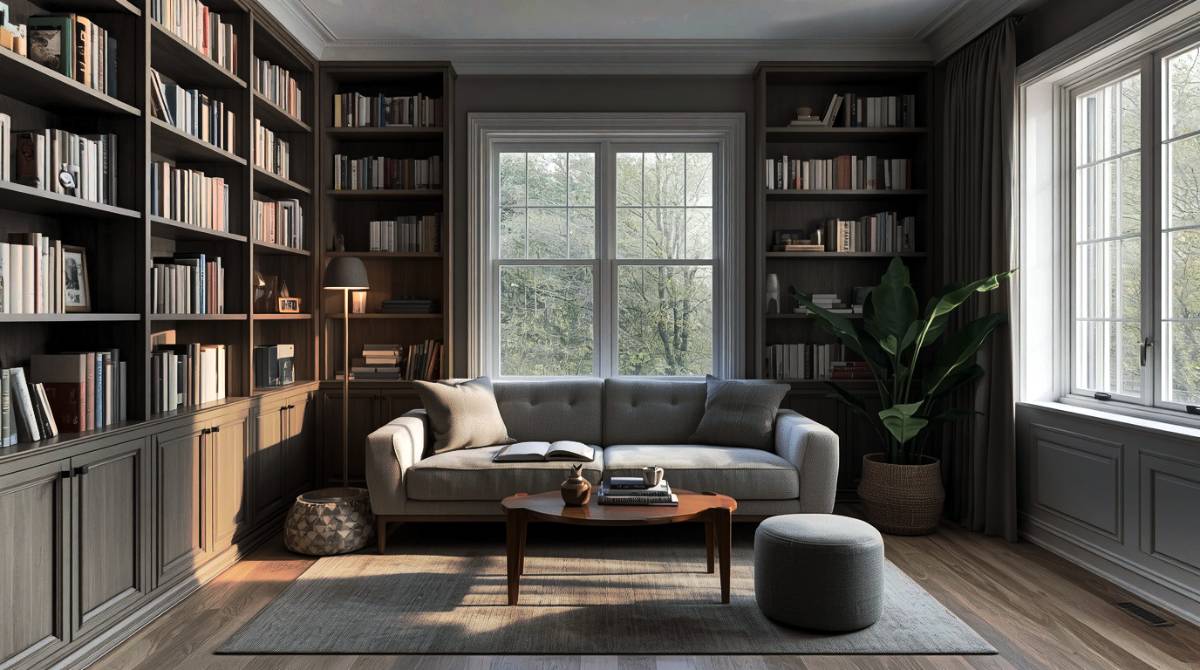
The reading nook has emerged as one of the most requested features among buyers, according to recent surveys on residential buyer preferences; a trend well reflected in Utah's competitive real estate market. A Poliform Brera Sofa positioned near a window, with a slim wooden side table alongside it and a reading lamp with a warm bulb angled over the cushions, all contribute to creating a space that helps people slow down: a simple composition that creates a relaxed, quiet area in the house.
The Corner That Makes Buyers Stop in Their Tracks
There's a certain difference between a reading corner that exists and one that registers. The first is just a chair near a bookshelf. The second is a defined zone: visually distinct, purposefully composed, with a coherent identity within the broader room. That distinction matters both for daily life and for how a home presents on the market.
Americans have always had a particular relationship with home improvement: from weekend projects at the hardware store to entire cable channels dedicated to renovation and staging. In Utah's competitive housing market, where inventory has tightened, and buyers arrive with specific expectations, staging can meaningfully influence time on market and final sale price. Open-plan layouts require deliberate effort to create defined zones without walls, furniture placement, rugs, and lighting carry the spatial logic. A reading nook succeeds when it feels set apart without being separated. Buyers who encounter a corner like this often pause. That pause is worth something.
Why Utah Homes Have a Natural Advantage Here
Natural light is the most effective starting point. A position near a window creates an atmosphere suited to reading and concentration. Orient the seating to receive light from the side, not directly against the window, because backlight makes the corner feel harsh rather than inviting. In Utah, where the state averages over 300 days of sunshine a year, the challenge is more often managing intensity than compensating for absence.
In the evening, a single well-directed floor lamp like the Cattelan Italia Stealth sustains the mood. The goal is directional warmth; light that reaches the page without flooding the corner. Neutral tones in textured materials hold the space together without competing for attention.
Too Tall, Too Deep, Too Casual: How to Get the Reading Nook Seating Right
Seating makes or breaks a real reading nook. A chair that's too tall dominates the corner. A sofa that's too deep or too casual loses the sense of intention. What works best is a defined structure paired with enough comfort for long sessions, the kind of seat you'd sink into on a Sunday morning with no particular schedule to keep. A sofa like the Baxter Eileen, with its low profile and modular logic, settles into a corner rather than imposing on it.
The Hardest Part of Designing an American Reading Corner? Restraint
Americans tend to over-accessorize: it is a cultural habit born from a retail environment that encourages layering and filling. A reading nook benefits from resisting that instinct. A side table at the right height is often all that's needed alongside the sofa. The Henge Mushroom Table works precisely because its form is compact and its presence undemanding. A low shelf on the adjacent wall adds function and grounding. Every addition should feel necessary: not decorative, not aspirational, just useful.
Still On the Market? This Might Be the Reading Nook Buyers Are Missing
Utah households tend to be larger than the national average, and with more people sharing the same space, a corner that belongs to one person at a time becomes genuinely practical. The idea of a space dedicated to one unhurried activity resonates in a culture that moves fast and schedules everything. A reading nook offers the opposite: no screen, no notification, no obligation. In a market where listings compete on features, finishes, and price, homes that communicate something about how life might feel inside them leave a stronger impression. And that impression, in real estate, is often what the decision comes down to
Keep reading
More from the blog

Gas Line Installation: What Homeowners Need to Know First

Roof Timeline Guide for Buying an Older Utah Home

How to Choose Windows for a Utah Home With a Mountain View