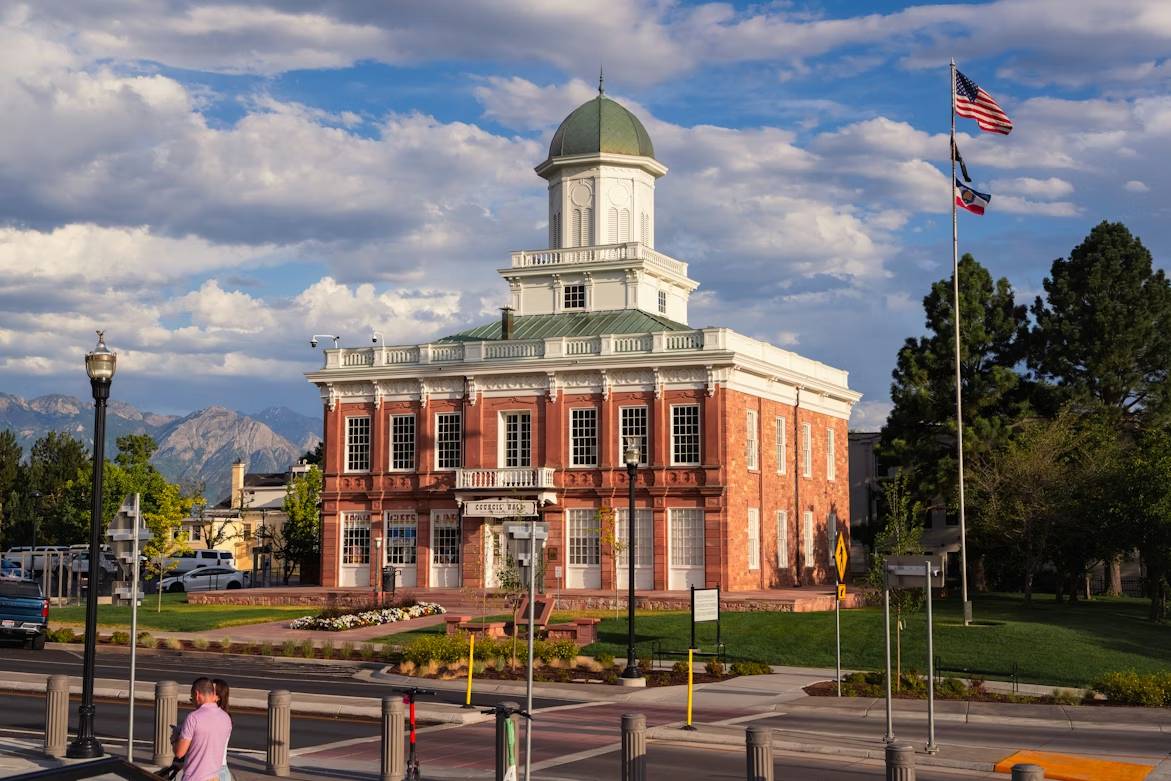
Restoring Utah’s Historic Homes: A Guide to Authentic Masonry
Utah’s historic homes carry a distinct architectural character shaped by regional stone, early craftsmanship, and centuries of environmental exposur
Utah’s historic homes carry a distinct architectural character shaped by regional stone, early craftsmanship, and centuries of environmental exposure.
From Salt Lake City’s Victorian-era neighborhoods to smaller pioneer settlements, masonry plays a defining role in preserving the identity of these structures.
Restoring them requires more than surface-level repair; it demands an understanding of original materials, traditional construction methods, and the cultural value embedded in each stone and brick.
Understanding Utah’s Historic Masonry
Historic masonry in Utah reflects a blend of pioneer practicality and imported European influence. Early settlers used locally sourced sandstone, limestone, and fired brick, often shaped by hand or produced in small regional kilns.
These structures have weathered natural erosion, seismic activity, and previous restoration attempts that may not have followed original methods.
Understanding this background is important before beginning any restoration project. Each building tells a story through its masonry, and preserving that story requires careful study of its original construction techniques.
Choosing Materials and Working with Suppliers
Selecting appropriate materials is one of the most important steps in any restoration project. Using incompatible stone or mortar can compromise the entire structure, even if repairs appear successful in the short term.
Careful sourcing guarantees that replacement materials match the original in texture, density, and color.
In many cases, specialized suppliers provide historically accurate stone and masonry components designed for restoration work. Whether you work with Chief Bricks granite steps treads and pattern pavers or a different supplier, the priority should always be material authenticity and long-term compatibility with existing structures. Selecting reliable suppliers helps guarantee consistency across different phases of restoration work.
Verifying material samples on-site can prevent mismatches once installation begins. Documentation of original construction details is often used to guide accurate replacements and repairs.
Common Materials Found in Utah Historic Homes
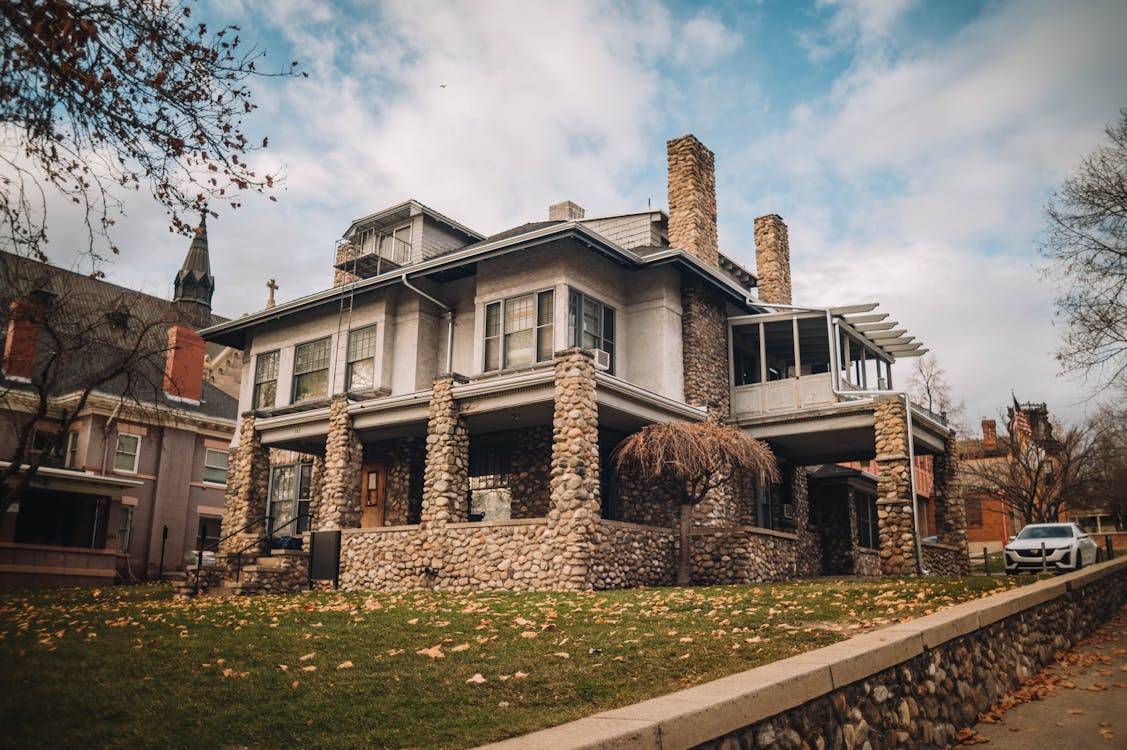
Many historic homes in Utah feature masonry built from locally available stone such as sandstone and limestone, along with early clay bricks. Mortar used in older structures was typically lime-based rather than modern Portland cement, allowing for flexibility and breathability.
This distinction is critical. Modern cement-based materials can trap water within old masonry, leading to cracking, spalling, and long-term deterioration. Restoring these homes correctly means identifying original materials and replicating their properties as closely as possible.
In addition to walls and foundations, decorative masonry elements like chimneys, arches, and lintels often showcase craftsmanship that is difficult to replicate today. Preserving these details is a key part of maintaining historical authenticity.
Principles of Authentic Masonry Restoration
Authentic restoration focuses on repair rather than replacement. The goal is to preserve as much original material as possible and guarantee structural safety. This often involves cleaning, repointing mortar joints, and carefully replacing only severely damaged sections.
Compatibility is another core principle. New materials must match the physical and chemical properties of the original masonry to avoid long-term damage. Using lime mortar instead of modern cement allows the structure to move naturally without cracking.
Visual consistency matters. Restored sections should blend seamlessly with existing masonry without erasing the evidence of age and history. The aim is not to make a historic home look new, but to stabilize and preserve its original character.
Traditional Techniques in Masonry Restoration
Restoring historic masonry requires techniques that differ significantly from modern construction. One of the most important is repointing, which involves removing deteriorated mortar and replacing it with a compatible lime-based mix.
Stone repair often involves careful patching rather than full replacement. Craftsmen may use hand tools to shape replacement stone so it aligns with original patterns and finishes.
In cases where stones are too damaged, full replacement may be necessary, but only after detailed documentation of the original piece.
Cleaning is another sensitive process. Abrasive methods like sandblasting are avoided since they can permanently damage the stone surface. Instead, gentler techniques such as low-pressure washing or steam cleaning are preferred.
Preservation Standards and Local Regulations in Utah
Historic homes in Utah are often protected under local or national preservation guidelines. Before beginning restoration, property owners may need approval from preservation boards or city planning departments if the structure is listed on a historic register.
These guidelines typically require that restoration work maintain historical integrity. This means using period-appropriate materials, avoiding irreversible alterations, and documenting any changes made to the structure.
Working within these regulations guarantees that the historical value of the property is preserved physically and legally. It helps maintain the cultural heritage of Utah’s historic neighborhoods.
Care and Maintenance of Restored Masonry
Once restoration is complete, ongoing maintenance is critical to preserving the results. Regular inspections can help identify early signs of water damage, mortar erosion, or stone movement.
Proper drainage around the building is particularly important in Utah’s climate, where freeze-thaw cycles can accelerate masonry deterioration. Keeping gutters clear and ensuring water is directed away from foundations can significantly extend the life of restored materials.
Small repairs should be addressed quickly before they develop into larger structural issues. With consistent care, restored historic masonry can remain stable and visually authentic for generations.
Restoring Utah’s historic homes is a careful balance between preservation and repair. Authentic masonry work respects the original craftsmanship and guarantees the structure remains safe and functional.
Keep reading
More from the blog

Gas Line Installation: What Homeowners Need to Know First
Roof Timeline Guide for Buying an Older Utah Home
How to Choose Windows for a Utah Home With a Mountain View