The Hidden Systems That Protect Your Home’s Value Over Time
When people think about what makes a home valuable, they often focus on what they can see, updated kitchens, modern finishes, curb appeal, and location. While these elements certainly matter, they tell only part of the story.
When people think about what makes a home valuable, they often focus on what they can see, updated kitchens, modern finishes, curb appeal, and location. While these elements certainly matter, they tell only part of the story. The true long-term value of a property often depends on what lies beneath the surface: the systems that keep a home functional, safe, and efficient over time.
These hidden systems, plumbing, electrical, HVAC, and structural components, don’t always get the attention they deserve. Yet they play a critical role in determining not just how a home performs, but how it holds its value in the real estate market.
Looking Beyond First Impressions
A beautifully staged home can create a strong first impression, but experienced buyers and real estate professionals know that appearances can be misleading. Cosmetic upgrades are relatively easy to change. Foundational systems, on the other hand, require expertise, time, and often significant investment.
Among these, plumbing stands out as one of the most important, and most overlooked, systems in any home. Water supply lines, drainage systems, and fixtures all work together behind the scenes, and when they fail, the consequences can be both disruptive and expensive.
That’s why homeowners and buyers alike benefit from working with a professional plumbing company that can assess, maintain, and address potential issues before they escalate. Ensuring that these systems are functioning properly not only protects daily comfort but also safeguards the long-term integrity of the property.
The Cost of What You Don’t See
Unlike visible upgrades, problems within hidden systems often develop gradually. A small leak behind a wall, slow drainage, or aging pipes may not seem urgent at first. However, over time, these issues can lead to structural damage, mold growth, and costly repairs.
Deferred maintenance is one of the most common factors that erode property value. When underlying systems are neglected, the cost of bringing them up to standard can become a major concern for potential buyers.
In competitive real estate markets, homes with well-maintained systems tend to stand out, not because buyers can see the difference immediately, but because inspections reveal fewer risks and uncertainties.
Plumbing as a Foundation of Home Health
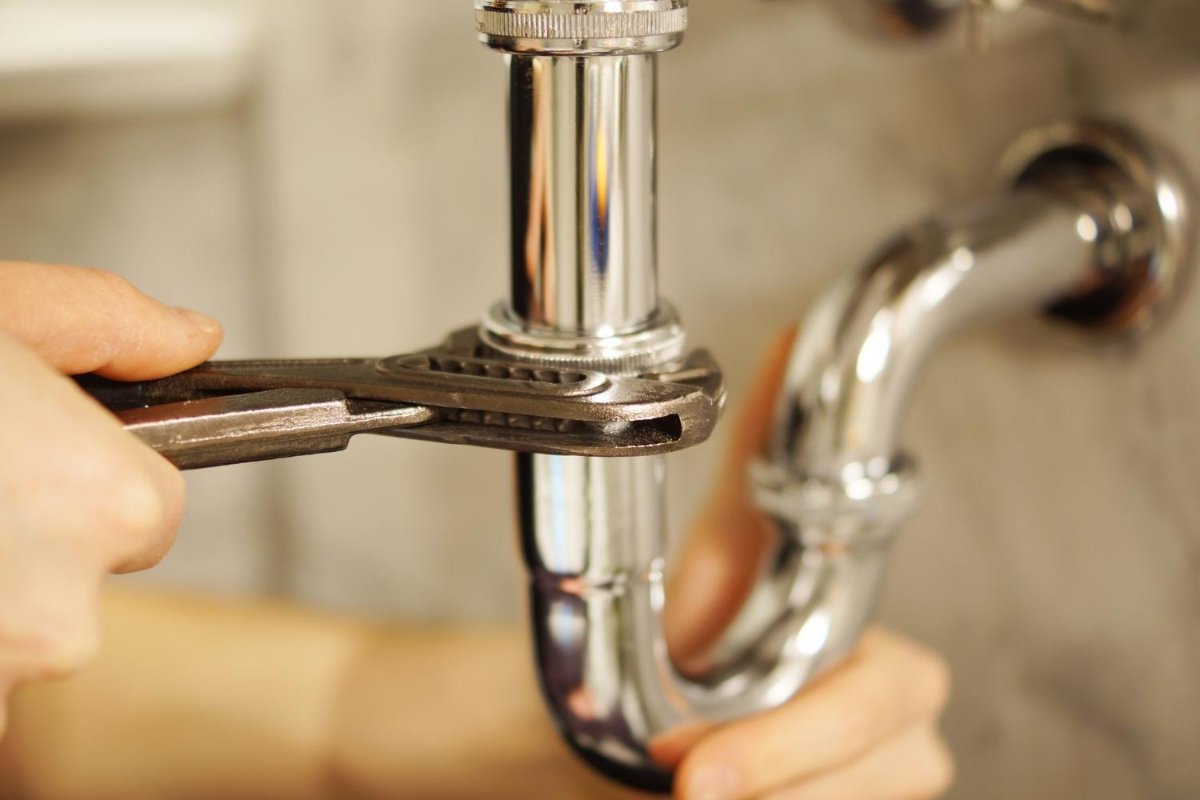
Image by wirestock on Freepik
Water is essential to daily life, but it also has the potential to cause significant damage when not properly managed. Plumbing systems are responsible for delivering clean water and removing waste efficiently, and any disruption in this balance can affect the entire home.
Leaks, pressure issues, and outdated piping can all compromise both comfort and safety. More importantly, they can lead to long-term damage that impacts structural integrity and indoor air quality.
According to the U.S. Environmental Protection Agency, household leaks can waste significant amounts of water annually and contribute to unnecessary strain on both infrastructure and the environment. Addressing these issues early is not only a matter of efficiency, but also of responsible homeownership.
The Role of Inspections in Real Estate Transactions
For buyers, inspections are one of the most critical steps in the purchasing process. While a home may appear move-in ready, inspections often reveal underlying issues that can influence both the final price and the decision to proceed.
Plumbing is a key focus during these evaluations. Signs of past leaks, outdated systems, or improper installations can raise concerns and lead to renegotiations.
Sellers who proactively address these issues before listing their property often benefit from smoother transactions. By ensuring that essential systems are in good condition, they reduce the likelihood of surprises that can delay or complicate a sale.
Maintenance as an Investment, Not an Expense
One of the most common misconceptions about home maintenance is that it is purely a cost. In reality, it is an investment in the longevity and performance of a property.
Regular inspections, timely repairs, and system updates help prevent larger, more expensive problems down the line. They also contribute to a more consistent living experience, where homeowners can rely on their systems to function as expected.
This proactive approach not only reduces stress but also preserves the value of the home over time. Buyers are often willing to pay a premium for properties that demonstrate consistent care and attention to detail.
Balancing Aesthetics and Infrastructure
While it’s natural to focus on visual upgrades, it’s important to balance aesthetics with infrastructure. A newly renovated kitchen may attract attention, but if the plumbing behind it is outdated or poorly maintained, the value of that upgrade can quickly diminish.
Smart homeowners understand that true value comes from a combination of both. Investing in visible improvements while also maintaining core systems creates a more resilient and desirable property.
Long-Term Thinking in Homeownership
Owning a home is not just about enjoying the present, it’s about planning for the future. Systems that are maintained today will continue to support the home for years to come, reducing the risk of unexpected issues and preserving overall value.
This long-term perspective is what separates reactive homeowners from proactive ones. It’s the difference between addressing problems as they arise and preventing them from occurring in the first place.
The Value Beneath the Surface
At the end of the day, a home’s true worth isn’t defined solely by what can be seen. It is built on the reliability of the systems that support everyday life.
By paying attention to these hidden elements, especially critical systems like plumbing, homeowners can protect their investment, improve their living experience, and ensure that their property remains strong in an ever-changing market.
Because in real estate, what’s behind the walls often matters just as much as what’s in front of them.
Keep reading
More from the blog
Gas Line Installation: What Homeowners Need to Know First
Roof Timeline Guide for Buying an Older Utah Home
How to Choose Windows for a Utah Home With a Mountain View