What Is a PID? Public Infrastructure Districts in Southern Utah Explained
What a public infrastructure district (PID) is, how much it adds to Utah property taxes, how long it lasts, and how to check before buying a new home.
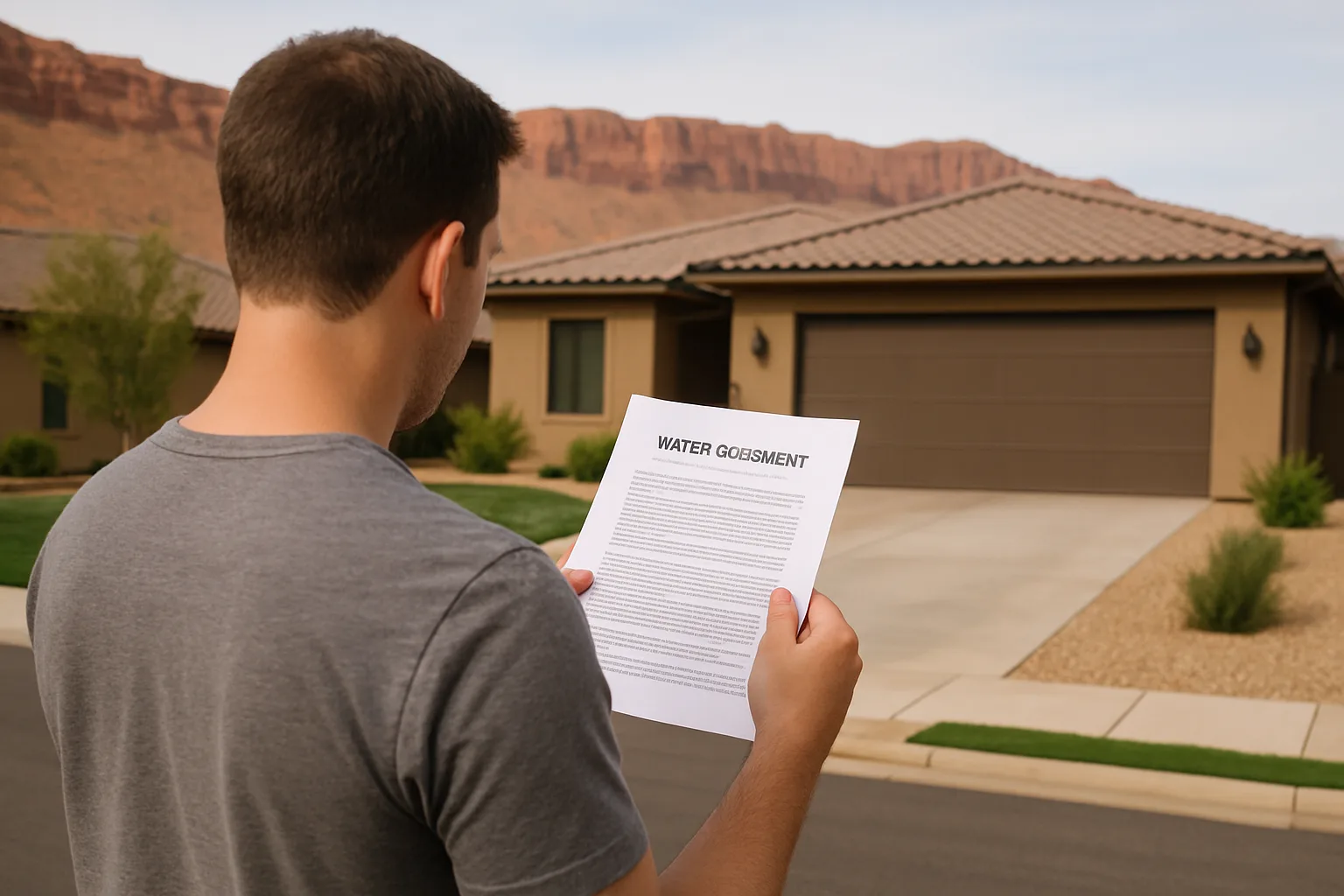
Buyers shopping new construction around Hurricane, St. George and Washington County are seeing a new line on listings and tax estimates: "in a PID." A public infrastructure district adds a separate property tax to homes inside it, often for decades, so it belongs in the budget alongside the mortgage and HOA dues. Here's how PIDs work in Utah, what they cost, and what to ask before buying. To browse new homes, see new construction in Hurricane and St. George.
What a PID Is
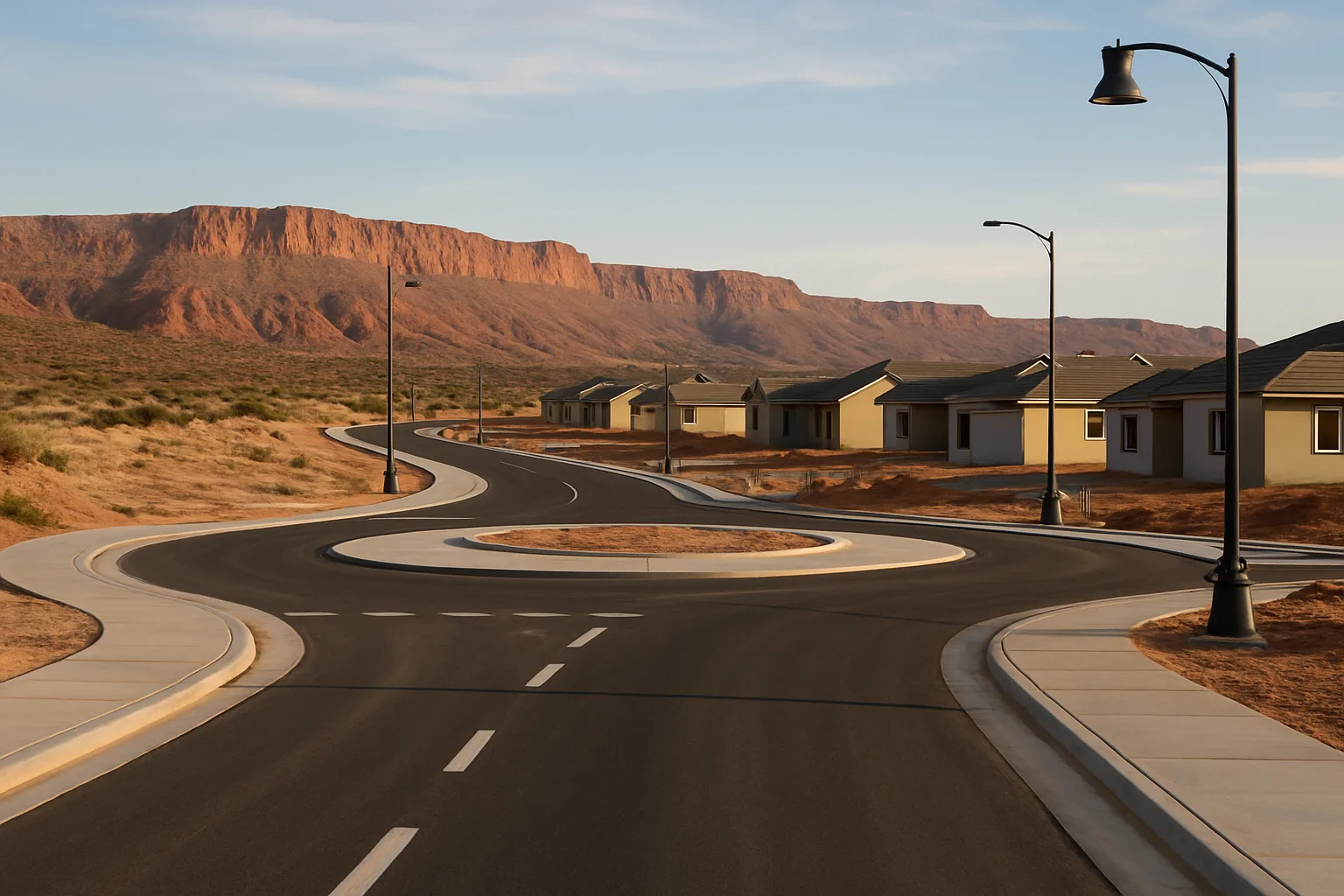
A public infrastructure district is a separate local government entity created under Utah's Public Infrastructure District Act. Developers use PIDs to pay for public improvements a new area needs, such as roads, water and sewer lines, drainage, trails and parks. The district issues bonds to fund that work up front, then repays them through a property tax levied only on homes and land inside the district's boundaries.
That's the key difference from an HOA. An HOA maintains private amenities and is funded by dues; a PID pays for public infrastructure and is collected as a tax, on the same bill as regular property taxes.
How Much a PID Costs
Under Utah law, a PID's total property tax levy, including bond repayment, is capped at 0.015 per dollar of taxable value, or 15 mills. Individual districts often set lower rates in their governing documents.
The math depends on a home's taxable value, not its market value. In Utah, a primary residence is taxed on 55% of its market value, while second homes and rentals are taxed on the full value. Using a hypothetical 4.5-mill PID levy on a $500,000 home:
- Primary residence: $500,000 × 55% = $275,000 taxable value × 0.0045 = about $1,238 a year, or roughly $103 a month.
- Second home or rental: $500,000 × 0.0045 = about $2,250 a year.
Those amounts are on top of regular property taxes and any HOA dues.
How Long It Lasts
Utah law requires PID bonds to mature within 40 years. Many districts are structured to repay their bonds over roughly 30 to 40 years, after which the bond portion of the levy ends. The tax stays with the property, not the owner, so a buyer takes over the remaining years when purchasing a home inside a district.
Is a PID Good or Bad?
Potential upsides:
- Infrastructure gets built up front, so new neighborhoods often have finished roads, trails and parks sooner.
- Paying for infrastructure through the district can keep some cost out of the home's purchase price.
- Builders in PID neighborhoods sometimes offer incentives to offset the added cost.
Potential downsides:
- A higher total tax bill for decades, which affects monthly payments and qualifying.
- Resale comparisons get harder: two similar homes can carry very different tax bills if one is in a PID.
- Rates and terms vary by district, so the details matter.
How to Tell If a Home Is in a PID
Utah requires a PID's board to record a notice with the county recorder after the district is created, so PID boundaries show up in public records. Before making an offer:
- Ask the listing agent or builder whether the home is in a PID and for the district's name.
- Ask the title company to flag any recorded PID notice in the preliminary title report.
- Check the property tax history on the county's records for a separate PID line item.
- Get the district's governing document to see the levy rate, the maximum allowed and the expected bond term.
- Have the lender include the PID tax in the monthly payment estimate.
The district's own records and Utah's statute are available through the Utah Legislature's code website under Title 17D, Chapter 4.
Where PIDs Show Up
PIDs are most common in large new developments on the edges of growing cities, including new communities around Hurricane and the south side of the St. George area. They're rarely an issue in older, established neighborhoods. For more on comparing new homes with resale, see new construction vs. resale in St. George, and for Utah property taxes in general, the St. George cost of living guide.
Bottom Line
A PID isn't a reason to skip a home, but it is a real, long-term cost. Find out whether a home is in one, what the levy is and how long it runs, and compare the full monthly cost with similar homes outside a district. For help sorting it out on a specific home, contact Best Utah Real Estate.
Posted by Kristopher Larson
Frequently asked questions
What is a PID in Utah real estate?
A PID, or public infrastructure district, is a local government entity created under Utah's Public Infrastructure District Act to finance public improvements such as roads, utilities, drainage and parks in a new development. It repays bonds through a property tax on homes inside the district.
How much does a PID add to property taxes?
Utah caps a PID's total levy at 15 mills, or 0.015 per dollar of taxable value, and many districts set lower rates. For example, a 4.5-mill levy on a $500,000 primary residence, taxed on 55% of its value, adds about $1,238 a year.
How long does a PID tax last?
Utah law requires PID bonds to mature within 40 years, and many districts plan to repay them over roughly 30 to 40 years. The tax stays with the property, so buyers take over the remaining years.
Is a PID the same as an HOA?
No. An HOA collects dues to maintain private amenities, while a PID levies a property tax to repay bonds for public infrastructure. A home can be in both.
How do I know if a home is in a PID?
Ask the listing agent or builder, have the title company flag any recorded PID notice, check the county's property tax records for a PID line item, and request the district's governing document to see the rate and term.
Are PIDs common in Southern Utah?
They're increasingly common in large new developments on the edges of growing cities, including new communities around Hurricane and the south side of the St. George area. They're rare in older, established neighborhoods.
St George, Utah housing market
A quick read on what homes are doing in St George right now — pulled live from the MLS.
Keep reading
More from the blog

Living in The Ledges, St. George: Is It Worth It?
Living in Little Valley, St. George: Homes, Parks and Schools

What's Being Built Around St. George in 2026: Underway, Approved and Still on Paper