Roof Rats in St. George: What Homeowners and Buyers Should Know
Roof rats have spread in St. George, Utah since about 2021. Why they get into homes, warning signs, how to keep them out, and what buyers should check.
Until a few years ago, rats were rarely seen in St. George. Since about 2021, pest control companies have reported a steady rise in roof rats, and by 2026 local news was covering neighborhoods with large infestations and homeowners facing major repair bills. In one reported case, rats chewed through water lines and HVAC components in a home's attic, causing flooding and about $85,000 in damage. Here's what roof rats are, why they've spread here, and how homeowners and buyers can protect themselves. To browse homes, see St. George homes for sale.
What Roof Rats Are
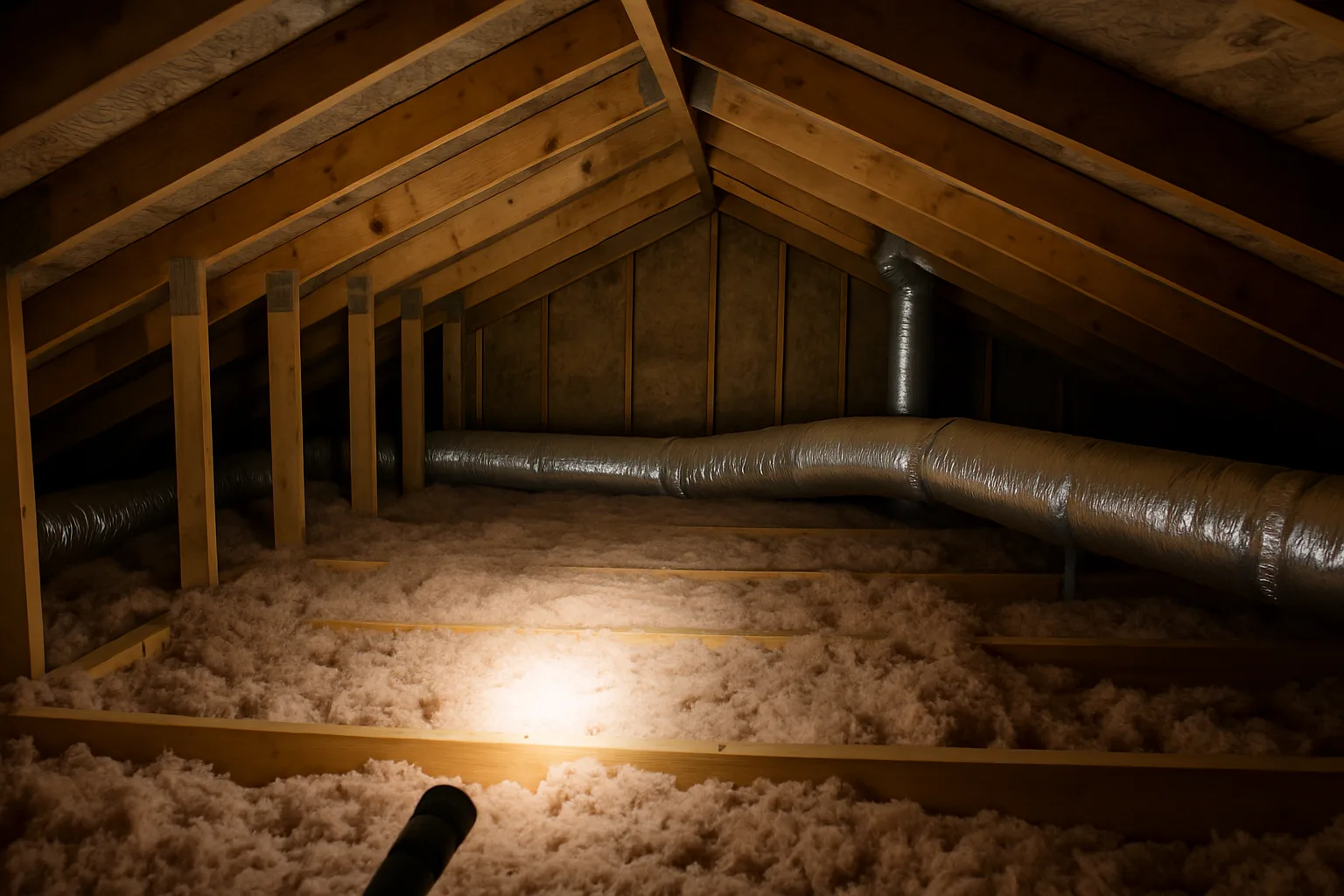
Roof rats are agile climbers that prefer to live up high, in trees, attics, wall voids and rooflines, rather than burrowing. They're slimmer than the Norway rats common in many cities and can squeeze through gaps about the size of a quarter. Because they nest overhead and come out at night, an infestation can go unnoticed until damage appears.
Why They're Spreading in St. George
Pest control companies point to a few local factors:
- Water: in a dry climate, especially after dry winters, rats move into homes looking for water and chew into plumbing to get it.
- Growth and construction: land clearing for new development can push rodents into nearby established neighborhoods.
- Food and cover: fruit trees, bird feeders, pet food, chicken feed and dense landscaping provide food and shelter.
- Shared walls: condos, townhomes and apartments let rats move between units, and well-watered areas such as golf courses have seen spikes.
Signs of Roof Rats
- Scratching or scurrying sounds in the attic or walls at night
- Droppings in the attic, garage or behind appliances
- Chewed wiring, insulation, irrigation lines or fruit
- Grease marks along beams, pipes or entry points
- Unexplained water stains or leaks, which can mean chewed pipes
How to Keep Them Out
- Seal entry points. Close gaps around roof vents, HVAC and plumbing penetrations, garage doors and eaves with steel mesh, hardware cloth or metal flashing, since rats chew through foam and plastic.
- Trim trees and shrubs so branches don't touch the roof or walls.
- Remove food and water: pick up fallen fruit, store pet food and feed in sealed containers, and fix leaky irrigation.
- Clear clutter such as woodpiles and debris near the house.
- Use professional help for active infestations. Trapping and baiting work best as part of a plan from a licensed pest control company, especially in attached housing where neighbors need to act too.
Rodents can carry diseases, so avoid handling droppings or nesting material directly. The CDC's guide to cleaning up after rodents covers how to do it safely.
What Homebuyers Should Check
- Ask the seller about any history of rodents, pest treatment or water damage.
- Have the inspector check the attic for droppings, chewed wiring, damaged insulation and gaps at vents and penetrations.
- Look closely at attached homes, since shared walls and attics make one unit's problem everyone's problem. Ask the HOA whether it runs a pest control program.
- Review insurance coverage. Many homeowners policies exclude damage caused by rodents, though sudden water damage may be treated differently. Ask the insurer before you need it.
For more on preparing for an inspection, see this guide to home inspections in St. George, and for other local realities, the 10 realities of moving to St. George.
Bottom Line
Roof rats are a newer problem in St. George, but they're manageable with prevention: seal the house, remove food and water, keep trees trimmed back, and get professional help early. Buyers should add a careful attic inspection to their checklist. For help finding a home, contact Best Utah Real Estate.
Posted by Kristopher Larson
Frequently asked questions
Are there rats in St. George, Utah?
Yes. Roof rats were rarely seen in St. George before about 2021, but pest control companies have reported a steady rise since, and local news covered large neighborhood infestations in 2026.
Why are roof rats getting into homes in St. George?
Mainly for water, especially after dry winters, plus food and shelter from fruit trees, pet food and dense landscaping. Pest control companies also link the rise to land clearing for new development and to shared-wall housing.
What damage can roof rats cause?
Roof rats chew wiring, insulation, irrigation lines and plumbing. Chewed water lines in attics can cause flooding; one St. George homeowner reported about $85,000 in damage.
How do I keep roof rats out of my house?
Seal gaps around vents, pipes, eaves and garage doors with steel mesh or metal flashing, trim branches away from the roof, remove food and water sources, clear clutter, and call a licensed pest control company for active infestations.
Does homeowners insurance cover rat damage?
Many policies exclude damage caused by rodents, though sudden water damage may be handled differently. Review your policy and ask your insurer about rodent-related claims.
What should buyers check for rats before buying?
Ask the seller about any rodent history or treatment, have the inspector examine the attic for droppings, chewing and entry gaps, and in attached homes ask the HOA whether it runs a pest control program.
St George, Utah housing market
A quick read on what homes are doing in St George right now — pulled live from the MLS.
Keep reading
More from the blog

What Is a PID? Public Infrastructure Districts in Southern Utah Explained

Living in The Ledges, St. George: Is It Worth It?

Living in Little Valley, St. George: Homes, Parks and Schools