10 Essential Realities to Know Before Moving to St. George, Utah
Ten realities of moving to St. George, Utah: summer heat, the job market, home prices, growth, water rules, driving, HOAs, desert hazards and culture.
Most people research a move to St. George through drone videos and home listings, and that picture is only half complete. The red rock, winter sunshine and outdoor access are real. So are the trade-offs that newcomers don't always see until they've lived here a summer. Here are ten realities worth knowing before moving. When you're ready to look, view active St. George listings.
1. Summer Heat Is Serious
Highs regularly top 100°F from June through August. Residents shift errands, exercise and yard work to early mornings and evenings, and air conditioning runs hard for four months. Buyers who want cooler summers often look at Cedar City, which sits thousands of feet higher and is noticeably cooler in July, at the cost of colder winters. See Cedar City homes.
2. The Job Market Is Narrower Than a Big Metro
Major employers include Intermountain Health, the Washington County School District, Utah Tech University and SkyWest Airlines, which is headquartered in St. George, along with tourism, construction and retail. Many newcomers arrive with remote work or retirement income already in place. Anyone who will need a local job should start that search early.
3. Housing Costs More Than Many Expect
St. George's latest median sale price is $473,500, and single-family homes have recently sold for a median of about $565,000. Nearby Hurricane and Washington aren't cheaper for single-family homes either. The full picture is in the St. George cost of living breakdown.
4. Growth Is Everywhere
St. George's population passed 100,000, and Washington County reached about 208,000 residents in 2024. New subdivisions, roads and commercial centers are going up across the region. An empty lot next door today may not stay empty, and some corridors get congested at rush hour.
5. Water Shapes Yards and Bills
The county's main water source is nearly fully used, so new homes face lawn limits, and heavy summer watering costs more. The region isn't running out of water, but conservation is part of everyday life. Here's what's true about St. George's water supply.
6. It's a Driving City
St. George is spread out, and SunTran bus service is limited compared with larger metros. Most households need a car for every working adult, and fuel deserves a real line in the budget.
7. Big Cities Are a Drive Away
Las Vegas is about two hours southwest and Salt Lake City about four hours north. St. George Regional Airport has nonstop flights to major hubs, and many residents use Las Vegas for international trips and low-cost carriers. Some newcomers feel the distance more than they expected.
8. HOAs and Rental Rules Are Common
Many newer neighborhoods have HOAs with architectural rules, and nightly rentals are only allowed in designated areas, not ordinary neighborhoods. Investors should read where vacation rentals are allowed before buying.
9. The Desert Has Its Own Hazards
Summer monsoon storms can cause flash flooding in washes and low areas, and parts of the region have expansive or gypsum-rich soils that can affect foundations. Buyers can check an address on the Utah Geological Survey's hazards map and FEMA flood maps, and ask sellers about past water or foundation problems.
10. The Culture Is Shaped by Its History
St. George was founded by Latter-day Saint settlers, and that heritage shows up in landmarks, Sunday rhythms and Utah's alcohol rules. Residents of every background live here, and newcomers who aren't church members generally find community through work, school, sports and clubs. More is in this guide to life in St. George for newcomers of any faith.
The Upside
For all of that, people keep moving here for good reasons: mild winters, Zion and Snow Canyon close by, 14 golf courses within about 20 miles, a full regional hospital, Utah's favorable property taxes on primary homes, and a friendly, family-oriented feel. The pros and cons of living in St. George covers the full picture.
Bottom Line
St. George rewards newcomers who plan for the heat, the driving, the housing costs and the region's rules on water and rentals. Go in with eyes open and it's an easy place to love. For help finding a home that fits, contact Best Utah Real Estate.
Posted by Kristopher Larson
Frequently asked questions
What is the hardest part of living in St. George?
For most newcomers it's the summer heat, with highs regularly above 100°F from June through August. Other common adjustments are the narrower local job market, the amount of driving, and the distance to big cities.
Who are the biggest employers in St. George?
Major employers include Intermountain Health, the Washington County School District, Utah Tech University and SkyWest Airlines, which is headquartered in St. George, plus tourism, construction and retail. Many newcomers bring remote jobs or retirement income.
How much do homes cost in St. George?
The latest median sale price in St. George is $473,500, and single-family homes have recently sold for a median of about $565,000. Neighboring Hurricane and Washington are similar for single-family homes.
Is St. George close to a big city?
Las Vegas is about two hours southwest and Salt Lake City about four hours north. St. George Regional Airport has nonstop flights to major hubs such as Salt Lake City, Denver, Phoenix and Dallas–Fort Worth.
Where in Southern Utah is cooler in summer?
Cedar City, about an hour north and thousands of feet higher, is noticeably cooler in summer than St. George, though its winters are colder and snowier. Pine Valley is a popular summer escape closer to St. George.
Can I rent out my St. George home on Airbnb?
Only in designated areas. St. George doesn't allow short-term rentals of less than 28 days in single-family zones, so nightly rentals are limited to approved resort-style communities and zones. Check zoning before buying.
St George, Utah housing market
A quick read on what homes are doing in St George right now — pulled live from the MLS.
Keep reading
More from the blog
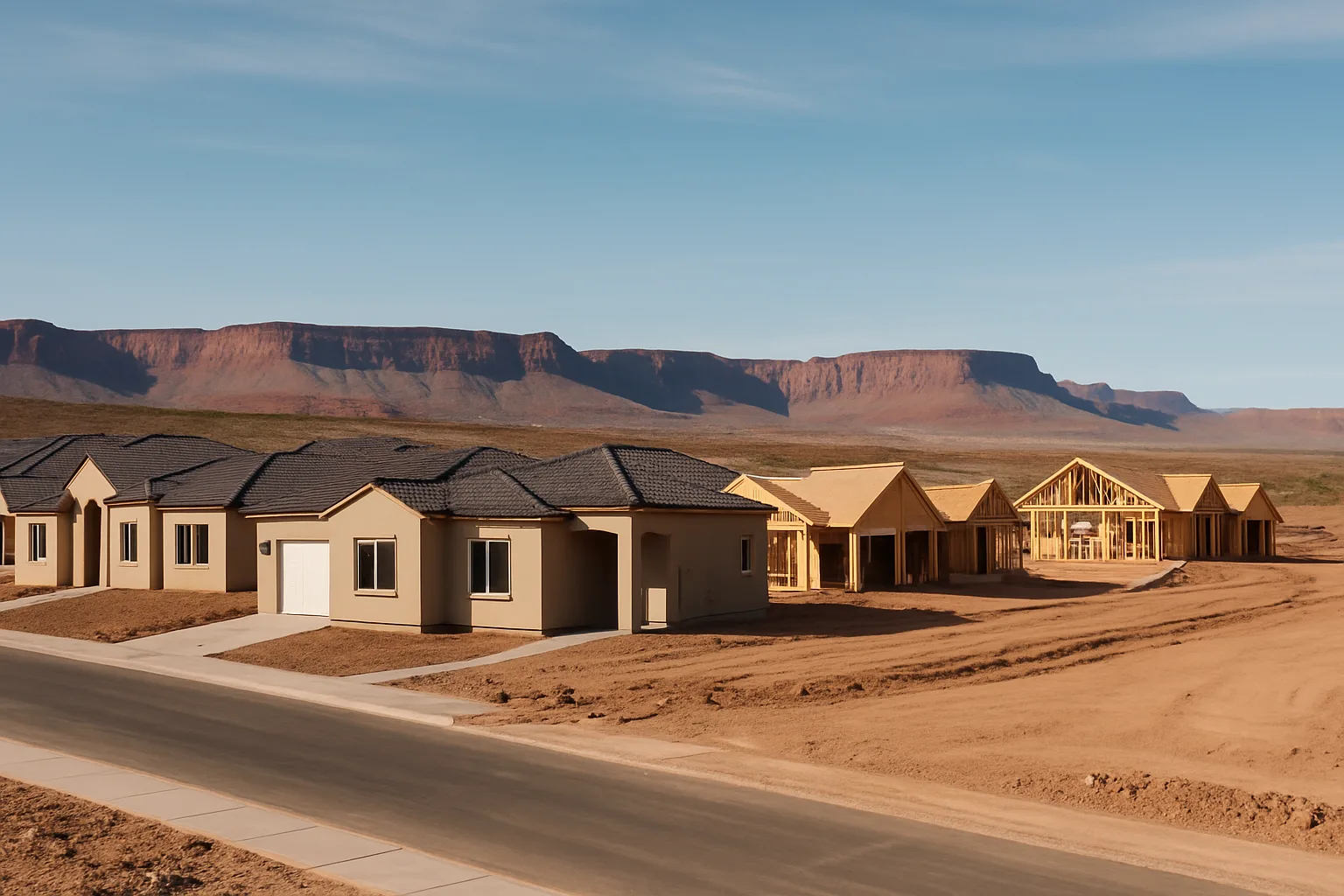
New-Home Communities in St. George, Washington and Hurricane: How They Compare

Why People Are Moving to St. George, Utah in 2026
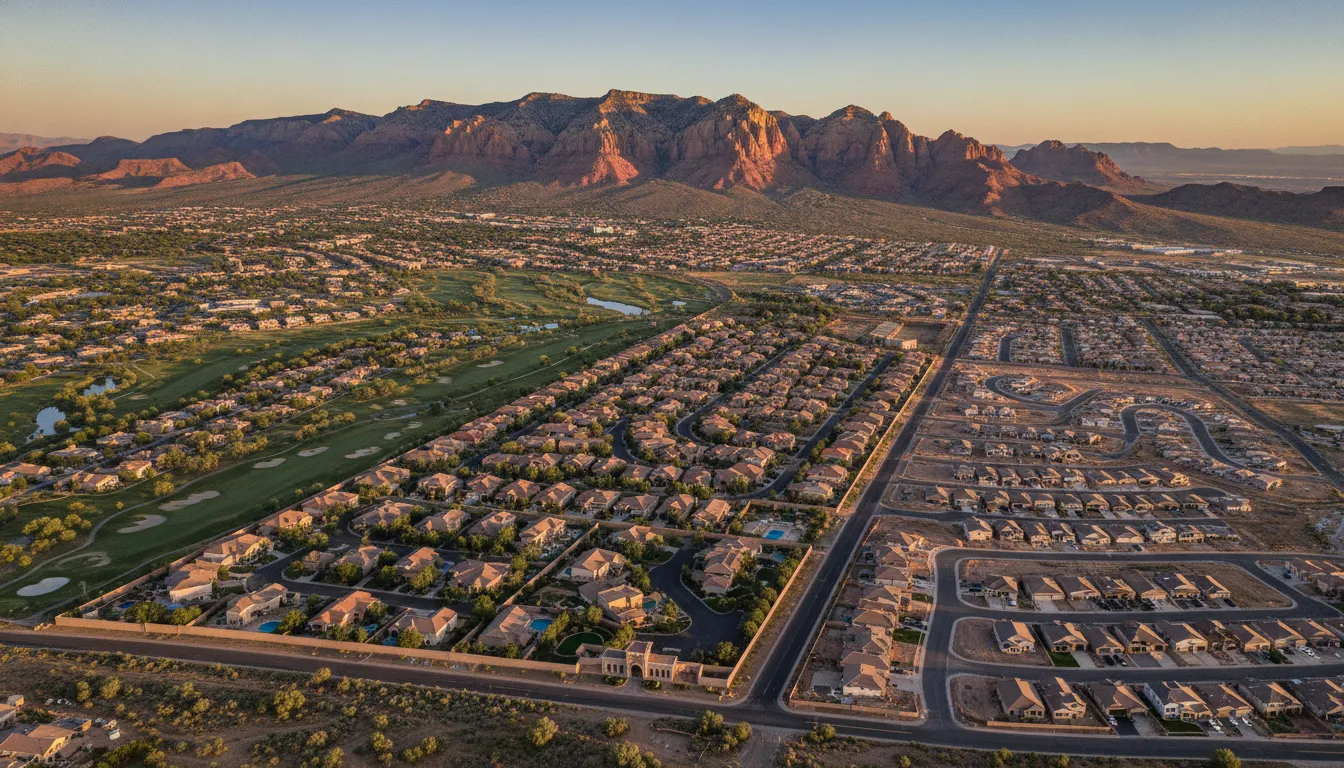
Moving to St. George Utah: Where to Live and What to Check