How Seasonal Storm Cycles Are Reshaping Home Improvement Budgeting
Intensifying storms make reactive repairs costly. Learn how to budget for durable exterior upgrades, protect resale value and stay insurable.
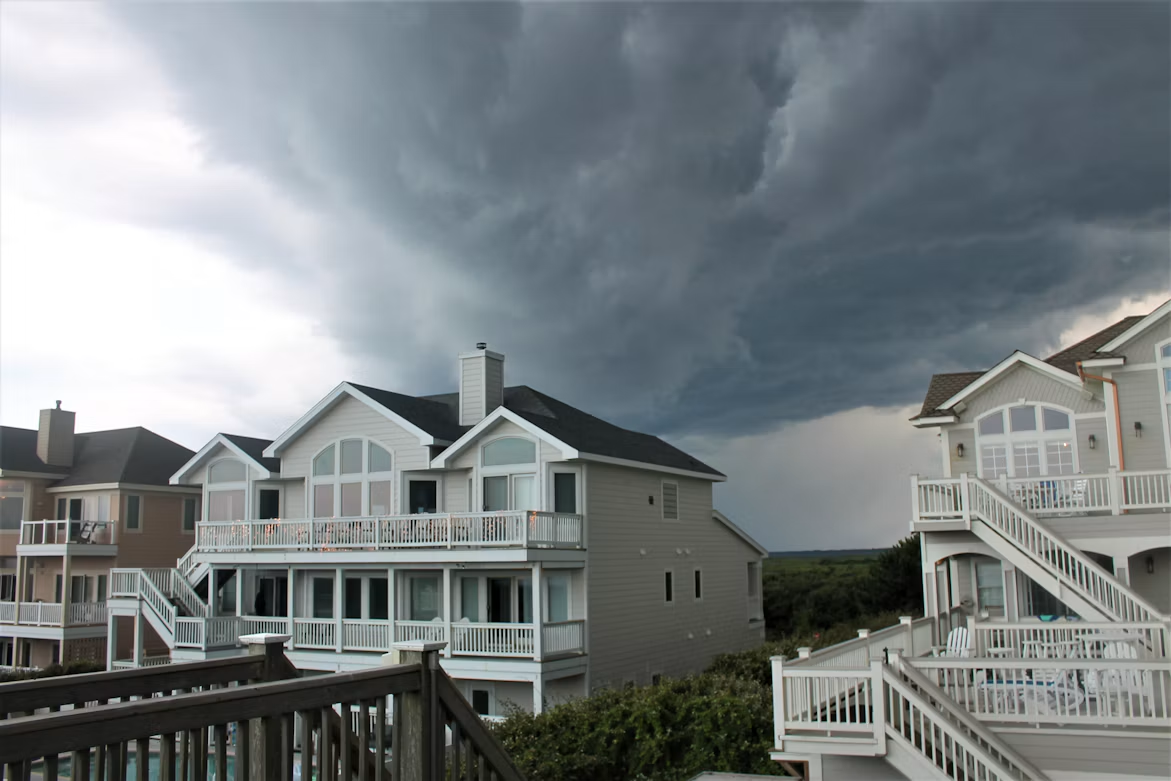
Volatile weather patterns are forcing property owners to rethink maintenance reserves and prioritize durable exterior upgrades before major damage strikes.
Unpredictable weather shifts and intensified seasonal storms have rendered reactive home maintenance financially unsustainable. You face mounting repair bills if you wait for sudden roof leaks or damaged siding to dictate your upkeep schedule.
Shifting your mindset toward proactive capital planning protects your hard-earned savings. Dedicating contingency funds toward resilient exterior building assemblies keeps severe weather outside and preserves your financial peace of mind.
Why Does Waiting for Severe Weather Drain Your Bank Account?
Unpredictable weather fronts punish weak exterior components without warning. Hail storms crack aging shingles, while recurring freeze-thaw cycles force microscopic fissures into exterior mortar and foundations. Minor sealant gaps allow wind-driven rain to penetrate wall assemblies, rotting structural framing lumber long before you spot interior ceiling stains.
Emergency repairs command premium prices when whole communities suffer simultaneous storm damage. Data published by Bankrate reveals that 25% of American property owners lack the emergency funds required to handle severe weather damage. Scrambling for emergency contractor availability strains household budgets and leads to hasty patch jobs that fail during subsequent severe storms.
How Do You Select Weatherproof Exterior Materials?
Upgrading exterior surfaces shields your home against hail and destructive wind gusts. Investing in a professional shingle and metal roof installation creates a dependable water barrier that withstands violent seasonal weather shifts. Impact-resistant Class 4 shingles and standing-seam metal panels resist heavy hail strikes that shatter bargain alternatives. That durable protection keeps roof decking dry and prevents costly structural rot.
Modern exterior assemblies outperform traditional options by reducing routine maintenance cycles. Fiber-cement siding and engineered polymer trim resist water absorption during prolonged rainstorms. Choosing these robust materials upfront eliminates repetitive repainting cycles and protects underlying insulation from dampness.
How Do Modern Disasters Multiply Rebuilding Expenses?
Post-storm inflation places immense financial pressure on property owners who rely on reactive fixes. Material shortages and contractor backlogs drive labor rates higher immediately following regional hail or wind events. That financial shock compounds when property owners discover that standard insurance policies shift higher deductibles onto wind and hail claims.
Research from the Harvard Joint Center for Housing Studies shows that post-disaster rebuilding expenses reached a typical mark of $22,100 per household in 2023, representing a steep jump from the inflation-adjusted $17,900 recorded twenty years prior. Absorbing that magnitude of out-of-pocket spending derails retirement contributions and drains liquid reserves. Savvy homeowners avoid these sudden spikes by funding planned exterior renovations before storms hit.
How Can Proactive Planning Prevent Structural Failures?
Water intrusion represents the single most destructive consequence of storm damage. High winds lift shingle edges, creating entry channels where rain migrates behind exterior walls and compromises structural sheathing. Hidden dampness promotes wood rot and weakens critical framing connections over several seasons.
Allocating your capital reserves toward proactive weatherproofing prevents these compounding failures. Sealing the entire building envelope stops water transfer before structural framing suffers degradation.
Manage Building Envelopes Systematically
Viewing your exterior as an integrated defense system clarifies which projects require priority funding. Gutters, underlayments, siding panels, and flashing assemblies work together to direct water away from foundation footings.
Maintain Critical Vulnerability Points
Inspect roof perimeters: Check drip edges and flashing seams twice every year to stop wind uplift.
Seal exterior joints: Apply high-grade elastomeric sealant around window casings to block wind-driven moisture.
Clear drainage paths: Keep gutters unobstructed so runoff sheds rapidly away from foundation walls.
Protect Long-Term Resale Value and Equity
Deferred exterior upkeep erodes home value long before you decide to sell. Prospective home buyers inspect roof condition, siding integrity, and foundation drainage before submitting purchase offers. Visible storm wear signals hidden deferred maintenance, prompting buyers to demand substantial price reductions.
Documenting proactive exterior replacements gives you leverage during appraisal and negotiation phases. Certified impact-resistant installations demonstrate that you maintained the property with care. That documented diligence eliminates buyer hesitation and preserves your home equity in competitive markets.
What Keeps Your Property Insurable in Volatile Markets?
Underwriters scrutinize building condition before renewing homeowner policies. Insurance carriers frequently cancel coverage or exclude wind and hail damage on aging roofs that show deferred wear. Homeowners who delay replacements face escalating premiums and policy exclusions that transfer catastrophic financial risks back onto household balances.
Upgrading to certified storm-resistant materials keeps your property attractive to premier insurance carriers. Many insurers offer annual premium credits for Class 4 roofing and reinforced exterior envelopes. Investing capital reserves into durable defenses lowers long-term ownership costs while maintaining dependable coverage.
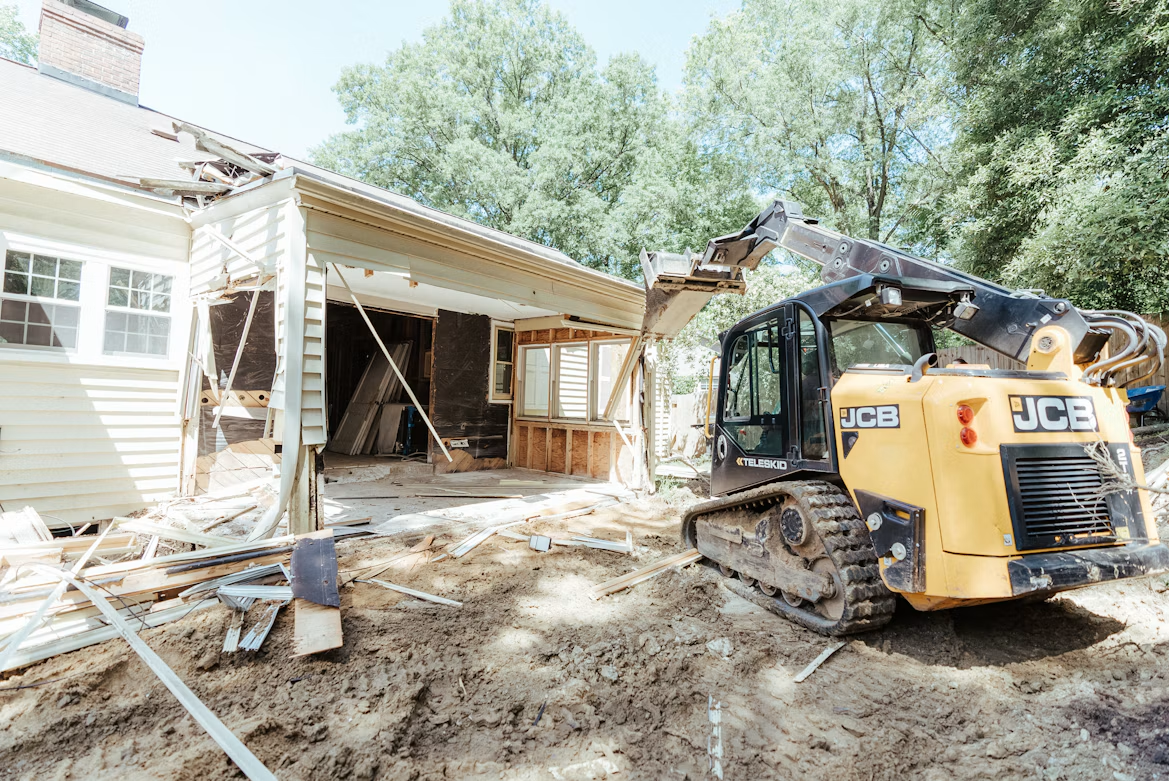
Treating your building envelope as a core capital asset preserves your equity against erratic storm cycles. When you replace temporary fixes with durable, impact-tested assemblies, you shield your household from frantic emergency repairs and sudden financial distress. Strategic preparation transforms unpredictable seasonal weather into manageable, planned preservation for your most valuable investment.
Frequently asked questions
How much should I budget for home maintenance each year?
Are Class 4 impact-resistant shingles worth the cost?
How often should I inspect my roof and gutters for storm damage?
Can an aging roof affect my homeowners insurance?
Does exterior storm-proofing improve resale value?
Keep reading
More from the blog

Best Utah Neighborhoods for Families Who Love Outdoor Recreation

Seasonal Housing Costs Utah Buyers Should Know
How to Rent Out Your Utah Vacation Home Part-Time