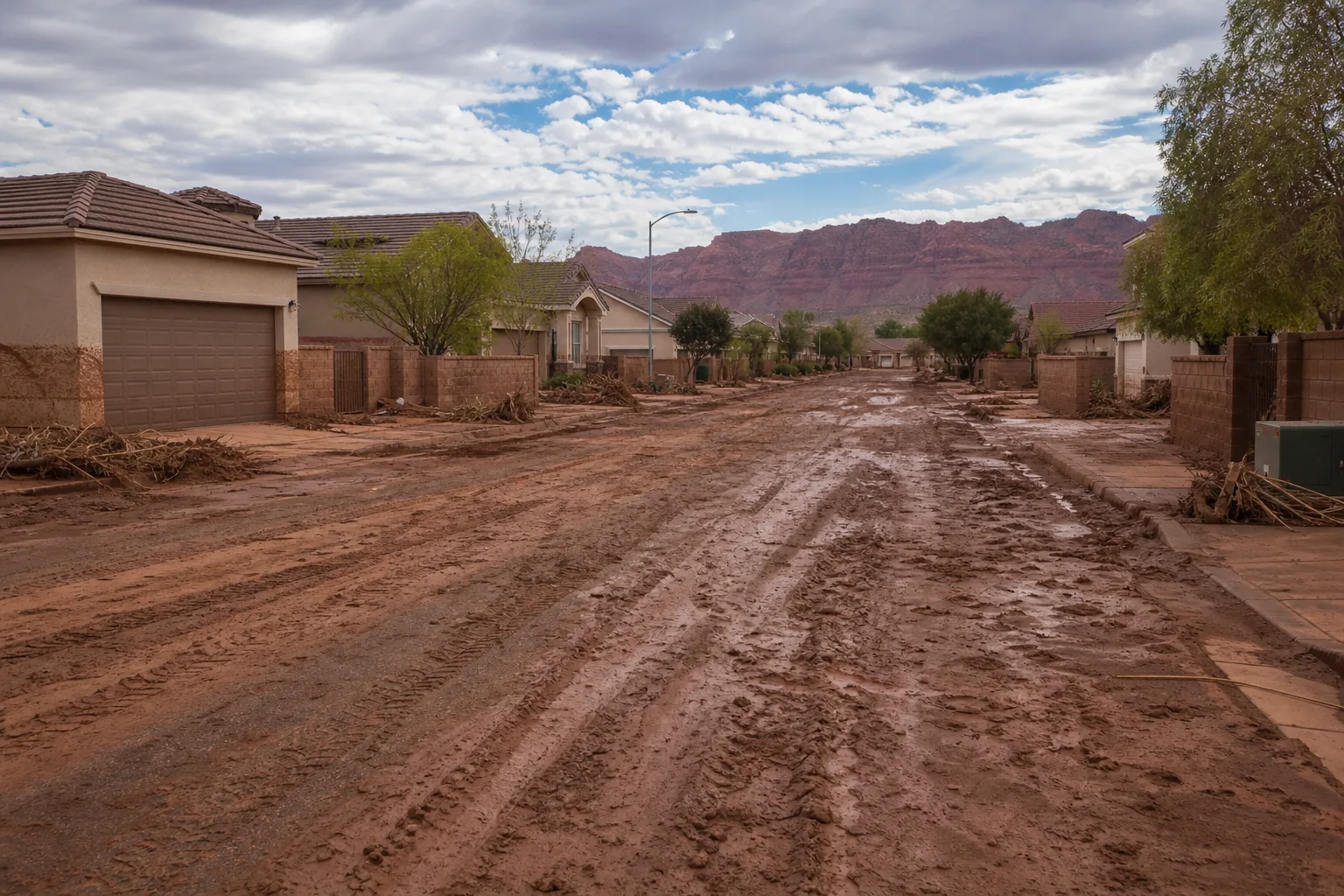
Pros and Cons of Living in Orangeville, Utah
Orangeville, Utah pros and cons: population, home prices, schools, jobs, Joe's Valley access and what daily life is like in this Emery County town.
Orangeville is a small farming and coal-country town in Emery County, set on Cottonwood Creek at the west edge of Castle Valley. It counted 1,224 residents in the 2020 Census and sits about two miles from Castle Dale, the county seat. Behind town, State Route 29 climbs Straight Canyon into the Manti-La Sal National Forest and up to Joe's Valley Reservoir, one of the best-known bouldering areas in the country.
Orangeville is not for everyone. It is quiet, rural and a long drive from big-city services, and its economy is still tied to coal and power generation. This guide covers what life there is actually like: home prices, schools, jobs, healthcare, weather, recreation and the honest drawbacks. To see current listings, browse Orangeville homes for sale.
Orangeville at a Glance
- Population: 1,224 (2020 Census), down from about 1,470 in 2010
- County: Emery County
- Elevation: about 5,780 feet
- Founded: 1878, first called "Upper Castle Dale"
- Named for: Orange Seely, an early Cottonwood Creek settler
- Highways: junction of SR-29 and SR-57
- Nearest hospital: Castleview Hospital in Price
Who Orangeville Is Best For
- Buyers who want a rural lot, room for animals and a lower price than most of Utah
- People working at the Hunter or Huntington power plants, the mines or Emery County government
- Climbers, anglers, hunters and off-road riders who want the mountains and the San Rafael Swell close by
- Remote workers and retirees who value quiet over convenience
Orangeville is a weaker fit for buyers who need a hospital nearby, want shopping and restaurants close to home, or depend on a broad local job market.
A Short History
Settlers moved onto Cottonwood Creek in the late 1870s. The town was founded in 1878 as Upper Castle Dale and took the name Orangeville in 1879, when its post office opened, after early settler Orange Seely. Farming and ranching built the town; coal mining and power generation shaped it in the 20th century. That history includes the 1984 Wilberg Mine fire about 12 miles northwest of town, which killed 27 miners and remains the worst coal-mine fire in Utah history.
Pros of Living in Orangeville
1. Lower Home Prices Than Most of Utah
Emery County is one of the more affordable places to buy a home in Utah, and Orangeville prices generally sit well below what similar homes cost along the Wasatch Front. Buyers on a tighter budget can check Orangeville homes under $300k when they come up.
2. Land and Room to Spread Out
Many Orangeville properties sit on larger lots with space for gardens, shops, trailers and animals. Buyers can look for Orangeville homes with acreage or horse properties in Orangeville. As always with rural property, water rights, irrigation shares and zoning matter as much as the house.
3. Joe's Valley and the Mountains Out the Back Door
Joe's Valley Reservoir is about 14 miles northwest of town on SR-29. The reservoir is popular for fishing and boating, and the sandstone boulders in Straight Canyon and the Right Fork draw climbers from around the world. Beyond the reservoir, the Manti-La Sal National Forest offers camping, hunting and summer ATV routes.
4. The San Rafael Swell and Dinosaur Country
East of Castle Valley, the San Rafael Swell offers canyons, slot hikes and backroads across more than a million acres of public land protected by Congress in 2019. Jurassic National Monument, the former Cleveland-Lloyd Dinosaur Quarry, was designated in 2019 and has produced more than 12,000 dinosaur bones. In Castle Dale, the Museum of the San Rafael covers the area's geology, dinosaurs, archaeology and pioneer history, and Millsite State Park near Ferron is a short drive south.

5. Quiet, Small-Town Daily Life
With about 1,200 residents, Orangeville has little traffic and a slower pace. Much of the community life for the area centers on Castle Dale, including the Emery County Fair, held each summer with a parade and rodeo.
Cons of Living in Orangeville
1. Limited Shopping, Dining and Services
Orangeville itself has only a few businesses. Residents run most errands in Castle Dale, Huntington or Price, and many make regular trips to Price for larger stores. Anyone used to a grocery store and restaurants a few minutes away should expect more driving.
2. The Hospital Is in Price
Castleview Hospital in Price, about 33 miles north, serves both Carbon and Emery counties and has an emergency room. Emery Medical Center in Castle Dale offers family practice and urgent care. Specialty care often means a trip to Provo or Salt Lake City, roughly 150 miles away.
3. An Economy Tied to Coal
The Hunter Power Plant near Castle Dale, online since 1978, and the Huntington Power Plant are major employers, along with the mines that supply them. The Deer Creek Mine closed in 2015, costing about 180 jobs. PacifiCorp has since pushed its planned retirement dates for the Hunter and Huntington plants further into the future, but the long-term future of coal remains the biggest economic question for Emery County, and buyers should weigh that when thinking about jobs and resale.
4. A Shrinking Population and Thin Inventory
Orangeville lost population between 2010 and 2020. Only a few homes are for sale at any time, so buyers may wait for the right property, and sellers may need patience too.
5. Distance From Everything Else
Salt Lake City is about two hours and 45 minutes away by car, and Interstate 70 is more than 35 miles south. There is no public transit, so every household needs a reliable vehicle.
Orangeville Home Prices: What Buyers Should Know
Orangeville's housing is mostly older single-family homes on in-town lots, plus rural properties and some manufactured homes on the edges of town. New construction is rare. Live numbers from the MLS:
- Median list price of active homes in Emery County: $350,000
With so few sales in Orangeville itself, a town-only median says little. Comparing a home against recent sales in Orangeville and nearby towns gives a better picture of value.
Neighboring Towns Worth Comparing
Orangeville shares Castle Valley with several small towns, and many buyers search them together:
- Castle Dale, the county seat about two miles away, with Emery High School, the Museum of the San Rafael and Emery Medical Center. See homes for sale in Castle Dale.
- Huntington, to the north near the Huntington Power Plant and home to the school district office. See homes for sale in Huntington.
- Ferron, to the south, with San Rafael Middle School and Millsite State Park nearby.
- Price, the region's largest city, with Castleview Hospital and most of the big stores.
Schools in Orangeville
Orangeville is part of the Emery County School District, which is based in Huntington. Cottonwood Elementary School is in Orangeville itself; it opened in 1967 and replaced the old Orangeville Elementary. Emery High School is in neighboring Castle Dale, and San Rafael Middle School is in Ferron. Families should confirm school assignments for a specific address with the district.
Weather
Castle Valley is high desert. Long-term averages for nearby Castle Dale show July highs around 91°F, January lows near 10°F, only about 8 inches of total precipitation and roughly 17 inches of snow a year. Expect hot, dry summers, cold winter nights and plenty of sunshine.
The Real Trade-Off
What buyers get: low prices, land, quiet streets and world-class outdoor recreation within half an hour.
What buyers give up: nearby shopping and healthcare, a diverse job market and quick access to the Wasatch Front.
Common Mistakes Buyers Make Before Moving to Orangeville
- Not checking water rights and irrigation shares on rural lots.
- Assuming animal rights without confirming zoning with the town.
- Ignoring the drive to Price for the hospital and larger stores.
- Counting on a single employer without considering what happens if plans for the power plants or mines change.
- Skipping a full inspection on older homes, especially roofs, heating systems and septic.
- Looking only in Orangeville when Castle Dale and Huntington offer similar homes a few minutes away.
Is Orangeville a Good Place to Live?
Orangeville works well for:
- Buyers who want low prices and land
- People with local jobs in energy, mining or county government
- Outdoor users who want Joe's Valley and the San Rafael Swell close
Orangeville is less ideal for:
- Anyone who needs a hospital or specialists nearby
- Buyers who want shopping and restaurants within a few minutes
- Job seekers outside energy, education and government
Bottom Line
Orangeville trades convenience for space, low prices and some of the best outdoor recreation in central Utah. Buyers who go in understanding the drive to Price and the area's reliance on coal tend to find good value here. For help with Orangeville and Castle Valley listings, contact Best Utah Real Estate.
Posted by Kristopher Larson
Frequently asked questions
What is the population of Orangeville, Utah?
Orangeville had 1,224 residents in the 2020 Census, down from about 1,470 in 2010. It is one of several small towns in Emery County's Castle Valley, about two miles from the county seat of Castle Dale.
Where is Orangeville, Utah?
Orangeville is in Emery County in central Utah, at the junction of State Routes 29 and 57 on Cottonwood Creek. Castle Dale is about two miles away, Price is about 33 miles north, and Salt Lake City is roughly two hours and 45 minutes by car.
Is Orangeville, Utah a good place to live?
It can be for buyers who want low prices, land and quick access to Joe's Valley, the Manti-La Sal National Forest and the San Rafael Swell. The trade-offs are limited shopping, a hospital about 33 miles away in Price and a local economy closely tied to coal mining and power plants.
What schools serve Orangeville?
Orangeville is in the Emery County School District. Cottonwood Elementary is in Orangeville, Emery High School is in nearby Castle Dale and San Rafael Middle School is in Ferron. Families should confirm assignments for a specific address with the district.
How much do homes cost in Orangeville and Emery County?
The median list price of active homes in Emery County is currently $350,000. Orangeville itself has only a few homes for sale at a time, so prices depend heavily on lot size, condition and water rights.
How far is Orangeville from Joe's Valley Reservoir?
Joe's Valley Reservoir is about 14 miles northwest of Orangeville on State Route 29, up Straight Canyon. The reservoir is known for fishing and boating, and the surrounding canyons are a world-famous bouldering destination.
Orangeville, Utah housing market
A quick read on what homes are doing in Orangeville right now — pulled live from the MLS.
Keep reading
More from the blog
Utah County Housing Market 2026: Prices Hold While Sellers and Buyers Both Step Back
St. George Asking Prices Are 24% Below the 2022 Peak: What Late-2026 Buyers Should Weigh
Salt Lake City's Big Projects in 2026: What's Finished, Under Construction and Still Only Planned