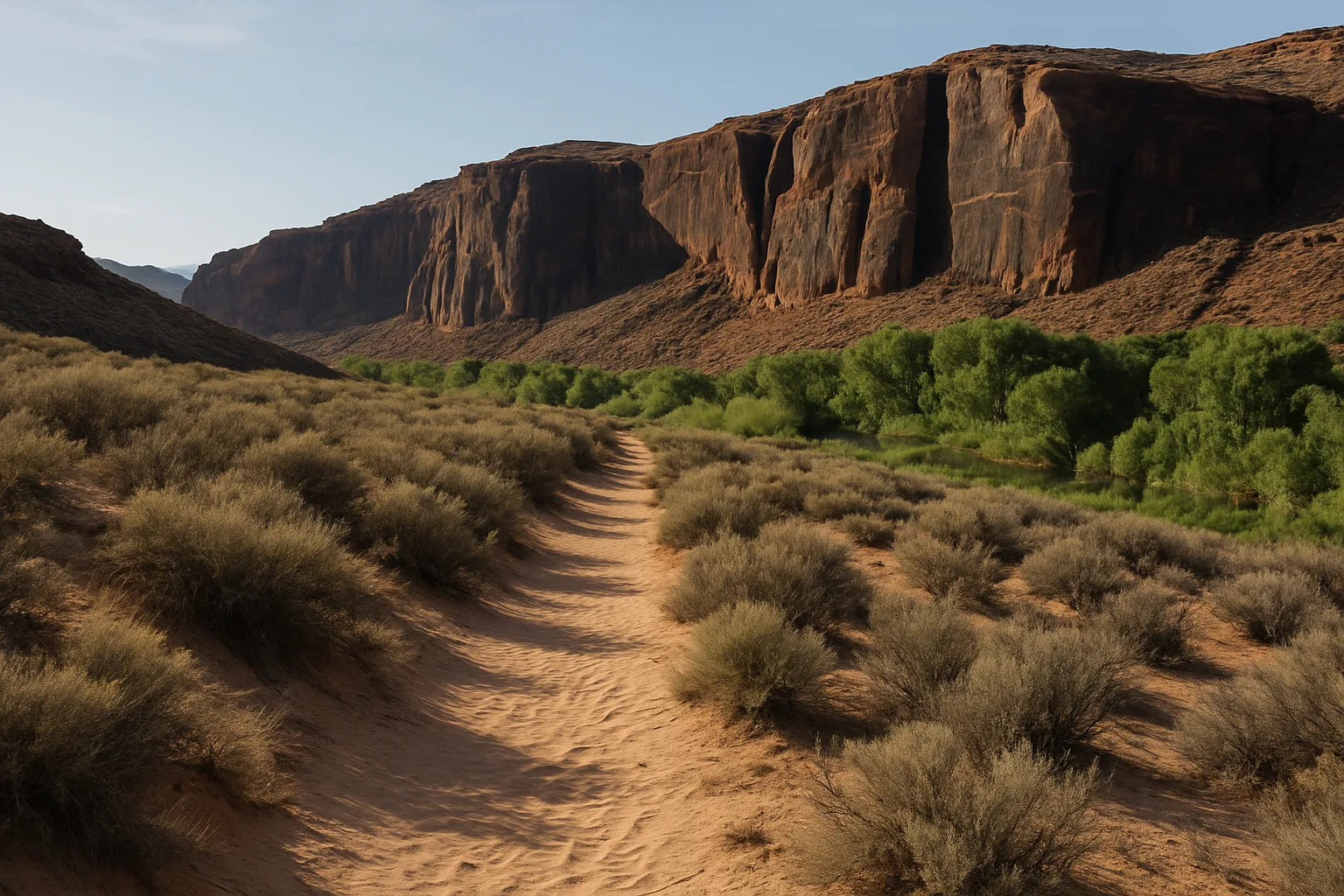
Pros and Cons of living in Logan, Utah
Explore the pros and cons of living in Logan, Utah. From safety and community spirit to cost of living, find out if this charming city is right for you.
Logan, Utah sits in Cache Valley in the northern part of the state, with the Bear River Range rising on its east side and Utah State University on the bench above downtown. This guide covers the main pros and cons of living in Logan to help buyers decide whether the city fits their lifestyle. If a move is on the table, take a look at current Logan homes for sale.
Introduction to Logan, Utah
Logan is Cache County's largest city and the county seat. The 2020 Census counted 52,778 residents, and the Census Bureau estimated about 55,600 in July 2025. The city sits at about 4,535 feet and is roughly 80 miles north of Salt Lake City, an hour-and-a-half drive over Sardine Canyon. Utah State University shapes much of daily life: the Logan campus enrolled about 20,500 students in fall 2025, which keeps the city younger than most of Utah and supports a steady rental market.
Why Logan Stands Out
Logan combines a small-city pace with services usually found in larger places. Downtown Main Street has locally owned shops and restaurants, the restored Ellen Eccles Theatre and the historic Cache County Courthouse, where the Cache Valley Gardeners' Market runs on Saturday mornings from spring into October. Each July and August, the Utah Festival Opera & Musical Theatre stages a repertory season downtown. Logan Canyon starts at the east edge of town, and Bear Lake is about 40 miles up US-89.
Is Logan, Utah Safe? Crime Rates Compared
By the numbers, Logan is safer than Utah as a whole and well below the national average. In 2024, the Logan Police Department reported 77 violent offenses and 650 property offenses to the FBI. Per 100,000 residents, that works out to:
- Violent crime: about 137 per 100,000 in Logan, compared with about 238 statewide and 363 nationally.
- Property crime: about 1,159 per 100,000 in Logan, compared with about 1,492 statewide and 1,767 nationally.
Logan's violent-crime rate in 2024 was the lowest of the five years from 2020 through 2024, and property crime was down from 792 offenses in 2023. Like most college towns, Logan sees far more property crime, such as bike and car break-ins, than violent crime, so locking cars and bikes matters more than anything else. Incidents on the Utah State University campus are reported by the university's own police department, so they aren't in these city numbers.
Conditions still vary block to block. Visit a neighborhood at night and on a weekend before buying, and check Logan City Police Department information for recent activity.
Source: FBI Crime Data Explorer, Logan Police Department summary data, 2020–2024.
Community Involvement
Logan has an active civic calendar, from neighborhood events to university-sponsored concerts and lectures. Many residents volunteer through schools, churches and USU programs, and that involvement is a big part of why newcomers say the city feels welcoming.
Cost of Living in Logan
Logan remains more affordable than the Wasatch Front, though prices have risen along with new construction and demand from university staff and students. Current numbers, updated automatically from the MLS:
- Median sale price (latest month): $374,237
- Median days on market: 46 days
- Sale-to-list ratio: 98.5%
- Active listings: 197
Full monthly trends are on the Logan market stats page.
Housing Market Trends
Logan's housing ranges from older homes near downtown and the university to newer subdivisions on the city's edges. Buyers looking for lower-maintenance options can browse Logan condos for sale or townhome communities like Sugar Creek Townhomes, while newer single-family neighborhoods include Rivergate. Rents have climbed in recent years but are still competitive compared with the Wasatch Front, and student demand keeps vacancies low near campus.

Community Feel in Logan: Pros and Cons
Residents often describe Logan as a place where neighbors know each other and local events draw a crowd. The university adds concerts, athletics and lectures to the calendar, and Aggie Ice Cream, made on campus since the 1920s, is a local institution.
Pros of Living in Logan's Community
- Strong community ties: residents take part in local government, events and volunteer work.
- Parks and recreation: neighborhood parks, trails along the Logan River and quick canyon access fill weekends without much driving.
- Local businesses: downtown Main Street and the Gardeners' Market keep a strong locally owned retail and food scene.
Cons of Living in Logan's Community
- Less diversity: some residents find the cultural mix narrower than in larger metro areas.
- Limited nightlife: evenings lean toward restaurants, concerts and university events rather than a club or bar scene.
- Winter air quality: Cache Valley's bowl shape traps cold air, and the valley is a federal nonattainment area for fine-particle pollution, so multi-day inversions happen most winters.
Recreational Activities in Logan
Logan is a gateway to some of northern Utah's best outdoor country. Logan Canyon, a designated scenic byway along US-89, has trails, campgrounds and fly fishing on the Logan River. Bear Lake, known for its turquoise water and raspberry shakes, is about 40 miles away over Bear Lake Summit.
Year-Round Outdoor Activities
- Summer: hiking, mountain biking, camping, and paddling or boating at Bear Lake and Hyrum State Park.
- Winter: Beaver Mountain, a family-owned ski area open since 1939, is about 27 miles up Logan Canyon. Expect real winters: normals from the USU weather station show an average January low of about 18°F and roughly 60 inches of snow a year.
- Community events: summer opera and musical theatre, the Saturday Gardeners' Market, university athletics and seasonal festivals.

Logan offers a mix of outdoor access, a university calendar and a supportive community that keeps many residents in Cache Valley long term.
Education and Schools in Logan
Logan is unusual in having its own school district inside a county district. Utah State University adds higher education, research and community programs.
Public Schools
The Logan City School District serves most of the city, with Logan High School, Mount Logan Middle School and elementary schools such as Adams, Bridger, Ellis, Hillcrest, Wilson and Woodruff. Some neighborhoods on the city's edges fall in the Cache County School District, whose nearby high schools include Green Canyon High in North Logan, Sky View High in Smithfield, Ridgeline High in Millville and Mountain Crest High in Hyrum. Buyers should confirm school assignments for a specific address.
Charter and Specialty Schools
Logan also has charter and specialty options, including InTech Collegiate Academy, an early-college charter high school that partners with Utah State University. Programs and enrollment rules vary, so families should check directly with each school.
Higher Education Opportunities
Utah State University's Logan campus is the city's anchor, with a wide range of degree programs, research labs and extension services. Aggie athletics, campus concerts and lectures add to the city's calendar, and the university is a major reason many people move to Logan in the first place.
Employment Opportunities in Logan
Logan's economy rests on education, healthcare, research and manufacturing, which gives residents a range of career options without commuting to the Wasatch Front.
Key Industries
- Education and research: Utah State University is the largest employer, and its Space Dynamics Laboratory adds engineering and research jobs.
- Healthcare: Logan Regional Hospital, a 148-bed Intermountain Health hospital with a Level III trauma center, and Cache Valley Hospital in North Logan employ a large healthcare workforce.
- Manufacturing and technology: employers in the area include Schreiber Foods, Gossner Foods, Campbell Scientific, iFIT and Malouf.
Economic Growth
New businesses and housing keep coming to Cache Valley, and construction, retail and services have grown alongside them. Many residents also work remotely, which makes Logan's lower costs and outdoor access more attractive.
Conclusion: Is Logan the Right Move?
Logan offers a university town's energy, strong schools, quick canyon access and housing that is still more affordable than the Wasatch Front. The trade-offs are cold, inversion-prone winters, limited nightlife and a long drive to Salt Lake City. Buyers who can live with those usually find Logan an easy place to settle. Buyers comparing nearby towns can also read the guide to living in Nibley, just south of Logan.
Posted by Kristopher Larson
Frequently asked questions
Is Logan, Utah a good place to live?
For many people, yes. Logan offers a university-town calendar, quick access to Logan Canyon and Bear Lake, two school districts, a regional hospital and home prices below the Wasatch Front. The trade-offs are cold winters with inversions, limited nightlife and a drive of about an hour and a half to Salt Lake City.
Is Logan, Utah a safe place to live?
Yes, by the numbers. In 2024, Logan reported about 137 violent offenses per 100,000 residents, compared with about 238 for Utah and 363 nationally, and about 1,159 property offenses per 100,000, compared with about 1,492 statewide and 1,767 nationally, according to FBI data. As in most college towns, property crime such as bike and car break-ins is far more common than violent crime.
What is the cost of living in Logan, Utah?
Housing is the biggest factor. The latest median sale price in Logan is $374,237, generally below Salt Lake and Davis County levels, with 197 homes currently for sale. Rents near campus stay in demand because of Utah State University's roughly 20,500 Logan-campus students.
How far is Logan from Salt Lake City?
Logan is roughly 80 miles north of Salt Lake City, about an hour and a half by car. The usual route follows US-89/91 over Sardine Canyon to Brigham City and then I-15 south. Winter storms can slow the canyon drive.
What is the elevation of Logan, Utah?
Logan sits at about 4,535 feet above sea level, on the east side of Cache Valley below the Bear River Range.
What schools serve Logan?
Most of Logan is in the Logan City School District, which includes Logan High School, Mount Logan Middle School and several elementary schools. Some outlying neighborhoods are in the Cache County School District. Utah State University's main campus is in Logan. Confirm assigned schools for a specific address.
What is the crime rate in Logan, Utah?
Logan's 2024 violent-crime rate was about 137 per 100,000 residents (77 offenses) and its property-crime rate about 1,159 per 100,000 (650 offenses), both below Utah's and the national rates, according to FBI Crime Data Explorer figures for the Logan Police Department.
Logan, Utah housing market
A quick read on what homes are doing in Logan right now — pulled live from the MLS.
Keep reading
More from the blog
Things to Do in St. George With Kids: Parks, Museums and Easy Hikes
Pioneer Park, St. George: Slot Canyon, Dixie Rock and Easy Hikes

Buying a Utah Home With a Protection Dog in Mind: 6 Things to Check