
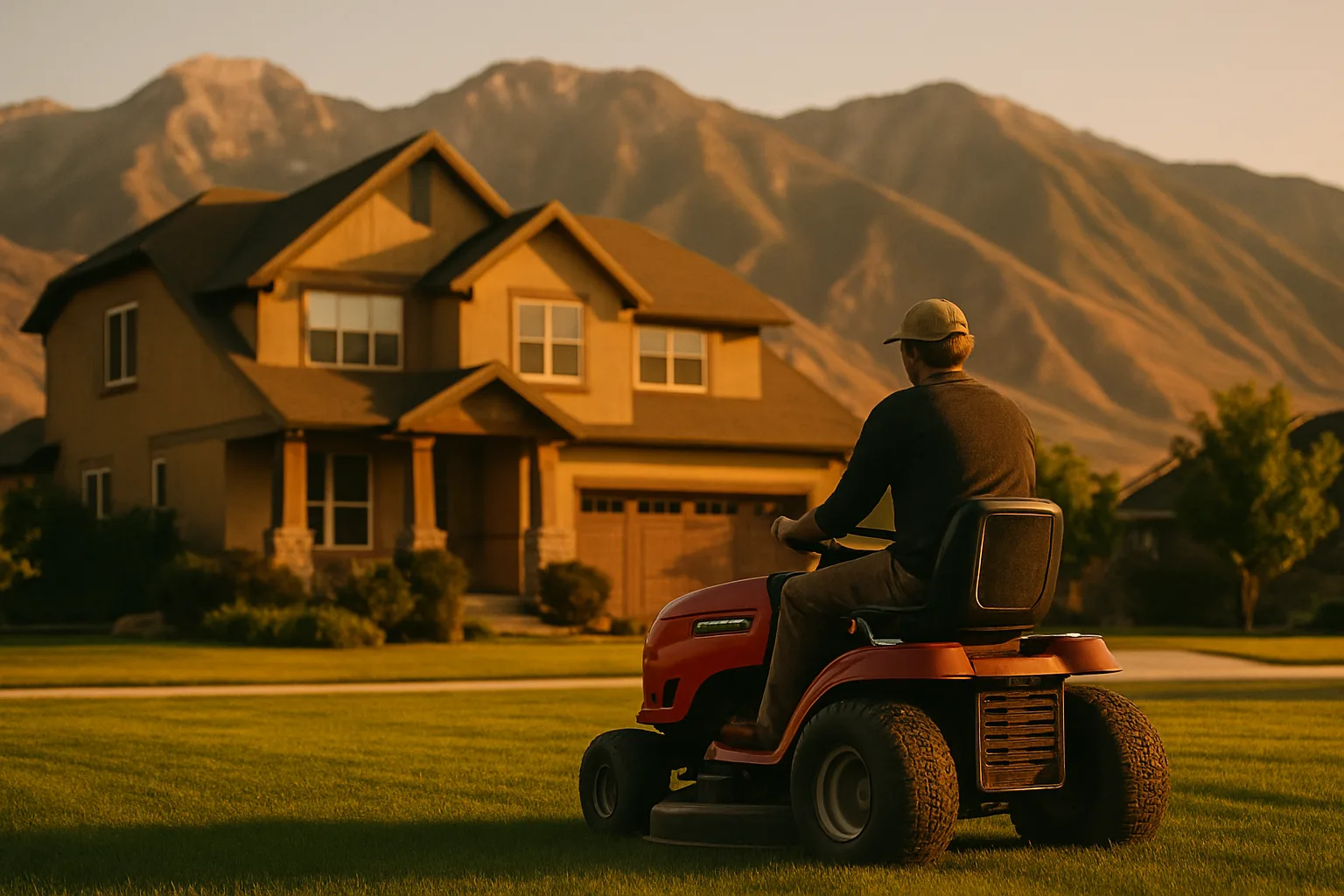
How Many Belts Are on a Riding Lawn Mower? Craftsman, V-Belts & More Explained
Wondering how many belts your riding lawn mower has? Learn the difference between drive and deck belts, what a V-belt is, and how Craftsman models compare.
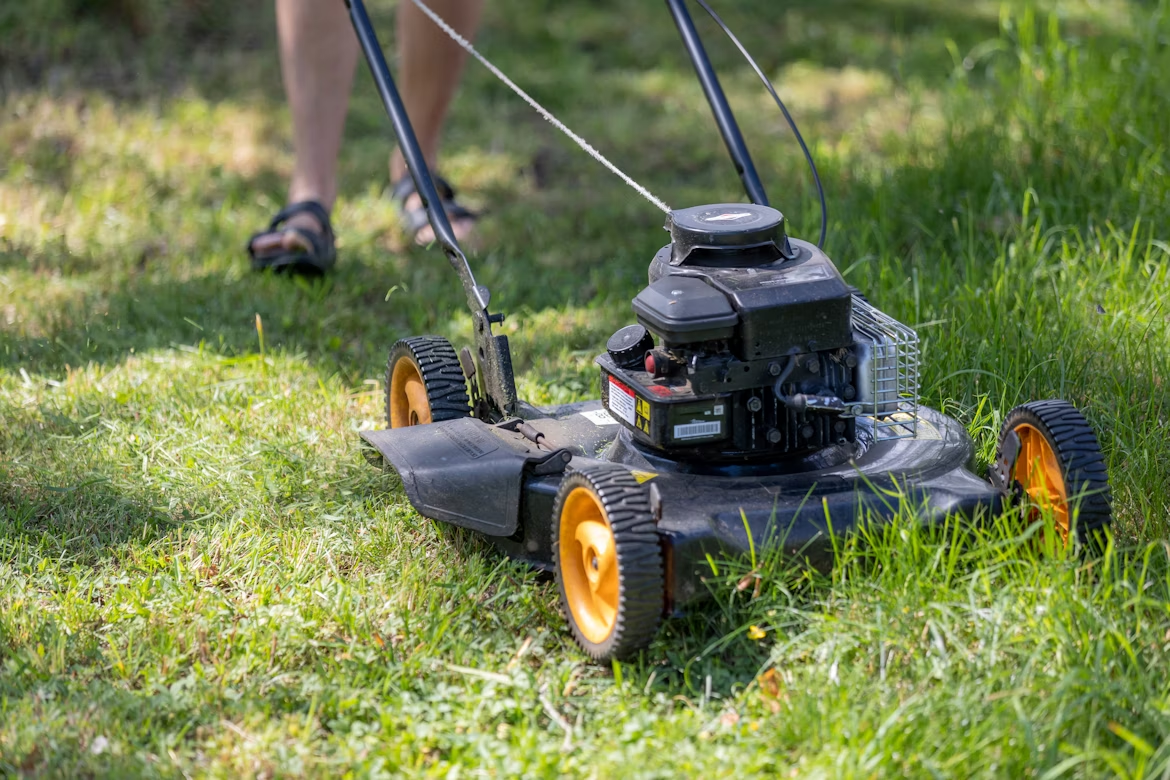
What Is a V Belt on a Lawn Mower? Explained
When maintaining your riding lawn mower, the belts are one of the most critical yet often overlooked components. Among them, the V belt plays a pivotal role in ensuring your mower operates efficiently and smoothly. But what exactly is a V belt, how does it differ from other mower belts, and how many belts does a typical riding mower have? This guide breaks it all down, especially for owners of Craftsman mowers and other popular brands.
Understanding Lawn Mower Belts: How Many Are There?
A common question among lawn mower owners is, How many belts does a riding lawn mower have? The answer can vary slightly depending on the make and model, but most standard riding lawn mowers come equipped with two belts: the drive belt and the deck belt. Some models with larger cutting decks use a second deck belt, and zero-turn mowers typically pair a pump drive belt for the hydraulic pumps with a deck belt for the blades.
The drive belt is responsible for transmitting power from the engine to the transmission, enabling the mower to move forward or backward. The deck belt, on the other hand, connects the engine to the mower blades, allowing them to spin and cut grass.
So, how many belts are on a Craftsman riding lawn mower? Like many other brands, Craftsman models typically have two belts: a drive belt and a deck belt. However, some models may have variations depending on their configuration or added features.
If you're ever unsure about your specific model, consult your mower's user manual or refer to the belt layout under the mower's chassis.
What Are the Two Belts on a Riding Lawn Mower?
As covered above, the two main belts on a riding lawn mower serve distinct and vital functions:
-
Drive Belt: Connects the engine to the transmission. It's essential for movement and is usually longer and more durable due to the torque involved.
-
Deck Belt: Powers the mower blades. It's exposed to grass clippings, debris, and vibration, which means it may require more frequent replacement.
Both belts must be properly tensioned and in good condition to ensure the mower operates safely and efficiently. When either belt begins to slip, fray, or crack, it can cause performance issues, such as loss of drive power or an uneven mowing pattern.
For those needing a replacement drive belt for a lawn mower, UDC Parts offers a variety of OEM-quality options compatible with major brands, ensuring reliable performance and long-lasting durability.
Drive Belt vs. Deck Belt: What's the Difference?
- Job: the drive belt moves the mower; the deck belt spins the blades.
- Route: the drive belt runs from the engine pulley back to the transmission (or to the hydraulic pumps on a zero-turn); the deck belt runs from the engine pulley around the blade spindle pulleys and idlers on the cutting deck.
- Symptoms when it fails: a worn drive belt shows up as slow or jerky movement, especially uphill; a worn deck belt shows up as blades that slow down, squeal, or won't engage, and an uneven cut.
- Interchangeability: the two are different lengths and often different widths, so each must match the part number for the specific model.
What Is a V Belt on a Lawn Mower?
The V belt is the most commonly used belt type in lawn mowers. It's named after its distinctive V-shaped cross-section, which fits snugly into a corresponding V-shaped groove in pulleys. This design improves friction and power transfer, minimizing slippage and increasing efficiency.
On a lawn mower, both the drive and deck belts are typically V-belts. The V belt's structure allows it to handle high torque loads while remaining flexible enough to wrap around multiple pulleys of varying diameters. This flexibility is critical in the compact and complex belt systems found in riding mowers.
V belts are typically made from rubber reinforced with fabric cords, providing both strength and elasticity. Over time, however, they can stretch, wear out, or crack due to heat, moisture, and mechanical stress, especially if the mower is used frequently or on challenging terrain.
How to Know When Your V Belt Needs Replacing
Your lawn mower's performance is a clear indicator of the health of its V belts. Here are signs it may be time for a replacement:
-
Slipping or squealing sounds when starting the mower or engaging the blades.
-
Jerky or slow movement, especially on inclines.
-
Blades are not spinning even when the PTO (power take-off) is engaged.
-
Visible cracks or fraying on the belt surface.
-
Excessive vibration during operation.
If you notice any of these symptoms, inspect your belts for wear. Replacing a worn V belt is a straightforward and cost-effective maintenance task that can prevent more severe damage and costly repairs down the line.
Proper Maintenance Tips for V Belts
To extend the life of your mower's V belts, regular inspection and maintenance are key:
-
Check belt tension regularly. A belt that's too loose may slip; too tight and it can cause excessive wear on bearings and pulleys.
-
Clean debris from around the pulleys and belts after each mowing session.
-
Store your mower properly, avoiding high humidity or freezing temperatures that can degrade rubber components.
-
Use the exact replacement part listed for the mower's model number. A belt that is slightly too long or the wrong width can slip, roll off the pulleys, or wear out quickly.
Following these tips can add seasons to your mower's lifespan and keep it performing at its best.
Final Thoughts
So, what is a V belt on a lawn mower? It's a crucial component that keeps your mower running, either driving the machine forward or spinning the blades for a clean cut. Most riding mowers, including Craftsman models, utilize two V-belts: one for drive and one for cutting.
Understanding how many belts are on a riding lawn mower and how they function helps you diagnose issues faster and perform smarter maintenance. For reliable parts and trusted replacements, UDC Parts is a valuable resource for finding durable V-belts and more.
By staying informed and proactive, you can ensure your mower continues to run smoothly throughout every season.
A healthy mower is only part of a good-looking yard. For the rest, see these tips on keeping a yard in top shape and whether a lawn affects property value. Owners thinking about skipping belts altogether can compare battery lawn mowers or a robot mower like the eufy E18.
Posted by Kristopher Larson
Frequently asked questions
How many belts are on a riding lawn mower?
Most riding lawn mowers have two belts: a drive belt that moves the mower and a deck belt that spins the blades. Some models with larger decks use a second deck belt, and zero-turn mowers usually have a pump drive belt plus a deck belt. The owner's manual or the belt diagram on the deck shows the layout for a specific model.
What is the difference between a drive belt and a deck belt?
The drive belt transfers power from the engine to the transmission so the mower moves. The deck belt transfers power from the engine to the blade spindles so the mower cuts. A worn drive belt causes slow or jerky movement; a worn deck belt causes squealing, slow blades, or an uneven cut.
How many belts does a Craftsman riding mower have?
Most Craftsman riding mowers and lawn tractors have two belts, a drive belt and a deck belt. Belt sizes vary by model and deck width, so match the replacement to the model number on the mower's label.
What is a V-belt on a lawn mower?
A V-belt is a rubber belt with a V-shaped cross-section that wedges into matching grooves on the pulleys. That wedge shape grips well and limits slipping, which is why both drive and deck belts on most riding mowers are V-belts.
How do you know when a mower belt needs replacing?
Common signs include squealing when the blades engage, blades that slow down or won't spin, slow or jerky movement on hills, excess vibration, and visible cracks, fraying, or glazing on the belt.
Can a drive belt be used as a deck belt?
No. Drive and deck belts are different lengths and often different widths and constructions. Using the wrong belt can cause slipping, belts rolling off pulleys, or fast wear, so always use the part listed for the mower's model number.
Keep reading
More from the blog

Utah County Housing Market 2026: Prices Hold While Sellers and Buyers Both Step Back

Utah Property Taxes Are Due Nov. 30, 2026: How to Pay, What Late Costs and What 2026 Buyers Should Check

Utah's 35,000 Starter Home Goal Is a Quarter Done: What First-Time Buyers Can Use in 2026