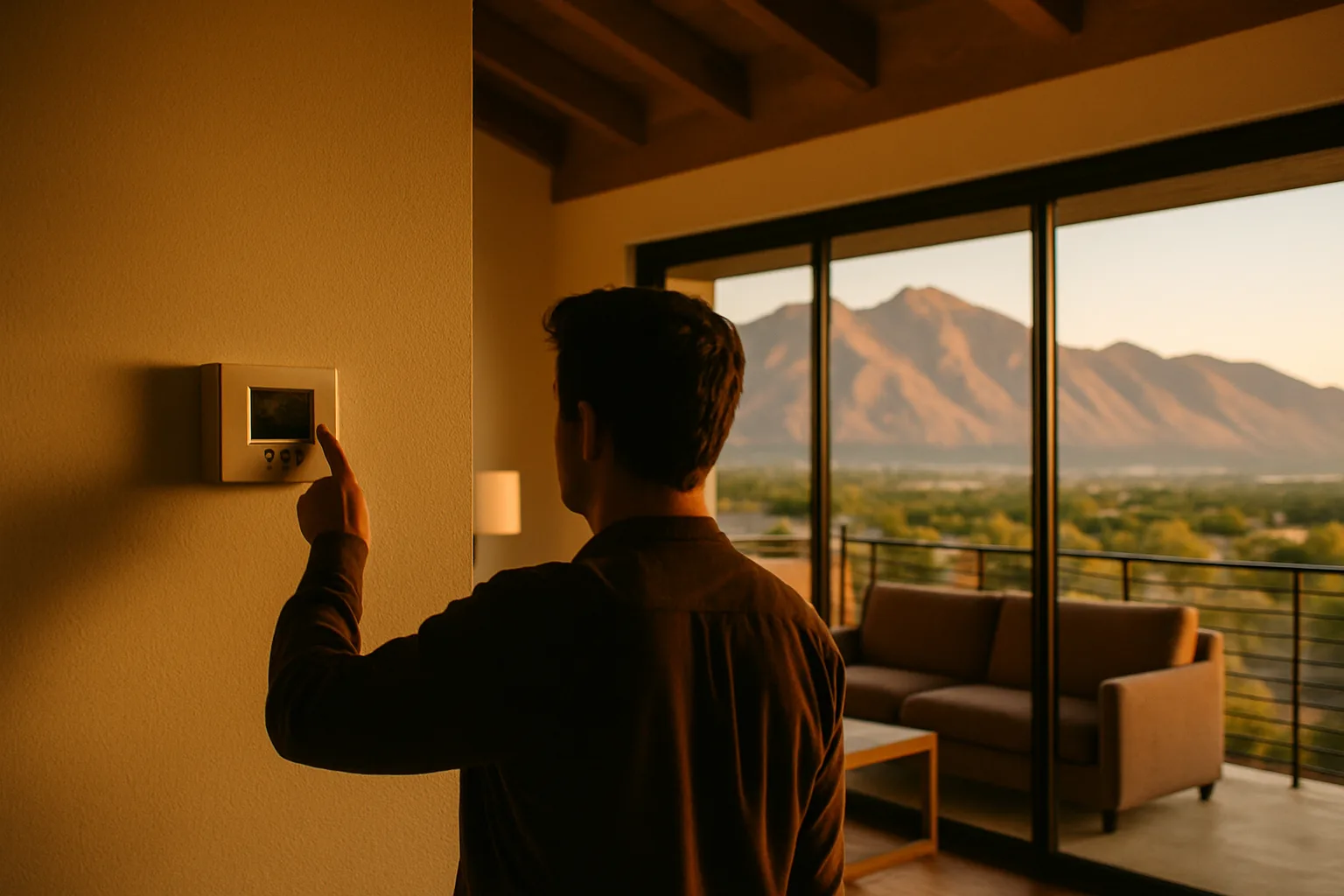
Why Automating Your Commercial HVAC System Saves Energy Costs
Fixed schedules and one-size-fits-all temperature settings waste energy in commercial buildings. This guide explains how HVAC automation, sensors, and remote monitoring cut utility costs while keeping occupants comfortable.
Commercial heating, ventilation, and air conditioning can drain budgets long before occupants notice a problem. Much of that loss comes from fixed schedules, broad temperature settings, and equipment serving empty rooms. Automation corrects those habits with sensors, zone logic, and performance data. For building teams, the result is more precise operations, fewer comfort complaints, and lower utility spending without asking people to tolerate poor indoor conditions.
Smarter Control
Buildings change by the hour as people arrive, rooms fill, sunlight shifts, and outdoor air loads rise. Modern HVAC automation and controls help match heating, cooling, and ventilation to those real conditions. Instead of relying on a single daily schedule, managers can guide each zone with data that reflects actual demand.
Energy Use
Heating and cooling typically account for a major share of commercial energy use. Waste increases when systems run at full output with low occupancy. Automated control reduces that pattern by trimming airflow, adjusting setpoints, and limiting unnecessary runtime. Over a large property, even small corrections can produce measurable savings across every billing cycle.
Sensors Matter
Sensors are the nervous system of an automated building. They track temperature, humidity, carbon dioxide, pressure, and occupancy. That information lets equipment respond with measured changes instead of rough guesses. A crowded conference room may need more ventilation, while a quiet storage area can safely use less conditioning.
Better Scheduling
Old schedules often remain in place after staffing, tenant activity, or operating hours change. Automation makes those updates easier to manage. Offices, lobbies, production areas, and service spaces can follow separate rules. Holiday settings, weekend setbacks, and seasonal adjustments can also be applied without constant manual checks.
Demand Response
Peak demand charges can raise a utility bill even when total energy use looks reasonable. Automated systems help by staggering equipment starts and softening setpoints during high-load windows. Critical areas can stay comfortable while less sensitive zones reduce demand. This strategy also limits electrical strain and mechanical stress.
Remote Visibility
A building can waste energy for weeks if faults stay hidden. Remote monitoring gives facility teams a clearer view of temperatures, alarms, runtimes, and trend data. Staff can compare units, floors, and zones on a single dashboard. Faster detection helps correct failed sensors, stuck dampers, or incorrect schedules before costs climb.
Maintenance Gains
Automation turns maintenance from guesswork into evidence-based planning. Runtime histories show which units work harder than expected. Alerts can flag short cycling, weak airflow, or abnormal temperature patterns. Early service usually costs less than emergency repair. It also helps protect compressors, fans, belts, and other high-wear parts. For commercial owners managing rental properties, this kind of proactive upkeep pairs well with reliable handyman services that catch small issues before they become costly.
Comfort And Productivity
Energy savings should never depend on discomfort. Good automation makes smaller corrections more often, which reduces hot spots, cold drafts, and temperature swings. Occupants may not notice the system working, and that is often the point. Stable indoor conditions help people focus, recover, shop, study, or work without distraction.
Open Integration
Commercial facilities rarely stay the same for long. Tenants move, rooms are repurposed, and equipment gets replaced in stages. Open integration helps different devices communicate through recognized protocols. That flexibility allows owners to add analytics, alarms, or upgraded controllers over time without replacing every mechanical component at once. This same building-envelope mindset applies to broader architectural upgrades that improve efficiency and long-term value.
Cost Payback
Payback depends on building size, equipment condition, operating hours, and local utility rates. The strongest gains often appear where teams still rely on manual changes or outdated time clocks. A focused audit can identify poor schedules, excessive runtime, and zones with recurring complaints. Those findings guide the highest-value upgrades.
Getting Started
A practical review should begin with utility bills, service records, schedules, and occupant feedback. Those sources often reveal waste before any equipment is changed. Next, teams can inspect controllers, sensors, communication wiring, and existing software. A phased plan keeps spending under control while improving performance in the areas with the greatest need. Property owners overseeing tenant-occupied commercial space should also review lease agreements with special conditions to ensure HVAC upgrades and maintenance responsibilities are clearly assigned.
Conclusion
Automating a commercial heating, ventilation, and air conditioning system is a disciplined way to reduce energy costs while protecting indoor comfort. Sensors, scheduling, remote monitoring, and service alerts help equipment run only when needed. The best results come from matching each zone to real demand. With a clear plan, automation makes our buildings more efficient, responsive, and easier to manage.
Keep reading
More from the blog
Fixer-Upper Remodel Tips for First-Time Home Buyers
Understanding HOA Fees: Where Your Money Goes and Why It Matters

Best Rental Websites for Finding Apartments and Homes in Utah