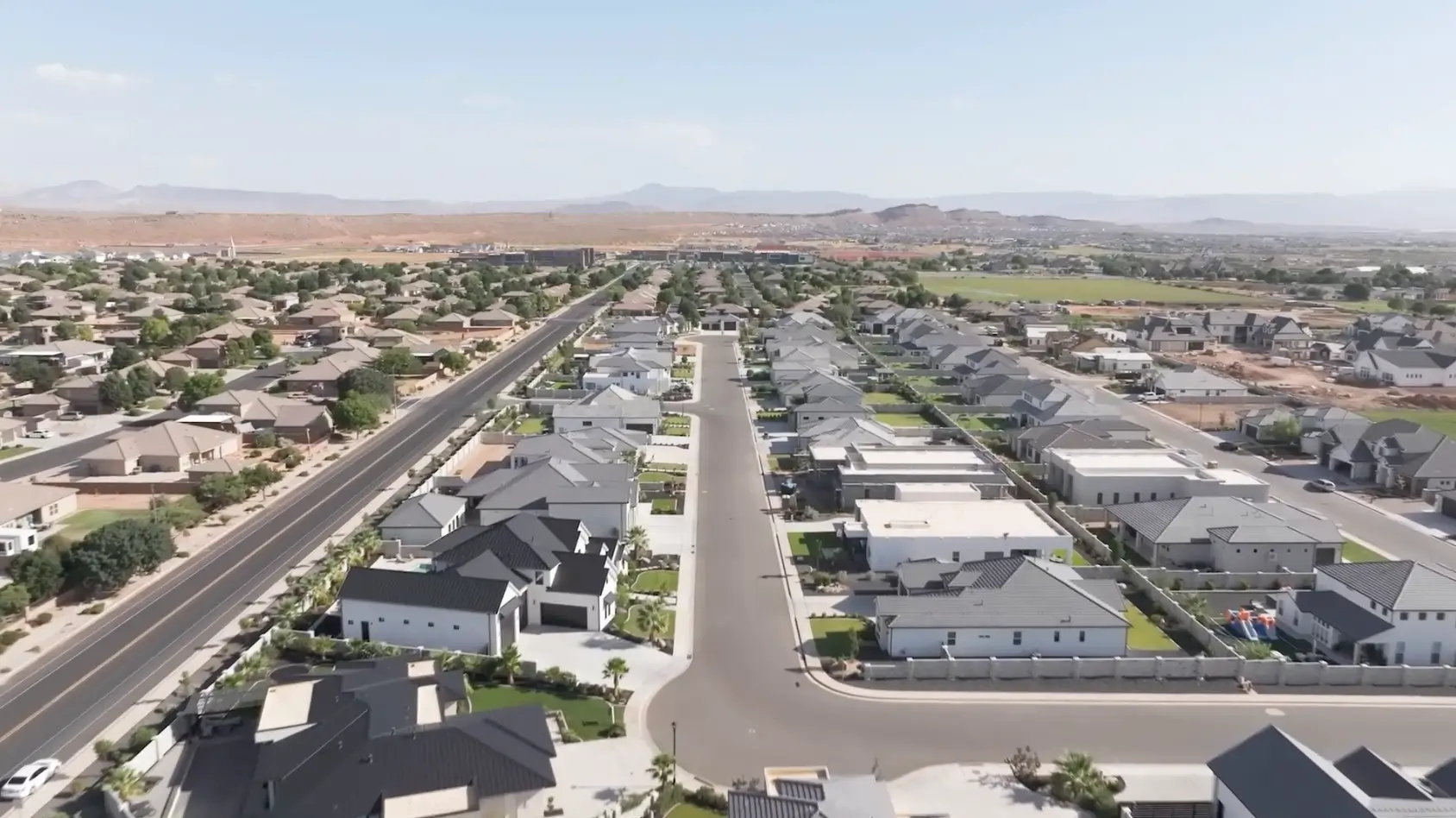
Unlocking Retirement: How Many Rental Properties Do You Really Need?
Discover how many rental properties you need to retire comfortably. This guide provides key formulas and real-life examples to help you secure your financial future.
Retiring early with rental properties is not just a dream; it's a tangible goal that can be achieved with the right strategy. In this comprehensive guide, we'll break down the essential math and considerations you need to know to determine how many rental properties you need to secure your financial independence.
Introduction to Rental Retirement
As the dream of retirement approaches, many individuals are exploring alternative paths to financial independence. One such path is leveraging rental properties as a source of income during retirement. This approach not only provides a steady cash flow but also builds long-term wealth through property appreciation. Understanding how to effectively utilize rental properties can be a game-changer for those looking to retire comfortably.
Rental retirement involves more than just acquiring properties; it requires a strategic approach to managing expenses, understanding market dynamics, and calculating the necessary investment to achieve your desired lifestyle. By grasping the fundamentals of rental income, potential returns, and market trends, you can make informed decisions that align with your retirement goals.
Understanding the Bigger Picture
When contemplating retirement through rental properties, it's crucial to view the situation holistically. This means not just focusing on the number of properties but also considering your lifestyle, financial needs, and the broader economic landscape. Begin by assessing your current financial situation, determining how much you spend monthly, and projecting future expenses. This foundational knowledge will guide your investment strategy and help you identify how many rental properties you'll need.
Moreover, understanding the local real estate market in Utah can significantly impact your strategy. For instance, cities like Salt Lake City and St. George offer diverse investment opportunities, each with unique characteristics that may affect rental income and property appreciation rates. By analyzing these markets, you can pinpoint areas with high rental demand, which is essential for ensuring a sustainable income stream.
The Key Formula Explained
To effectively calculate how many rental properties you need for retirement, you can utilize a straightforward formula that incorporates your estimated expenses, expected returns, and necessary wealth. This formula can be summarized as follows:
- E: Your estimated annual expenses in retirement.
- R: The cash return you anticipate from your real estate investments.
- W: The amount of wealth (equity) needed to generate the required income.
The relationship among these variables can be expressed as:
W = E / R
This formula allows you to determine how much wealth you need based on your expected returns from rental properties. For example, if your annual expenses are $70,000 and you expect a 10% return from your investments, you would need $700,000 in equity. This mathematical approach is essential for setting clear, achievable financial goals as you plan your retirement.
Real-Life Example: Calculating Wealth Needs
Let's explore a practical example to illustrate how this formula works in real life. Suppose you assess your annual expenses and determine that you need $80,000 to maintain your desired lifestyle in retirement. If you believe you can achieve a cash return of 8% on your rental properties, you can use the formula to calculate the necessary equity:
W = $80,000 / 0.08 = $1,000,000
This means you would need to accumulate $1,000,000 in equity from your rental properties to generate the necessary income. Understanding this figure is crucial as it sets a clear target for your investment strategy and helps you gauge how many properties you may need based on their individual values and expected returns.
Analyzing Another Example: Free and Clear Portfolio
Consider a scenario where you aim to create a free and clear rental portfolio. In this case, you might purchase ten rental properties valued at $120,000 each. Assuming you've paid off the debt on these properties, your total equity would amount to $1.2 million. If each property generates a net operating income of $8,400 annually, your total income from these properties would be:
10 properties x $8,400 = $84,000
Applying our initial formula, you can calculate the cash return:
R = $84,000 / $1,200,000 = 0.07 or 7%
This scenario highlights the benefits of a debt-free approach, providing a stable income stream without the burden of mortgage payments. Additionally, it underscores the importance of understanding your rental income potential and how it aligns with your retirement goals. The flexibility offered by a free and clear portfolio can be particularly advantageous, allowing you to navigate economic fluctuations with greater ease.
Leveraging Properties: A Case Study
To illustrate the potential of leveraging rental properties for retirement, let's examine a case study involving a fictional investor named Alex. Alex is 40 years old and has accumulated some savings, but his primary goal is to build a portfolio of rental properties to secure a comfortable retirement. He starts with a modest investment strategy focused on acquiring properties in growing markets in Utah.
Initially, Alex decides to purchase two single-family homes in Saratoga Springs, a city known for its family-friendly atmosphere and rising property values. Each home costs $300,000, and Alex finances 80% of each purchase through traditional mortgages. This means he puts down $60,000 on each property, totaling $120,000 in initial equity.
Over the next five years, Alex focuses on paying down the mortgages and increasing the properties' values through strategic renovations. He estimates that the value of each home will appreciate by 5% annually, bringing the total equity to approximately $360,000 after five years. Furthermore, each property generates $2,400 in monthly rent, providing a steady income stream of $57,600 annually after expenses.
By leveraging his properties, Alex not only increases his wealth through appreciation but also builds a sustainable income source that can support his retirement. This case study highlights the importance of selecting properties wisely and understanding local market trends in Utah, which can significantly impact investment outcomes.
Defining Your Personal Expenses
Understanding your personal expenses is crucial in determining how many rental properties you need to secure your retirement. Begin by analyzing your current spending habits and projecting future costs. This includes not just daily expenses but also larger financial commitments like healthcare, insurance, and leisure activities.
For instance, if your current monthly expenses total $5,000, you might anticipate that number increasing to $6,000 as you age, factoring in potential medical costs and lifestyle changes. This adjustment is essential for creating a realistic budget that aligns with your retirement vision. Utilize budgeting tools or spreadsheets to track your spending and make informed projections.
Additionally, consider any changes in your financial situation that might arise during retirement. Will you downsize your living arrangements? Will you travel more or engage in new hobbies? Each of these factors can significantly influence your overall expenses.
Adjusting Expenses for Retirement Planning
As you prepare for retirement, it's essential to adjust your projected expenses based on your lifestyle goals and anticipated changes. Many retirees find that their expenses decrease in certain areas, particularly if their children are grown and no longer dependent on them. However, other costs, such as healthcare and leisure activities, may increase.
To create a comprehensive retirement budget, consider the following:
- Housing: Will you downsize or relocate? Factor in potential mortgage or rent changes.
- Healthcare: Anticipate higher medical costs and consider long-term care insurance.
- Leisure Activities: Assess how much you plan to spend on travel, hobbies, or entertainment.
- Taxes: Understand how your tax liabilities may change during retirement and incorporate these into your budget.
By taking a proactive approach to adjusting your expenses, you can better estimate the rental income needed to maintain your desired lifestyle in retirement.
Estimating Additional Income Sources
Beyond rental income, it's vital to identify any additional income sources that can contribute to your financial stability in retirement. These may include Social Security benefits, pensions, dividends from investments, or part-time work. By estimating these income streams, you can reduce the pressure on your rental properties to cover all your expenses.
For example, if you expect to receive $1,500 monthly from Social Security and another $500 from dividends, that totals $24,000 annually. If your projected retirement expenses are $80,000, subtracting these additional income sources leaves you with a remaining $56,000 that needs to be covered by your rental properties.
Understanding the interplay between your expenses and income sources allows you to make informed decisions about how many rental properties you need. This holistic view helps in creating a balanced retirement plan that aligns with your financial goals.
Creating a Rental Property Profile
To effectively build your portfolio, you need to define a clear profile for the rental properties you intend to acquire. This includes setting criteria for property types, locations, and expected returns. For instance, if you're considering investing in Provo, you might focus on single-family homes that fit within your budget and offer strong rental demand.
Consider the following aspects when creating your rental property profile:
- Price Range: Determine your budget for purchasing properties and whether you'll use financing or buy outright.
- Location: Research neighborhoods that show potential for growth and high rental demand.
- Property Type: Decide whether you want single-family homes, multi-family units, or commercial properties based on your investment strategy.
- Projected Returns: Establish your target cash-on-cash return and annual appreciation rate to evaluate potential investments.
By clearly defining your rental property profile, you can streamline your search and make more informed investment decisions that align with your retirement strategy.
Calculating the Wealth Needed for Retirement
When planning for retirement, especially through rental properties, one of the most critical calculations involves determining the amount of wealth required to sustain your desired lifestyle. This calculation hinges on understanding your estimated annual expenses and the expected cash return from your rental properties. The formula we previously discussed serves as a foundational tool: W = E / R, where W is the wealth needed, E is your estimated annual expenses, and R is the cash return percentage from your properties.
For instance, if you project your annual expenses in retirement to be $80,000 and anticipate a 7% return on your investment, the calculation would yield:
W = $80,000 / 0.07 = $1,142,857
This means you'll need to accumulate approximately $1.14 million in equity from your rental properties to cover your expenses comfortably. Understanding this number is vital as it informs your investment strategy and guides your decisions on how many rental properties you should aim to acquire.
Putting It All Together: Your Rental Strategy
With a clear understanding of your financial goals and the necessary wealth to retire, it's time to develop a comprehensive rental strategy. This strategy should encompass your property acquisition methods, management practices, and financial planning. Start by identifying the types of properties that align with your investment goals. For example, consider whether you prefer single-family homes, multi-family units, or commercial properties. Each type has its unique benefits and challenges, particularly in the diverse Utah market.
Next, analyze the local real estate market conditions in areas like Ogden or Provo. These markets may offer different opportunities regarding property prices, rental demand, and potential returns. By focusing on high-demand neighborhoods, you can enhance your rental income and ensure your properties are occupied consistently.
Additionally, consider leveraging property management services to streamline operations, especially if you plan to scale your portfolio. Effective management is crucial for maintaining property values and maximizing rental income. Establishing a clear budget and maintaining a reserve fund for maintenance and unexpected expenses will also contribute to your long-term success.
The Importance of Setting Goals
Setting specific, measurable, achievable, relevant, and time-bound (SMART) goals is essential in your journey toward retirement through rental properties. Start by defining your desired retirement lifestyle and the financial resources needed to achieve it. This may include travel plans, housing preferences, and recreational activities that require funding.
Once you establish your overarching goals, break them down into actionable steps. For instance, if your goal is to acquire five rental properties within the next five years, outline a timeline for each acquisition and the financial milestones you need to reach to support these purchases. Regularly reviewing your progress will help you stay on track and adjust your strategy as necessary to meet your retirement objectives.
In Utah, where the real estate market is dynamic, being adaptable is key. For example, if you initially planned to invest in a specific area but discover better opportunities elsewhere, be willing to pivot your strategy. This flexibility can lead to more significant returns and a more robust retirement portfolio.
Final Thoughts and Future Steps
As you embark on your journey toward financial independence through rental properties, remember that thorough planning and informed decision-making are critical. Start by calculating your wealth needs, developing a strategic rental plan, and setting clear goals. These steps will provide a solid foundation for your investment journey.
Additionally, stay informed about market trends and continuously educate yourself on property management and investment strategies. Engaging with local real estate communities and resources can provide valuable insights and networking opportunities. The Utah real estate market is full of potential, and with the right approach, you can achieve your retirement dreams.
For more resources on navigating the Utah real estate landscape, visit Best Utah Real Estate, where you can find listings, market analyses, and expert advice tailored to your needs.
FAQ: Common Questions about Rental Properties and Retirement
As you consider using rental properties for retirement, you may have several questions. Below are some common inquiries, along with insightful responses to guide your planning.
- What types of properties should I invest in? The choice between single-family homes, multi-family units, or commercial properties depends on your investment goals, risk tolerance, and market conditions. Single-family homes often have a broader appeal, while multi-family units can provide higher cash flow.
- How do I finance my rental properties? Financing options include conventional mortgages, private loans, or leveraging equity from existing properties. It's essential to evaluate different financing methods to find the best fit for your financial situation.
- What are the tax implications of rental income? Rental income is generally taxable, but you can also deduct expenses related to property management, maintenance, and depreciation. Consulting with a tax professional can help you navigate these complexities effectively.
- How can I ensure my properties remain occupied? To minimize vacancies, focus on maintaining your properties, setting competitive rental rates, and marketing effectively to attract tenants. Building relationships with local real estate agents can also enhance your reach.
By addressing these questions and continuously seeking knowledge, you can make informed decisions that support your retirement goals through rental properties.
Posted by Kristopher Larson
Related Articles:
Frequently asked questions
What types of properties should I invest in?
How do I finance my rental properties?
What are the tax implications of rental income?
How can I ensure my properties remain occupied?
Keep reading
More from the blog
Utah's 2026 Property Tax Rate Increases: Eagle Mountain, Roy and What Owners Actually Pay

Roof Drainage Upgrades to Prevent Foundation Erosion

Utah Holiday Lights 2026: Displays by Region, Dates and Tips