Best places to see in Spanish Fork, Utah
Explore Spanish Fork's top attractions—the Fairgrounds, Sports Park, and Angelus Theatre—and what they mean for community life, events, and real estate.
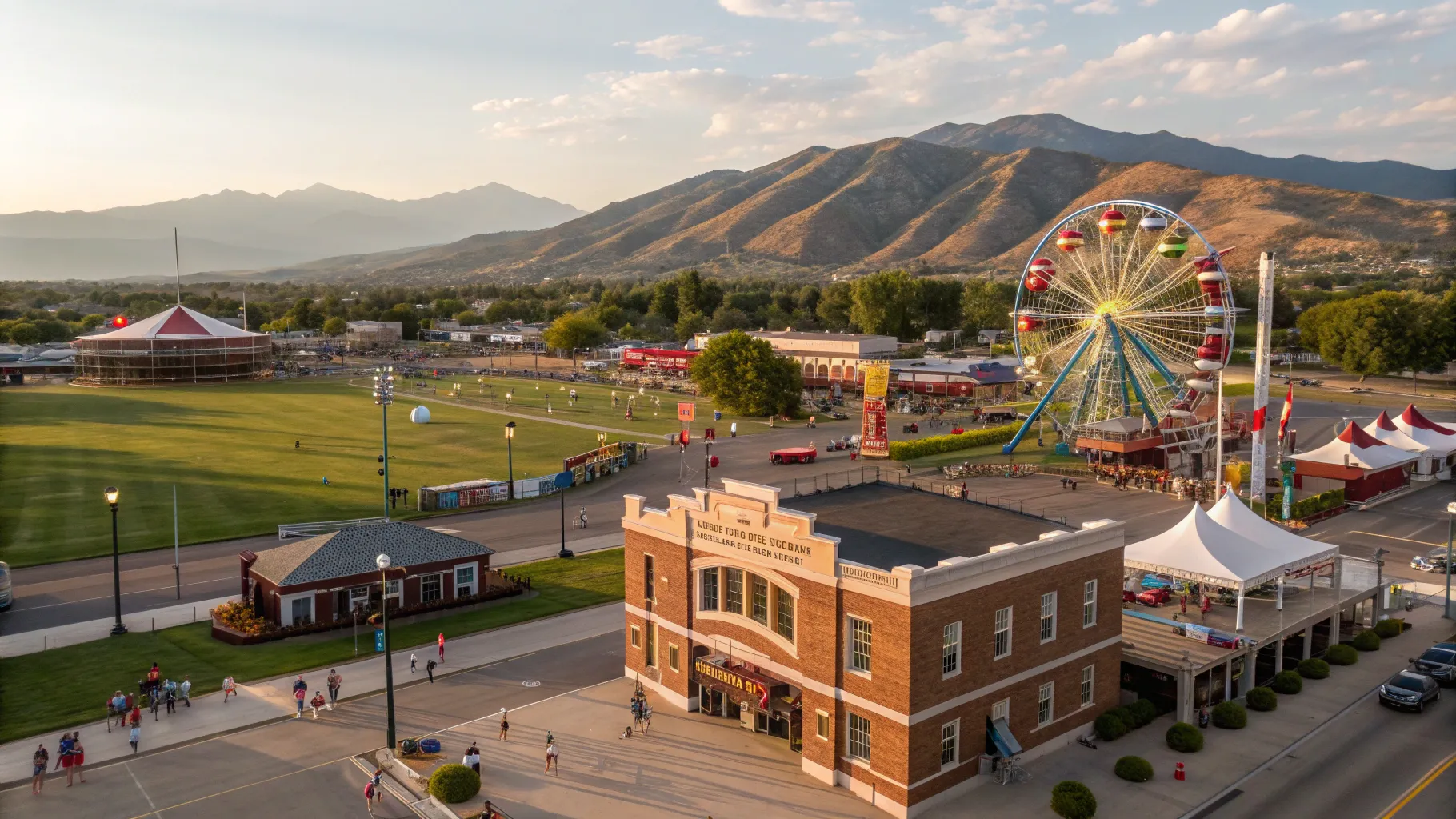
Spanish Fork, Utah, sits just south of Provo in Utah County and offers a compelling mix of history, family-friendly recreation, and community events that make it a strong contender for residents and visitors alike. With a population of approximately 42,602 and a land area of 16.21 square miles at an elevation of 4,666 feet, Spanish Fork blends small-town character with modern amenities and growing connectivity—such as a community 1 Gbps fiber network—that appeal to homeowners, families, and investors. The three best places to see in Spanish Fork—selected for cultural significance, year-round activity, and neighborhood impact—are the Spanish Fork Fairgrounds (home to Fiesta Days and other major events), the Spanish Fork Sports Park (the heart of the city's athletic reputation), and the Angelus Theatre (historic entertainment and community gatherings). Each destination offers unique reasons to visit and practical implications for real estate, lifestyle, and community value. When you are ready to start looking, view active Spanish Fork listings.
Overview and why these three were chosen
These three locations were selected for a combination of historical significance, community draw, and impact on local quality of life. The Spanish Fork Fairgrounds hosts marquee events that attract regional visitors and boost seasonal rental demand. The Spanish Fork Sports Park underpins the city’s reputation as a youth sports hub—an asset that often influences family home-buying decisions. The Angelus Theatre contributes cultural gravitas and a downtown anchor that supports nearby restaurants, shops, and walkability—factors that improve property desirability and long-term investment potential.
1. Spanish Fork Fairgrounds: community events, festivals, and seasonal impact
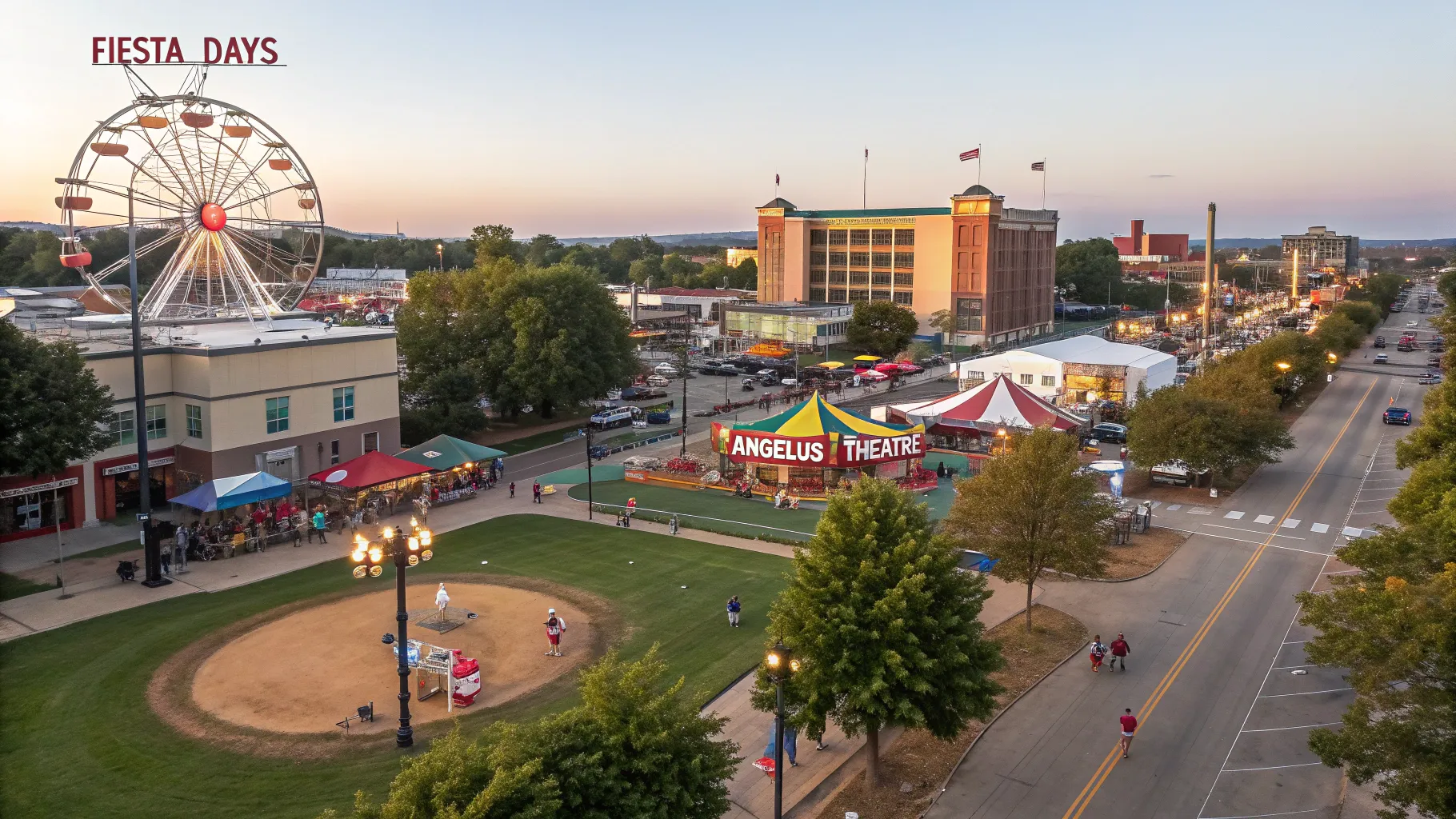
The Spanish Fork Fairgrounds are a centerpiece for community life, hosting a variety of events throughout the year that range from agricultural shows and the iconic Fiesta Days to seasonal gatherings like the Festival of Lights. Fiesta Days—celebrated around July 24th—commemorates the area's pioneer history and draws visitors from across Utah Valley. The fairgrounds' calendar and associated events stimulate local businesses, generate short-term rental demand, and enhance the city’s profile as a destination for family-friendly activities.
Beyond the headline festivals, the fairgrounds provide flexible event space for livestock shows, craft fairs, concerts, and regional competitions. These recurring draws have tangible effects on hospitality and retail businesses in Spanish Fork, providing part-time and seasonal employment and increasing foot traffic to downtown restaurants and shops during event weekends.
Real estate implications: neighborhoods near the fairgrounds benefit from increased walkability and easy access to events, but potential buyers should evaluate noise and parking impacts during peak festival times. For investors, property listings within a short drive of the fairgrounds can command higher nightly rates during Fiesta Days and other major events—creating a clear, data-driven seasonal revenue opportunity.
2. Spanish Fork Sports Park: youth athletics and community recreation
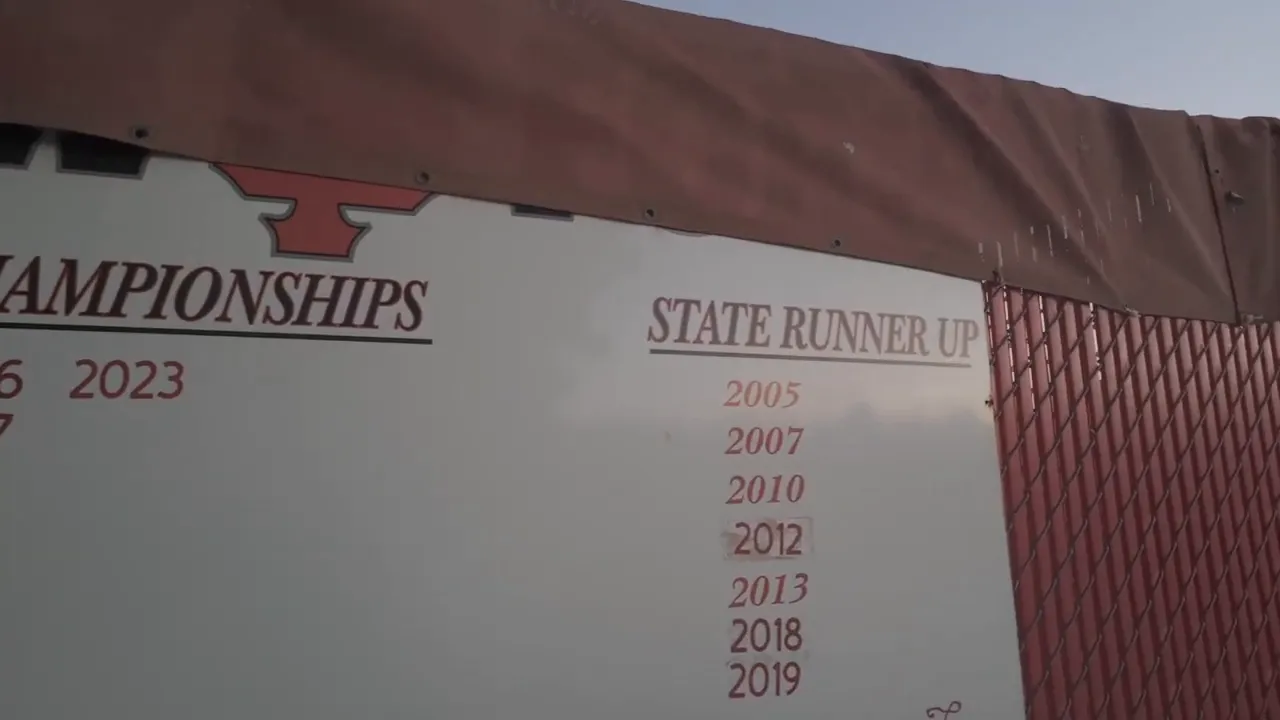
Spanish Fork has earned a reputation as a regional sports hub, largely because of the Spanish Fork Sports Park. Multiple baseball diamonds, well-maintained softball fields, practice facilities, and spectator amenities create a central destination for leagues ranging from Little League to adult co-ed softball. The community’s emphasis on sports extends from grassroots youth programming to high school competitions—the local high school has won multiple state and national accolades, contributing to the city's identity as the "baseball capital" of Utah Valley.
The sports park also functions as community open space: walking trails, picnic areas, and nearby disc golf provide year-round recreational options. The city’s trail development plan aims to interconnect parks, schools, and residential neighborhoods—enhancing non-motorized access and increasing property values along the corridor. Trails with controlled speed limits for scooters and bikes support safe family activity, an important amenity for homebuyers prioritizing health and outdoor living.
Real estate implications: proximity to high-quality recreation is a major selling point for families. Properties within walking or biking distance to the sports park and connecting trails often command a premium due to lifestyle convenience. For agents and investors, highlighting access to athletic leagues, tournament traffic, and planned trail expansion can strengthen marketing narratives and justify higher asking prices.
3. Angelus Theatre and downtown Main Street: cultural anchors and walkable commerce
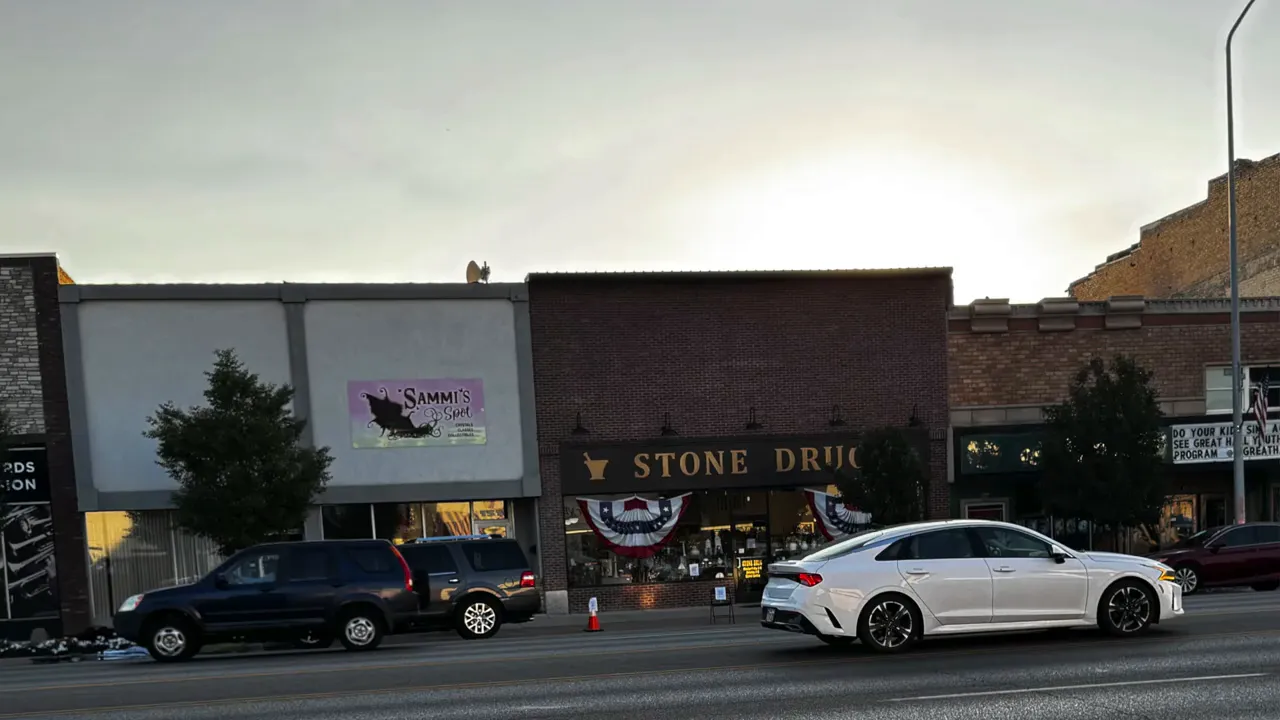
The Angelus Theatre, located near Main Street, is an example of how a historic performing arts venue can anchor downtown vibrancy. Historic theaters often host films, live performances, and community events that draw both residents and visitors into a walkable commercial district. When theaters and Main Street storefronts perform well, they support local restaurants, specialty retail, and services—strengthening neighborhood walkability and the local tax base.
Downtown Spanish Fork features family-run restaurants, soda bars, and long-standing businesses such as Stone Drug, which blends pharmacy services with a soda fountain—a nostalgic amenity that supports small-business diversity. Main Street’s cultural programming and periodic parades—like Fiesta Days—create recurring reasons for residents to gather and for nearby eateries to benefit from increased patronage.
Real estate implications: areas close to a vibrant Main Street and cultural anchors experience higher day-to-day livability scores. Walkable neighborhoods near the Angelus Theatre offer strong appeal for buyers seeking character and convenience. These areas often show resilience in pricing because of the mixed-use amenities and sense of place that cannot be easily replicated by suburban developments.
Practical visitor information and tips
- Getting there: Spanish Fork has two main freeway access points off I-15; the primary interchange near Main Street provides direct access to downtown and Highway 6 toward Spanish Fork Canyon.
- Best times to visit: Fiesta Days and summer tournaments generate the largest crowds; spring and fall are ideal for quieter visits, hiking in Spanish Fork Canyon, and exploring trails.
- Parking and accessibility: Event weekends at the fairgrounds and sports park require early arrival for convenient parking. The city has been working to increase trail connectivity and improve pedestrian access between parks and neighborhood streets.
- Dining: Support locally owned restaurants such as neighborhood Chinese eateries, diners inside classic pharmacies, and seasonal stands—these businesses reinforce the community character and circulate local spending.
- Connectivity: Spanish Fork Community Network provides high-speed fiber to parts of the city, a practical benefit for remote workers and those valuing strong internet service.
Neighborhood and real estate perspective
Spanish Fork blends family-oriented neighborhoods with growing retail corridors. The presence of major recreational facilities, cultural anchors, and event-driven tourism supports a diverse local economy and creates opportunities for both owner-occupants and investors. For families, school proximity, trail networks, parks like New Heights (an all-abilities playground), and youth sports programs are high-priority amenities. For investors, seasonal events and tournament-driven demand create predictable peaks in short-term rental occupancy, while long-term value is supported by planned infrastructure and community services.
Demographic and municipal facts—such as the city’s incorporation in 1855 and its historical roots with early Spanish explorers, Ute inhabitants, and Icelandic pioneer settlements—underscore Spanish Fork’s rich cultural layering. These historical narratives often translate into annual events and place-based identity, which in turn influence neighborhood desirability over time.
Other notable attractions and quick mentions
- Festival of Lights: Seasonal illumination events at community centers and fairgrounds.
- Glen Ray’s Corn Maze and Pumpkin Patch: Popular autumn family destination.
- Legends Motorcycle Museum: A niche attraction for enthusiasts and visitors.
- Salem Pond and surrounding parks: Quiet outdoor options for birdwatching and short walks.
Local resources and authoritative information
For municipal services, event calendars, and official updates, consult the city website at spanishfork.gov. For demographic data and broader regional statistics, census.gov provides authoritative population and housing figures. For real estate listings, market trends, and property search in Utah, the main resource mentioned in this article is .
FAQs
What are the main annual events at the Spanish Fork Fairgrounds and when do they occur?
The fairgrounds host Fiesta Days around July 24th, agricultural fairs, regional concerts, and seasonal celebrations such as the Festival of Lights. Specific dates vary by year—consult the city's event calendar for current scheduling and ticketing details.
Is the Spanish Fork Sports Park suitable for hosting tournament play and what amenities are available?
Yes, Spanish Fork Sports Park is designed for tournament-level play with multiple baseball and softball diamonds, spectator areas, restrooms, and nearby parking. The region’s reputation for youth sports encourages periodic tournaments, making the park a focal point for traveling teams and family-oriented visitors.
What makes downtown Spanish Fork and the Angelus Theatre valuable for homebuyers?
Downtown walkability, cultural programming at venues like the Angelus Theatre, and local businesses that support daily life are strong value drivers. Homes near vibrant Main Street districts benefit from convenience, community events, and a stable demand profile due to the area’s unique character.
Are there accessible trails that connect parks and schools in Spanish Fork?
Yes. Spanish Fork has been actively developing interconnected trails that link parks, the disc golf course, the sports park, and neighborhood streets. The long-term plan emphasizes complete pathways that improve walkability and reduce car dependence for local trips.
What should investors consider when evaluating properties near these three attractions?
Investors should evaluate seasonal demand cycles, noise and parking during major events, and long-term infrastructure plans. Proximity to parks, trails, and cultural centers tends to support higher rents and sale prices, but understanding peak periods and local zoning is critical to accurate revenue and occupancy forecasting.
Spanish Fork, Utah housing market
A quick read on what homes are doing in Spanish Fork right now — pulled live from the MLS.
Keep reading
More from the blog
Living in Spanish Fork, Utah 2026: Pros, Cons & Costs
What If Your Utah Home Appraisal Comes In Higher Than Offer?
Best Time to Hang Christmas Lights: A Homeowner's Timing Guide