
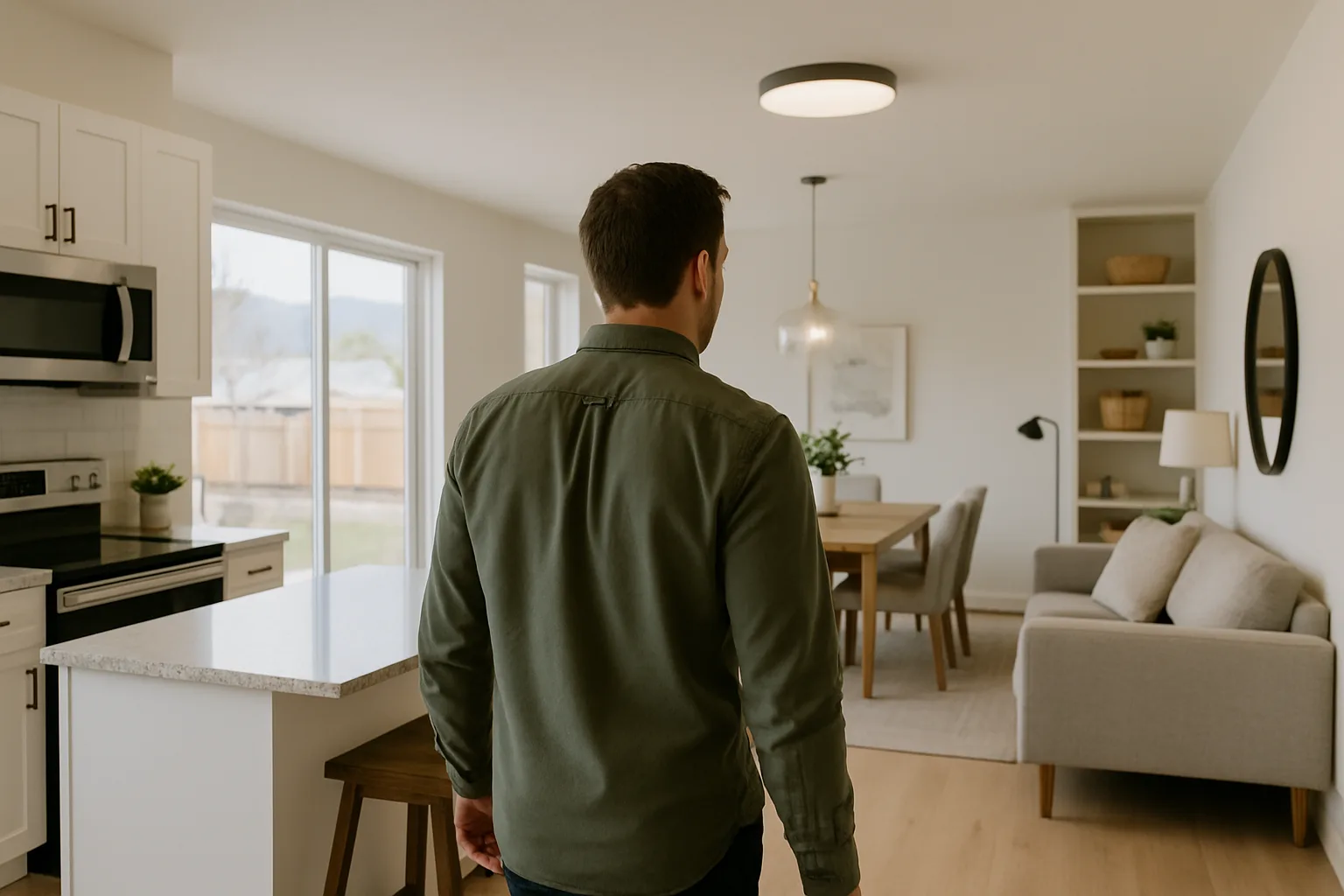
Smart Interior Upgrades That Can Increase a Home's Appeal
Smart interior upgrades can make a home brighter, more functional and more appealing without a full renovation. Explore ideas for kitchens, storage, bathrooms, lighting and flexible living spaces.
Introduction
Smart interior upgrades can make a home feel more considered without the disruption or expense of a full renovation. A refreshed kitchen, better storage, an updated bathroom, improved lighting, and more flexible living areas can all change how a property looks and, just as importantly, how it feels to live in.
The most successful improvements tend to balance appearance with practicality. Rather than chasing every new design trend, focus on changes that make the home brighter, easier to use, and more cohesive. If you plan to sell, it also helps to avoid the renovation mistakes that cut into your profits. Here are some worthwhile upgrades to consider.
Refresh the Kitchen for Better Function and Style
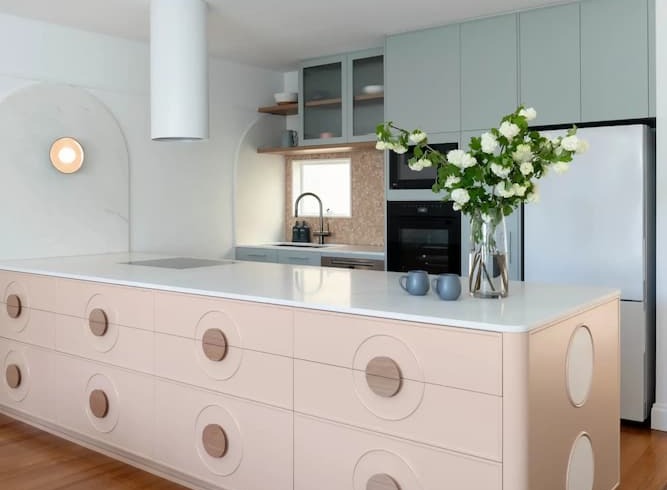
The kitchen is one of the first rooms people notice, so it makes sense to start with the surfaces and fixtures that take the most wear. If the benchtops are scratched or dated, replacing them with a durable material such as quartz or laminate can give the room an immediate lift. Cabinet doors can also be painted or refaced when the existing cabinetry is still in good condition.
If the kitchen needs more than a cosmetic refresh, a full interior home renovation may provide an opportunity to rethink the layout, storage, and flow of the space rather than simply replacing finishes.
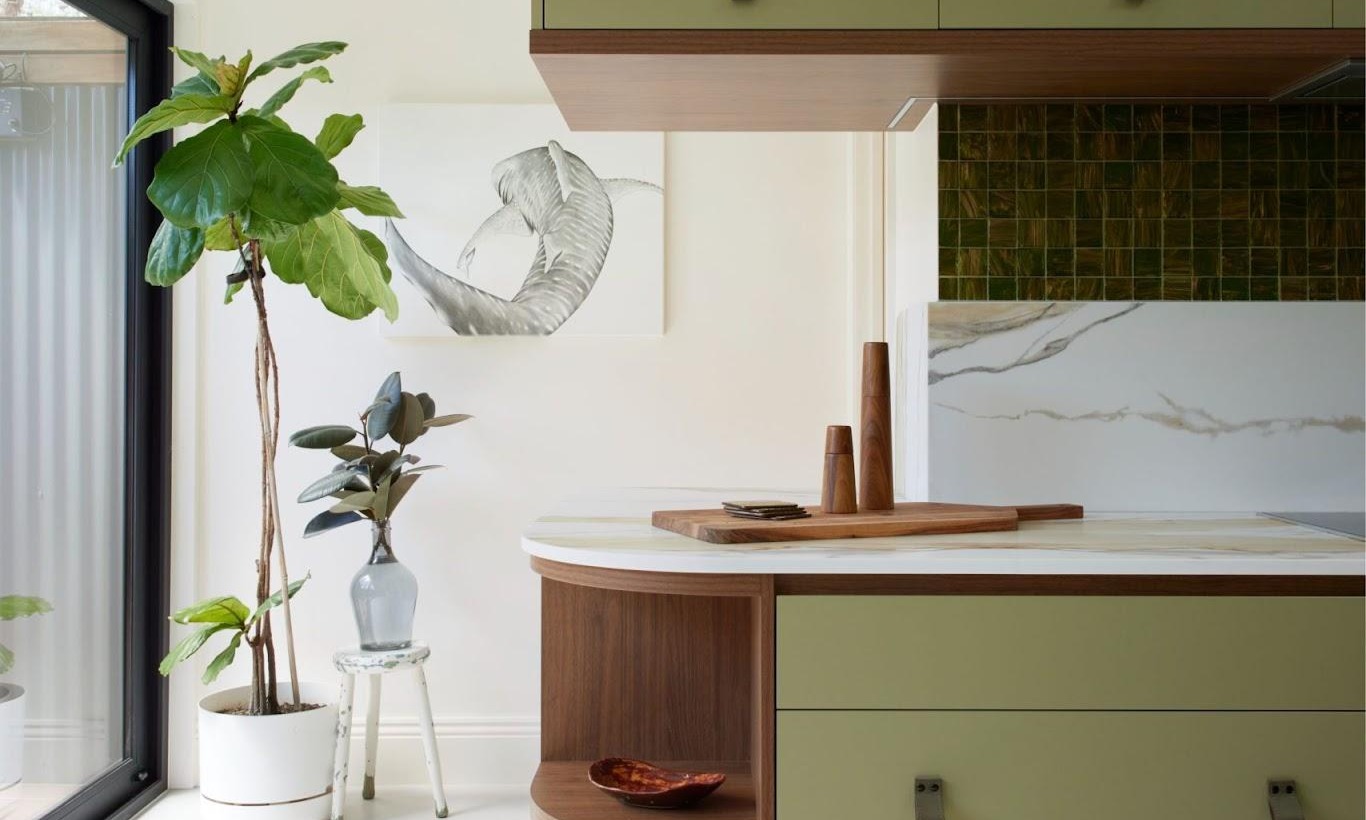
Think about how the kitchen works as well as how it looks. Pull-out shelves make deep cupboards easier to reach, while soft-close drawers add a small touch of quality that becomes noticeable with everyday use. Under-cabinet lighting is another practical improvement, providing focused light over preparation areas without making the room feel overly bright.
Finish with a few smaller changes that bring everything together. Replacing dated handles, coordinating tapware with other hardware, and keeping the finishes within a consistent palette can make an older kitchen feel much more deliberate.
Improve Storage With Custom Joinery
Good storage should feel like part of the room rather than something added as an afterthought. Custom joinery is particularly useful for making use of alcoves, awkward corners, narrow walls, and other spaces that standard furniture cannot accommodate. Floor-to-ceiling cabinetry can also make better use of vertical space while keeping rooms looking tidy.
The internal details matter just as much as the exterior. Consider features such as:
Adjustable shelving that can be changed as storage needs evolve.
Pull-out trays for items that would otherwise get lost at the back of a cupboard.
Soft-close drawers for smoother, quieter everyday use.
Concealed compartments for keeping smaller items and clutter out of sight.
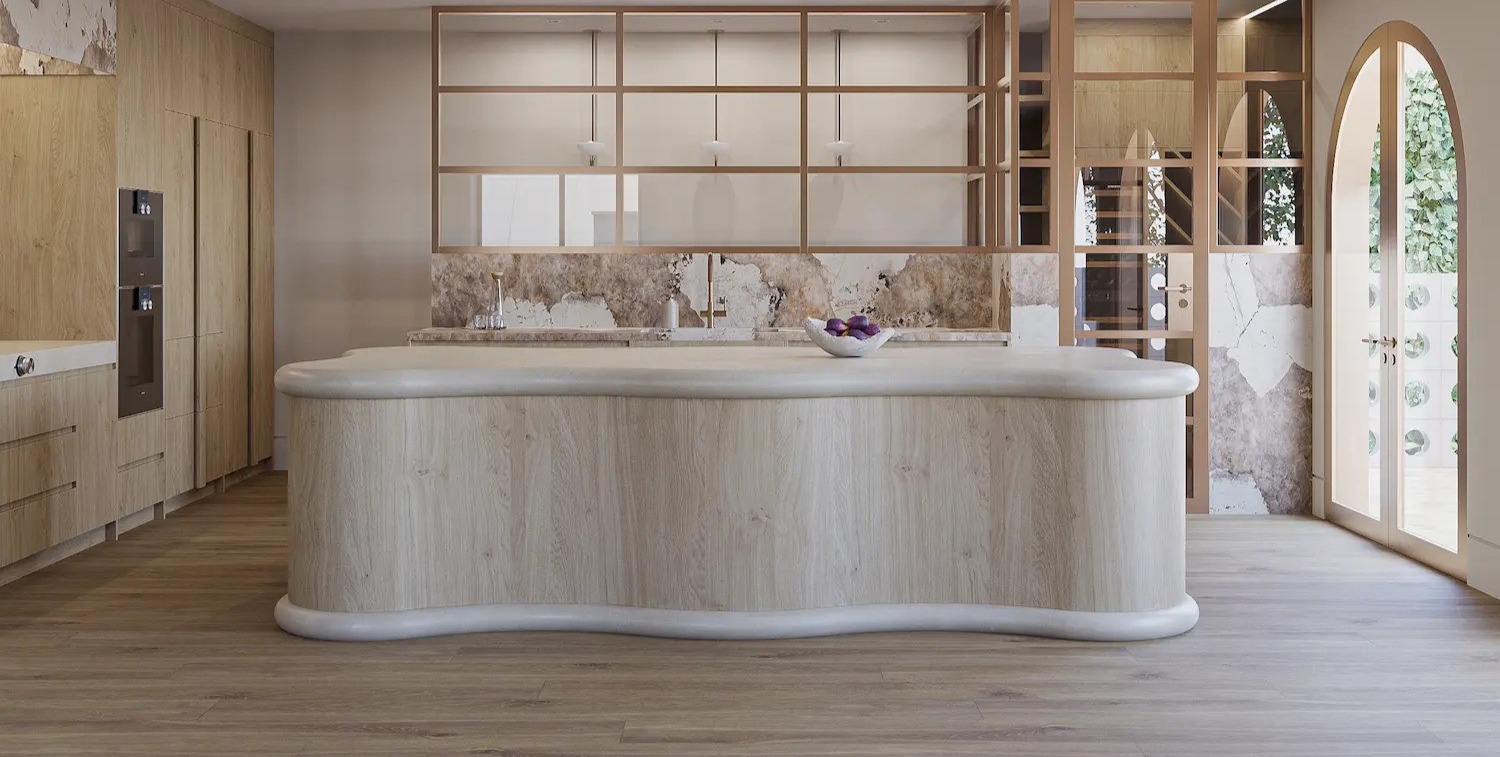
The finish should relate to the rest of the interior, too. Timber tones, paint colours, handles, and proportions can be selected to complement existing features rather than compete with them. GIA Renovations is one example of a renovation company that can incorporate tailored joinery and storage into a wider interior scheme, helping the finished space feel cohesive.
Give Bathrooms a Practical Design Upgrade
Bathrooms can start to look tired even when the rest of the home has been well maintained. Fortunately, they do not always need a complete renovation to feel fresher and more functional.
Some relatively straightforward improvements include:
Replacing old taps and showerheads with modern, water-efficient fixtures.
Adding a new vanity or floating shelves to improve storage and reduce clutter.
Updating the lighting around the vanity for better visibility.
Applying a fresh coat of moisture-resistant paint where appropriate.
These targeted changes can make a bathroom feel cleaner and brighter while addressing some of the practical frustrations that come with an outdated layout.
Upgrade Lighting and Interior Finishes
Lighting has a greater effect on an interior than many homeowners realise. The right combination can make a room feel warmer, more spacious, and more comfortable at different times of day. Warm LED lighting generally works well in living areas and bedrooms, while brighter task lighting is useful in kitchens, bathrooms, and workspaces.
Rather than relying on one central fitting, layer the lighting where possible. Combine general ceiling lighting with wall lights, pendants, or lamps to create different levels of illumination. This gives you more control over the atmosphere and makes individual areas easier to use.
Interior finishes also play a major role in first impressions. Durable flooring, fresh paint, and updated hardware can make rooms look noticeably more polished. Choose finishes according to how each space is used, rather than selecting the same material throughout the entire house simply for consistency.
Small details can complete the look:
Replace worn or mismatched door handles.
Update dated switch plates and other visible hardware.
Choose wall colours that work with the existing natural light.
Keep flooring, cabinetry, and trim finishes visually connected.
Create More Flexible and Comfortable Living Spaces
A well-designed room should accommodate the way people actually live. As homes increasingly serve several purposes, flexible spaces can be more useful than rooms designed around one specific activity.
Consider practical changes such as:
Using multifunctional furniture, such as an extendable dining table or sofa bed.
Creating separate zones for working, dining, relaxing, or entertaining without adding walls.
Adding rugs, cushions, and curtains to soften rooms and introduce warmth.
Improving airflow with ceiling fans or better window treatments.
Keeping main walkways clear so rooms feel more spacious and easier to navigate.
When making these changes, consider the home layout as a whole. Furniture placement, circulation, and the relationship between adjoining rooms can have as much impact on comfort as the individual pieces you choose.
Furniture placement is particularly important. Even a small living area can feel generous when there is a clear path through the room and every piece of furniture has a purpose.
Conclusion
The most effective interior upgrades are not necessarily the most expensive ones. A better-functioning kitchen, carefully planned storage, a refreshed bathroom, thoughtful lighting, and adaptable living areas can all make a home more comfortable and appealing.
The key is to look at the property as a whole. Choose finishes that complement one another, prioritise improvements that solve genuine everyday problems, and avoid changes that will quickly look dated. For buyers, smart home investments and exterior improvements can add to the appeal. With a considered approach, even targeted upgrades can give a home a noticeably fresher and more cohesive feel.
Frequently asked questions
Which interior upgrades add the most appeal to a home?
Can I refresh a kitchen without a full renovation?
How can I improve storage in a home without adding space?
What lighting works best throughout a home?
How do I make a small living space feel larger?
Keep reading
More from the blog
What Full Water Restoration Covers Beyond Drying

Best Airports for Utah and Colorado Mountain Towns

Types of Metal Roofing: What Homebuyers Should Know